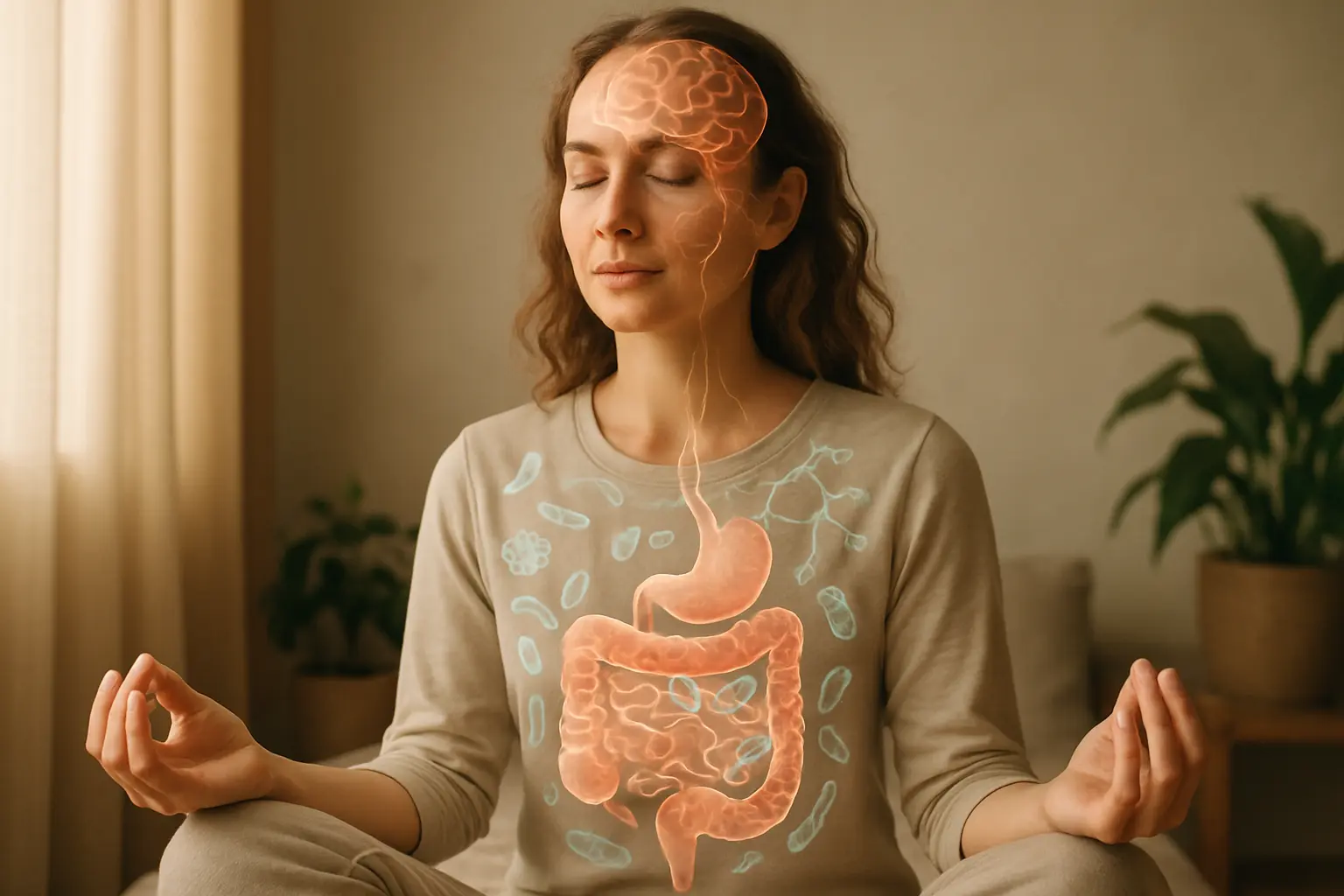
If you've ever felt butterflies in your stomach when nervous or experienced gut problems during stressful periods, you've experienced the gut-brain connection firsthand. But the relationship between your digestive system and your mental health goes far deeper than occasional stress-related stomach upset.
Your gut produces many of the same neurotransmitters found in your brain, houses 70% of your immune system, and communicates directly with your central nervous system through multiple pathways. The bacteria in your intestines influence everything from mood and anxiety to cognitive function and sleep quality.
This means that anxiety and depression might not just be "in your head"—they could be originating in your gut. Digestive problems, food sensitivities, bacterial imbalances, and intestinal inflammation can all trigger mood disorders, brain fog, and other neurological symptoms.
Understanding the gut-brain axis opens up new possibilities for treating mental health conditions through digestive healing rather than just psychiatric medications. Many people find significant improvements in mood, anxiety, and cognitive function when they address underlying gut dysfunction.
Understanding the Gut-Brain Axis
The gut-brain axis is the bidirectional communication network between your digestive system and your brain. This connection involves multiple pathways:
The vagus nerve: This major nerve connects your brain directly to your digestive system. It carries signals in both directions, allowing your gut to influence brain function and your brain to affect digestive function.
Neurotransmitter production: Your gut bacteria produce substantial amounts of neurotransmitters including serotonin (90% is made in the gut), GABA, dopamine, and norepinephrine. These same chemicals regulate mood, anxiety, and cognitive function in the brain.
Immune system communication: The gut houses the majority of your immune system. Immune cells in the digestive tract produce inflammatory molecules called cytokines that can travel to the brain and influence mood and cognition.
Hormonal signaling: Your gut produces hormones that affect appetite, mood, and stress responses. The gut also responds to stress hormones like cortisol, which can alter digestive function and bacterial balance.
Metabolite production: Gut bacteria produce various compounds including short-chain fatty acids, which can cross the blood-brain barrier and influence brain function directly.
This complex communication system means that what happens in your gut doesn't stay in your gut. Digestive dysfunction can trigger widespread effects on mental health, energy levels, and cognitive function.
The Microbiome's Role in Mental Health
Your gut microbiome consists of trillions of bacteria, fungi, and other microorganisms that live in your digestive tract. This microscopic ecosystem has profound effects on both physical and mental health.
Beneficial bacteria (probiotics) support mental health by:
- Producing neurotransmitters like serotonin and GABA
- Reducing inflammation throughout the body
- Strengthening the intestinal barrier
- Competing with harmful bacteria for resources
- Supporting immune system balance
- Producing beneficial metabolites like butyrate
Harmful bacteria can negatively impact mental health by:
- Producing toxic compounds that can reach the brain
- Triggering inflammatory responses
- Damaging the intestinal lining (leaky gut)
- Depleting beneficial neurotransmitters
- Interfering with nutrient absorption
- Activating stress responses
The balance between beneficial and harmful bacteria significantly influences mood, anxiety levels, stress resilience, and cognitive function. Factors that disrupt this balance—antibiotics, processed foods, chronic stress, alcohol, and certain medications—can directly impact mental health.
Leaky Gut and Brain Inflammation
The intestinal lining serves as a barrier between the contents of your digestive tract and your bloodstream. When this barrier becomes damaged (often called "leaky gut" or increased intestinal permeability), partially digested food particles, bacteria, and toxins can enter the bloodstream.
Your immune system recognizes these substances as foreign invaders and mounts an inflammatory response. This inflammation doesn't stay localized to the digestive system—it becomes systemic and can reach the brain.
Neuroinflammation (inflammation in the brain) is increasingly recognized as a major factor in depression, anxiety, brain fog, and cognitive decline. The inflammatory molecules produced in response to gut dysfunction can:
- Interfere with neurotransmitter production and function
- Disrupt the blood-brain barrier
- Damage brain cells and neural connections
- Alter mood regulation centers in the brain
- Impair memory and cognitive function
This explains why many people with digestive problems also struggle with mood issues, and why healing the gut often leads to dramatic improvements in mental health.
Serotonin: The Gut-Made Mood Molecule
Most people know serotonin as the "happy neurotransmitter," but few realize that 90% of the body's serotonin is produced in the digestive tract, not the brain. Specialized cells in the intestinal lining produce serotonin in response to food, bacteria, and other signals from the gut environment.
This gut-produced serotonin influences:
- Digestive motility and function
- Mood and emotional regulation
- Sleep quality (serotonin is converted to melatonin)
- Appetite and food cravings
- Pain perception
- Immune function
Gut dysfunction can significantly impact serotonin production. Intestinal inflammation, bacterial imbalances, and nutrient deficiencies can all reduce serotonin synthesis, leading to:
- Depression and low mood
- Anxiety and irritability
- Sleep problems
- Digestive issues like constipation or IBS
- Increased pain sensitivity
- Food cravings, especially for carbohydrates
This is why some people with depression don't respond well to SSRIs (selective serotonin reuptake inhibitors)—the problem isn't serotonin utilization in the brain, but insufficient serotonin production in the gut.
GABA and Gut Bacteria
GABA (gamma-aminobutyric acid) is the brain's primary calming neurotransmitter. It reduces anxiety, promotes relaxation, and helps regulate the stress response. Many anti-anxiety medications work by enhancing GABA function in the brain.
What's less well known is that certain gut bacteria produce substantial amounts of GABA. Lactobacillus species, in particular, are prolific GABA producers. This bacterial GABA can influence mood and anxiety levels through the gut-brain axis.
People with anxiety disorders often have altered gut bacteria populations, including reduced levels of GABA-producing bacteria. This creates a vicious cycle where anxiety disrupts digestive function, which further reduces beneficial bacteria and GABA production, leading to more anxiety.
Supporting GABA-producing bacteria through targeted probiotics, prebiotics, and gut-healing protocols can be an effective approach for managing anxiety naturally.
Food Sensitivities and Brain Function
Food sensitivities (different from true food allergies) can trigger inflammatory responses in the gut that directly affect brain function. Common culprits include gluten, dairy, soy, corn, and processed food additives.
When you eat a food you're sensitive to, it can cause:
- Intestinal inflammation and increased permeability
- Immune system activation
- Cytokine production that affects the brain
- Disruption of neurotransmitter production
- Altered gut bacteria balance
Many people notice improvements in mood, brain fog, and anxiety when they identify and eliminate problematic foods. The connection isn't always obvious because symptoms can be delayed by hours or days after eating trigger foods.
Common brain-related symptoms of food sensitivities include:
- Depression or mood swings
- Anxiety and irritability
- Brain fog and difficulty concentrating
- Headaches or migraines
- Sleep disturbances
- Fatigue and low energy
- Memory problems
Identifying food sensitivities can be done through elimination diets, food sensitivity testing, or working with a practitioner trained in these connections.
The Stress-Gut-Brain Triangle
Chronic stress creates a destructive cycle that involves all three systems: stress hormones, gut function, and brain health. Understanding this triangle helps explain why stress management is crucial for both digestive and mental health.
Stress affects the gut by:
- Reducing digestive enzyme production
- Slowing digestive motility
- Increasing intestinal permeability
- Altering gut bacteria composition
- Reducing beneficial bacteria populations
- Increasing inflammation
Gut dysfunction affects the brain by:
- Reducing neurotransmitter production
- Triggering inflammatory responses
- Allowing toxins to enter circulation
- Disrupting nutrient absorption
- Activating stress responses
Brain changes affect stress responses by:
- Increasing cortisol production
- Enhancing inflammatory responses
- Reducing stress resilience
- Altering mood regulation
- Disrupting sleep patterns
Breaking this cycle requires addressing all three components: stress management, gut healing, and brain support.
Common Digestive Issues That Affect Mental Health
Several digestive conditions are strongly associated with mood and cognitive problems:
Irritable Bowel Syndrome (IBS): Up to 90% of people with IBS experience anxiety or depression. The gut dysfunction that causes IBS symptoms also affects neurotransmitter production and brain function.
Small Intestinal Bacterial Overgrowth (SIBO): This condition involves excessive bacteria in the small intestine, which can produce toxins that affect brain function and mood.
Inflammatory Bowel Diseases: Crohn's disease and ulcerative colitis involve chronic intestinal inflammation that often correlates with depression and anxiety.
Candida overgrowth: Excessive yeast in the digestive tract can produce toxins that affect brain function, contributing to brain fog, mood swings, and cognitive problems.
Gastroparesis: Delayed stomach emptying can lead to bacterial fermentation and toxin production that affects mental clarity and mood.
Addressing these underlying digestive issues often leads to significant improvements in mental health symptoms that don't respond well to conventional psychiatric treatment alone.
Nutritional Psychiatry: Feeding Your Brain Through Your Gut
The field of nutritional psychiatry recognizes that mental health is significantly influenced by nutrition and digestive health. Certain nutrients are essential for neurotransmitter production and brain function:
Omega-3 fatty acids: Critical for brain structure and function, anti-inflammatory effects, and neurotransmitter production. Found in fatty fish, walnuts, and flax seeds.
B vitamins: Essential for neurotransmitter synthesis and nervous system function. B6, B12, and folate are particularly important for mood regulation.
Magnesium: Required for hundreds of enzymatic reactions including neurotransmitter production. Deficiency is associated with anxiety and depression.
Zinc: Important for neurotransmitter function and immune regulation. Deficiency can contribute to depression and cognitive problems.
Tryptophan: An amino acid precursor to serotonin. Found in turkey, eggs, cheese, and other protein sources.
Probiotics: Beneficial bacteria that support neurotransmitter production and reduce inflammation.
Prebiotics: Fiber-rich foods that feed beneficial bacteria and support a healthy microbiome.
Nutrition coaching can help you optimize these nutrients while addressing any digestive issues that might interfere with absorption.
Healing the Gut-Brain Connection
Addressing gut-brain axis dysfunction requires a comprehensive approach that supports both digestive and mental health:
Remove problematic foods: Identify and eliminate foods that trigger inflammation or sensitivities. Common culprits include processed foods, sugar, gluten, and dairy.
Restore beneficial bacteria: Use targeted probiotics, fermented foods, and prebiotics to rebuild a healthy microbiome.
Repair the intestinal lining: Nutrients like glutamine, zinc, and omega-3 fatty acids help heal leaky gut and reduce inflammation.
Replace digestive function: Support optimal digestion with digestive enzymes, betaine HCl, or other digestive aids if needed.
Reduce stress: Implement stress management techniques that support both gut and brain health.
Support detoxification: Help your body eliminate toxins that can affect brain function through liver support and adequate hydration.
This approach, often called the "5 R protocol" (Remove, Replace, Replenish, Repair, Rebalance), addresses the root causes of gut-brain dysfunction rather than just managing symptoms.
The Role of Fermented Foods
Fermented foods have been used for centuries to support digestive and overall health. These foods contain beneficial bacteria and other compounds that support the gut-brain connection:
Kefir and yogurt: Provide multiple strains of beneficial bacteria that can survive stomach acid and colonize the intestines.
Sauerkraut and kimchi: Fermented vegetables that provide probiotics along with beneficial fiber and antioxidants.
Kombucha: A fermented tea that provides probiotics and beneficial acids that support digestive health.
Miso and tempeh: Fermented soy products that provide beneficial bacteria and support immune function.
Apple cider vinegar: Contains beneficial acids that support digestive function and beneficial bacteria growth.
Regular consumption of fermented foods can help maintain a healthy microbiome and support optimal gut-brain communication.
Exercise and the Gut-Brain Connection
Physical activity benefits both gut and brain health through multiple mechanisms:
Increases beneficial bacteria: Regular exercise promotes the growth of beneficial bacteria while reducing harmful microorganisms.
Reduces inflammation: Physical activity has anti-inflammatory effects that benefit both digestive and brain health.
Enhances neurotransmitter production: Exercise increases production of serotonin, dopamine, and other mood-regulating neurotransmitters.
Improves stress resilience: Regular physical activity helps regulate cortisol levels and improve stress responses.
Supports digestive function: Movement helps with digestive motility and reduces constipation.
Exercise therapy doesn't have to be intense to provide gut-brain benefits. Even moderate activities like walking, yoga, or swimming can have significant positive effects.
Sleep and Circadian Rhythms
The gut-brain axis is closely connected to your circadian rhythms and sleep patterns. Disrupted sleep affects gut bacteria composition, while gut dysfunction can interfere with sleep quality.
Sleep affects the gut by:
- Influencing gut bacteria diversity and balance
- Affecting digestive hormone production
- Altering intestinal permeability
- Changing immune function in the digestive tract
Gut health affects sleep by:
- Influencing melatonin production (serotonin is a precursor)
- Affecting neurotransmitter balance
- Triggering inflammatory responses that disrupt sleep
- Producing metabolites that influence circadian rhythms
Optimizing both sleep and gut health together is often more effective than addressing either one in isolation.
Case Study: Sarah's Gut-Brain Transformation
Sarah, a 34-year-old teacher, struggled with anxiety and depression for years. Despite trying multiple antidepressant medications, she continued to experience mood swings, brain fog, and fatigue. She also had chronic digestive issues including bloating, irregular bowel movements, and frequent stomach upset.
Comprehensive testing revealed:
- Multiple food sensitivities including gluten and dairy
- Low beneficial bacteria levels
- Elevated inflammatory markers
- Nutrient deficiencies in B vitamins and magnesium
- Signs of increased intestinal permeability
Her treatment plan focused on healing the gut-brain connection:
- Elimination diet removing trigger foods
- Targeted probiotics and gut-healing nutrients
- Stress management through meditation and yoga
- Nutritional support for neurotransmitter production
- Gradual reintroduction of foods to identify triggers
Within three months, Sarah's anxiety significantly decreased, her energy improved, and her digestive symptoms resolved. She was able to reduce her antidepressant medication (under medical supervision) while maintaining stable mood and energy levels.
When to Seek Professional Help
Consider working with a practitioner familiar with gut-brain connections if you experience:
- Depression or anxiety that doesn't respond well to conventional treatment
- Brain fog or cognitive problems along with digestive issues
- Mood symptoms that worsen with certain foods
- Chronic digestive problems affecting quality of life
- Mental health symptoms that started after antibiotic use, illness, or major stress
- Multiple unexplained symptoms affecting both digestion and mental health
A functional medicine approach can help identify and address the root causes of gut-brain dysfunction rather than just managing symptoms.
Building Long-term Gut-Brain Health
Creating lasting improvements in gut-brain health requires ongoing attention to the factors that support both systems:
Maintain a diverse, nutrient-dense diet: Focus on whole foods that provide the nutrients needed for neurotransmitter production and gut bacteria health.
Manage stress effectively: Develop sustainable stress management practices that work for your lifestyle and preferences.
Prioritize sleep quality: Create consistent sleep routines that support both gut and brain health.
Stay physically active: Include regular movement that you enjoy and can maintain long-term.
Avoid unnecessary antibiotics: Use antibiotics only when medically necessary, and support gut recovery afterward.
Limit processed foods and added sugars: These can disrupt gut bacteria balance and promote inflammation.
Stay socially connected: Quality relationships support both mental health and, through reduced stress, gut health.
The Future of Gut-Brain Medicine
Research into the gut-brain connection is rapidly expanding our understanding of how digestive and mental health are interconnected. This emerging field offers hope for people who haven't found relief through conventional approaches alone.
By addressing gut health as part of mental health treatment, many people experience improvements that they couldn't achieve through psychiatric medications or therapy alone. This doesn't mean abandoning conventional treatments, but rather taking a more comprehensive approach that addresses the root causes of mood and cognitive problems.
Understanding your gut-brain connection empowers you to take an active role in your mental health through nutrition, lifestyle factors, and targeted interventions that support both digestive and brain function.
Ready to explore how your gut health might be affecting your mood and mental clarity? Contact us to discuss comprehensive evaluation and personalized strategies for optimizing your gut-brain connection.