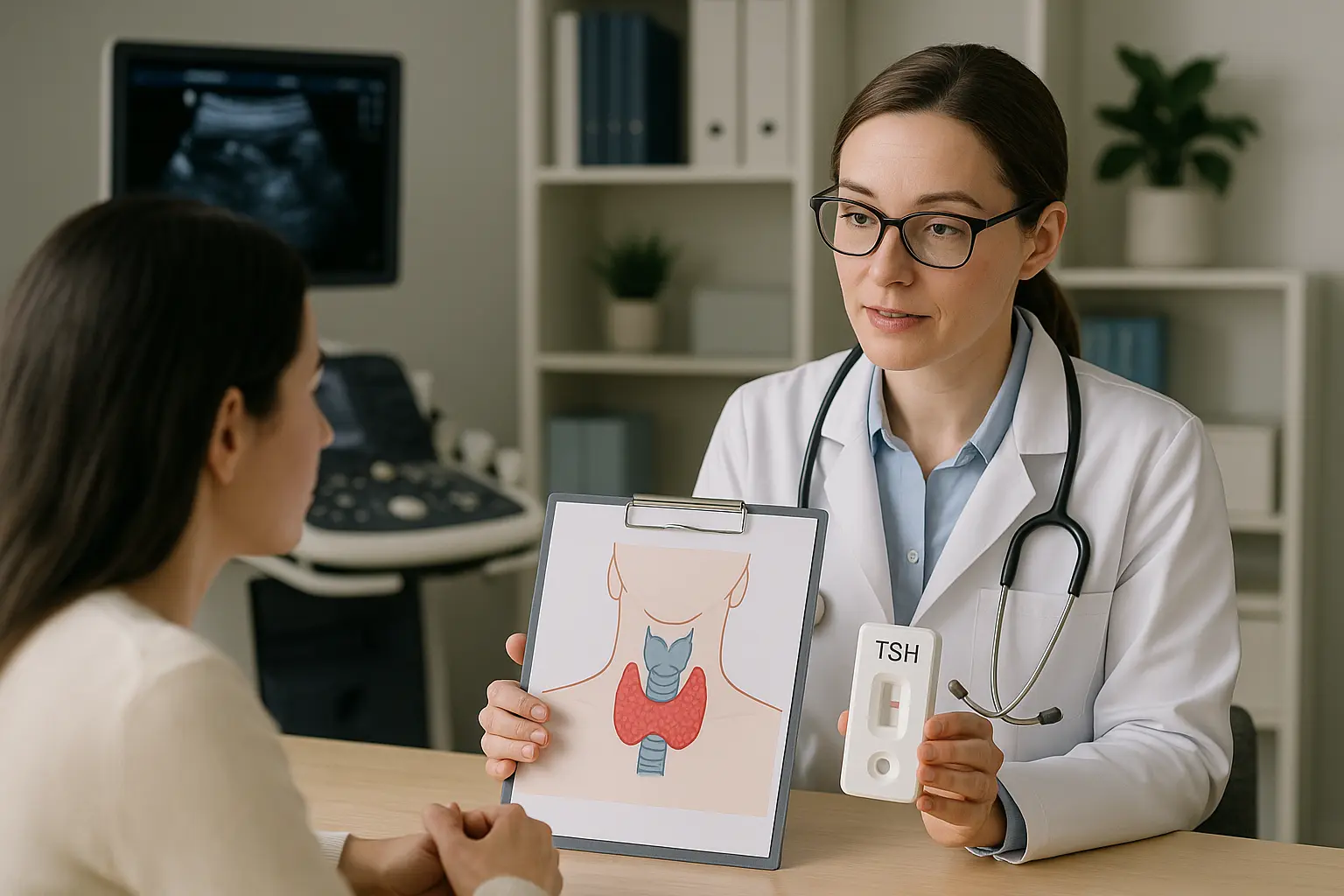
Hormone decline is one of the most significant but least discussed aspects of aging. After age 35, most people begin experiencing gradual declines in key hormones like testosterone, estrogen, progesterone, and growth hormone. This decline contributes to many symptoms people accept as "normal aging": fatigue, weight gain, mood changes, sleep problems, and reduced vitality.
Bioidentical hormone therapy offers a way to restore hormone levels to more youthful ranges using hormones that are molecularly identical to what your body produces naturally. Unlike synthetic hormones used in traditional hormone replacement therapy, bioidentical hormones are designed to work with your body's natural hormone receptors without the foreign chemical structures that can cause side effects.
But bioidentical hormone therapy isn't right for everyone, and it's not a magic solution for aging. Understanding the benefits, risks, and proper approach to hormone optimization is essential for making informed decisions about whether this therapy might be appropriate for your specific situation.
At Duluth Metabolic, we view hormone optimization as one component of comprehensive health optimization that includes nutrition, exercise, stress management, and addressing underlying health issues through biomarker testing and targeted interventions.
Understanding Hormones and Aging
Hormones are chemical messengers that control virtually every function in your body: metabolism, mood, sleep, sexual function, energy production, and immune responses. When hormone levels decline with age, multiple body systems can be affected simultaneously.
Natural hormone decline patterns:
- Growth hormone: Begins declining in the 20s, down 50% by age 50
- Testosterone: Decreases 1-2% per year after age 30 in men
- Estrogen: Sharp decline during menopause (usually 45-55)
- Progesterone: Often declines before estrogen in perimenopause
- Thyroid hormones: May decline with age, especially T3
- DHEA: Decreases steadily from peak levels in the 20s
These declines often happen gradually, so symptoms develop slowly and are attributed to "getting older" rather than hormone deficiency.
Common symptoms of hormone decline:
- Chronic fatigue and low energy
- Difficulty losing weight or unexplained weight gain
- Mood changes, irritability, or depression
- Sleep problems and insomnia
- Reduced sexual desire and function
- Brain fog and memory problems
- Hot flashes and night sweats (women)
- Loss of muscle mass and strength
- Joint stiffness and aches
- Dry skin and hair changes
Many of these symptoms overlap with other health conditions, which is why comprehensive evaluation is essential before considering hormone therapy.
Bioidentical vs. Synthetic Hormones
The key difference between bioidentical and synthetic hormones lies in their molecular structure:
Bioidentical hormones are molecularly identical to the hormones your body produces naturally. They're derived from plant sources (usually soy or wild yam) and modified in laboratories to match human hormone structure exactly.
Synthetic hormones have chemical structures that are similar to but not identical to human hormones. These modifications are often made to create patentable drugs, but they can cause the hormones to interact differently with your body's hormone receptors.
Examples of common hormone types:
- Estradiol (bioidentical) vs. Premarin (synthetic from horse urine)
- Progesterone (bioidentical) vs. Progestin (synthetic progestins like medroxyprogesterone)
- Testosterone (bioidentical) vs. Methyltestosterone (synthetic)
The molecular differences between bioidentical and synthetic hormones can affect how they're metabolized, their effectiveness, and their side effect profiles.
Benefits of Bioidentical Hormone Therapy
When appropriately prescribed and monitored, bioidentical hormone therapy can provide significant benefits:
Energy and vitality: Many people experience improved energy levels and overall sense of wellbeing when hormone levels are optimized.
Body composition: Proper hormone levels support muscle maintenance and healthy fat distribution, making weight management easier.
Sleep quality: Balanced hormones often lead to better sleep quality and more refreshing rest.
Mood stabilization: Hormone optimization can improve mood stability, reduce anxiety, and enhance overall emotional wellbeing.
Cognitive function: Many people report improved mental clarity, focus, and memory with hormone optimization.
Sexual health: Restoring appropriate hormone levels often improves libido and sexual function.
Bone health: Hormones like estrogen and testosterone are crucial for maintaining bone density.
Cardiovascular health: Some hormones may support heart health when used appropriately in certain populations.
Skin and hair: Hormone optimization often improves skin elasticity and hair quality.
Risks and Considerations
Like any medical intervention, bioidentical hormone therapy carries potential risks:
Individual variation: People respond differently to hormone therapy, and optimal doses vary significantly between individuals.
Monitoring requirements: Hormone therapy requires regular monitoring through blood tests and clinical evaluation.
Potential side effects: Even bioidentical hormones can cause side effects if doses are inappropriate or if therapy isn't suitable for the individual.
Cancer considerations: Some hormones may influence cancer risk, particularly estrogen in relation to breast and endometrial cancer.
Cardiovascular effects: Hormone therapy can affect blood clotting and cardiovascular risk in some individuals.
Interaction with medications: Hormones can interact with other medications and supplements.
Quality control: The source and quality of bioidentical hormones can vary between compounding pharmacies.
Who Might Be a Candidate
Bioidentical hormone therapy may be appropriate for:
Women experiencing perimenopause or menopause with significant symptoms affecting quality of life Men with clinically low testosterone and symptoms of andropause Individuals with documented hormone deficiencies confirmed through testing People who haven't achieved symptom relief through lifestyle optimization alone Those seeking to optimize aging and maintain vitality Individuals who haven't responded well to synthetic hormone replacements
Hormone therapy is generally not appropriate for people with:
- Active hormone-sensitive cancers
- Uncontrolled cardiovascular disease
- Active liver disease
- Unexplained vaginal bleeding
- History of blood clots (depending on specific circumstances)
Testing and Evaluation
Proper hormone therapy begins with comprehensive evaluation:
Symptom assessment: Detailed evaluation of symptoms, their timing, and impact on quality of life.
Comprehensive hormone testing: Measurement of multiple hormones, not just the obvious ones. This might include:
- Estradiol, estrone, and estriol (women)
- Progesterone
- Testosterone (total and free)
- DHEA-S
- Cortisol patterns
- Thyroid hormones (complete panel)
- Growth hormone and IGF-1
Timing considerations: Hormone levels can vary throughout the day and menstrual cycle, so timing of testing matters.
Additional biomarkers: Liver function, lipid profiles, inflammatory markers, and other indicators of health status.
Risk assessment: Evaluation of personal and family history for conditions that might be affected by hormone therapy.
Types of Bioidentical Hormone Therapy
Compounded hormones: Custom-made formulations prepared by specialty pharmacies based on individual prescriptions. Allows for personalized dosing and combinations.
FDA-approved bioidentical hormones: Commercial preparations of bioidentical hormones that have undergone FDA approval processes.
Delivery methods:
- Creams and gels: Applied topically, absorbed through skin
- Patches: Transdermal delivery with steady hormone release
- Pellets: Implanted under skin, provide steady hormone levels for months
- Oral capsules: Convenient but must pass through liver
- Sublingual tablets: Dissolve under tongue, bypass liver
- Injections: Direct delivery, often used for testosterone
Each delivery method has advantages and disadvantages in terms of convenience, absorption, and effects on the body.
Starting Hormone Therapy
Begin with comprehensive evaluation including symptoms, testing, and risk assessment Start with low doses and increase gradually based on response and follow-up testing Monitor closely during initial months with regular testing and symptom tracking Adjust based on response rather than targeting specific numbers alone Address lifestyle factors concurrently for optimal results
Monitoring and Adjustments
Successful hormone therapy requires ongoing monitoring:
Regular testing: Hormone levels should be checked regularly (usually every 3-6 months initially, then annually once stable)
Symptom tracking: Monitoring how you feel is as important as lab values
Side effect assessment: Watching for any adverse effects
Dose adjustments: Modifying doses based on response and testing
Periodic evaluation: Regular assessment of whether therapy is still appropriate and beneficial
Lifestyle Factors That Affect Hormone Therapy
Hormone therapy works best when combined with lifestyle optimization:
Nutrition: Proper nutrition provides building blocks for hormone production and supports hormone metabolism
Exercise: Exercise therapy naturally supports hormone production and sensitivity
Sleep: Quality sleep is essential for hormone production and regulation
Stress management: Chronic stress interferes with hormone balance and therapy effectiveness
Body composition: Excess body fat, especially visceral fat, can interfere with hormone metabolism
Environmental factors: Reducing exposure to endocrine disruptors supports hormone balance
Common Myths About Hormone Therapy
Myth: "Natural hormones are always safer than synthetic" Reality: Even bioidentical hormones carry risks and require proper monitoring
Myth: "Hormone therapy is only for severe symptoms" Reality: Some people benefit from optimization even with mild symptoms
Myth: "Once you start, you can never stop" Reality: Hormone therapy can be discontinued, though symptoms may return
Myth: "Hormone therapy causes cancer" Reality: The relationship is complex and depends on many factors including type of hormone, dose, duration, and individual risk factors
Myth: "Compounded hormones are unregulated" Reality: While not FDA-approved, reputable compounding pharmacies follow strict quality standards
Women and Hormone Therapy
Perimenopause: The transition period before menopause when hormone levels begin fluctuating. Symptoms can begin years before periods stop.
Menopause: Defined as 12 consecutive months without a period. Average age is 51, but can range from 40s to late 50s.
Post-menopause: The years following menopause when hormone levels remain consistently low.
Common approaches for women:
- Estrogen and progesterone combination therapy
- Estrogen alone (for women without a uterus)
- Bioidentical progesterone for sleep and mood support
- DHEA supplementation for energy and wellbeing
Men and Hormone Therapy
Andropause: The gradual decline in testosterone that occurs with aging in men, sometimes called "male menopause."
Low testosterone symptoms:
- Decreased energy and motivation
- Difficulty building or maintaining muscle
- Weight gain, especially around the midsection
- Reduced sexual desire and function
- Mood changes and irritability
- Sleep problems
Testosterone therapy considerations:
- Should only be used when levels are clinically low
- Requires monitoring of prostate health
- Can affect fertility
- May influence cardiovascular risk
Alternative Approaches to Hormone Optimization
Before or alongside hormone therapy, consider:
Nutritional support: Specific nutrients support hormone production and metabolism Adaptogenic herbs: May help balance stress hormones naturally Lifestyle optimization: Diet, exercise, sleep, and stress management Targeted supplementation: Based on individual needs and deficiencies Toxin reduction: Minimizing endocrine disruptors
Some people achieve significant improvement through these approaches without needing hormone replacement.
Working with Practitioners
Choose practitioners who:
- Have specific training in hormone optimization
- Use comprehensive testing rather than basic panels
- Understand both benefits and risks of hormone therapy
- Monitor therapy appropriately
- Consider lifestyle factors alongside hormones
- Are willing to adjust therapy based on your response
Cost Considerations
Hormone therapy costs can include:
- Initial comprehensive evaluation and testing
- Ongoing hormone prescriptions
- Regular monitoring and lab tests
- Follow-up appointments
- Additional supplements or treatments
Many insurance plans don't cover bioidentical hormone therapy, making it an out-of-pocket expense. However, many people find the investment worthwhile for improved quality of life.
Case Study: Linda's Hormone Journey
Linda, 52, experienced severe menopausal symptoms including hot flashes, insomnia, weight gain, and mood swings that significantly impacted her quality of life.
Initial evaluation revealed:
- Very low estradiol and progesterone levels
- Elevated cortisol from poor sleep
- Vitamin D deficiency
- High inflammatory markers
Treatment approach:
- Bioidentical estradiol and progesterone therapy
- Sleep optimization strategies
- Anti-inflammatory nutrition plan
- Stress management techniques
- Regular exercise program
Results after 6 months:
- Hot flashes eliminated
- Sleep quality dramatically improved
- Mood stabilized
- Lost 18 pounds
- Energy levels returned to normal
- Inflammatory markers improved
Long-term Considerations
Duration of therapy: Some people use hormone therapy for a few years during transition periods, while others choose longer-term optimization
Periodic evaluation: Regular assessment of continued need and benefit
Adjustment over time: Hormone needs may change as you age
Risk-benefit analysis: Ongoing evaluation of whether benefits outweigh risks
Exit strategies: Planning for if and when to discontinue therapy
Making the Decision
Consider hormone therapy if you:
- Have significant symptoms affecting quality of life
- Have documented hormone deficiencies
- Haven't achieved adequate symptom relief through lifestyle approaches
- Understand the risks and benefits
- Are willing to commit to monitoring and follow-up
Consider waiting if you:
- Haven't optimized lifestyle factors first
- Have contraindications to hormone therapy
- Are not willing to commit to proper monitoring
- Have unrealistic expectations about benefits
Bioidentical hormone therapy can be a valuable tool for addressing hormone imbalances and optimizing health as you age. When used appropriately with proper testing, monitoring, and lifestyle optimization, it can significantly improve quality of life and help maintain vitality throughout the aging process.
The key is working with knowledgeable practitioners who understand both the benefits and risks of hormone therapy and can guide you through the process safely and effectively.
Ready to explore whether bioidentical hormone therapy might be appropriate for your health goals? Contact us to discuss comprehensive hormone evaluation and personalized approaches to hormone optimization.