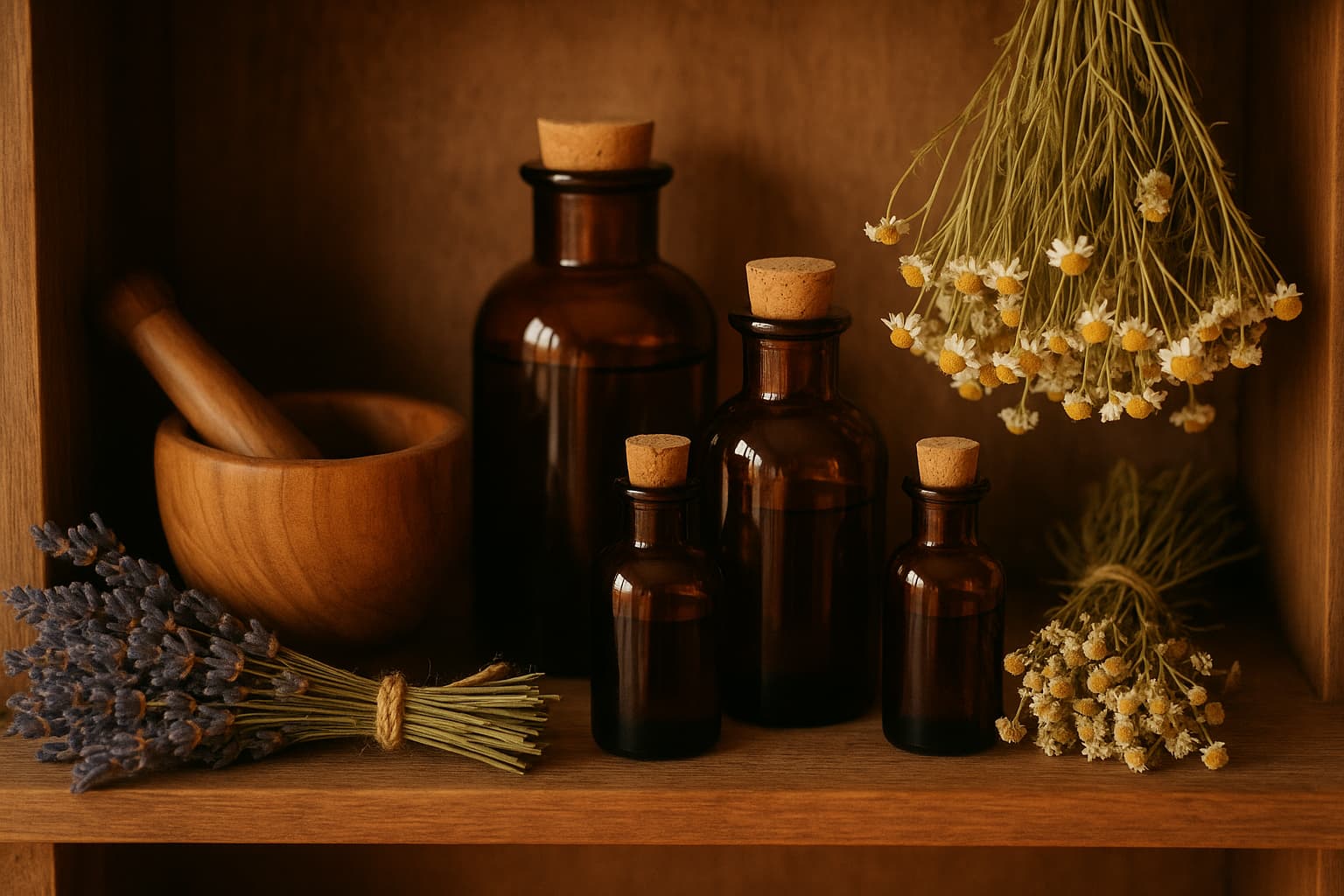
Plants, Science, and Common Sense
Herbal medicine occupies an interesting space. On one side, you have thousands of years of traditional use across virtually every culture on the planet. On the other, a modern supplement industry that sometimes makes claims that outrun the evidence. Somewhere in between is a useful middle ground: herbs and plant-based compounds that have genuine research behind them, practitioners who know how to use them thoughtfully, and local sources where you can find quality products.
Duluth has a quiet but real herbal medicine community. Herbalists, apothecaries, naturopathic practitioners, and natural product stores serve the Northland with products and knowledge rooted in both traditional use and modern research. If you're interested in incorporating plant-based wellness into your health routine, especially for metabolic health, this guide covers what's available locally and what the evidence actually supports.
Local Herbalists and Apothecaries
Anahata Herbals
Nestled in the Duluth hillside near Amity Creek, Anahata Herbals is the Northland's herbal dispensary. They carry organic, fair trade, and wild-crafted bulk herbs, essential oils, flower essences, and herbal extracts. Anahata sources carefully and serves both individuals and practitioners. Their products are also available at Whole Foods Co-op.
If you want to buy bulk herbs to make your own teas, tinctures, or preparations, Anahata is the place to go in Duluth. The staff can help you find what you're looking for and provide some guidance on traditional uses. Having a local apothecary means you can inspect and smell herbs before buying, ask questions, and avoid the quality uncertainty of random Amazon supplement purchases.
The Apothecary
The Apothecary is a compounding pharmacy that also carries a large selection of supplements, botanicals, homeopathics, nutraceuticals, and natural skin care products. They've been family-owned and operated since pharmacist Steve Anderson purchased the business in 1994.
What makes The Apothecary different from a standard pharmacy is their dual focus on compounding (custom-made medications tailored to individual needs) and natural products. The pharmacists there have experience recommending supplements and can help coordinate herbal products with prescription medications, which matters because herb-drug interactions are real and worth understanding.
If your naturopathic doctor or functional medicine practitioner recommends specific supplements, The Apothecary is often where local practitioners direct patients.
Whole Foods Co-op Supplement Department
Both Whole Foods Co-op locations carry supplements, vitamins, herbs, and natural health products. The Hillside and Denfeld stores have staff in the supplement section who can help you navigate options. The co-op tends to carry reputable brands and is selective about what they stock, which provides a basic quality filter that you don't get at big-box retailers.
The Vitamin Shoppe
Located in the Miller Hill area, The Vitamin Shoppe carries a wide range of supplements, vitamins, and herbal products. They have a larger selection than the co-op (it's their entire business) and staff who specialize in product knowledge.
Evidence-Based Herbs for Metabolic Health
Here's where we separate the useful from the speculative. These are herbs and plant compounds that have clinical research supporting their use for metabolic health, not just traditional reputation.
Berberine
Berberine is an alkaloid found in several plants including goldenseal, Oregon grape, and barberry. It's one of the most well-studied natural compounds for metabolic health, with research showing effects on blood sugar regulation, insulin sensitivity, and lipid profiles that rival some pharmaceutical medications.
A meta-analysis of 27 randomized controlled trials found that berberine significantly reduced fasting blood glucose, HbA1c, triglycerides, and LDL cholesterol while increasing HDL cholesterol. The mechanism involves AMPK activation, which is the same cellular energy pathway targeted by metformin.
Typical dosing is 500 mg two to three times daily with meals. Berberine can interact with certain medications, particularly those metabolized by CYP3A4 liver enzymes, so tell your healthcare provider if you're taking it. Gastrointestinal side effects (stomach discomfort, cramping, diarrhea) are the most common issue and usually improve with time or dose adjustment.
Berberine is available at Whole Foods Co-op, The Vitamin Shoppe, and The Apothecary. Look for brands that provide standardized berberine HCl with third-party testing.
Ashwagandha (Withania somnifera)
Ashwagandha is an adaptogen, meaning it helps the body manage stress. The research supports its use for reducing cortisol levels, improving thyroid function, and supporting sleep quality. Because cortisol elevation drives insulin resistance, visceral fat storage, and metabolic dysfunction, anything that helps normalize the stress response has downstream metabolic benefits.
Clinical trials have shown that ashwagandha (particularly the KSM-66 and Sensoril extracts) reduces cortisol by 11 to 32% compared to placebo. Studies have also shown improvements in TSH and T4 levels in people with subclinical hypothyroidism, though this means it should be used carefully (and with monitoring) in people with thyroid conditions.
For metabolic health, ashwagandha's value is primarily in stress management and hormonal support rather than direct blood sugar effects. It's a reasonable addition for people dealing with chronic stress, fatigue, or sleep disruption that's affecting their metabolic health.
Curcumin (from Turmeric)
Curcumin is the active compound in turmeric. Its anti-inflammatory properties are extensively researched, with studies showing effects on multiple inflammatory pathways (NF-kB, COX-2, TNF-alpha, IL-6). Since chronic inflammation drives insulin resistance and metabolic dysfunction, curcumin's anti-inflammatory action has metabolic relevance.
The challenge with curcumin is absorption. Standard turmeric powder is poorly absorbed by the gut. Bioavailability-enhanced formulations (using piperine, phospholipid complexes like Meriva, or nanoparticle technology) absorb dramatically better. If you're taking turmeric capsules without an absorption enhancer, you're probably not getting much benefit.
Research has shown that curcumin supplementation can reduce fasting blood glucose, HbA1c, and inflammatory markers in people with metabolic syndrome or type 2 diabetes. The effects are modest compared to berberine but meaningful as part of a broader protocol.
Cinnamon (Cinnamomum cassia)
Ceylon cinnamon and cassia cinnamon have both been studied for blood sugar effects. The research is mixed but generally positive for modest blood sugar reduction, particularly in people with type 2 diabetes or pre-diabetes. Cinnamon appears to work by improving insulin receptor sensitivity and slowing gastric emptying.
One to six grams per day of cassia cinnamon has been used in studies showing benefits. Ceylon cinnamon is preferable for long-term use because cassia contains higher levels of coumarin, which can be harmful to the liver in large amounts over time.
Cinnamon is the easiest metabolic herb to incorporate because you can just add it to food: coffee, oatmeal, smoothies, roasted vegetables. It won't replace medication, but as a daily dietary addition, the research supports a modest blood sugar benefit.
Fenugreek
Fenugreek seeds contain a soluble fiber called galactomannan that slows carbohydrate absorption and improves insulin sensitivity. Multiple clinical trials have shown significant reductions in fasting blood glucose and HbA1c with fenugreek supplementation.
Fenugreek is available as a seed (which can be soaked and consumed), powder, or capsule. The most common side effect is a maple syrup-like odor in sweat and urine, which is harmless but surprising if you're not expecting it.
Milk Thistle (Silybum marianum)
Milk thistle's active compound, silymarin, is best known for liver support. Given that the liver is central to glucose metabolism, fat metabolism, and detoxification, supporting liver function has indirect metabolic benefits. Research has shown that silymarin can improve insulin resistance and reduce HbA1c in people with type 2 diabetes, likely through its effects on liver function and inflammation.
Gymnema Sylvestre
Called "gurmar" in Hindi (meaning "sugar destroyer"), gymnema has been used in Ayurvedic medicine for diabetes management for centuries. Modern research shows that gymnemic acids reduce sugar absorption in the gut and may support pancreatic beta cell function. It's interesting as a supplementary tool for blood sugar management, though the evidence base is smaller than for berberine.
Adaptogens for Stress and Energy
Beyond ashwagandha, several adaptogenic herbs are relevant to metabolic health through their effects on stress response and energy.
Rhodiola Rosea
Rhodiola grows in cold, mountainous regions (it would probably feel right at home on the North Shore). Research supports its use for fatigue, stress resilience, and cognitive function. For people dealing with chronic fatigue or burnout-pattern symptoms, rhodiola can provide meaningful support while underlying metabolic issues are being addressed.
Eleuthero (Siberian Ginseng)
Eleuthero is an adaptogen with research supporting its use for endurance, stress tolerance, and immune function. It's milder than some adaptogens and well-tolerated long-term.
Maca (Lepidium meyenii)
Maca root, from the Peruvian Andes, has research supporting its use for energy, libido, and hormonal balance. Studies in men have shown improvements in sexual function and mood. In women, maca has shown benefits for menopausal symptoms. The evidence for direct metabolic effects is limited, but its hormonal support makes it relevant for people whose metabolic issues have a hormonal component.
Quality Matters
The supplement industry is largely self-regulated, which means quality varies enormously. A 2015 study by the New York Attorney General found that many store-brand herbal supplements contained little or none of the labeled ingredient. Third-party testing by organizations like ConsumerLab, NSF International, and USP helps, but the burden of quality verification often falls on the consumer.
Here's how to improve your odds of getting what you're paying for:
Buy from reputable sources. Local businesses like The Apothecary, Anahata Herbals, and Whole Foods Co-op tend to carry quality brands. Staff at these shops can usually tell you about the brands they carry and why.
Look for third-party testing. Brands that display NSF, USP, or ConsumerLab seals have undergone independent verification. GMP (Good Manufacturing Practice) certification is a minimum standard.
Choose standardized extracts when the evidence supports them. For curcumin, look for Meriva or Longvida. For ashwagandha, KSM-66 or Sensoril. These are the specific forms used in clinical trials, so they're the ones we know work.
Be skeptical of miracle claims. If a supplement promises to cure everything, it probably cures nothing. The evidence-based herbs listed in this guide have specific, modest, well-documented effects. They're tools, not magic.
Tell your healthcare providers what you're taking. Herb-drug interactions are real. Berberine interacts with statins and other medications. St. John's Wort interferes with dozens of drugs. Ashwagandha can affect thyroid medication dosing. Your doctor and pharmacist need this information.
Where Herbal Medicine Fits in Metabolic Health
Herbs are tools, not foundations. The foundation of metabolic health is nutrition, exercise, sleep, and stress management, measured and optimized with biomarker testing and CGM monitoring. Herbs can enhance and support that foundation, but they can't replace it.
Where herbs are most useful:
- Berberine for blood sugar support alongside dietary changes
- Ashwagandha for stress management alongside lifestyle modifications
- Curcumin for inflammation alongside an anti-inflammatory diet
- Adaptogens for energy and resilience alongside sleep optimization
Where herbs don't belong:
- As a substitute for addressing root causes
- As a way to avoid necessary dietary changes
- Unsupervised alongside prescription medications
- In megadoses based on the assumption that more is better
At Duluth Metabolic, we use biomarker data to determine whether supplementation makes sense and what specifically to target. We don't recommend supplements by default. We recommend them when the data shows a need and the evidence supports the intervention.
If you're interested in exploring how herbal medicine might fit into a comprehensive metabolic health plan, get in touch. We can review your labs, assess your current supplements, and help you make informed decisions about what's worth taking and what's just expensive urine.