Continuous Glucose Monitoring (CGM)
Real-time glucose data that transforms how you eat, move, and manage your health
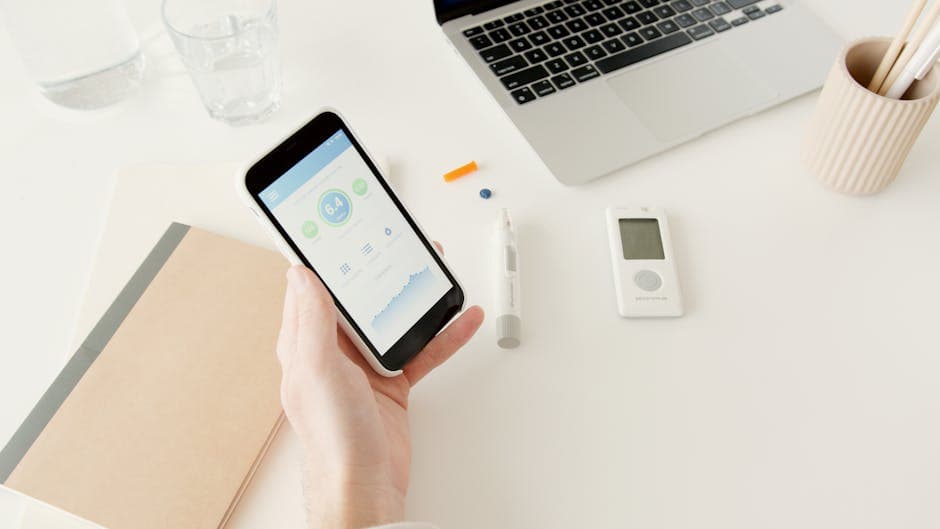
See How Your Body Responds in Real Time
Continuous Glucose Monitoring is one of the most powerful tools in metabolic health. Originally developed for diabetics, CGM is now being used by health-conscious people who want to understand how their body processes food, responds to exercise, and manages energy throughout the day.
Instead of guessing which foods are "healthy" based on generic advice, CGM shows you exactly what happens in your body after every meal. The results are often surprising. And the insights are game-changing for weight loss, energy optimization, and diabetes prevention or reversal.
How CGM Works
A small sensor about the size of a quarter is applied to the back of your upper arm with a simple, nearly painless applicator. The sensor has a tiny filament that sits just under the skin and measures glucose levels in your interstitial fluid every few minutes.
Data transmits wirelessly to your smartphone through an app. You see your glucose levels in real time, along with trend arrows showing which direction your blood sugar is heading. The sensor is waterproof, stays on during exercise and sleep, and lasts 10-14 days before replacement.
Why Non-Diabetics Are Using CGM
You don't need to have diabetes to benefit from glucose monitoring. In fact, some of the biggest benefits come from catching metabolic dysfunction before it becomes diabetes.
Many people walking around with "normal" fasting glucose actually have significant glucose spikes after meals that their standard blood work never reveals. These post-meal spikes drive insulin resistance, promote fat storage, cause energy crashes, and accelerate metabolic aging.
CGM catches these patterns. It shows you the hidden metabolic dysfunction that standard testing misses and gives you the data to fix it before it becomes a serious problem.
What CGM Reveals
- How different foods affect your blood sugar (individual responses vary dramatically)
- Optimal meal timing and eating windows for stable glucose
- Post-meal glucose spikes and how quickly your body recovers
- Overnight glucose stability and morning dawn phenomenon
- How exercise affects glucose regulation and which types are most effective
- How stress and poor sleep impact your metabolic health
- Personal glucose response to fasting
- Time spent in optimal glucose ranges (70-120 mg/dL)
CGM for Weight Loss
CGM is increasingly popular as a weight loss tool, and for good reason. When you can see in real time which foods spike your blood sugar and which ones keep it stable, you naturally gravitate toward choices that promote fat burning rather than fat storage.
High glucose spikes trigger high insulin responses. High insulin tells your body to store fat and prevents you from accessing stored fat for energy. By eating in a way that keeps glucose stable, you keep insulin low and allow your body to burn fat effectively.
We've seen clients completely change their relationship with food through CGM data. They stop following generic diet rules and start eating based on their body's actual responses. That personalization is what makes the difference between struggling with weight loss and seeing it happen naturally.
Using CGM Data for Optimization
We review your CGM data during weekly coaching sessions, looking for patterns and opportunities to optimize your nutrition plan. You'll learn which foods to emphasize, which to avoid or modify, how to pair foods to reduce glucose spikes, and how to time meals for optimal metabolic function.
Most clients wear CGM for 1-3 months initially to establish patterns and build personalized nutrition strategies. After that, periodic CGM check-ins verify that your metabolic health is on track and help refine your approach as your metabolism improves.
CGM Without a Diabetes Diagnosis
Insurance companies generally won't cover continuous glucose monitors unless you have a confirmed diabetes diagnosis. That means the people who would benefit most from CGM — those with early insulin resistance, unexplained weight gain, or energy crashes — can't access it through the traditional system.
Our cash-pay model makes CGM available to anyone who wants to understand their glucose patterns, regardless of diagnosis. No preauthorization. No diagnosis code required. Just data that helps you make better decisions about your health. <a href="/resources/cash-pay-healthcare-model">Learn how our cash-pay approach opens up treatment options that insurance restricts</a>.
Frequently Asked Questions
Do I need a prescription for CGM?
In most cases, yes. As part of our program, we handle the prescription and supply of CGM sensors. You don't need to navigate the prescription process on your own.
Does it hurt?
The application involves a quick, brief pinch. Most people are surprised by how painless it is. Once applied, you don't feel the sensor during normal activities.
Can I exercise and shower with it?
Yes. CGM sensors are waterproof and stay on during exercise, swimming, and showering. Most people forget they're wearing one after the first day.
How is this different from a finger-stick glucose meter?
A finger stick gives you a single number at one point in time. CGM gives you continuous data showing trends, patterns, and your body's response to everything you eat and do. It's like the difference between a snapshot and a movie.
Will my insurance cover CGM for weight loss?
Insurance typically only covers CGM for diagnosed diabetics. As a cash-pay clinic, we provide CGM at a transparent cost as part of our metabolic programs.
Conditions This Treatment Helps
This treatment is effective for managing and improving various metabolic conditions.

Type 2 Diabetes & Insulin Resistance
Weight Management & Obesity

Chronic Fatigue & Low Energy
Hormone Imbalance & Thyroid Support
Start CGM Monitoring
Contact us to learn how this treatment can be part of your personalized metabolic health program.
Get Started