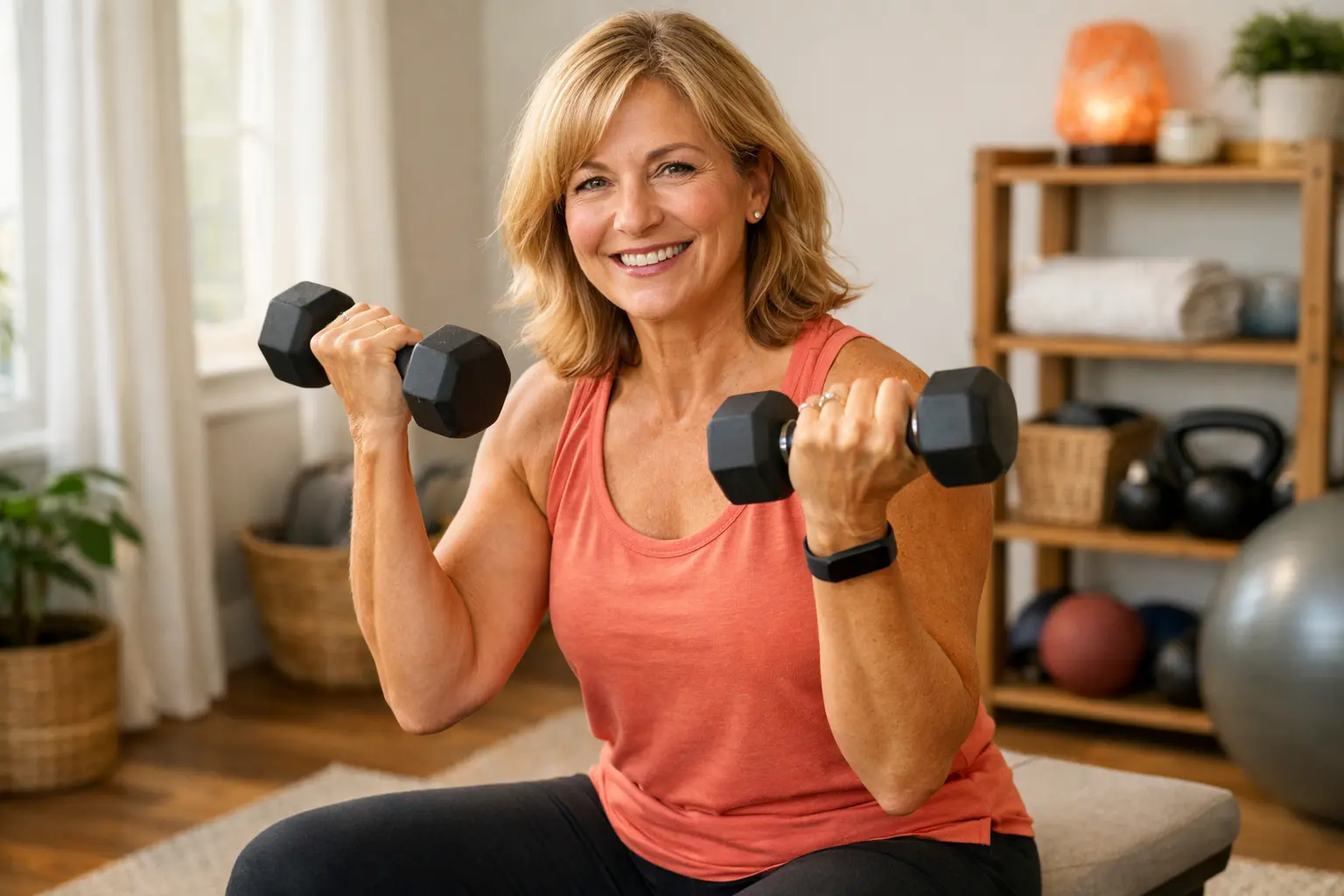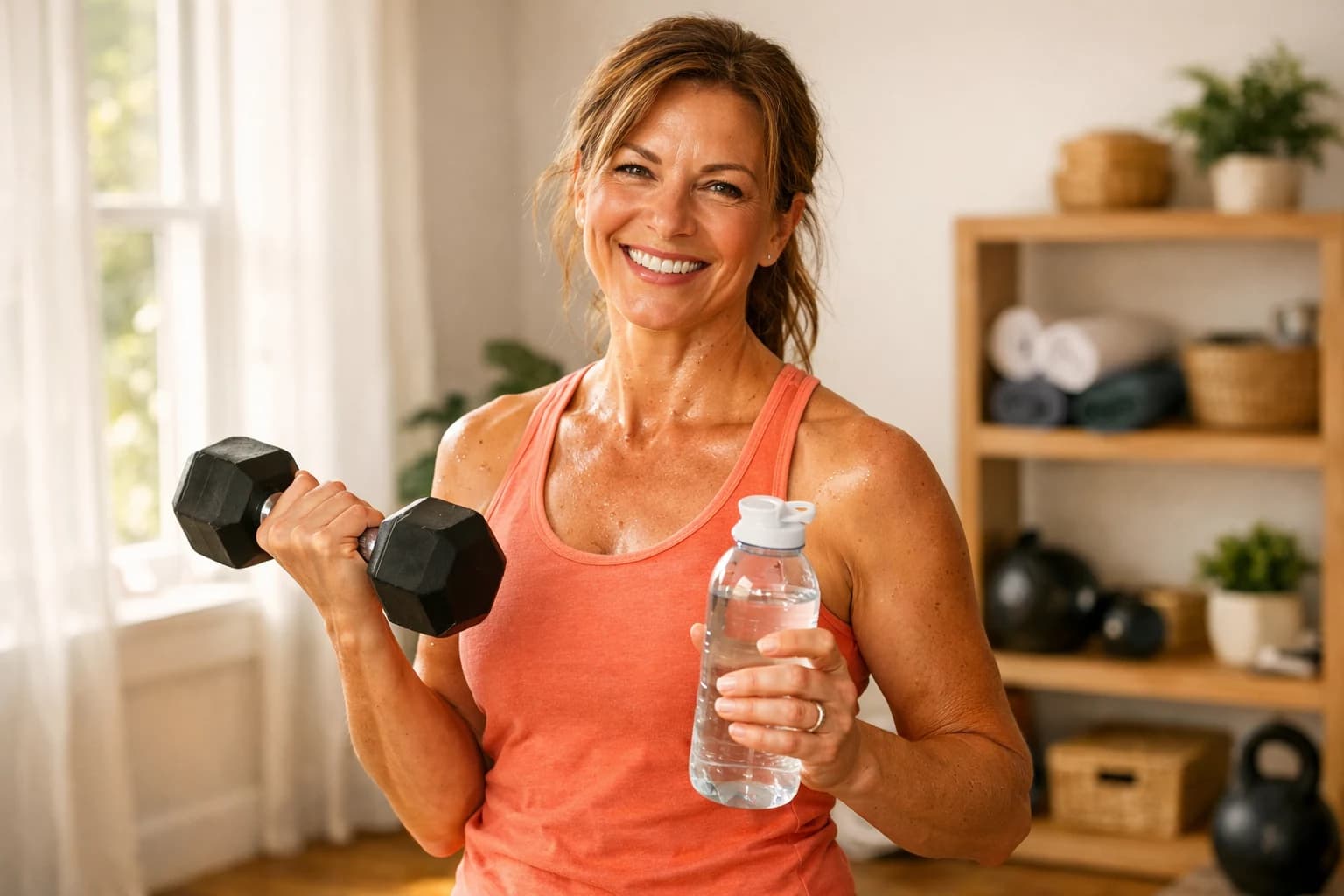
Interest in creatine for women over 40 has exploded, and honestly, it makes sense. A lot of women hit their 40s and start noticing changes that feel unrelated at first. Workouts feel harder to recover from. Muscle seems easier to lose. Belly fat shows up faster. Sleep gets less reliable. Brain fog gets more familiar. The old tricks stop working.
Then creatine shows up all over social media.
Some of that attention is overhyped, but the core idea is not nonsense. Creatine is one of the better-studied supplements in sports nutrition, and it is finally getting more attention for women in perimenopause and menopause. The real question is not whether it is trendy. The question is whether it fits your actual goals and health picture.
At Duluth Metabolic, we care about tools that support strength, energy, and long-term metabolic health. For some patients, creatine can absolutely be part of that conversation. It is not magic. It is not a replacement for lifting, eating enough protein, or dealing with hormone and stress issues. But it can be useful.
Why creatine for women over 40 is suddenly everywhere
For a long time, creatine was treated like a supplement for young men trying to get bigger in the gym. That reputation stuck even though the underlying biology is not limited to bodybuilders.
Creatine helps the body regenerate ATP, which is a quick form of cellular energy. Tissues that need rapid energy, especially muscle and brain tissue, use that system heavily.
That matters more in midlife than many women realize.
After 40, and especially through perimenopause and menopause, women often deal with:
- gradual muscle loss
- lower recovery capacity
- more insulin resistance
- reduced training tolerance
- rising risk for bone loss
- more fatigue and cognitive fog
- shifts in sleep, mood, and body composition
Those changes are not all caused by low creatine, of course. But they do create a stage of life where support for muscle and energy systems becomes more relevant.
That is why creatine for women over 40 has moved from a fringe gym topic into mainstream menopause conversations.
What creatine actually does
Creatine is a naturally occurring compound made from amino acids. Your body makes some on its own, and you also get some from animal foods like meat and fish. Most creatine is stored in skeletal muscle, with smaller amounts in the brain and other tissues.
Supplementing creatine can increase the amount available in those tissues.
In practical terms, that may help support:
- high-effort muscular work
- training volume and recovery
- lean mass retention
- strength gains when combined with resistance exercise
- some aspects of cognition and mental fatigue
That is why creatine is better understood as a support tool. It helps your body perform and adapt better, especially when you are also doing the right things with training and nutrition.
Why creatine for women over 40 may matter more than it does for younger women
This is where the topic gets especially relevant.
Midlife women are often trying to solve problems that all point back to the same handful of systems: muscle, hormones, insulin sensitivity, sleep, and recovery.
Muscle becomes easier to lose
Women can start losing lean mass well before menopause is fully underway. If you are dieting often, eating too little protein, or avoiding resistance training, that process speeds up.
This matters because muscle is not just for aesthetics. It supports glucose control, functional strength, joint stability, and resting metabolic health. Our articles on protein requirements over 40 and exercise as medicine go deeper on that.
Metabolism becomes less forgiving
Lower muscle mass, stress, poor sleep, and changing hormones can all make weight gain easier. That does not mean your metabolism is broken forever. It does mean the old strategy of eating less and doing more cardio usually stops working.
Brain fog becomes a real complaint
Many women in perimenopause say the physical changes are frustrating, but the cognitive changes scare them more. Forgetting words, losing mental sharpness, and feeling flat or foggy is a real quality-of-life issue.
Recovery gets slower
A workout that used to feel energizing can suddenly leave you drained for two days. That often drives women away from strength training right when they need it most.
When you look at all of that together, it becomes easier to see why creatine keeps coming up.
The biggest benefits people hope for from creatine for women over 40
The evidence is strongest around muscle performance and lean mass support, especially when creatine is paired with resistance training. That is the most important place to start.
Strength and lean mass support
If you are lifting weights, doing bodyweight work, or following a structured exercise therapy plan, creatine may help you train a little harder and recover a little better. Over time, that can support more lean mass and better strength outcomes.
That matters for women trying to avoid musculoskeletal weakness, protect bone, or feel more capable in daily life.
Better support during perimenopause and menopause
Hormone shifts in midlife can make training feel less rewarding. Creatine does not fix hormone imbalance by itself, but it may help women stay more consistent with strength work during a life stage when consistency matters a lot.
If menopause symptoms are part of your picture, our guide to menopause and metabolic health is a good companion read.
Possible cognitive and fatigue support
This area is still developing, but it is one reason the topic has grown quickly. Because the brain uses a lot of energy, researchers have become more interested in whether creatine may support cognition, mental fatigue, or brain function in specific situations.
The evidence here is not as settled as it is for strength. Still, it is reasonable to say that many women are interested in creatine for more than the gym.
Bone and aging support
Creatine is not a bone supplement in the way calcium or vitamin D often get discussed, but it may indirectly support bone health by helping women maintain strength training and lean mass. That matters because muscle and bone health tend to rise and fall together.
For women worried about bone loss, building bone density after 50 is worth reading too.
What creatine for women over 40 does not do
This part is just as important.
Creatine is not a fat burner. It does not replace protein. It does not correct sleep deprivation. It does not fix chronic stress. It does not make up for never lifting anything challenging. And it is not a cure for hormone imbalance.
It also does not mean you will instantly gain bulky muscle.
That fear keeps some women away from both creatine and strength training, and it is usually based on old stereotypes, not real life. Most women over 40 are not accidentally going to wake up looking like a bodybuilder because they added a few grams of creatine to a smoothie.
Is creatine for women over 40 safe?
For most healthy adults, creatine monohydrate has a strong safety record.
That said, "safe for most people" is not the same as "right for every single person without questions."
It is smart to talk through it if:
- you have known kidney disease
- you are pregnant or breastfeeding
- you take medications that affect kidney function or hydration
- you have a more complex medical picture and want your supplement plan reviewed alongside labs
For everyone else, the most common issues are pretty ordinary. Some women notice temporary GI upset if they take too much too fast. Some notice a little water retention early on. That is usually intracellular water in muscle tissue, not the same thing as body fat gain.
If you are somebody who already feels inflamed, puffy, or frustrated with the scale, that distinction matters. A slight bump in scale weight early on does not necessarily mean creatine is "making you gain weight" in the way most people fear.
How to take creatine for women over 40
The simplest answer is usually the best one.
Creatine monohydrate is the form with the most research behind it. Many women do fine with a steady daily dose instead of worrying about aggressive loading phases.
A basic approach often looks like this:
- take it daily
- stay consistent
- pair it with resistance training if possible
- drink enough water
- give it time instead of judging it after three days
The women who tend to benefit most are not the ones chasing hacks. They are the ones who combine creatine with protein, lifting, walking, sleep work, and actual consistency.
This is also where nutrition coaching can help. Supplements work better when the foundation is solid.
Who should consider creatine for women over 40
It can be a reasonable conversation if you:
- want to preserve or build strength
- are starting or already doing resistance training
- want better recovery from workouts
- are noticing age-related muscle loss
- are in perimenopause or menopause and want more support for body composition and function
- are trying to stay active, steady, and resilient as you age
It may be especially appealing if you feel stuck between wanting to get stronger and feeling like your body is not responding the way it used to.
Who may not need it right now
Not everybody needs another supplement.
If you are sleeping five hours, skipping meals, avoiding protein, never strength training, and living in survival mode, creatine is not the first domino to focus on. You may still choose to use it, but the bigger wins are probably elsewhere.
Sometimes the better first move is cleaning up the basics, checking labs through biomarker testing, and building a plan that supports energy in the first place.
FAQ: creatine for women over 40
Does creatine for women over 40 help with weight loss?
Not directly. Creatine is not a fat-loss supplement. But if it helps you train harder, preserve lean mass, and recover better, it can support the kind of body composition changes that matter long term.
Will creatine make me bulky?
No, not in the way most women fear. It may support strength and muscle retention, which is usually a good thing in midlife.
Is creatine for women over 40 only useful if I lift weights?
That is where the strongest benefit tends to show up. Some women are interested in cognitive or fatigue support too, but resistance training makes the case stronger.
What form of creatine is best?
Creatine monohydrate is usually the best starting place because it is well studied and widely used.
Can creatine help in menopause?
It may help support muscle, training tolerance, and possibly cognition during perimenopause and menopause. It is not a hormone treatment, but it can be part of a broader support plan.
Midlife is a great time to get stronger on purpose
The best reason to consider creatine for women over 40 is not that it is trendy. It is that midlife is often the point when women finally realize they need a plan built around strength, muscle, recovery, and long-term function instead of endless restriction.
Creatine may be one useful piece of that plan. Not the whole thing. Just one piece.
If you want help figuring out whether creatine, better nutrition, strength work, or deeper metabolic testing makes the most sense for you, contact Duluth Metabolic. We can help you build a plan that supports energy, resilience, and health for the long haul.