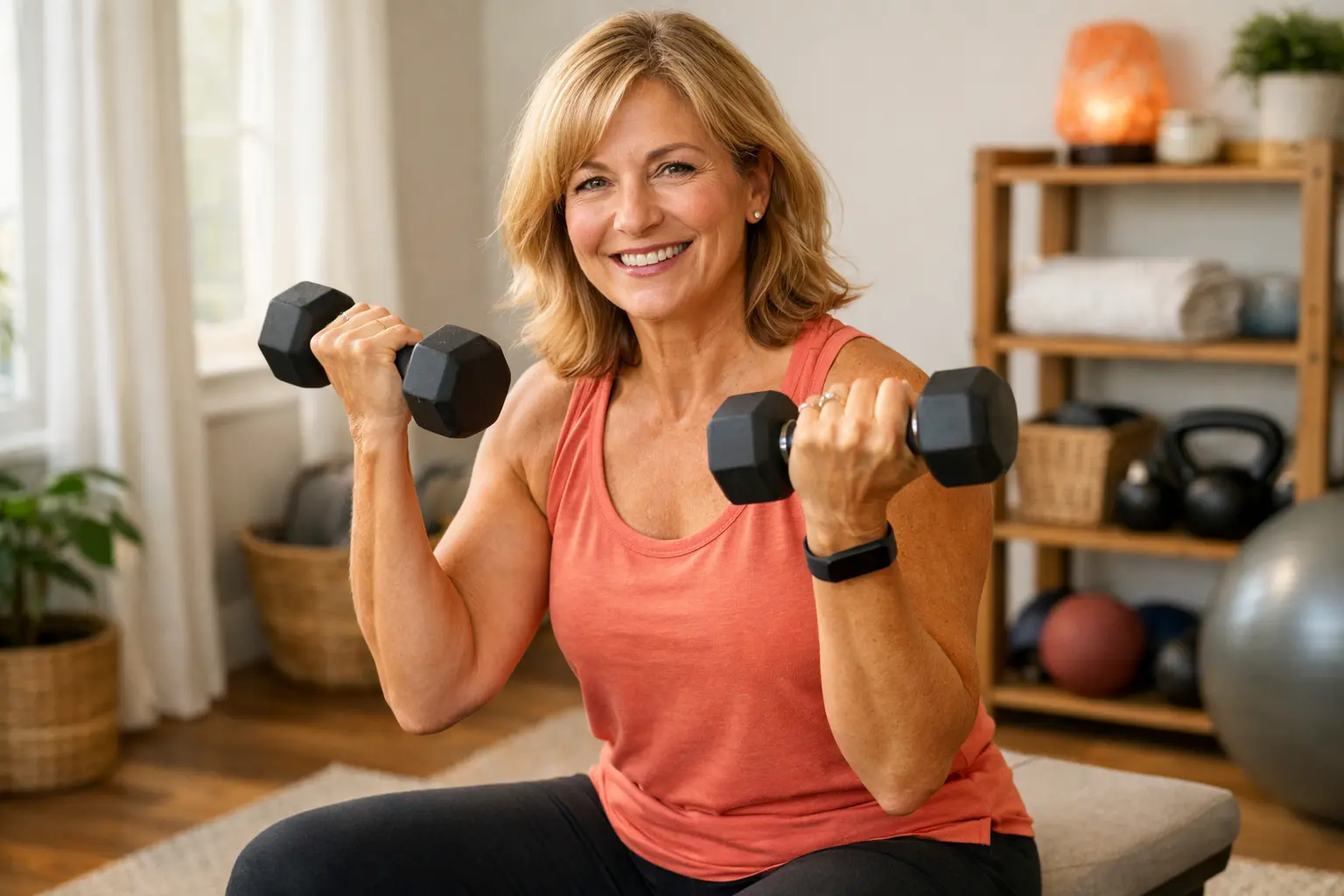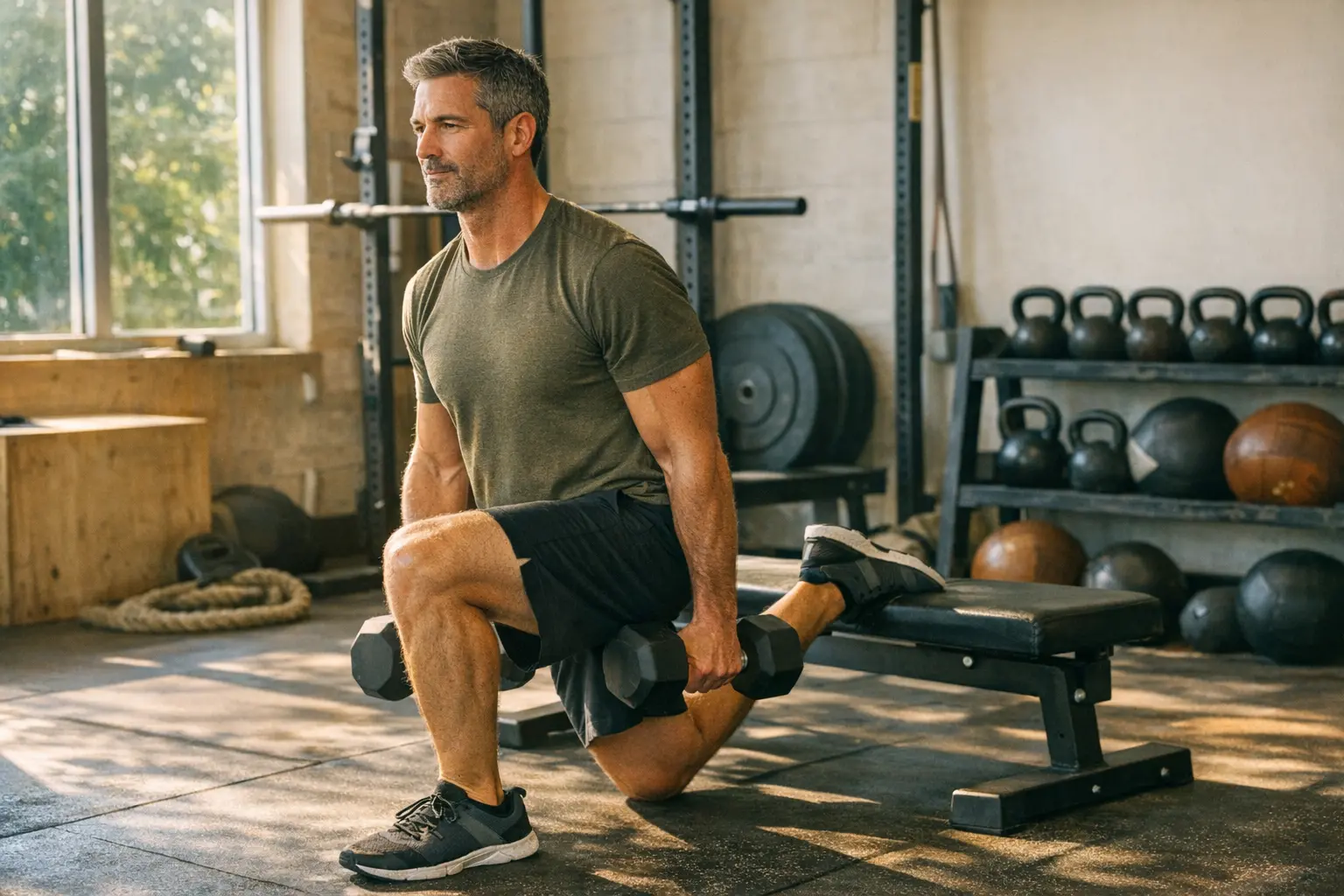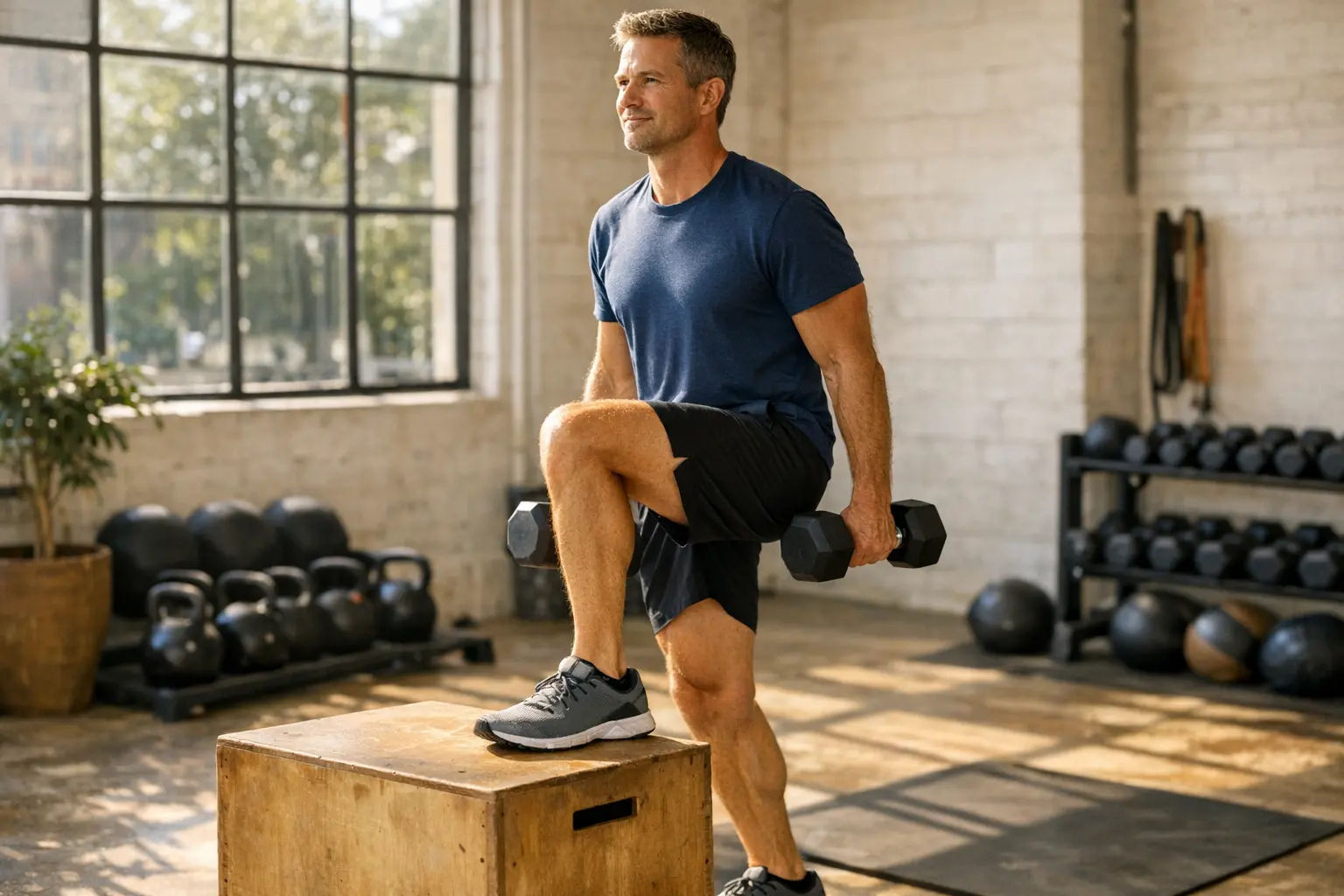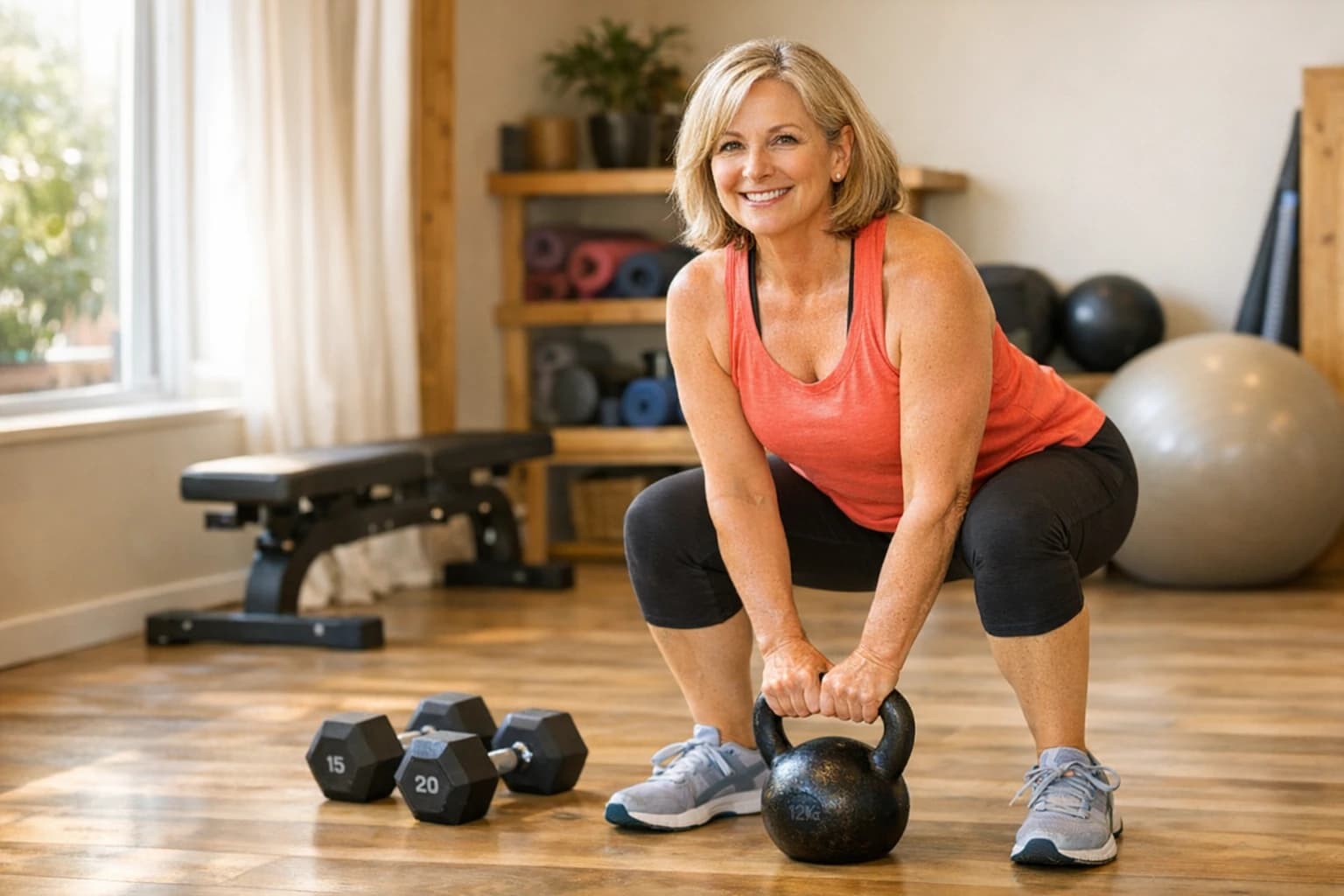
If you are looking for functional fitness over 50 in Duluth MN, you probably do not want to train for a bodybuilding show. You want to feel stronger in your actual life.
You want stairs to feel easier. You want to carry groceries without tweaking your back. You want better balance on icy sidewalks, more confidence getting up off the floor, and enough strength to hike, travel, garden, paddle, or keep up with your grandkids without paying for it for three days.
That is exactly where functional fitness makes sense.
At Duluth Metabolic, we think exercise should help people live better, not just burn calories. That matters even more after 50, when muscle loss, bone loss, and joint stiffness can start quietly shrinking what feels easy. If you want a broader foundation first, read functional training for beginners over 40, strength training over 60 in Duluth, MN, beginner strength training over 50 in Duluth, MN, and exercise as medicine.
What functional fitness over 50 in Duluth MN actually means
Functional fitness is strength and movement training built around the patterns your body uses in real life.
That includes:
- squatting down and standing back up
- hinging to pick something up
- carrying weight safely
- climbing stairs or hills
- reaching overhead
- getting on and off the floor
- keeping your balance when the ground is uneven or slippery
That is a much better target than random workouts that leave you sweaty but do not improve much outside the gym.
A good functional fitness over 50 in Duluth MN plan should make daily life easier. It should also help support musculoskeletal weakness, protect against osteoporosis, and support better long-term weight management.
Why functional fitness matters more after 50
After 50, the conversation changes a little.
You can absolutely still build muscle and strength. In fact, plenty of adults make some of their best progress in their fifties and sixties. But if you do nothing, your body usually becomes less forgiving.
Muscle mass tends to decline. Power drops. Balance can get shakier. Recovery takes more intention. And if you already spend long hours sitting, your body starts adapting to that version of life.
That is why functional training matters so much. It helps protect the things people actually miss when they are gone.
- confidence moving through the day
- resilience when life gets physical
- steady energy
- stronger bones and joints
- less fear around stairs, trails, snow, and awkward lifting
This is especially relevant in Duluth, where winter footing is not theoretical and outdoor life is part of what many people want to keep enjoying.
The biggest mistake people make with functional fitness over 50 in Duluth MN
They assume the only two choices are doing almost nothing or training like a maniac.
A lot of adults over 50 have been burned by one of those extremes. They were told to just walk and take it easy forever, or they jumped into intense classes that beat up their knees, shoulders, or back.
The better path is progressive, sensible strength training.
You do not need chaos. You need enough challenge to create adaptation and enough control to recover from it.
What a smart functional fitness routine looks like
A solid functional fitness over 50 in Duluth MN routine usually includes four buckets.
Strength
This is the foundation.
Think squats to a box, deadlift patterns, rows, presses, loaded carries, step-ups, and supported lunges. These movements build the kind of strength you actually use.
Balance and coordination
Single-leg work, step patterns, carries, and controlled transitions matter. Balance is trainable.
Mobility where you need it
You do not need a one-hour stretching routine. You do need enough ankle, hip, thoracic spine, and shoulder mobility to move well.
Conditioning that supports the rest of your life
Walking, biking, rowing, easy intervals, hiking, and circuits can all work. The goal is not to redline yourself every session.
A weekly functional fitness plan that fits real life
A lot of top-ranking content on this topic either stays too general or turns into a complex weekly split. Most adults want something more usable.
A very workable structure is:
- two or three strength sessions per week
- walking on most days
- one or two short mobility sessions
- optional recreational movement like hiking, paddling, or biking
That is enough to change a lot.
Example week
Monday: full-body strength
Tuesday: 20 to 30 minute walk and 10 minutes of mobility
Wednesday: full-body strength
Thursday: easy walk or recovery day
Friday: full-body strength or shorter strength circuit
Saturday: outdoor activity, light hike, or longer walk
Sunday: rest
If that feels simple, good. Simple is what people repeat.
A sample functional fitness workout over 50
Here is an example of the kind of session that helps many adults.
- box squat or goblet squat, 3 sets of 6 to 8
- kettlebell deadlift or hinge pattern, 3 sets of 6 to 8
- one-arm row, 3 sets of 8 to 10 per side
- incline push-up or dumbbell press, 3 sets of 8 to 10
- farmer carry, 3 rounds of 20 to 40 yards
- step-up, 2 to 3 sets of 6 to 8 per leg
- easy bike, row, or walk for 8 to 12 minutes
That is not flashy, but it is effective.
If you are completely new, our guides on low-impact workouts for beginners over 40, bodyweight workouts for beginners over 40, and resistance band workouts for beginners over 40 can help you start with even less friction.
What if your knees, back, or shoulders are already cranky?
That is common, and it does not mean you are disqualified.
Most people do not need to stop training. They need a version of training that matches their current capacity.
That may mean:
- using a box squat instead of a deep squat
- doing incline push-ups instead of floor push-ups
- using a kettlebell from blocks instead of pulling from the floor
- replacing lunges with step-ups for a while
- doing shorter sessions more consistently
- building around pain-free ranges first
This is one reason exercise therapy matters. The right progression can challenge your body without stirring up every old injury at once.
Functional fitness over 50 in Duluth MN and bone health
This topic deserves its own section because many adults, especially women after menopause, are told vague things about bone health and then left on their own.
Walking is good. Mobility is good. But bone density responds best to resistance, impact when appropriate, and progressive loading.
That means strength training is not optional background noise. It is a major tool.
Exercises like squats, deadlift patterns, carries, rows, and step-ups help load the skeleton in useful ways. Paired with good nutrition and enough protein, that can support stronger aging. If this is a major concern for you, building bone density after 50 is worth reading too.
Functional fitness and blood sugar go together better than most people realize
People often separate exercise from metabolic health, but they are tightly connected.
Muscle is one of the best places for glucose to go. When you build and use more muscle, insulin sensitivity often improves. That is one reason strength work can help people dealing with fatigue, prediabetes, or stubborn body composition changes.
You do not have to chase punishing workouts for this to happen. Consistent strength work plus walking can go a long way.
If you are interested in that connection, read strength training for insulin resistance, walk after meals for blood sugar, and zone 2 training for beginners over 40.
How to stay consistent when life gets busy or winter hits
Duluth has seasons that test routine. That is real.
A good plan accounts for weather and energy instead of pretending every month feels like June.
A few ideas that help:
- keep a short at-home routine ready for bad weather days
- pair strength days with the same time slots every week
- use a small amount of equipment at home if getting out is the main barrier
- shorten the session instead of skipping it completely
- treat walking indoors as a valid backup, not a failure
If winter movement has been tough, indoor walking in Duluth, MN and mobility exercises over 40 in Duluth, MN may help keep momentum going.
Common mistakes to avoid
Doing too much too soon
Motivation is great. Tendons do not care.
Training hard but never progressing the basics
Fancy circuits are not a substitute for getting stronger at simple patterns.
Chasing soreness instead of adaptation
Feeling wrecked is not proof the workout was good.
Ignoring protein and recovery
Training works better when your body has what it needs to rebuild. Protein requirements over 40 still matter after 50 too.
Waiting until you feel “ready”
Most people feel more ready after they start, not before.
FAQ
What is functional fitness over 50 in Duluth MN?
It is exercise built around everyday movement patterns like squatting, carrying, hinging, climbing stairs, and maintaining balance, with the goal of making daily life easier and safer.
Is functional fitness safe after 50?
Yes, when it is scaled appropriately. Most adults over 50 benefit from strength and balance work when exercises are matched to their starting point.
How many days a week should I train?
Two or three strength sessions a week is a strong starting point for many adults, especially when combined with regular walking.
Can I start if I have arthritis or old injuries?
Often yes. It usually means adjusting exercise selection, range of motion, and loading, not avoiding training completely.
Do I need a gym for functional fitness?
No. A gym can help, but many people can start with bodyweight, resistance bands, dumbbells, or kettlebells at home.
Stronger should feel useful
The best functional fitness over 50 in Duluth MN plan is the one that helps you live your life with more confidence. Not the one that looks intense online. The one that helps you move better, recover better, and keep doing the things you care about.
If you want help building a plan around your body, your symptoms, and your goals, Duluth Metabolic can help through exercise therapy, nutrition coaching, accountability, and a bigger-picture metabolic approach.
If you are ready for that support, contact us.