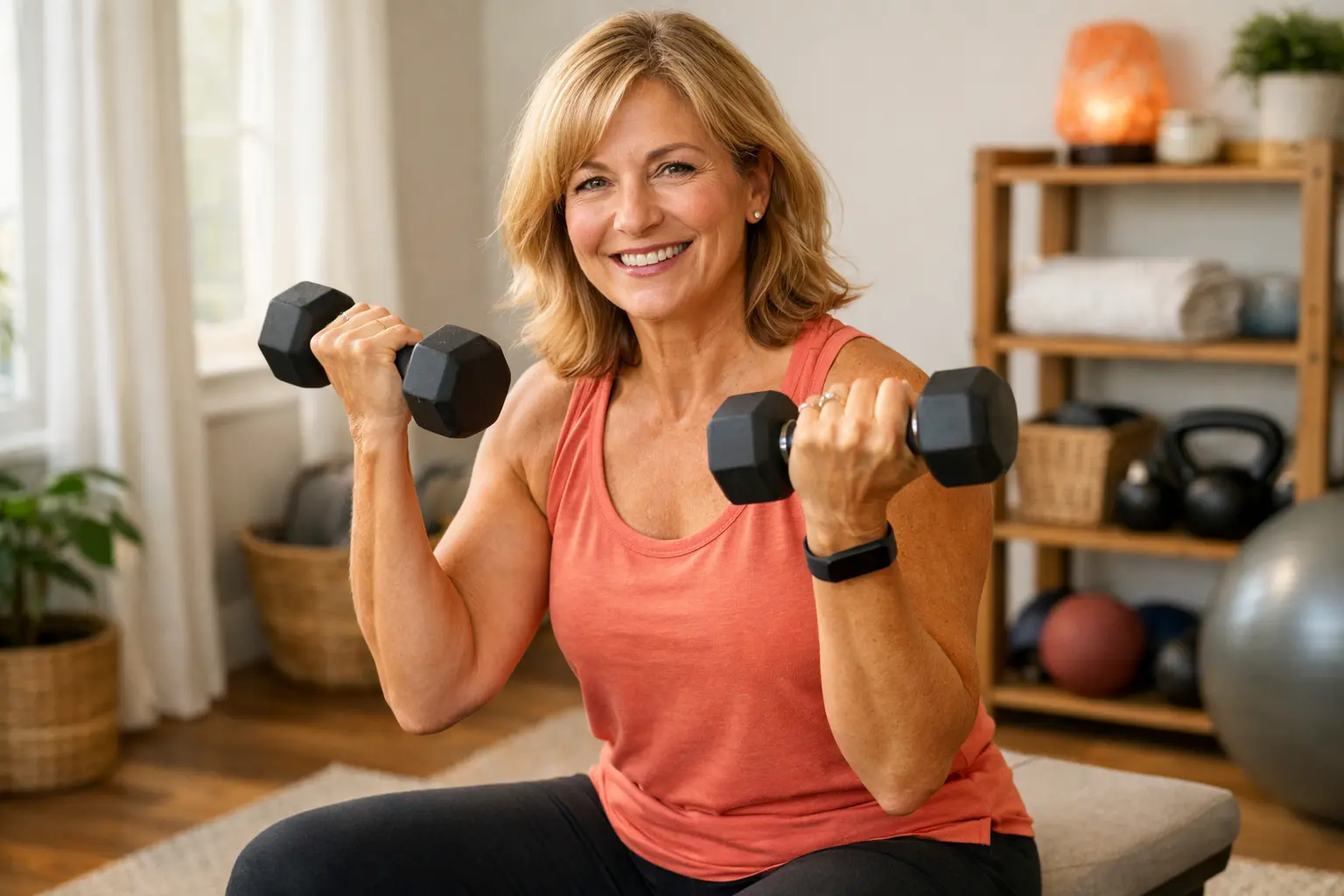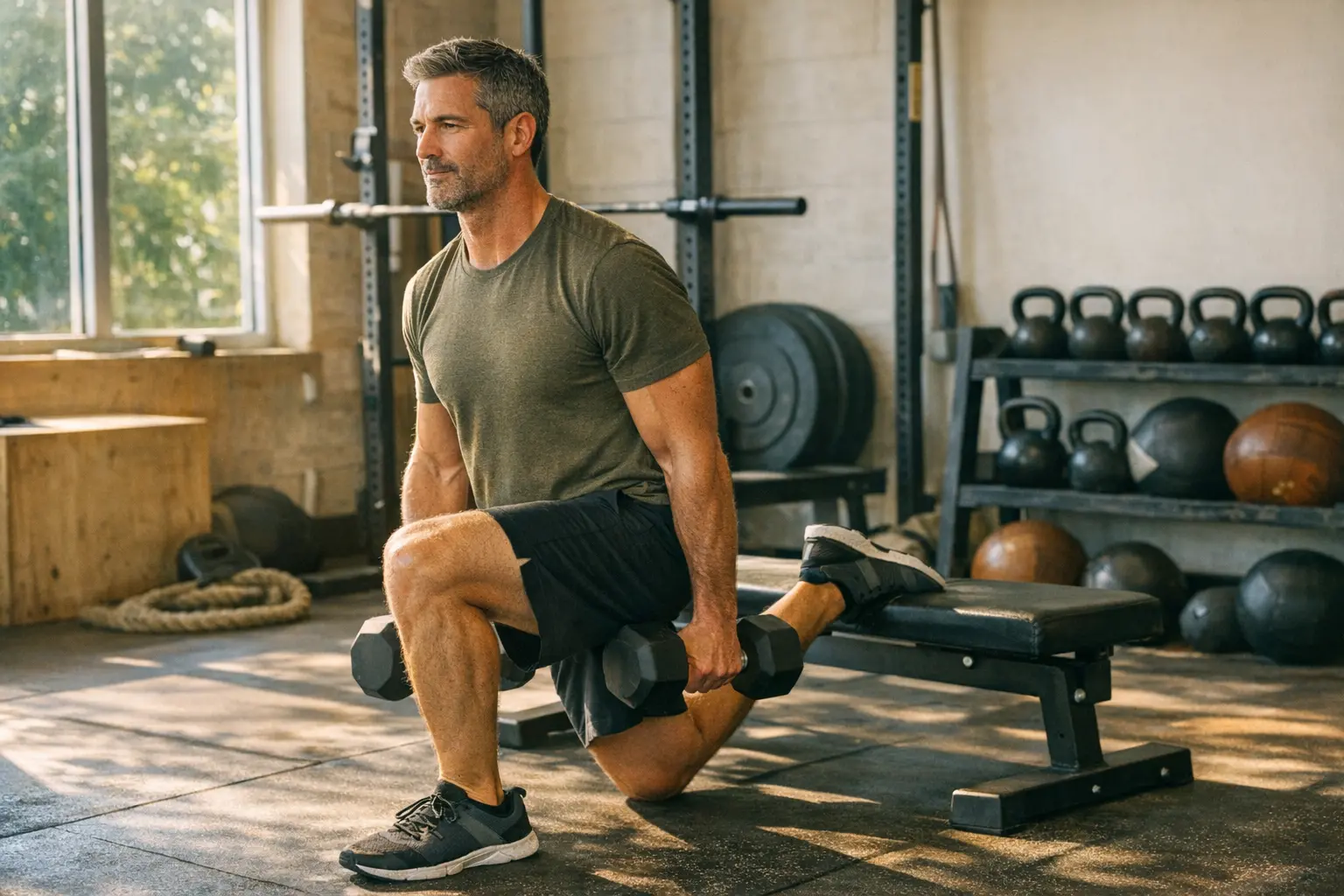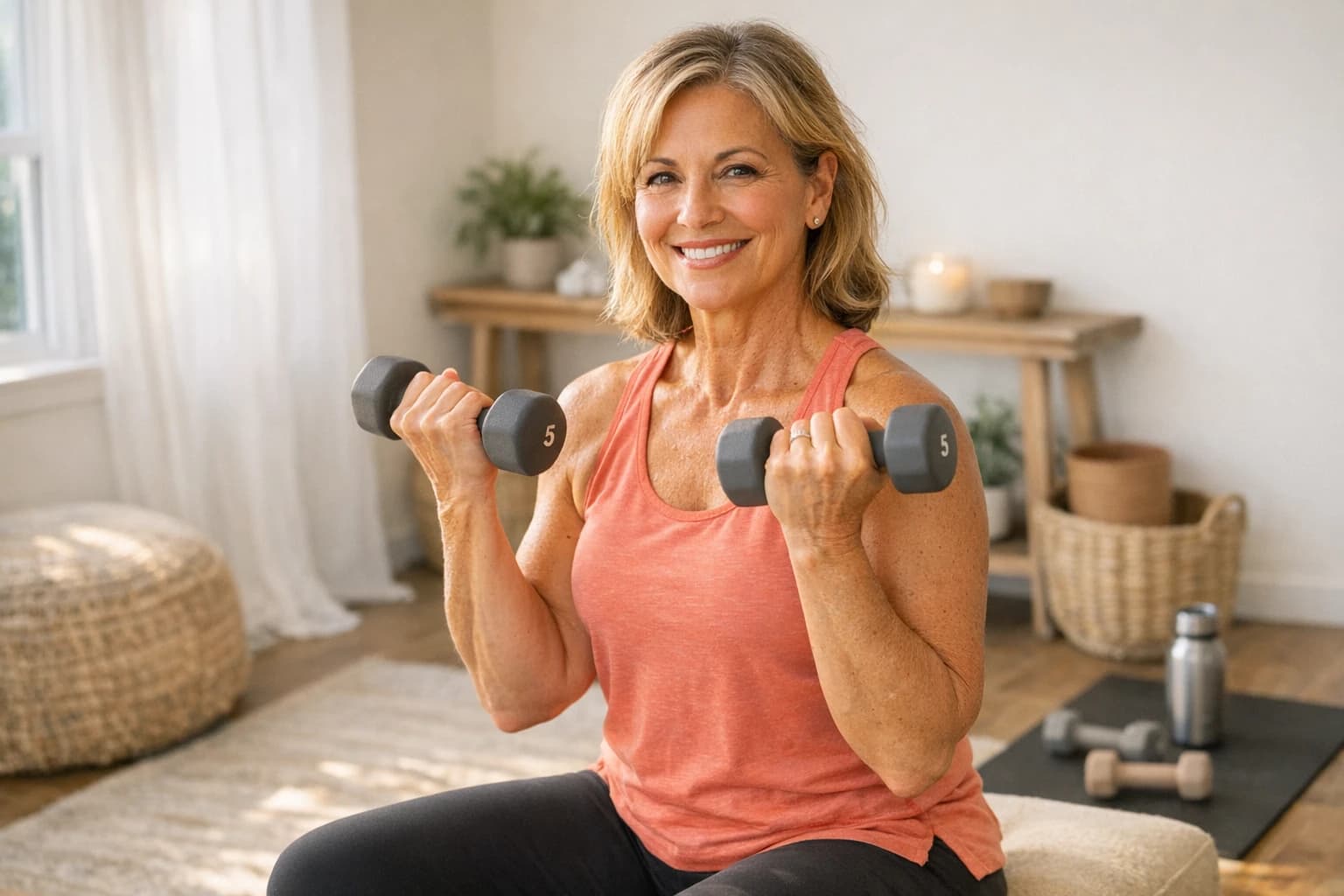
If you have been meaning to start lifting weights but still have not quite found the right on-ramp, you are in good company. A lot of women spend years hearing that strength training is important, then get handed plans that feel built for somebody else. Too intense, too technical, too long, too gym-bro, too punishing. That is usually why people start searching for a strength training plan for women over 50 beginners. They want something that actually fits the body and life they have now.
That is the right instinct.
After 50, strength training matters even more, but the plan has to make sense. It should help build muscle, support bone density, improve balance, protect metabolism, and make daily life easier. It should not leave you so sore that you dread the next session.
At Duluth Metabolic, we think of strength training as part of health care. It supports long-term function, blood sugar, confidence, and resilience. If you want more context around that bigger picture, read beginner strength training over 50 in Duluth, MN, building bone density after 50, and exercise as medicine.
Why a strength training plan for women over 50 beginners matters so much
There is a reason this stage of life changes the conversation.
Around and after menopause, women tend to lose muscle more easily, recover differently, and see bone density become a much bigger concern. Daily life can start feeling heavier in subtle ways. Stairs take more out of you. Carrying groceries feels less automatic. Getting down to the floor, then back up again, becomes more of an event.
That is not a personal failure. It is a sign that the body needs a reason to hold on to strength.
Strength training gives it that reason.
It can help with:
- preserving and building muscle
- improving bone support and balance
- protecting independence as you age
- supporting weight management
- improving insulin sensitivity and energy
- reducing the feeling that your body is becoming less capable every year
That matters for women with osteoporosis, musculoskeletal weakness, and even chronic fatigue when the program is scaled appropriately.
The biggest mistake beginners make
Most women do not fail because they are not motivated enough.
They fail because the first plan they try is too much.
Maybe it is a random high-intensity class. Maybe it is a social media challenge built around soreness and sweat. Maybe it is a gym plan that assumes your joints feel great, your sleep is dialed, and your schedule is wide open.
A beginner plan should do the opposite.
It should be simple enough to learn, short enough to repeat, progressive enough to work, and gentle enough on recovery that you can come back two days later and do it again.
That is why the best strength training plan for women over 50 beginners is usually not the flashiest one. It is the one you can still do four weeks from now.
What a beginner plan should actually include
Good strength plans are built around movement patterns, not random exercises.
That means your week should include:
A squat or sit-to-stand pattern
This covers goblet squats, chair squats, box squats, or sit-to-stands. These movements help with getting up from chairs, toilets, couches, and the floor. Real-life useful.
A hinge pattern
This teaches the hips and glutes to do more of the work. Think deadlifts, hip bridges, or a supported hinge with a dumbbell. Hinge work matters for lifting safely and protecting your back.
A push pattern
Wall push-ups, incline push-ups, chest presses, and overhead presses all fit here. Pushing strength supports daily tasks that require reaching, pressing, or getting yourself up.
A pull pattern
Rows with bands, dumbbells, cables, or machines help posture and upper-body strength. Pulling is especially important for people who sit a lot and feel their shoulders drifting forward.
Carries and core stability
Farmer carries, suitcase carries, dead bugs, marching, and other simple core drills help balance, bracing, and confidence.
Those basics cover a lot. You do not need twelve different isolation exercises to get strong enough for life.
A realistic strength training plan for women over 50 beginners
For most beginners, three sessions per week is a very solid target.
That gives you enough frequency to improve without demanding daily recovery. If three days feels like too much at first, start with two and build up.
A simple weekly structure might look like this:
- Monday: Workout A
- Tuesday: walk, mobility, or rest
- Wednesday: Workout B
- Thursday: easy movement or rest
- Friday: Workout A again
- Weekend: walking, hobbies, light activity, recovery
The next week, switch it so Workout B happens twice.
That kind of rhythm works because it is stable. You are repeating the big patterns often enough to improve, but not so often that every session feels new and confusing.
Workout A
Start with one or two sets if you are brand new. Build toward two or three sets over time. Use a weight that feels controlled and leaves a couple of good reps in reserve.
- Chair squat or goblet squat, 8 to 10 reps
- Dumbbell or band row, 8 to 10 reps per side
- Wall push-up or incline push-up, 6 to 10 reps
- Glute bridge, 10 to 12 reps
- Farmer carry, 20 to 30 seconds
- Dead bug, 6 to 8 reps per side
That is a real workout. It does not need circus tricks to count.
Workout B
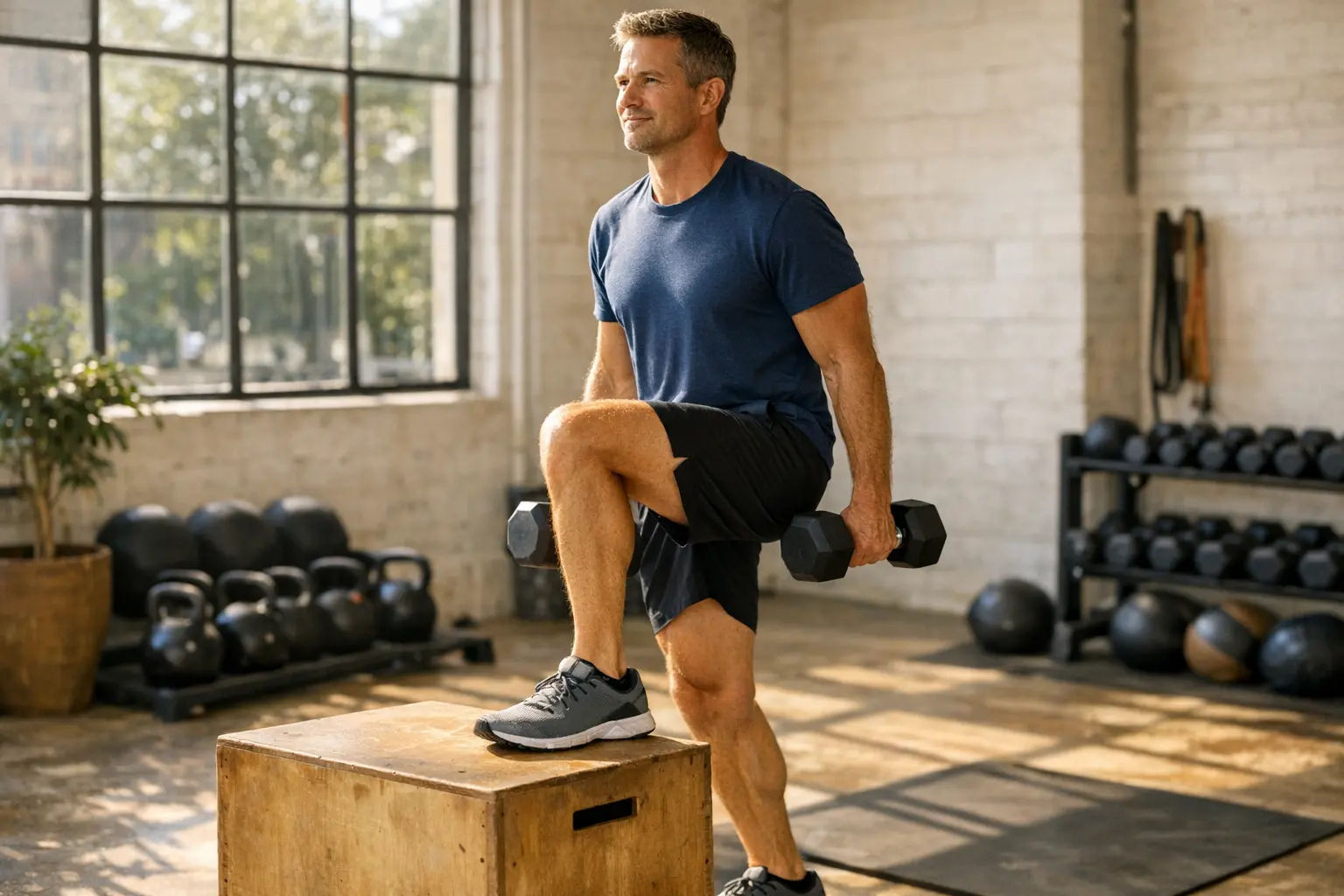
- Step-up to a low box or stair, 6 to 8 reps per side
- Dumbbell deadlift or kettlebell deadlift, 8 reps
- Dumbbell overhead press or landmine press, 6 to 8 reps
- Band pull-apart or seated row, 10 to 12 reps
- Suitcase carry, 20 to 30 seconds per side
- Standing march or side plank variation, 20 to 30 seconds
If overhead pressing bothers your shoulders, a chest press, incline push-up, or machine press can work instead.
How heavy should the weights be?
This is one of the most common questions, and the answer is less dramatic than people expect.
Your weights should feel challenging but steady. The last couple reps of a set should require focus, but your form should still look controlled. If you could do ten more reps easily, it is probably too light. If the movement turns into a full-body panic event by rep four, it is too heavy.
You do not need to max out to get stronger.
In fact, most beginners overdo intensity long before they outgrow a basic plan.
A better rule is to finish most sets feeling like you could still do one or two more quality reps. That gives you enough stimulus to improve without digging a recovery hole.
How to progress without blowing yourself up
Progress matters, but it does not have to be aggressive.
The easiest ways to progress are:
- add a little weight when the current weight feels clearly easier
- add one or two reps per set
- add a set
- slow the lowering portion of the movement
- improve control, range, or confidence with the same weight
All of those count.
A lot of women assume progress only means dramatically heavier weights. Sometimes progress is cleaner form, less fear, better balance, or getting off the floor without hesitation. That is real progress too.
Rest days are part of the plan, not evidence you are lazy
Recovery matters more after 50, not less.
That does not mean women over 50 are fragile. It means adaptation still needs support. Muscle and connective tissue do not respond well to being hammered every day just because the calendar says you should be more disciplined.
Rest days let you come back stronger. So do walking, mobility, sleep, and enough food.
This is especially important if you are under stress, not sleeping well, or dealing with hormone shifts. If workouts keep flattening you for days, the issue is often the dose, not your character.
A strength training plan for women over 50 beginners works better with protein
Training and protein belong in the same conversation.
If you are asking your body to build or keep muscle, it needs raw material to do that. Many women over 50 are under-eating protein without realizing it, especially at breakfast and lunch.
That can make strength training feel harder and results slower.
You do not need to obsess. But it helps to consistently include protein across the day. Eggs, Greek yogurt, cottage cheese, fish, chicken, turkey, lean beef, tofu, or higher-protein snacks can all help support recovery. Our guides on protein requirements over 40, high-protein breakfast ideas in Duluth MN, and what to eat before strength training over 40 go deeper here.
What if you have knee pain, back pain, or feel intimidated?
Then the plan needs to meet you where you are.
Bad knees do not mean no leg work. They may mean chair squats, box squats, step-ups to a lower height, or a shorter range of motion while strength improves. A sensitive back does not always mean avoid lifting forever. It often means learning better hinging, bracing, and load management.
And if the gym feels intimidating, home training absolutely counts. A chair, resistance band, light dumbbells, and a simple plan can go a long way.
This is one reason exercise therapy can be so helpful. The right plan removes friction instead of piling it on.
Strength training and metabolic health are more connected than people realize
A lot of women come in thinking strength training is only about muscle tone.
It also matters for blood sugar, insulin sensitivity, confidence, bone support, and the general sense that your body has some reserve again. Muscle is metabolically helpful tissue. The more functional muscle you keep, the more support your body has for glucose handling and daily energy.
That is why strength work pairs so well with strength training for insulin resistance, metabolic flexibility, and CGM monitoring when blood sugar is part of the story.
FAQ
How many days a week should women over 50 strength train as beginners?
Two to three days per week works well for most beginners. Three is a strong target if recovery is decent, but two can still create real progress.
Can women over 50 build muscle?
Yes. It may be slower than in your twenties, but women over 50 can absolutely build strength and muscle with consistent training, adequate protein, and enough recovery.
Is walking enough, or do I need weights too?
Walking is excellent for health and recovery, but it does not replace resistance training for muscle and bone support. Most women benefit from both.
Should I use machines, dumbbells, or resistance bands?
Any of them can work. The best choice depends on your comfort, access, and ability to perform the movement well. Many beginners use a mix.
What if I am scared of getting hurt?
That is common. Start with simple movements, lighter loads, and a pace that lets you learn. Good strength training should build confidence, not create fear.
Start smaller than your ego wants, and keep going longer than your excuses want
The best strength training plan for women over 50 beginners is the one that helps you feel stronger in real life, not just in a workout app. It should improve how you carry things, climb stairs, get off the floor, handle stress, and trust your body again.
If you want help building a plan around your energy, symptoms, pain history, or goals, contact Duluth Metabolic. We can help you connect movement, recovery, nutrition, and long-term metabolic health in a way that actually feels doable.