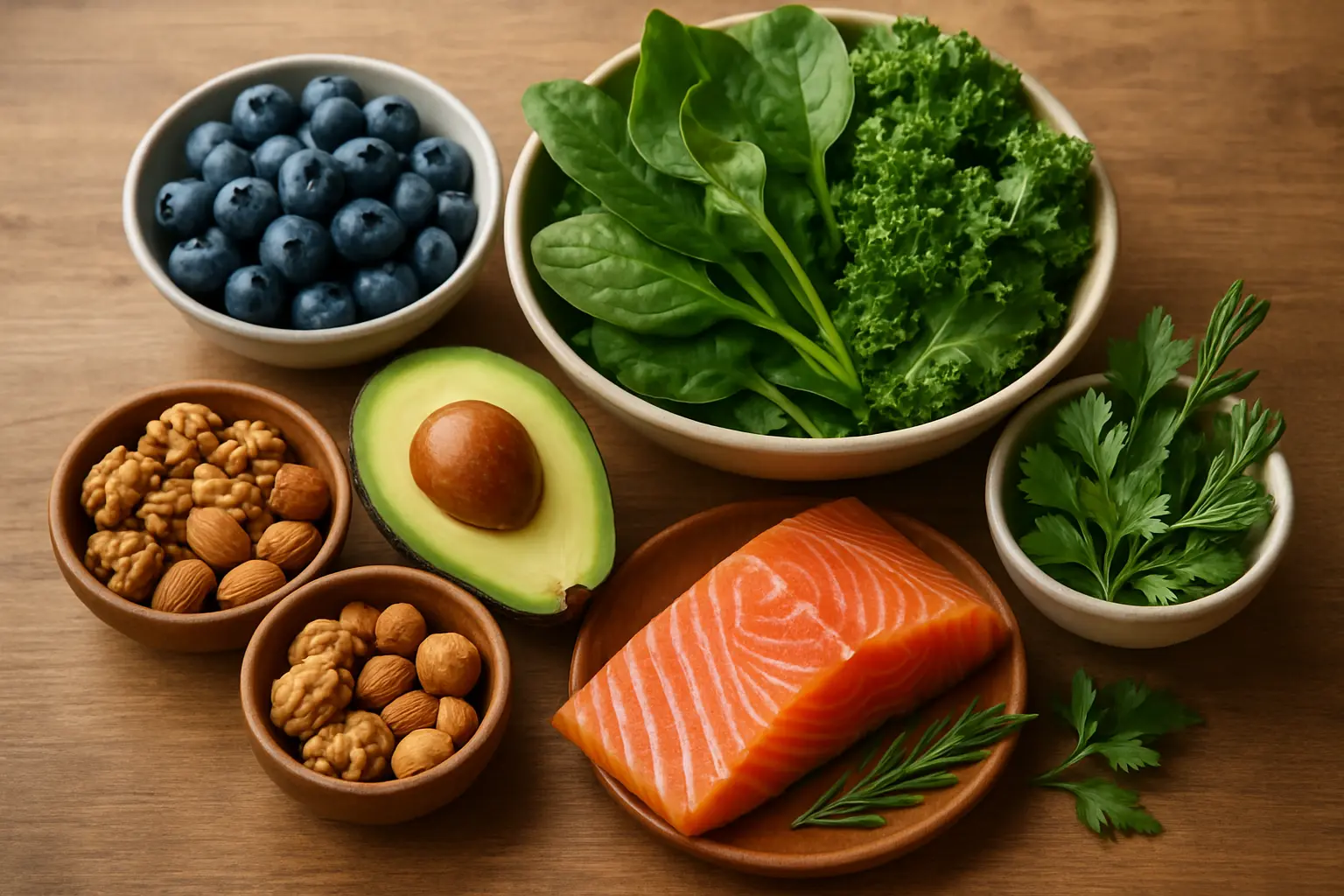
Your grocery cart holds more power than your medicine cabinet. While the pharmaceutical industry focuses on treating disease after it develops, a quiet revolution is happening in the produce aisle, where ordinary foods are being recognized for their extraordinary healing properties.
Functional foods—foods that provide health benefits beyond basic nutrition—represent a paradigm shift in how we approach metabolic health and longevity. Unlike supplements that isolate single compounds, functional foods deliver complex matrices of bioactive substances that work synergistically to optimize cellular function, reduce inflammation, and protect against age-related metabolic decline.
The science is compelling: people who consume diets rich in functional foods show significantly lower rates of diabetes, cardiovascular disease, and metabolic syndrome, while exhibiting biomarkers associated with healthy aging and extended lifespan. These aren't exotic superfoods from remote regions—many are common foods you can find at your local grocery store.
At Duluth Metabolic, we integrate functional food therapy into our comprehensive approach to metabolic health, using advanced biomarker testing to identify which specific compounds will most benefit your unique physiology and combining targeted nutrition with personalized coaching to optimize your metabolic function naturally.
Understanding Functional Foods: Beyond Basic Nutrition
The term "functional food" was first coined in Japan in the 1980s, but the concept is ancient. Traditional healing systems have long recognized that food is medicine, using specific foods to treat illness and maintain health. Modern science is now validating these ancient practices, revealing the precise mechanisms by which foods can modulate metabolism, gene expression, and cellular aging.
Functional foods contain bioactive compounds—substances that exert biological effects beyond their nutritional value. These include:
Polyphenols: Powerful antioxidants that reduce inflammation, improve insulin sensitivity, and protect against cellular damage. Found in berries, green tea, dark chocolate, and colorful vegetables.
Omega-3 Fatty Acids: Essential fats that support brain function, reduce inflammation, and improve metabolic flexibility. Abundant in fatty fish, walnuts, flaxseeds, and algae.
Probiotics and Prebiotics: Living bacteria and the fibers that feed them, crucial for gut health, immune function, and metabolic regulation. Present in fermented foods and fiber-rich plants.
Phytosterols: Plant compounds that help regulate cholesterol and support cardiovascular health. Concentrated in nuts, seeds, and certain oils.
Peptides: Protein fragments that can lower blood pressure, improve insulin sensitivity, and support muscle health. Found in fermented dairy products and certain proteins.
The Synergistic Effect
What makes functional foods particularly powerful is synergy—the way different compounds work together to create effects greater than the sum of their parts. A blueberry contains over 300 different compounds that work together in ways we're still discovering. This complexity cannot be replicated in a supplement pill.
Research shows that people who eat whole functional foods experience greater health benefits than those who take isolated compounds as supplements. The food matrix—the way nutrients are packaged in nature—appears to be crucial for optimal absorption and utilization.
Top Functional Foods for Metabolic Optimization
Berries: Nature's Metabolic Medicine
Blueberries, raspberries, blackberries, and strawberries are among the most potent functional foods for metabolic health. Their deep colors signal high concentrations of anthocyanins—polyphenols that specifically target metabolic dysfunction.
Clinical studies show that regular berry consumption:
- Improves insulin sensitivity by up to 25%
- Reduces post-meal blood sugar spikes
- Enhances fat oxidation during exercise
- Protects against age-related cognitive decline
- Reduces markers of chronic inflammation
The optimal dose appears to be 1-2 cups of mixed berries daily, preferably consumed before meals to blunt glucose responses.
Fatty Fish: Omega-3 Powerhouses
Salmon, mackerel, sardines, and other cold-water fish provide the most bioavailable forms of EPA and DHA—omega-3 fatty acids that are essential for metabolic health. Unlike plant-based omega-3s, marine omega-3s are directly usable by the body and provide superior metabolic benefits.
Regular fatty fish consumption:
- Improves insulin sensitivity and glucose metabolism
- Reduces triglycerides by 15-30%
- Supports healthy blood pressure
- Protects against metabolic syndrome
- Enhances cognitive function and mood
Aim for 2-3 servings of fatty fish per week, or about 1-2 grams of combined EPA and DHA daily.
Fermented Foods: Gut Health Heroes
The gut microbiome plays a crucial role in metabolism, influencing everything from insulin sensitivity to fat storage. Fermented foods provide beneficial bacteria along with the metabolites they produce during fermentation.
Key fermented foods for metabolic health include:
Kefir: Contains over 50 different probiotic strains and bioactive peptides that improve glucose tolerance and reduce inflammation.
Kimchi: Korean fermented vegetables rich in probiotics, fiber, and compounds that support healthy weight management.
Greek Yogurt: Provides protein, probiotics, and calcium in ratios that optimize metabolic function.
Sauerkraut: Fermented cabbage that delivers probiotics along with compounds that support liver detoxification.
Dark Leafy Greens: Nutrient Density Champions
Kale, spinach, arugula, and other dark leafy greens provide exceptional nutrient density—maximum nutrition per calorie. They're rich in magnesium, folate, nitrates, and various polyphenols that support metabolic health.
The nitrates in leafy greens are particularly important for metabolic function. They improve blood flow, enhance exercise performance, and may increase mitochondrial efficiency—the cellular powerhouses that determine metabolic rate.
Nuts and Seeds: Healthy Fat Superstars
Almonds, walnuts, chia seeds, and flaxseeds provide healthy fats, protein, fiber, and various micronutrients in combinations that support metabolic health. Despite being calorie-dense, regular nut consumption is associated with better weight management and reduced diabetes risk.
The key is portion control—about 1 ounce (a small handful) daily provides optimal benefits without excess calories.
Functional Foods and Longevity: The Cellular Perspective
The connection between functional foods and longevity operates at the cellular level through several key mechanisms:
Mitochondrial Support
Mitochondria—the cellular powerhouses that produce energy—decline in function with age, contributing to fatigue, metabolic slowdown, and age-related diseases. Certain functional foods contain compounds that specifically support mitochondrial health.
Pomegranates contain urolithin A, a compound that promotes mitochondrial renewal. Green tea provides EGCG, which enhances mitochondrial biogenesis. Dark chocolate contains flavonoids that improve mitochondrial efficiency.
Sirtuin Activation
Sirtuins are proteins that regulate cellular aging and longevity. They can be activated by certain compounds found in functional foods, essentially slowing the aging process at the cellular level.
Resveratrol from grapes, curcumin from turmeric, and quercetin from onions are among the most potent sirtuin activators. These compounds help cells resist stress, maintain DNA integrity, and function optimally despite advancing age.
Inflammation Resolution
Chronic low-grade inflammation—termed "inflammaging"—drives both metabolic dysfunction and aging. Functional foods don't just reduce inflammation; they actively promote its resolution through specialized pro-resolving mediators.
Omega-3 fatty acids, particularly those from marine sources, are converted into resolvins and protectins—compounds that actively resolve inflammation and restore tissue homeostasis.
Integrating Functional Foods Into Your Daily Life
The Functional Plate Method
Rather than focusing on individual foods, think in terms of creating functional meals that combine multiple beneficial compounds:
1/2 Plate: Colorful Vegetables and Fruits Choose a variety of colors to ensure diverse polyphenol intake. Include both raw and cooked vegetables, as cooking can increase the bioavailability of certain compounds.
1/4 Plate: High-Quality Protein Include fatty fish twice a week, and incorporate fermented dairy products like Greek yogurt or kefir.
1/4 Plate: Complex Carbohydrates Choose intact grains, legumes, and starchy vegetables that provide prebiotics to feed beneficial gut bacteria.
Healthy Fats Throughout Add nuts, seeds, olive oil, and avocados to provide essential fatty acids and enhance absorption of fat-soluble nutrients.
Timing Strategies for Maximum Benefit
When you eat functional foods can be as important as what you eat:
Morning: Start with berries and green tea to activate metabolic pathways and provide antioxidant protection for the day.
Pre-Exercise: Consume nitrate-rich vegetables (beets, leafy greens) 2-3 hours before exercise to enhance performance and recovery.
Evening: Include magnesium-rich foods (dark chocolate, nuts) to support sleep quality and overnight recovery.
Seasonal Optimization
Eating seasonally ensures maximum nutrient density while providing variety that supports microbiome diversity:
Spring: Focus on detoxifying greens like dandelion, arugula, and asparagus.
Summer: Emphasize antioxidant-rich berries and colorful vegetables.
Fall: Include warming spices like turmeric and ginger, along with omega-3 rich nuts.
Winter: Concentrate on fermented foods and warming teas to support immune function.
Functional Foods vs. Supplements: The Whole Food Advantage
While supplements have their place in functional medicine, whole functional foods offer advantages that isolated compounds cannot replicate:
Complex Nutrient Interactions: Whole foods contain hundreds of compounds that work together in ways we're still discovering.
Better Absorption: Nutrients in whole foods are often better absorbed than synthetic alternatives.
Safety Profile: Functional foods have extensive safety profiles developed over thousands of years of human consumption.
Cost-Effectiveness: Functional foods provide multiple health benefits at a fraction of the cost of equivalent supplements.
Satiety and Satisfaction: Real foods provide psychological and physiological satisfaction that supplements cannot match.
However, for individuals with specific deficiencies or health conditions, targeted supplementation may be necessary in addition to a functional foods approach.
Common Functional Food Myths Debunked
Myth 1: "Superfoods" are exotic and expensive Reality: Many of the most potent functional foods are common and affordable—think beans, berries, and leafy greens.
Myth 2: You need to eat large quantities to see benefits Reality: Consistent moderate consumption is more effective than sporadic large doses.
Myth 3: Functional foods can replace medical treatment Reality: Functional foods are powerful preventive tools and supportive therapies, but should complement, not replace, appropriate medical care.
Myth 4: All "functional" products in stores are beneficial Reality: Many processed foods labeled as "functional" contain added synthetic compounds that may not provide the same benefits as whole foods.
Personalizing Your Functional Food Strategy
Everyone responds differently to functional foods based on genetics, gut microbiome composition, health status, and lifestyle factors. At Duluth Metabolic, we use comprehensive testing to identify your unique nutritional needs and optimize your functional food strategy.
Key considerations for personalization include:
Genetic Variations: Differences in genes affecting antioxidant enzymes, detoxification pathways, and nutrient metabolism influence which functional foods will be most beneficial.
Gut Microbiome Profile: The composition of your gut bacteria determines how effectively you can utilize certain functional food compounds.
Current Health Status: Existing conditions like insulin resistance or chronic inflammation may require targeted functional food strategies.
Lifestyle Factors: Exercise patterns, sleep quality, and stress levels all influence how your body responds to functional foods.
Tracking Your Progress
Monitoring biomarkers can help you assess the effectiveness of your functional food strategy:
Inflammatory Markers: C-reactive protein, IL-6, and other inflammatory markers should decrease with consistent functional food consumption.
Metabolic Markers: Continuous glucose monitoring can show how specific functional foods affect your blood sugar patterns.
Lipid Profiles: HDL cholesterol should increase while triglycerides decrease with optimal functional food intake.
Antioxidant Status: Measurements of antioxidant capacity can reflect your body's ability to neutralize free radicals.
Frequently Asked Questions
Q: How quickly can I expect to see results from eating more functional foods? A: Some benefits, like improved blood sugar control after meals, can be seen within days. However, most metabolic improvements require 6-12 weeks of consistent intake to become apparent in lab values.
Q: Can functional foods help with weight loss? A: While functional foods aren't magic bullets for weight loss, they can support healthy weight management by improving insulin sensitivity, reducing inflammation, and providing satiety with fewer calories.
Q: Are there any risks to eating functional foods? A: Whole functional foods are generally very safe. However, some individuals may need to moderate intake of certain foods due to medications (e.g., leafy greens and blood thinners) or health conditions.
Q: How do I know if functional foods are working for me? A: Pay attention to energy levels, sleep quality, mood, and how you feel after meals. Laboratory testing can provide objective measures of improvement in metabolic markers.
Q: Is organic important for functional foods? A: Organic versions may have higher concentrations of certain beneficial compounds and lower pesticide residues, but conventional functional foods still provide significant health benefits.
Your Path to Metabolic Optimization Through Food
Functional foods represent one of the most powerful tools available for optimizing metabolic health and supporting longevity. By understanding which foods provide the greatest benefits and how to incorporate them strategically into your daily routine, you can harness the healing power of nutrition to transform your health.
The journey toward optimal metabolic health doesn't require dramatic changes or expensive supplements. It starts with simple choices—choosing berries over processed snacks, including fatty fish in your weekly routine, adding more colorful vegetables to your plate, and exploring fermented foods.
At Duluth Metabolic, we recognize that sustainable health changes come from understanding rather than restriction, from addition rather than elimination. Our approach focuses on adding beneficial functional foods to crowd out less healthy options naturally, while providing the support and guidance you need to make lasting changes.
Ready to unlock the healing power of functional foods? Contact us to learn how we can create a personalized nutrition strategy that harnesses the metabolic benefits of functional foods while addressing your unique health needs and goals. Your path to vibrant health and longevity starts with your next meal.