If your blood sugar tends to run high, crash hard, or swing more than you would like, the hardest part is often not knowing what to eat. It is knowing what to eat when life is moving fast, you are tired, and the easiest option is whatever is closest.
That is why meal prep for blood sugar control works so well for busy adults. It reduces decision fatigue. It helps you stop winging it at 1:30 in the afternoon. It keeps you from bouncing between under-eating all day and then overeating at night because you are starving and out of patience.
At Duluth Metabolic, we like meal prep because it makes consistency more realistic. It is not about identical plastic containers and a joyless diet. It is about giving yourself a better default. When meals are ready, or at least halfway ready, blood sugar usually gets steadier, energy gets more predictable, and healthy choices stop feeling so fragile.
If you are new to the bigger picture, read what is metabolic health and high fasting insulin with normal A1c. This article is the practical version.
Why meal prep helps blood sugar so much
A lot of blood sugar trouble starts before the first bite. It starts with chaos.
Skipped breakfasts. Random snacks. Long gaps without protein. Drive-thru lunches. “Healthy” foods that are mostly starch and not enough actual substance. By evening, people are exhausted, hungry, and far more likely to grab the quickest carb-heavy option in sight.
Meal prep changes that because it helps you:
- eat more regularly
- build meals around protein instead of convenience carbs
- control portions without obsessing
- avoid last-second food decisions
- keep better foods available when energy is low
- learn which meals your body actually handles well
This matters if you are dealing with diabetes, weight management, or energy crashes that make your day feel harder than it should.
The goal is not perfection. It is fewer bad pivots.
People sometimes avoid meal prep because they picture spending five hours on Sunday turning the kitchen into a catering business.
That is one version. It is not the only version.
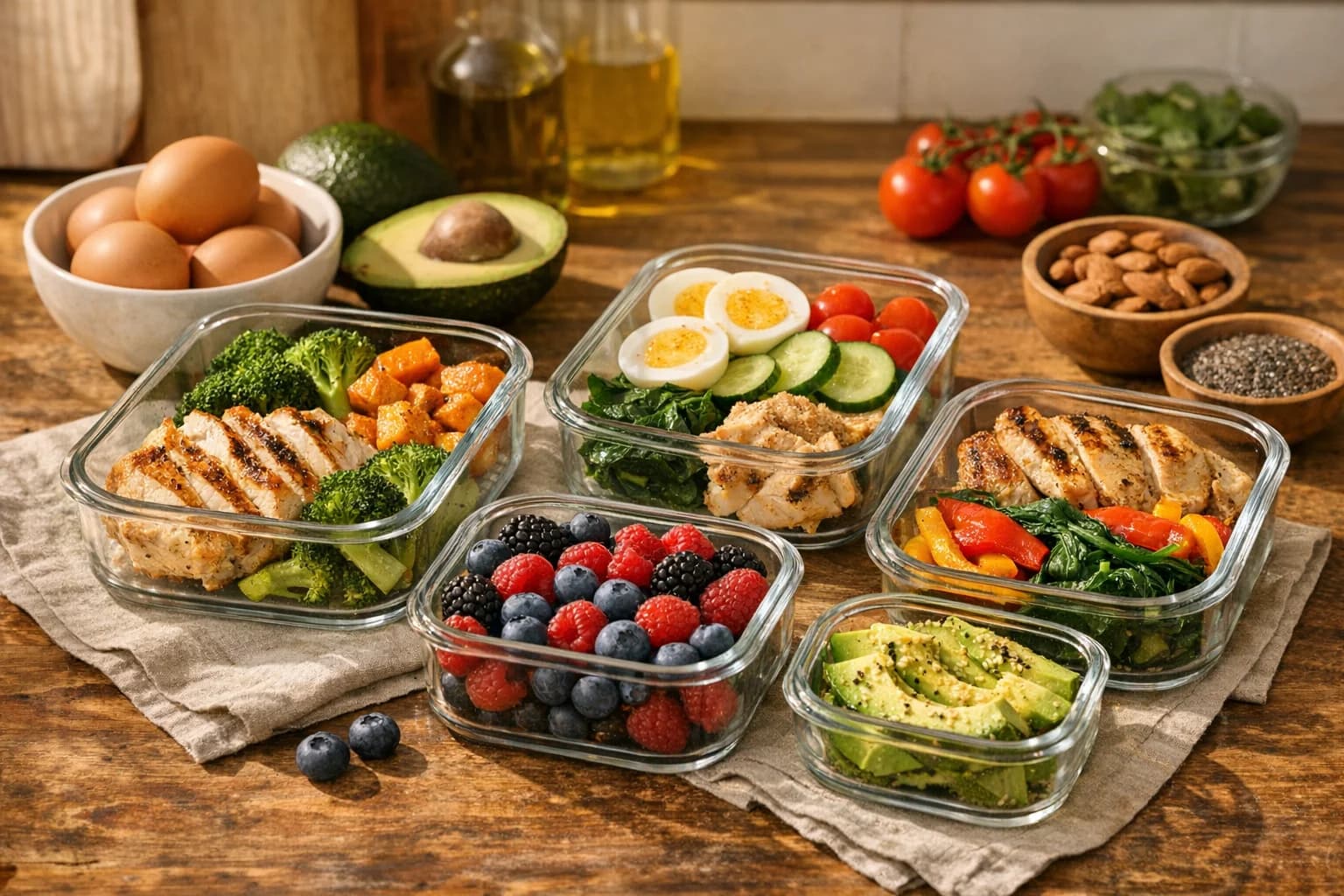
Good meal prep for blood sugar control can be as simple as making sure the hard part is already done:
- protein cooked
- vegetables washed or roasted
- one or two blood sugar-friendly carbs ready
- quick breakfast options stocked
- lunches assembled or easy to assemble
- snacks chosen on purpose instead of emotionally
The goal is not to prepare every bite of your week. The goal is to lower the number of moments where hunger and stress make the decision for you.
What a blood sugar-friendly meal usually looks like
The best meal prep plans are built from a few repeatable parts.
Protein first
Protein helps slow digestion, supports muscle, and usually improves satiety. It is one of the easiest ways to make meals more stable.
Good prep-friendly options include:
- chicken thighs or breasts
- turkey taco meat
- hard-boiled eggs
- Greek yogurt or cottage cheese
- salmon packets or cooked salmon
- burger patties
- chili with extra meat and beans if tolerated
- tofu, tempeh, or edamame for plant-forward meals
Fiber and produce
Vegetables, legumes, berries, and other whole foods help slow glucose absorption and keep meals from being all starch.
Prep-friendly choices include roasted broccoli, salad kits, chopped cucumbers, slaw mixes, frozen vegetables, berries, apples, carrots, and prepped soup ingredients.
Smarter carbs
Not everyone needs the same carb intake. But most people do better when carbs show up with structure instead of chaos.
That might mean:
- beans or lentils in measured portions
- potatoes paired with protein and vegetables
- rice in smaller amounts than you used to eat
- oats you actually tolerate well
- berries instead of juice
- wraps or bread used selectively, not automatically
If you are exploring a lower-carb approach, our guide to low-carb eating in Duluth MN can help you think through it without going extreme.
Healthy fats that make meals hold up
Olive oil, avocado, nuts, seeds, olives, pesto, and full-fat yogurt can make a meal more satisfying and reduce the urge to keep picking at food later.
The easiest way to start meal prepping
Start with the meals that give you the most trouble.
For some people that is breakfast. For others it is lunch at work. For a lot of people, dinner is okay but the whole day falls apart before dinner arrives.
Pick one meal and improve it first.
Here are three easy starting points.
Option 1: Breakfast prep
If mornings are chaotic, prep:
- egg muffins
- Greek yogurt cups with chia and berries
- cottage cheese bowls
- breakfast casseroles cut into portions
- protein smoothies with measured ingredients ready to blend
This helps if your current breakfast is toast, coffee, and hope.
Option 2: Lunch prep
Make three or four lunches that use the same core ingredients:
- taco bowls with turkey, lettuce, salsa, avocado, and black beans
- chicken bowls with vegetables and a moderate portion of rice or potatoes
- chopped salads with salmon or chicken and olive oil dressing
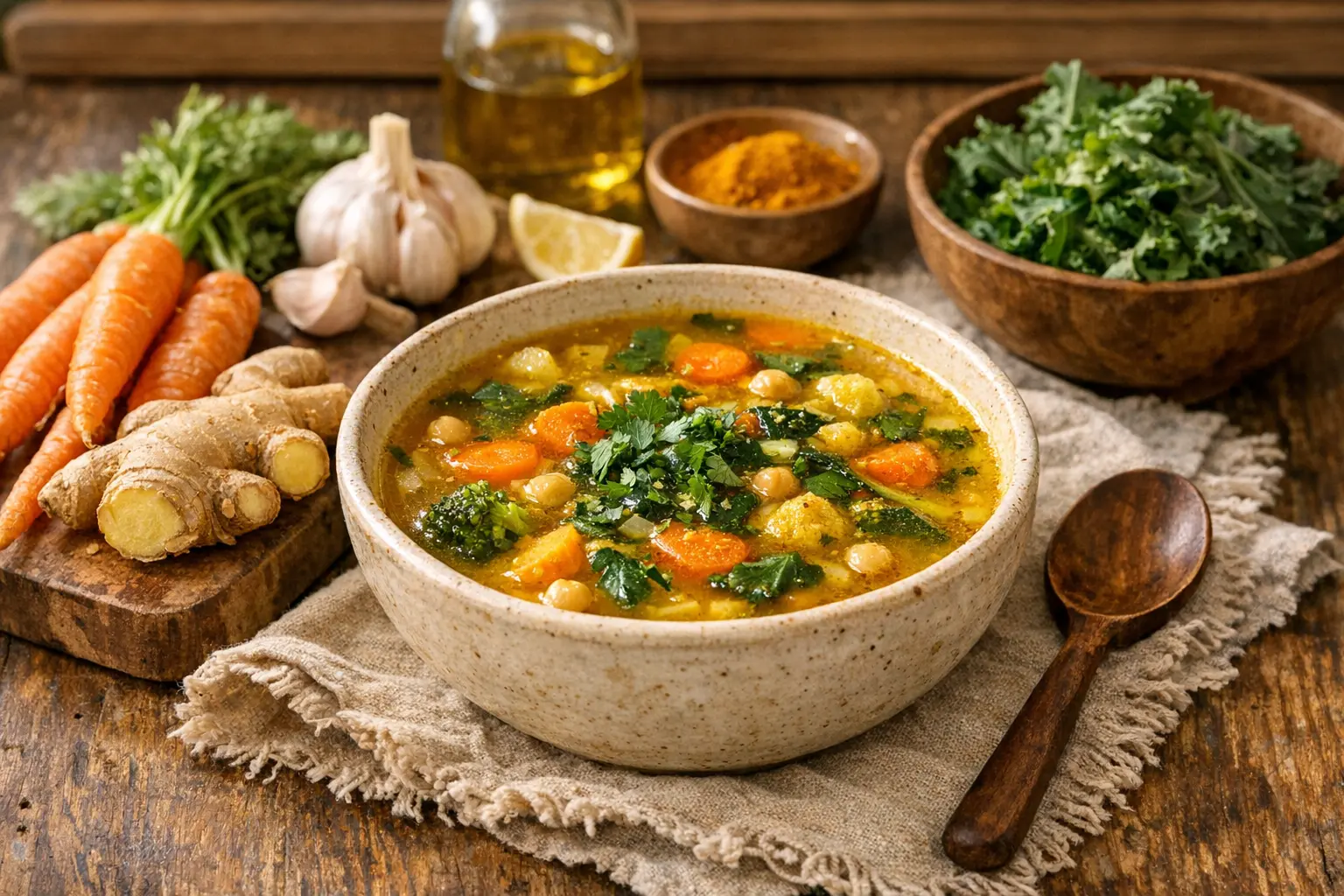
- soup plus a side of protein
Option 3: Dinner support prep
Instead of fully cooking dinners, prep the pieces:
- sheet pan vegetables
- marinated protein
- washed greens
- cooked starch for those who need it
- sauces that make simple meals feel less repetitive
That can cut dinner effort in half.
A sample 3-day blood sugar meal prep plan
Here is a very normal, very usable example.
Prep day
Cook:
- 2 pounds taco-seasoned ground turkey
- 6 hard-boiled eggs
- 1 sheet pan of broccoli and peppers
- 1 tray of roasted sweet potatoes
- 1 batch of chicken thighs
- 1 container of Greek yogurt mixed with chia seeds
Wash and set out:
- salad greens
- cucumbers
- berries
- apples
- carrots
Day 1
Breakfast: Greek yogurt, berries, chia, walnuts.
Lunch: Turkey taco bowl with lettuce, salsa, avocado, black beans.
Snack if needed: Apple and string cheese.
Dinner: Chicken thighs, roasted broccoli, small serving of sweet potatoes.
Day 2
Breakfast: Two egg muffins and cottage cheese.
Lunch: Chicken salad bowl with olive oil dressing and pumpkin seeds.
Snack if needed: Hard-boiled eggs and carrots.
Dinner: Turkey over sautéed vegetables with avocado.
Day 3
Breakfast: Greek yogurt bowl again or leftover breakfast casserole.
Lunch: Leftover chicken, slaw mix, and roasted vegetables.
Snack if needed: Cottage cheese with berries.
Dinner: Salmon with salad and potatoes if activity level supports it.
That is not glamorous. It is useful. Useful wins.
Why repetition helps more than people think
A lot of adults feel like healthy eating has to be endlessly creative. It does not.
In fact, blood sugar often improves when meals get a little more boring in a good way. Not miserable. Just repeatable.
The more variables you remove, the easier it is to learn what works.
That is one reason CGM monitoring can be so helpful. You stop guessing. You can see which breakfasts leave you steady and which ones create a spike and crash. You can compare the same lunch with and without chips, or the same dinner with and without a walk after.
Meal prep mistakes that make blood sugar worse
Meal prep is helpful, but a few common mistakes can blunt the benefit.
Prepping mostly carbs
Rice, pasta, oats, muffins, and fruit are easy to batch prepare. But if that is most of what you prep, you still may end up hungry and chasing snacks.
Not enough protein
This is probably the biggest one. If every meal is light on protein, blood sugar may rise faster and hunger often comes back sooner.
Making meals too “clean” to satisfy you
A tiny grilled chicken breast over dry lettuce is not a plan. It is a setup for late-night snacking. Meals need enough volume, flavor, and substance to hold you.
Prepping foods you do not actually like
The best blood sugar meal plan still fails if you do not want to eat it by Tuesday. Build around foods you genuinely enjoy.
Forgetting your busy moments
A good plan includes workdays, commute days, kids' activities, and the hour when you normally lose all discipline because you are cooked. Your hardest moments matter more than your ideal moments.
What to keep on hand for emergency meals
Meal prep gets easier when your kitchen has a decent bench.
Keep a few reliable backups around:
- canned salmon or tuna
- eggs
- frozen vegetables
- rotisserie chicken
- plain Greek yogurt
- cottage cheese
- prewashed greens
- salsa
- avocados
- nuts
- berries
- high-quality soups or chili with decent protein
That way, even if your prep week goes sideways, you still have a better move than takeout and crackers.
How meal prep fits with low-carb, fasting, and other approaches
Meal prep is a tool, not a diet tribe.
You can use it with a moderate-carb plan, a lower-carb plan, a higher-protein plan, or a structured fasting approach. What matters is that your plan fits your body and helps you feel better.
Some people do great with three planned meals. Others feel better with two meals and a protein-forward snack. Some need more carbs around workouts. Some need fewer carbs at breakfast because that is when they spike hardest.
This is where nutrition coaching and fasting protocols can help. The point is not copying what worked for someone on the internet. The point is finding what works for you in real life.
FAQ
How much meal prep do I need to do each week?
Less than you think. Even prepping one meal category well can make a noticeable difference.
Is meal prep good for prediabetes?
Yes. It often helps people eat more consistently, reduce ultra-processed food, and build meals that are easier on blood sugar.
Should I prep snacks too?
Usually yes, especially if afternoons are a weak point. Protein-forward snacks can prevent the kind of hunger that leads to poor dinner choices.
Do I have to count carbs?
Not always. Some people benefit from tracking, especially at first. Others do better by using simple structure and watching their actual blood sugar response.
What if I get bored eating the same thing?
Repeat the structure, not always the exact recipe. You can rotate sauces, proteins, and vegetables while keeping the same blood sugar-friendly framework.
Make the healthy choice easier, not more heroic
The best meal prep for blood sugar control is not the most elaborate one. It is the one that makes your week easier.
When protein is ready, vegetables are visible, and lunch is already decided, your blood sugar usually gets a lot less drama. That can mean steadier energy, fewer cravings, easier weight loss, and a lot less guilt around food.
If you want help building a plan around your schedule, your symptoms, and your actual glucose patterns, contact Duluth Metabolic. We can help you connect meal prep, labs, coaching, and blood sugar data into something that feels sustainable.