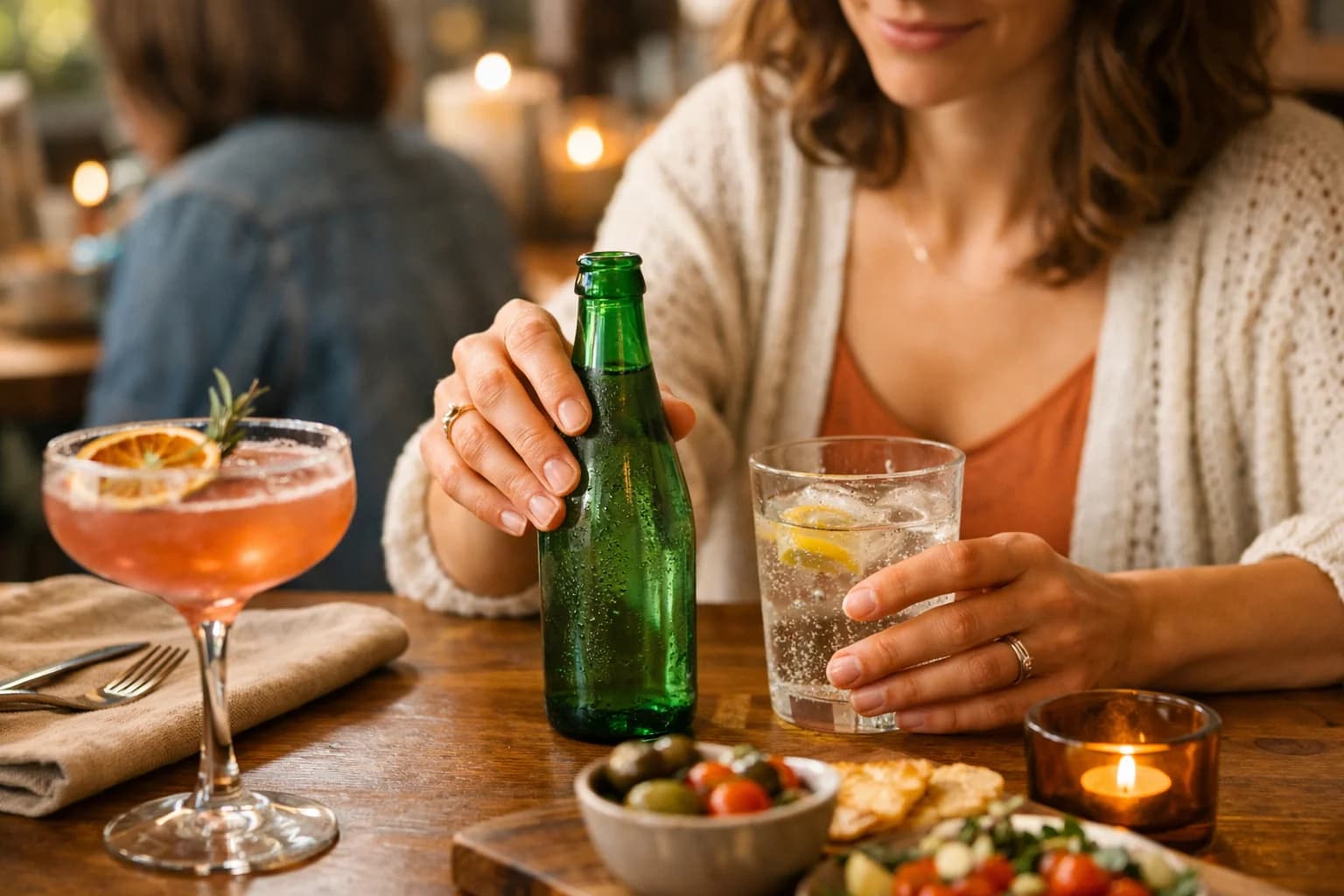
If you have started a GLP-1 medication and are wondering about semaglutide and alcohol, you are asking a smart question.
People usually do not ask because they want a lecture. They ask because real life is real life. There are dinners out, breweries, weddings, cabin weekends, hockey nights, and normal moments where a drink might come up. They want to know if alcohol is dangerous on semaglutide, whether it will make side effects worse, and why some people suddenly feel less interested in drinking at all.
The short answer is that semaglutide and alcohol are not automatically forbidden together, but they are not neutral either.
Alcohol can worsen nausea, dehydration, reflux, dizziness, and blood sugar swings. It can also make it harder to tell whether a symptom is coming from the medication, under-eating, or the drink itself. On the other hand, some people notice they naturally want less alcohol after starting semaglutide, and recent research has added real interest to that pattern.
At Duluth Metabolic, we care less about handing out rigid rules and more about helping patients make clear decisions. If you are using semaglutide for weight management, blood sugar support, or a larger metabolic plan, alcohol deserves an honest conversation.
Can you drink on semaglutide?
In many cases, yes, but moderation and timing matter.
There is no universal rule that says one drink is always fine or that everyone must avoid alcohol completely. The better question is how your body is tolerating the medication right now.
For example, alcohol is more likely to be a bad idea if:
- you are early in treatment
- you just increased your dose
- you already have nausea or reflux
- you are eating very little
- your hydration has been poor
- your blood sugar runs low or swings easily
- alcohol tends to lead to overeating or poor sleep for you
If you already feel a little fragile on the medication, adding alcohol often does not end well.
Why alcohol can feel different on semaglutide
Semaglutide changes appetite, fullness, and gastric emptying. That alone can make alcohol hit differently.
Some people notice they feel full faster, get nauseated sooner, or lose interest in finishing a drink they would have enjoyed before. Others say alcohol feels harsher, more bloating, more heartburn, more next-day drag.
Part of that is because food is moving more slowly through the stomach. Part of it is because many people are eating less overall. Part of it is because hydration and electrolyte balance may already be a little off.
If you have been dealing with nausea or constipation on treatment, alcohol can stack onto those issues fast. Our article on GLP-1 constipation relief is useful if digestion is already part of the problem.
Semaglutide and alcohol can be a rough combo for nausea
This is probably the biggest day-to-day issue.
Semaglutide already slows stomach emptying. Alcohol can irritate the stomach, worsen reflux, and lower the odds that you will make good food choices around it. If you are someone who already feels queasy after injections or around dose changes, drinking may push that over the edge.
That can show up as:
- more nausea
- more bloating
- reflux or burping
- feeling overly full after small meals
- vomiting in more severe cases
A lot of people assume the fix is to drink less often but drink the same way when they do. Usually a better approach is to notice whether your body is giving you a clear “not worth it” signal.
Blood sugar can get weird when alcohol enters the picture
Alcohol is not only about calories.
It can affect blood sugar in both directions depending on the context. Some drinks bring a carbohydrate load that pushes glucose up. Other situations, especially when someone has not eaten much, can increase the risk of later blood sugar drops.
That matters even more if you are using semaglutide for insulin resistance, prediabetes, or type 2 diabetes. If you have ever woken up feeling off after a few drinks, there may be more going on than a basic hangover.
This is one reason CGM monitoring can be helpful. It gives you a real picture of what happens after drinks, with dinner, overnight, and the next morning. People are often surprised by the patterns.
Alcohol can quietly slow weight loss progress
Some people assume this only matters if they drink heavily. Not true.
Even moderate drinking can affect progress if it leads to:
- extra liquid calories
- lower inhibition around food
- late-night eating
- worse sleep
- slower recovery from workouts
- more inflammation or puffiness the next day
This does not mean one glass of wine ruins everything. It does mean that alcohol can chip away at progress in ways that are easy to underestimate.
If semaglutide has finally made appetite feel easier, it makes sense to protect that. Our article on what happens when you stop Ozempic also gets at the bigger point here: the goal is not only short-term weight loss. It is building a metabolism and a lifestyle that can hold onto progress.
Why some people want less alcohol on semaglutide
This has become one of the more interesting conversations around GLP-1 medications.
Some patients say they simply do not crave alcohol the same way anymore. They still can drink, but the pull is weaker. The novelty is not as strong. One drink sounds fine, then a second sounds unnecessary.
That is not just internet chatter anymore.
Recent clinical research has suggested that semaglutide may reduce alcohol craving, drinking quantity, and heavy drinking days in some people. That does not mean semaglutide is currently a standard treatment for alcohol use disorder. But it does mean the observation seems real enough to be studied seriously.
For patients, the practical takeaway is simpler: if your interest in alcohol has dropped on semaglutide, you are not strange.
What about beer, wine, and cocktails?
Different drinks create different problems.
Beer can feel especially filling and bloating when gastric emptying is already slowed.
Sugary cocktails can push blood sugar up quickly and are easy to underestimate calorically.
Wine may feel more tolerable for some people, but it can still worsen sleep, reflux, and dehydration.
Hard liquor on an empty stomach is usually a bad gamble on semaglutide.
The best choice, if you decide to drink at all, is usually the one you can tolerate in a small amount with enough food and water around it.
Semaglutide and alcohol in the early weeks
Be more careful early.
The beginning of treatment and the weeks after dose increases are when the digestive system tends to be most sensitive. If someone is already figuring out appetite shifts, nausea, and meal timing, alcohol often adds confusion more than pleasure.
That is why many patients do best either avoiding it for a while or being extremely conservative until they know how their body responds.
What if drinking makes you feel bad now?
Listen to that.
There is a temptation to treat it like a challenge. Maybe you just need a different drink. Maybe you need to push through. Maybe your body will adapt.
Maybe. But maybe the medication has changed the cost-benefit equation and alcohol simply is not worth as much to you right now.
That is not a failure. It is information.
Questions to ask yourself before drinking on semaglutide
A simple self-check helps more than blanket rules.
Ask yourself:
- Have I eaten enough today?
- Am I hydrated?
- Am I already nauseated or constipated?
- Am I in a dose-escalation week?
- Does alcohol usually lead to overeating for me?
- Am I drinking because I want it, or because it is just around?
Those questions sound basic, but they catch a lot.
A Duluth reality check
In a place like Duluth, alcohol is woven into plenty of normal social life. Brewery meetups, lake weekends, cookouts, date nights, and community events are part of the culture. So the answer cannot just be “never drink again” unless there is a true medical reason to avoid it.
The better approach is honest pattern recognition.
If one drink with dinner once in a while is fine, good to know. If two drinks wreck your stomach, sleep, and food choices for the next day, that is also good to know. A treatment plan should fit real life, but real life should still tell the truth.
When alcohol may be worth avoiding completely
There are times where full avoidance is the cleaner move.
That may be true if:
- you have repeated vomiting or severe nausea
- alcohol reliably triggers binge eating
- you have a history of problematic drinking
- blood sugar instability is a major issue
- you are dehydrated easily
- you are trying to figure out whether medication side effects are tolerable
Sometimes removing the variable is the fastest way to make the rest of the plan easier.
How we talk about alcohol at Duluth Metabolic
We do not treat this like a morality issue.
We want to know:
- what alcohol does to your appetite
- what it does to your digestion
- how it affects your blood sugar and sleep
- whether it is slowing progress
- whether your cravings have changed
- whether it feels easy to moderate
That fuller conversation often leads to better decisions than generic advice.
For some people, drinking naturally fades into the background and no big speech is needed. For others, it becomes obvious that alcohol is undermining the progress they worked hard to get. Either way, awareness beats guesswork.
FAQ
Can you drink alcohol on semaglutide?
Sometimes, yes. But it depends on your dose stage, side effects, hydration, food intake, and how alcohol affects you personally.
Does semaglutide make alcohol hit harder?
Some people feel that way. Slower gastric emptying, less food intake, and more GI sensitivity can make alcohol feel different or less tolerable.
Can semaglutide reduce alcohol cravings?
It may for some people. Early research suggests semaglutide can reduce alcohol craving and heavy drinking in some adults, but it is not currently a standard treatment for alcohol use disorder.
Should you avoid alcohol during dose increases?
That is often a smart move, especially if you are already dealing with nausea, reflux, or poor appetite.
You do not need to guess your way through this
Semaglutide and alcohol are not an all-or-nothing issue. They are a context issue.
The right answer depends on how your body is responding, what your goals are, and whether alcohol is helping or quietly making the whole process harder.
If you are using semaglutide and want a plan that looks at side effects, blood sugar, appetite, habits, and real life together, Duluth Metabolic can help. If you are ready for that, contact us.