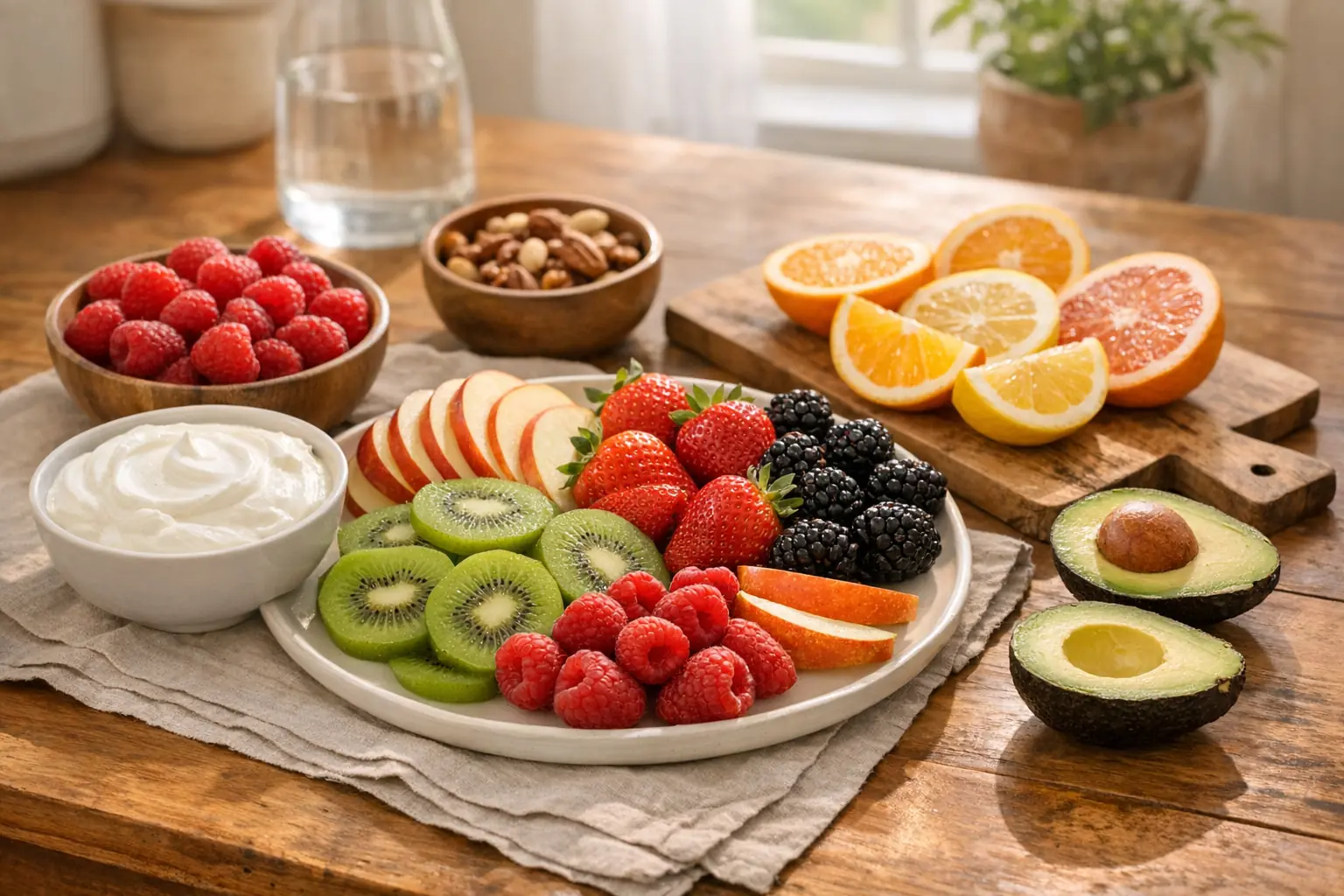
If you have been told to “watch your sugar,” fruit can start to feel confusing fast. The truth is that the best fruits for blood sugar control can absolutely fit into a healthy eating plan. The goal is not to fear fruit. The goal is to choose it well, portion it reasonably, and pair it in a way that works with your metabolism instead of against it.
A lot of people swing between two extremes. They either eat fruit like it is a free food and end up hungry again an hour later, or they cut it out completely and feel deprived. Neither approach tends to last. What works better is understanding why some fruits are easier on blood sugar, how your portion changes the response, and what to eat with fruit so you get energy without the spike-and-crash feeling.
At Duluth Metabolic, we like to bring fruit back into the real world. Fruit can be part of steady, sane eating, especially when you combine it with protein, fiber, and enough structure during the day. If you need broader context, blood-sugar-friendly breakfast ideas, meal timing for blood sugar control, and why do carbs make me tired are good places to start.
What makes a fruit better for blood sugar control
It is not only about sweetness.
The best fruits for blood sugar control tend to have some combination of:
- more fiber
- more water
- smaller typical serving sizes
- a lower overall sugar load per serving
- better satiety when paired with protein or fat
Whole fruit behaves differently than juice, smoothies loaded with multiple servings, dried fruit by the handful, or fruit eaten alongside a big refined-carb meal. Fiber slows digestion. Water adds volume. A smaller serving is simply easier for the body to handle.
That is why an apple with peanut butter often lands differently than apple juice and toast.
The best fruits for blood sugar control
These are usually the easiest starting points for people who want fruit without the roller coaster.
Berries
Strawberries, raspberries, blackberries, and blueberries are often near the top of the list.
They are rich in fiber, lower in sugar than many tropical fruits, and easy to portion. Raspberries and blackberries tend to be especially useful because they bring a lot of fiber for the amount of sugar they contain.
Berries also work well in real life. You can add a small portion to Greek yogurt, cottage cheese, chia pudding, oatmeal with extra protein, or a smoothie that is built around protein instead of juice.
If your mornings are hectic, combining berries with ideas from high-protein breakfast ideas in Duluth and blood-sugar-friendly smoothies in Duluth can keep breakfast from turning into a carb bomb.
Apples
Apples are practical for a reason.
They travel well, have a decent amount of fiber, and are easy to pair with a protein or fat source. Apple slices with peanut butter, almonds, cheese, or a Greek yogurt cup will usually go farther than an apple by itself.
Leaving the peel on matters. That is where much of the fiber lives.
Pears
Pears are another solid option, especially for people who want something a little more filling.
Like apples, they are best eaten whole and paired with something that slows digestion. Pears can work well as part of lunch or as an afternoon snack when you would otherwise go hunting for something sweet.
Citrus fruits
Oranges, clementines, and grapefruit can work well because they contain fiber and water, and they tend to feel satisfying without being too easy to overeat.
Whole citrus is the key here. Juice removes much of the natural braking system.
Kiwi
Kiwi is often overlooked, but it is a strong choice.
It brings fiber, vitamin C, and a manageable portion size. For many people it works well after a meal or alongside a higher-protein breakfast.
Cherries
Cherries can fit too, especially in reasonable portions.
They are easy to overdo if you snack mindlessly from a large bag or bowl, but a measured serving with a meal or paired snack can work well.
Avocado
Technically fruit, but very different from the others.
Avocado is low in sugar and rich in fat and fiber, which makes it one of the easiest fruits for blood sugar control. It is especially helpful for meals that need more staying power. Add it to eggs, salads, wraps, taco bowls, or snack plates.
Fruits that deserve a little more caution
This is not a bad list. It is a “pay attention” list.
Some fruits are easier to overeat or hit blood sugar harder, especially when eaten alone.
Bananas
Bananas can be useful, especially around exercise, but they are usually more blood-sugar-active than berries or apples. Ripeness matters too. A very ripe banana tends to hit faster than a firmer one.
For some people, half a banana paired with protein works well. A huge smoothie with two bananas, juice, and honey usually does not.
Grapes
Grapes are easy to keep eating because they are small and sweet. That is the main issue. Portion creep happens fast.
A measured portion with cheese or nuts is a much different experience than standing at the counter eating handful after handful.
Mango, pineapple, and other tropical fruits
These can still fit, but they often need more intention.
If you love them, try smaller portions and pair them with a meal rather than eating them alone. That keeps fruit in your life without pretending your body responds the same way to every option.
Dried fruit
Dried fruit is concentrated. The water is gone, but the sugar is still there.
A portion that feels tiny can represent a lot of fruit. It is easy to overshoot without realizing it. If you use dried fruit, think condiment, not free snack.
The biggest fruit mistakes people make
Most blood sugar issues with fruit come from how it is eaten, not from fruit existing.
Eating fruit by itself when already hungry
If your body is asking for a real meal and you answer with fruit alone, there is a good chance you will be hungry again soon.
Drinking your fruit
Juice, smoothie shop drinks, and “healthy” fruit blends can pack several servings of fruit into one quick hit. Even homemade smoothies can get out of hand if they are built around juice, banana, mango, dates, and honey.
Stacking fruit on top of refined carbs
A muffin and a fruit cup is not the same as eggs and berries. Cereal and orange juice is not the same as Greek yogurt with raspberries and walnuts.
Ignoring portion size
Even nutritious food still counts. A helpful portion can become a different story when it quietly turns into three servings.
How to eat fruit for better blood sugar control
This is the part that changes everything.
Pair fruit with protein
This is one of the simplest upgrades you can make.
Good pairings include:
- berries with Greek yogurt
- apple with peanut butter
- pear with cottage cheese
- orange with a handful of nuts
- kiwi with eggs or yogurt
Protein slows the meal down and helps you stay full longer. That is especially important for people dealing with diabetes, weight management, or afternoon energy crashes.
Use fruit after or with meals instead of by itself
Fruit often lands better when the rest of the meal is already doing some of the metabolic work for you. If you have it after a meal with protein, fiber, and fat, the response is often gentler than when you eat it alone on an empty stomach.
Measure for a week if you need a reality check
You do not need to weigh fruit forever. But if you genuinely do not know what one serving looks like, a week of paying attention can help.
Let your own body give feedback
Some people do great with apples and not bananas. Others tolerate cherries just fine but spike with grapes. If you are using CGM monitoring, fruit becomes much less emotional. You can look at the pattern instead of guessing.
Fruit, cravings, and energy crashes
Fruit is often blamed for problems that actually start earlier in the day.
If breakfast is tiny, lunch is delayed, protein is low, sleep is poor, and stress is high, then any sweet food is more likely to turn into a bigger craving loop. That does not mean fruit caused the issue. It means your metabolism was already running uphill.
That is why we usually zoom out and look at the whole pattern. Why is my blood sugar high in the morning, food noise and blood sugar, and stress, weight gain, and cortisol are often part of the same conversation.
Is low glycemic always best?
Not always.
The glycemic index can be useful as a rough guide, but it is not the full picture. It does not always reflect the portion you actually ate, what you ate with it, your sleep, your stress, your insulin sensitivity, or your recent activity.
A person who takes a walk after dinner may tolerate fruit differently than someone who ate it in the car after skipping lunch.
This is where a functional approach helps. We care about patterns, not just food lists.
Fruit can still support a healthy diet
It is worth saying clearly: whole fruit can bring fiber, antioxidants, hydration, and a little enjoyment to eating.
Many people improve their blood sugar more by fixing the big rocks than by banning fruit. Those big rocks are usually:
- getting more protein
- reducing liquid sugar
- eating fewer refined carbs
- building meals that actually satisfy
- moving after meals
- sleeping better
Fruit can fit very comfortably inside that kind of plan.
FAQ about the best fruits for blood sugar control
What is the single best fruit for blood sugar control?
There is no perfect single answer, but berries are often one of the easiest places to start because they are high in fiber and relatively lower in sugar.
Can people with diabetes eat fruit every day?
Usually yes. Whole fruit in reasonable portions can fit well for many people with diabetes, especially when paired with protein or eaten with meals.
Is fruit better in the morning or at night?
It depends on the person and the meal around it. Many people do better when fruit is paired with protein at breakfast or eaten after a balanced meal later in the day.
Is dried fruit okay?
Sometimes, but portion size matters a lot. Dried fruit is more concentrated and easier to overeat than fresh fruit.
Should I avoid bananas completely?
Not necessarily. Bananas can fit, but they are often better in smaller portions and paired with protein or used around exercise.
If fruit feels confusing and you want a plan that matches your blood sugar, energy, and real life, Duluth Metabolic can help. Reach out through our contact page and we can help you build meals that feel steady instead of stressful.