If you are searching for blood sugar-friendly smoothies in Duluth, MN, you are probably trying to solve a real-life problem. You want something quick, cold, and convenient, but you do not want to feel hungry again in forty minutes or sleepy halfway through the morning.
That is the problem with a lot of smoothie advice. It either treats every smoothie like health food or acts like fruit is the enemy. Real life sits somewhere in the middle. A smoothie can absolutely fit a better-energy, better-blood-sugar routine. It just depends on what goes in it, how much sugar it carries, and whether it actually keeps you full.
Duluth has some good smoothie options. What most local guides miss is the metabolic side of the decision. A pretty bowl or brightly colored drink can still hit like dessert if it is mostly juice, sweetened yogurt, fruit concentrate, honey, and granola. If you are dealing with cravings, diabetes, weight management, or all-over fatigue that seems tied to food, the details matter.
If you want more local nutrition help, also read healthy coffee shops in Duluth, MN, healthy breakfast in Duluth, MN, and blood sugar-friendly restaurants in Duluth, MN.
What makes blood sugar-friendly smoothies in Duluth, MN actually blood sugar-friendly
A smoothie works better for blood sugar when it has some structure.
In plain language, that means you want more than blended fruit. The better formula usually includes protein, fiber, and fat along with a moderate amount of carbohydrate. That slows digestion, helps you stay full longer, and reduces the sharp spike-and-crash cycle many people feel after sweet drinks.
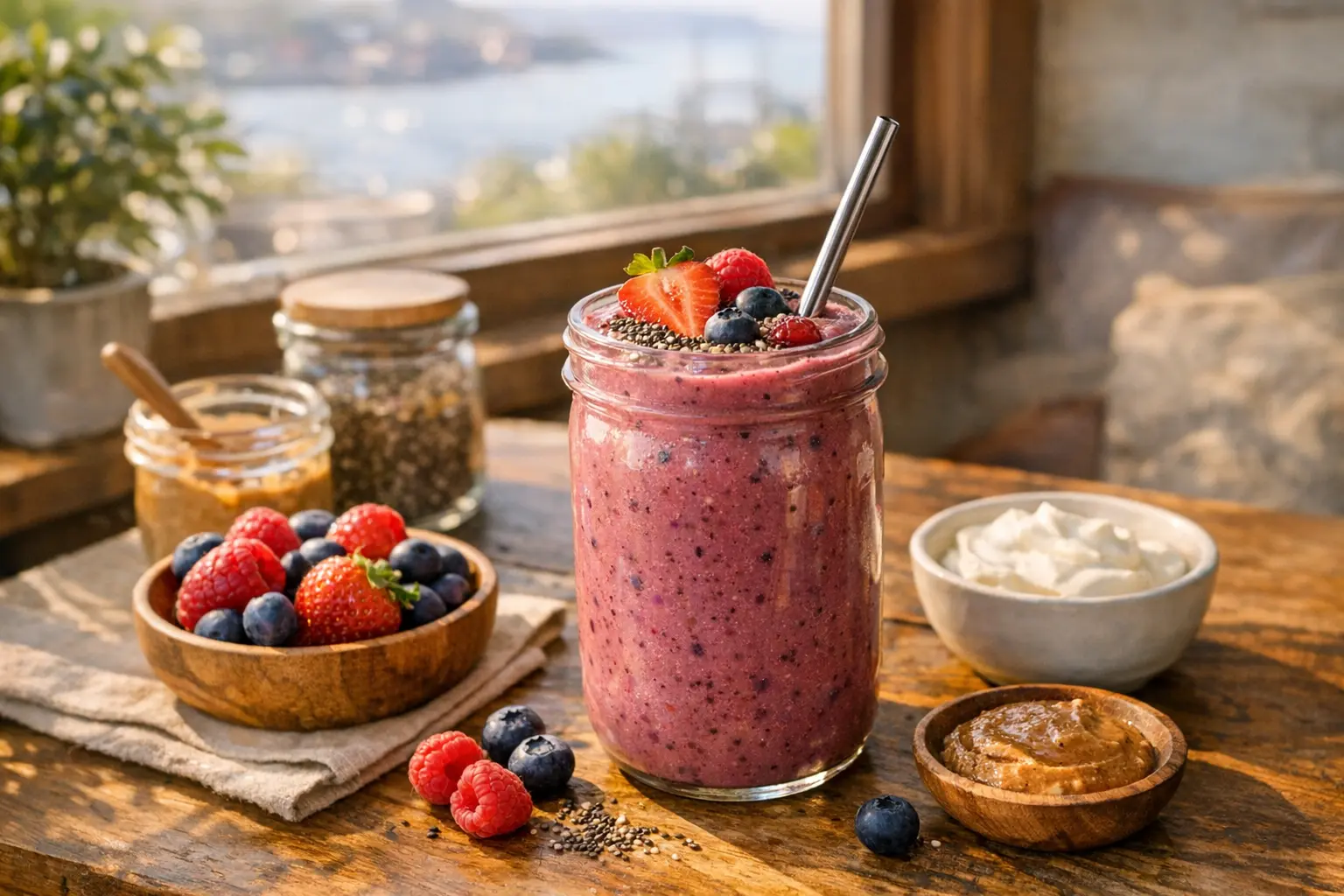
A smoothie is more likely to work for you when it includes things like:
- unsweetened Greek yogurt or a protein source
- chia seeds, flax, nut butter, or avocado
- berries instead of multiple high-sugar fruits
- unsweetened milk or milk alternatives
- greens or fiber-rich add-ins that do not wreck the taste
A smoothie is more likely to backfire when it is built from:
- fruit juice as the main base
- sherbet, sorbet, or sweetened frozen yogurt
- multiple sweeteners layered together
- large amounts of banana, mango, dates, agave, and honey in the same drink
- no protein and no real fat
That does not mean bananas or mango are bad. It means dose and pairing matter. The top-ranking national articles from Healthline and Health.com lean hard on the same point: smoothies work better when you slow them down with protein, fiber, and healthy fat. Most local guides never get that far. They stop at “here are some smoothie shops.”
Where to find blood sugar-friendly smoothies in Duluth, MN
This is not a ranking of the “best” shops in town. It is a practical guide to places people actually go and how to order more wisely once you get there.
Juice Pharm
Juice Pharm is one of the more obvious local stops because smoothies and bowls are a big part of what they do. The menu can be a good fit if you are intentional.
A smarter move here is to look for options that already include nut butter, seeds, greens, or protein, then ask whether the base is juice-heavy or can be adjusted. If a smoothie is built around fruit juice plus multiple sweet fruits, it may taste great and still leave you crashing later.
If you are choosing between a smoothie and a bowl, remember bowls often become much more sugar-dense once granola, honey, and extra fruit are stacked on top.
Crisp & Green
Crisp & Green gets traffic because it feels healthy right away. Sometimes it is. Sometimes the smoothie is basically a sweet drink wearing a wellness costume.
This is a good place to ask simple questions. Is the smoothie made with juice or milk? Is there added sweetener? Can protein be added? Could one fruit-heavy ingredient be reduced? Those small adjustments can make a bigger difference than most people expect.
Vitta Pizza / Velo Cafe / café-style smoothie stops
At café-style spots where smoothies are a smaller part of the menu, the best move is often to treat the smoothie like part of a meal, not the whole meal. If the smoothie itself is lighter on protein, pair it with eggs, yogurt, or another real-food option instead of hoping the drink will carry you for hours.
Shake It and nutrition-club style shops
This is where you want to slow down and ask what is actually in the drink. Some shake shops lean heavily on powders, mixes, sweeteners, and branding language that sounds healthy without telling you much about the nutrition.
If ingredients are vague, that is worth noticing. You do not need perfection, but you should know whether your smoothie is based on whole foods, sweetened mixes, or meal-replacement products that do not sit well with your body.
How to order blood sugar-friendly smoothies in Duluth, MN without overthinking it
You do not need to interrogate every cashier. A few simple questions usually tell you enough.
Ask what the liquid base is
If the base is fruit juice, the drink will usually hit blood sugar faster than one built on unsweetened milk, Greek yogurt, kefir, or an unsweetened alternative.
Ask where the protein comes from
A smoothie with little or no protein often feels good for fifteen minutes and then disappears. Protein is one of the biggest separators between a smoothie that works and one that behaves like dessert.
Watch the “healthy” add-ons
A lot of smoothie shops add honey, agave, dates, sweetened granola, chocolate drizzle, fruit concentrate, or flavored yogurt. None of that is evil. It just adds up fast.
Keep fruit, but tighten the mix
Berries tend to be easier to work with than giant blends of banana, mango, pineapple, orange juice, and sweetened coconut. You can still enjoy fruit. You just do not need five sweet ingredients fighting for the same blender.
Decide whether this is a snack or a meal
If it is a snack, smaller makes sense. If it is a meal, it should eat like one. That means enough protein, enough staying power, and not just a flood of fast carbs.
Best ingredients for blood sugar-friendly smoothies in Duluth, MN
If you are ordering or making your own, these are the ingredients that usually support steadier energy better.
Protein-first ingredients
Greek yogurt, cottage cheese, plain kefir, unsweetened protein powder, collagen paired with another protein source, or even tofu in some blends can make a smoothie much more useful.
Fiber and fat that help the smoothie last
Chia seeds, flax, nut butter, hemp hearts, avocado, and shredded coconut in reasonable amounts help a lot. They also tend to make the texture better, which is a nice bonus.
Fruit choices that tend to be easier on blood sugar
Berries are a solid starting point. Smaller amounts of banana can work fine too, especially when the rest of the smoothie is balanced. The issue is usually not one ingredient. It is the total stack of sugar-heavy ingredients.
Why blood sugar-friendly smoothies in Duluth, MN matter more than people think
People often dismiss smoothies as a small choice. But small choices repeated all week become a pattern.
If your usual breakfast is a sweet smoothie, then coffee, then a midmorning snack because you are hungry again, that is not just a willpower problem. It is a setup problem. The meal did not hold.
We see this all the time in people who feel stuck. They are trying to eat “healthy,” but their version of healthy is still leaving them with:
- cravings a couple hours later
- shakiness or irritability when meals run late
- energy dips in the afternoon
- stubborn hunger even when calories look reasonable
- confusion about why “clean eating” is not helping
That is where CGM monitoring can be especially useful. A smoothie that looks healthy on paper can produce a much bigger glucose response than expected. Another smoothie with more protein and less sugar may feel completely different. Sometimes seeing that in real time changes everything.
Better smoothie routines for busy adults in Duluth
A smoothie is usually most helpful when it solves a real problem.
Maybe mornings are rushed. Maybe you cannot do a heavy breakfast before work. Maybe you need something after a workout that does not come from a vending machine. Great. Use smoothies for that.
But build the routine so it helps instead of hurts.
A few better patterns look like this:
- a protein-rich smoothie after an early workout, then a normal lunch
- a smaller smoothie with extra protein as a bridge between appointments
- a smoothie paired with eggs or leftovers when you know a long morning is coming
- a homemade version on the days when ordering out tends to turn into sugar overload
If blood sugar swings are part of your bigger story, pair this article with blood sugar-friendly breakfast ideas, meal prep for blood sugar control, and why is my blood sugar high in the morning.
FAQ about blood sugar-friendly smoothies in Duluth, MN
Are smoothies bad for blood sugar?
Not automatically. A smoothie can work well when it includes enough protein, fiber, and fat. The trouble starts when it is mostly juice and fruit with very little staying power.
What is the best smoothie order for steadier energy?
Usually one built with a low-sugar base, a clear protein source, fiber-rich add-ins, and a moderate amount of fruit. Berries, Greek yogurt, chia, and nut butter are common good starts.
Are smoothie bowls healthier than smoothies?
Not always. Bowls often pick up extra granola, honey, fruit, and other toppings that push sugar much higher.
Can I still have a smoothie if I am trying to lose weight?
Yes, but it should fit your day. A smoothie can help with weight loss if it keeps you full and replaces a worse option. It can work against weight loss if it is basically dessert in a cup.
How do I know if a smoothie is spiking my blood sugar?
Look at how you feel afterward. Hunger, sleepiness, cravings, and a quick energy drop are clues. A continuous glucose monitor gives the clearest answer.
The bottom line
The best blood sugar-friendly smoothies in Duluth, MN are not necessarily the prettiest ones. They are the ones that help you feel steady, full, and clear-headed after you drink them.
If you are tired of guessing what your body will do after breakfast or frustrated that your “healthy” choices still leave you crashing, contact Duluth Metabolic. We can help you build a more practical nutrition plan around your schedule, your symptoms, and the way your body actually responds to food.