The Glucose Monitor Goes Mainstream
A few years ago, continuous glucose monitors were medical devices prescribed exclusively for people with diabetes. Today, non-diabetics are wearing them to lose weight, optimize energy, and understand how food actually affects their body.
The shift makes sense. Blood sugar management sits at the center of metabolic health. Every time you eat, your blood sugar rises, your body releases insulin, and a cascade of metabolic decisions happens: store fat or burn it, feel energized or crash, stay satisfied or get hungry again in an hour.
Until recently, you had no way to see any of this happening. You ate based on calorie counts, food pyramids, or whatever diet was trending. CGM changes the game by showing you exactly what's happening inside your body after every meal, workout, and night of sleep.
How CGM Actually Works
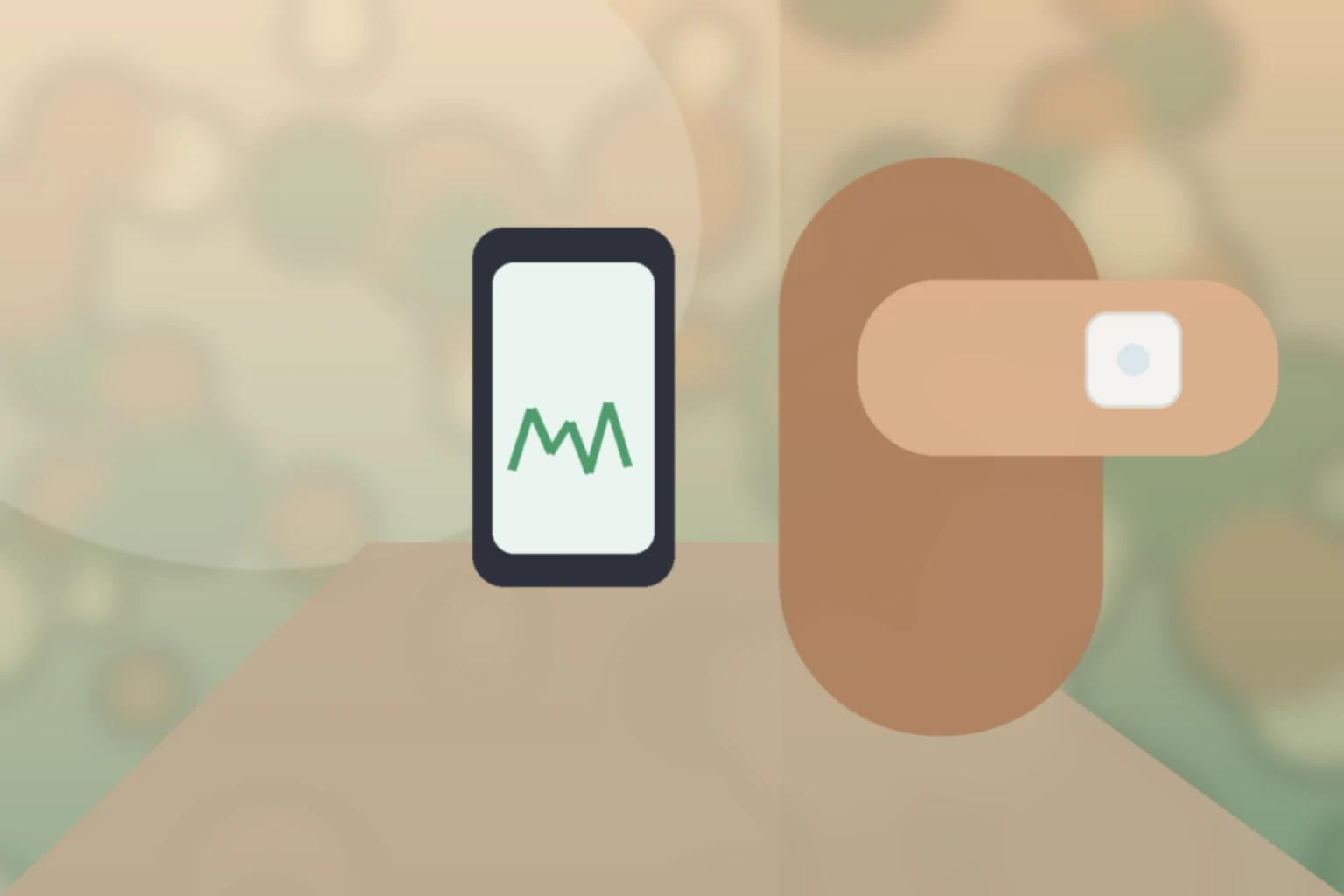
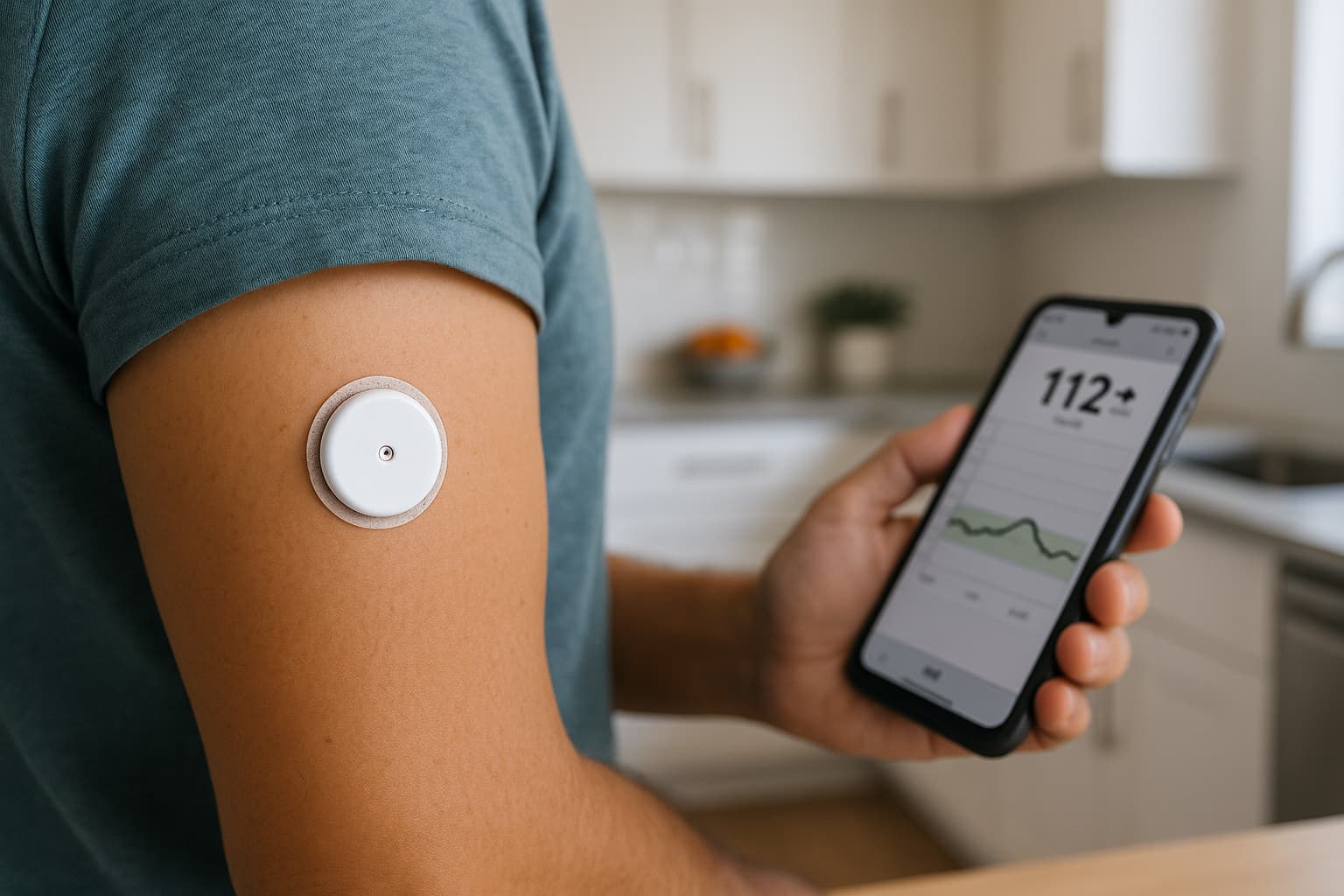
A continuous glucose monitor is a small sensor, about the size of a quarter, that sticks to the back of your upper arm. A tiny filament sits just under the skin and measures glucose levels in your interstitial fluid every few minutes. The data goes to an app on your phone.
You get a continuous stream of data showing your glucose level, trend arrows (rising, falling, stable), and a graph of your readings over time. You can see what happened after breakfast, during your workout, while you slept, and during that afternoon meeting that stressed you out.
The sensor lasts 10-14 days, is waterproof, and most people forget they're wearing one after the first day. Application involves a quick press of an applicator. Most people are surprised by how painless it is.
At Duluth Metabolic, we use CGM monitoring as a core part of our metabolic health programs because the data it provides is irreplaceable.
Why CGM Is a Game-Changer for Weight Loss
Here's the problem with every weight loss diet you've ever tried: it's based on averages. The glycemic index says a certain food is "low glycemic." The nutrition label says it has a certain number of calories. A diet book says to eat these foods and avoid those ones.
But your body isn't average. Research has shown that two people can eat identical meals and have wildly different glucose responses. A food that barely registers for one person might spike blood sugar significantly for another. This individual variation is one of the reasons diet advice is so contradictory and confusing.
CGM reveals your personal glucose response to everything you eat. Instead of following generic rules, you eat based on data that's specific to your body.
What CGM Taught Our Clients
When clients first start wearing a CGM, there are almost always surprises.
One common discovery: oatmeal, promoted for decades as a heart-healthy breakfast, spikes glucose dramatically for many people. The same person might eat eggs and avocado for breakfast and have perfectly stable glucose all morning.
Another pattern: the "healthy" smoothie loaded with fruit and honey that sends glucose soaring to 180 mg/dL, followed by a crash that triggers hunger and cravings two hours later.
Or the rice-versus-potato discovery. Some people handle rice well but spike on potatoes. Others are the opposite. There's no way to know without seeing the data.
These insights transform how people eat. Instead of following rules that may or may not apply to them, they develop a personalized understanding of which foods keep their glucose stable and which ones don't.
The Glucose-Fat Storage Connection
This is the mechanism that makes CGM relevant for weight loss: when blood glucose spikes, your body releases insulin to bring it back down. Insulin's primary job is to drive glucose into cells, but it also tells your body to store fat and stop burning fat.
High glucose spikes mean high insulin responses. High insulin means fat storage mode. It also means the subsequent glucose crash triggers hunger, cravings, and the urge to eat again, often reaching for more high-glycemic foods. The cycle repeats.
When you eat in a way that keeps glucose stable, insulin stays low. Low insulin allows your body to access stored fat for energy. You stay satisfied longer between meals. Cravings decrease. Weight loss becomes easier because you're working with your metabolism instead of fighting it.
CGM shows you, in real time, which eating patterns keep you in fat-burning mode and which ones push you into fat-storage mode.
Using CGM Data for Smarter Eating
CGM isn't just about avoiding glucose spikes. It teaches you strategies that optimize your entire metabolic response to food.
Meal composition matters. Adding protein and fat to a carbohydrate-heavy meal blunts the glucose spike. A bowl of plain pasta might spike you to 170 mg/dL, but the same pasta with chicken and olive oil might only reach 130 mg/dL. CGM shows you the difference in real time.
Meal order matters. Research shows that eating vegetables and protein before carbohydrates in the same meal reduces the glucose spike by 30-40%. CGM lets you test this yourself.
Walking after meals matters. A 15-minute walk after eating can reduce a post-meal spike by 30-50%. Your muscles absorb glucose during movement, reducing the demand on insulin. CGM makes the benefit visible immediately.
Meal timing matters. Many people discover that the same food eaten at breakfast causes a bigger spike than when eaten at lunch. Others find that late-night eating disrupts overnight glucose stability and affects how they feel the next morning.
These are nuances that no diet book can teach because they're specific to your body. Our nutrition coaching programs use CGM data to build these personalized strategies into a sustainable eating approach.
Beyond Weight Loss: What Else CGM Reveals
Glucose stability affects far more than weight. Many CGM users report improved energy levels once they stop the spike-and-crash cycle. The afternoon slump often disappears when lunch stops causing a glucose rollercoaster.
Sleep quality correlates with overnight glucose stability. If your glucose is bouncing around while you sleep, you're not getting the restorative rest your body needs. CGM reveals these patterns.
Stress shows up on CGM. A stressful phone call or tense meeting can spike glucose without eating anything. Seeing this data makes the connection between stress and metabolic health tangible and motivating.
Exercise response is visible. You can see exactly how different types of workouts affect your glucose. Some people find that intense cardio causes a temporary spike (from cortisol and adrenaline) while resistance training keeps glucose stable. This informs exercise therapy decisions.
Getting Started With CGM
At Duluth Metabolic, we incorporate CGM into our metabolic health programs as part of a comprehensive approach that includes biomarker testing, nutrition coaching, and accountability coaching.
Most clients wear CGM for 1-3 months during their initial program. That's enough time to identify patterns, build personalized nutrition strategies, and develop an intuitive understanding of how your body responds to food. After that, periodic CGM check-ins help verify that your metabolic health is staying on track.
The data CGM provides isn't just interesting. It's transformative. It replaces diet confusion with clarity and turns weight loss from a guessing game into a data-driven process.
Ready to See What Your Body Is Actually Doing?
If you're tired of following diets that don't work and want to understand your metabolism at a personal level, contact us to learn about our CGM-integrated metabolic health programs. The data might surprise you, and it will definitely change how you eat.