GLP-1 Diarrhea Relief: What Helps, What to Eat, and When to Call Your Provider
If you are searching for GLP-1 diarrhea relief, there is a good chance you started semaglutide or tirzepatide hoping to feel better, then ended up afraid to leave the house.
That part does not get talked about enough.
GLP-1 medications can be incredibly helpful for blood sugar, appetite regulation, and weight loss. They can also be rough on the digestive system, especially during the first few weeks or after a dose increase. A lot of people expect some nausea. Fewer expect urgent loose stools, cramping, dehydration, or the weird mix of diarrhea one day and constipation the next.
The good news is that this usually has a pattern, and there are practical ways to make it easier. At Duluth Metabolic, we do not think patients should be told to just push through miserable side effects and hope for the best. We want people to understand what is happening, how to support their body, and when symptoms are telling you the dose, the food choices, or the overall plan needs to change.
If you are new to these medications, it may also help to read semaglutide: what to know before starting, semaglutide nausea relief, GLP-1 constipation relief, and GLP-1 weight loss plateau.
Why GLP-1 medications can cause diarrhea
GLP-1 medications change digestion on purpose.
That is part of why they work.
These medications slow stomach emptying, change gut hormone signaling, reduce appetite, and affect how food moves through the digestive tract. That can help reduce overeating and improve blood sugar control, but it can also create a stretch of digestive chaos while your body adjusts.
For some people, the result is nausea and fullness. For others, it is belching, bloating, sulfur burps, constipation, diarrhea, or some combination of all of it.
Diarrhea tends to show up more often when:
- you are early in treatment
- your dose was just increased
- meals are too large for your current appetite and stomach emptying speed
- high-fat foods are still in the rotation
- you are drinking alcohol, lots of coffee, or sugar alcohols
- protein and fiber are low, but processed snack foods are still high
- you are accidentally under-eating, then overcorrecting later in the day
A lot of patients think the medication is “hurting their stomach” in some mysterious way. Usually it is more mechanical than that. Digestion has slowed, appetite cues have changed, meal size no longer matches capacity, and the gut is not thrilled about the mismatch.
GLP-1 diarrhea relief starts with one question: mild and temporary, or persistent and disruptive?
This distinction matters.
A couple days of looser stools after starting or titrating up is common. It is unpleasant, but it does not always mean the medication is wrong for you.
What deserves more attention is diarrhea that keeps going, wakes you up at night, makes it hard to stay hydrated, causes dizziness, or keeps happening every time you eat. That can snowball into low energy, headaches, poor workouts, and a general feeling that the medication is running your life instead of helping it.
If you already deal with chronic fatigue, blood sugar swings, or lower food intake, a few days of fluid loss can hit harder than people expect.
What helps GLP-1 diarrhea the most
Most people want a magic supplement or one perfect food. Usually relief comes from a few boring fixes done consistently.
Eat smaller meals for a while
This is one of the biggest misses.
If the medication has cut your appetite in half, but you are still trying to eat like your old self at dinner, your gut may revolt. Smaller meals are often easier to tolerate than a few heavy ones.
That may mean:
- half the portion you used to eat
- eating more slowly
- stopping before you feel stuffed
- separating very rich foods from the day you take your injection
When people say, “I barely ate anything,” but the meal was greasy takeout eaten quickly after a long stretch without food, that still counts as a tough digestive load.
Keep fat intake moderate, not extreme
High-fat meals are a common trigger.
That does not mean food needs to be dry and joyless. It does mean your gut may not love burgers, fries, pizza, creamy sauces, or heavy restaurant meals right after a GLP-1 dose increase.
A temporary reset often helps:
- lean protein
- cooked vegetables
- oatmeal or rice if tolerated
- yogurt or kefir if dairy works for you
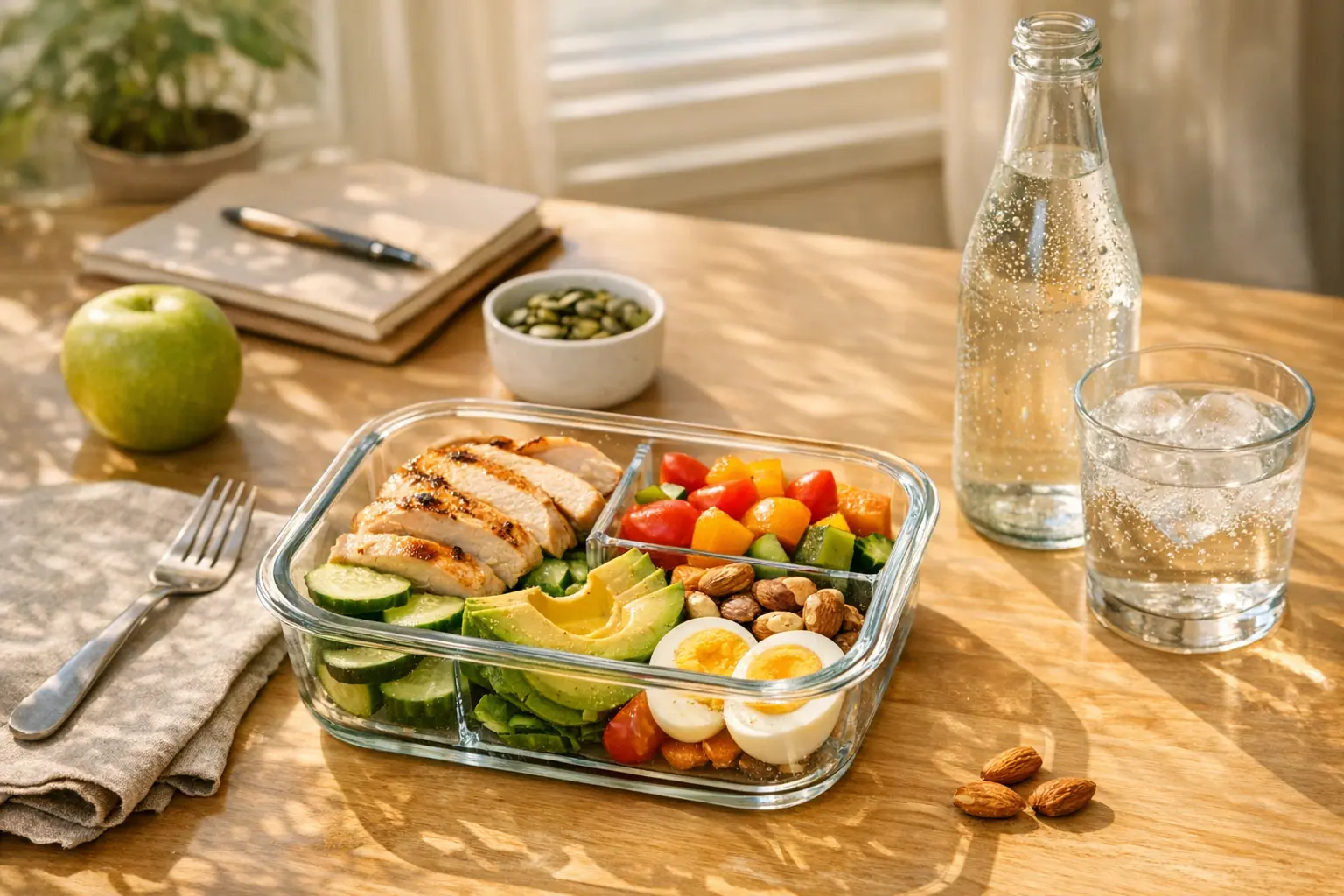
- eggs, turkey, chicken, tuna, cottage cheese
- soups and simple meals instead of giant restaurant portions
If you need help building meals around protein without triggering symptoms, nutrition coaching can make this a lot easier.
Hydrate like it matters, because it does
Diarrhea on a GLP-1 can leave you wiped out fast.
Plain water helps, but if symptoms are frequent, you may need sodium too. Headaches, lightheadedness, fatigue, brain fog, and feeling weirdly weak can all be signs that you are behind on fluids and electrolytes.
This gets even more important if you are also drinking coffee, doing hard workouts, or using sauna and cold plunge thermoregulation.
Look hard at sugar alcohols, supplements, and shakes
A lot of “healthy” products make diarrhea worse.
Protein bars, sugar-free candy, magnesium products, meal replacement shakes, collagen drinks, greens powders, and electrolyte mixes can all play a role depending on the ingredient list. Sugar alcohols are a common problem. So is loading up on a supplement stack right when your stomach is already irritated.
If symptoms ramped up after you added something new, do not ignore that timing.
Slow the rate of eating
This sounds too simple, but it matters.
Fast eating can make delayed stomach emptying feel much worse. People often do better when they take smaller bites, pause between them, and stop before they feel physically full.
Consider whether the dose escalation was too aggressive
Some patients do fine on the medication but not on the pace.
If diarrhea reliably starts after every increase, your body may need more time before moving up. That is a prescribing conversation, not something to white-knuckle alone. One reason patients appreciate a more personalized clinic is that the plan can adapt to the patient, instead of the patient being forced to adapt to a rigid protocol.
What to eat when your stomach is touchy on semaglutide or tirzepatide
There is no one perfect GLP-1 meal plan, but there are foods that are usually easier when your gut is irritated.
Good temporary options often include:
- simple proteins like eggs, chicken, turkey, fish, Greek yogurt, or cottage cheese
- cooked vegetables instead of giant raw salads
- oatmeal, rice, potatoes, or toast in modest portions if they sit well
- broth-based soups
- applesauce or bananas if you need something gentle
What tends to backfire:
- fried foods
- very rich restaurant meals
- heavy desserts
- giant salads loaded with fat and fiber at the same time
- alcohol
- eating almost nothing all day, then trying to catch up at night
There is also a difference between eating for comfort and eating for tolerance. A bunch of crackers may feel safe in the moment, but if protein disappears for days, people often feel weaker, hungrier later, and less stable overall. That is part of why we keep coming back to steady protein intake, even in a gentler form. Our article on muscle loss on GLP-1 explains why that matters so much.
When diarrhea might mean the plan needs to change
Sometimes the answer is patience. Sometimes it is not.
You should talk with your provider sooner if:
- diarrhea is severe or lasts more than several days in a row
- you cannot stay hydrated
- you feel faint, weak, or notice a racing heart
- there is blood in the stool
- you have significant abdominal pain
- vomiting and diarrhea are both happening together
- symptoms keep returning and you are afraid to eat
- weight is dropping too fast and you feel awful
This is especially important if you have high blood pressure, blood sugar issues, kidney concerns, or you are on other medications that can be affected by dehydration.
At that point, it stops being a minor side-effect question and becomes a whole-person management issue.
Why some people tolerate GLP-1 medications better than others
Part of it is genetics. Part of it is dose. Part of it is the starting point.
Someone with a chaotic eating schedule, low protein intake, poor sleep, high stress, lots of ultra-processed food, and underlying insulin resistance may have a rougher start than someone with a steadier foundation.
That does not mean you failed. It means the medication is landing in a real human body with its own context.
If your blood sugar has been all over the place for a while, a CGM monitoring plan can help connect symptoms with meals, stress, sleep, and appetite changes. Sometimes what feels like “the medication is wrecking me” is actually a mix of GI adjustment, under-fueling, and old blood sugar instability.
GLP-1 diarrhea relief is easier when the medication is not the whole plan
This is one of the biggest gaps in the content that ranks now.
A lot of top articles explain that diarrhea is common, then stop at hydration, bland foods, and calling your doctor if it gets bad. That advice is fine as far as it goes. It just leaves out the part patients actually need: how to keep moving forward without losing muscle, wrecking energy, or bouncing between side effects and food fear.
At Duluth Metabolic, we think GLP-1 medications work best when they are part of a bigger strategy that includes:
- enough protein to protect lean mass
- meal structure that fits your appetite and digestion
- support for insulin resistance, not just appetite suppression
- coaching and accountability when symptoms make it hard to stay consistent
- labs when fatigue, weakness, or poor tolerance suggest more is going on
That is the difference between losing weight fast and getting healthier in a way that holds up.
If this is your first step into the bigger picture, start with GLP-1s alone vs a full metabolic health plan, food noise and blood sugar, and what happens when you stop Ozempic.
FAQ: GLP-1 diarrhea relief
How long does diarrhea last on GLP-1 medications?
For many people, diarrhea improves within days to a couple of weeks, especially after the body adjusts to a new dose. If it is persistent, severe, or keeps recurring, it is worth talking with your provider.
Is diarrhea more common with semaglutide or tirzepatide?
Both can cause diarrhea. Individual response matters more than internet debates. Some people tolerate one better than the other, but the real issue is usually dose, meal pattern, and overall tolerance.
Should I stop my GLP-1 if I have diarrhea?
Do not make medication changes on your own unless you are having a severe reaction and cannot reach your clinician. Mild symptoms may improve with food, hydration, and time. More disruptive symptoms may mean the dose or timing needs to change.
What foods are easiest when I have GLP-1 diarrhea?
Simple proteins, broth-based soups, cooked vegetables, oatmeal, rice, toast, bananas, and applesauce are often easier in the short term. Very fatty or rich foods tend to be harder.
Can dehydration from GLP-1 diarrhea make me feel anxious or exhausted?
Yes. Fluid and electrolyte losses can leave you shaky, tired, foggy, and just plain off. That is one reason side effects deserve attention early.
You should not have to guess your way through this
A lot of patients feel embarrassed bringing this up. They think diarrhea means they are doing something wrong, or they worry they will be told to just deal with it because weight loss is still happening.
You deserve better than that.
If you are struggling with GLP-1 side effects, weight loss medication questions, blood sugar issues, or the feeling that your plan is too generic to work in real life, contact Duluth Metabolic. We can help you build a smarter plan that supports weight loss without making you miserable in the process.