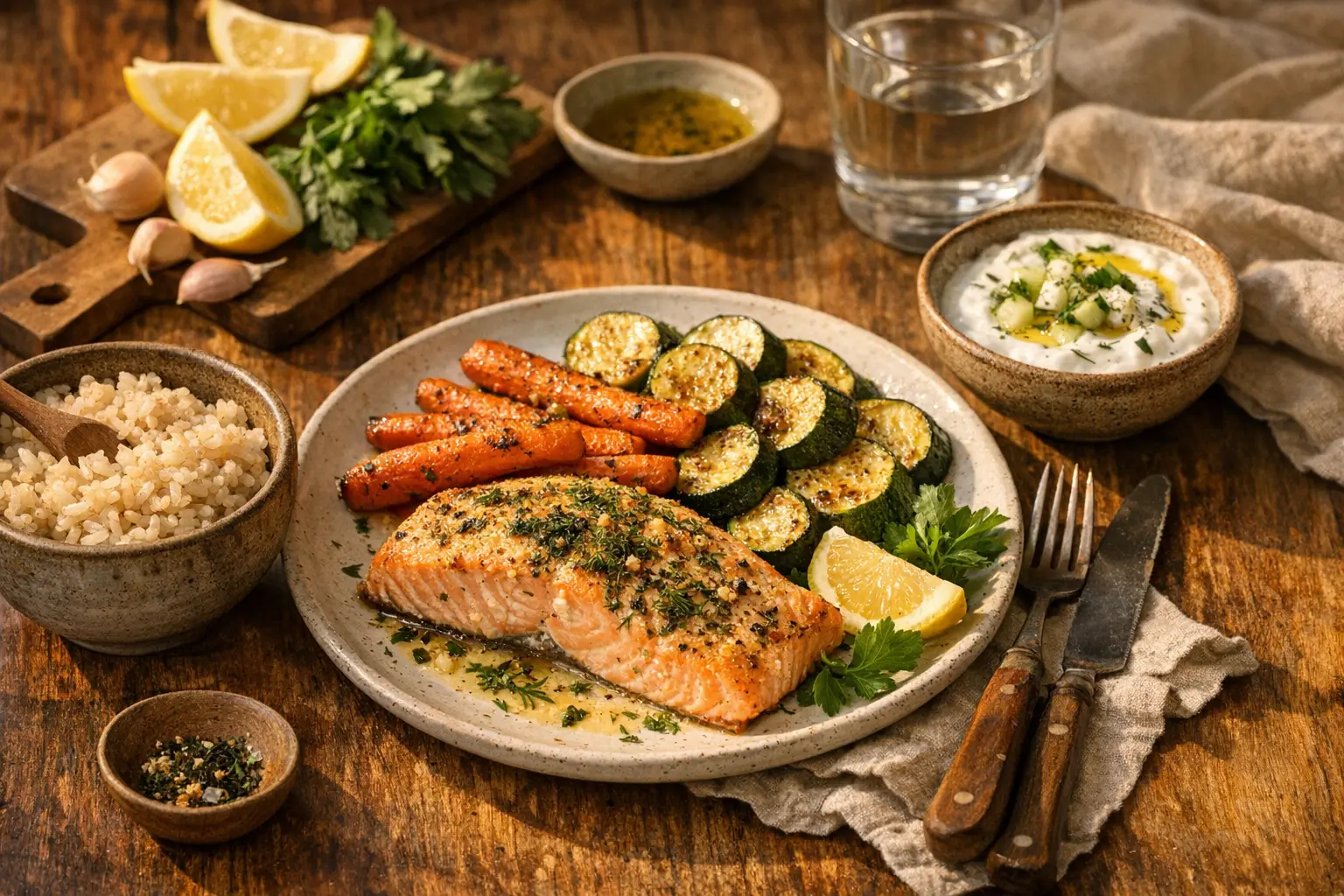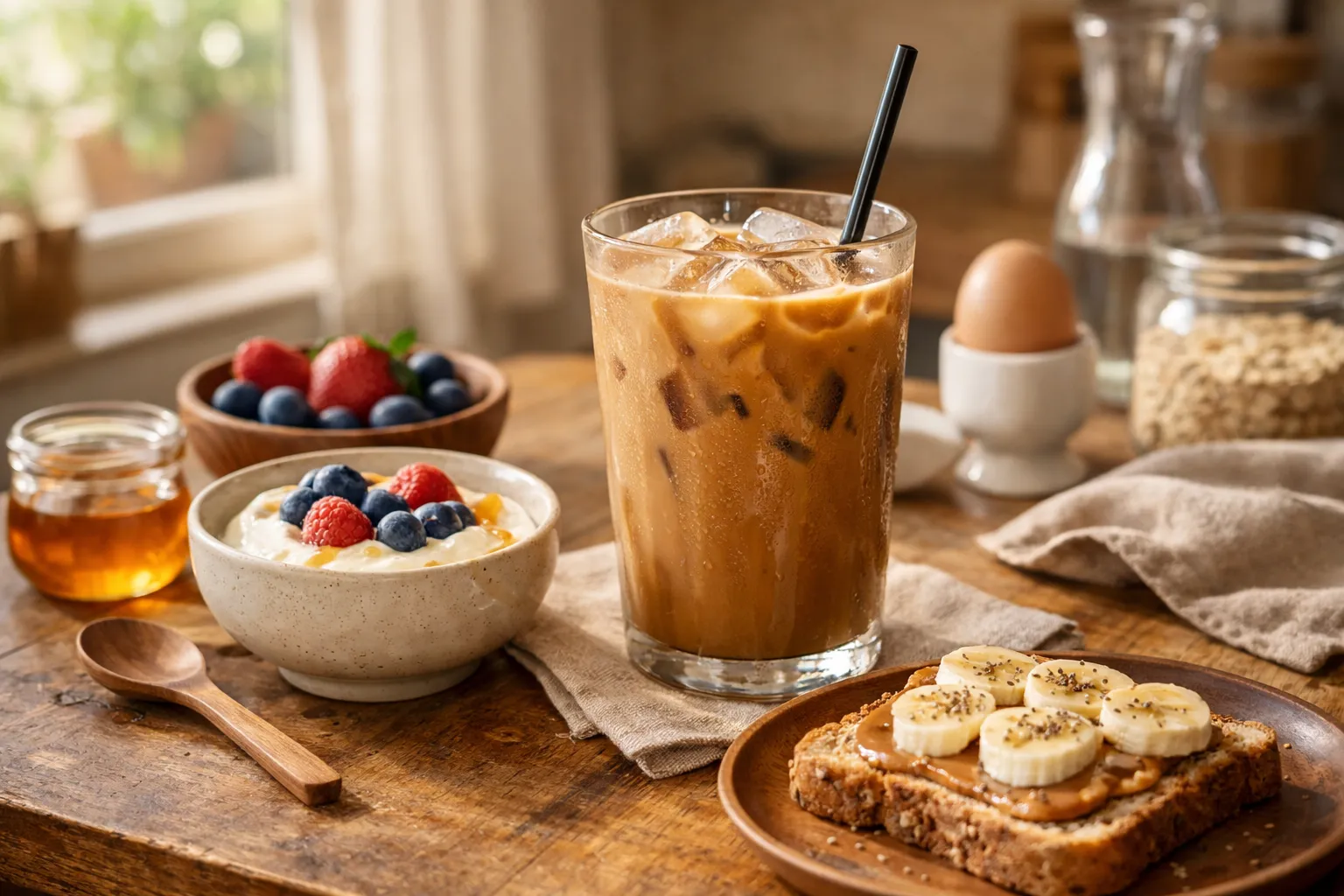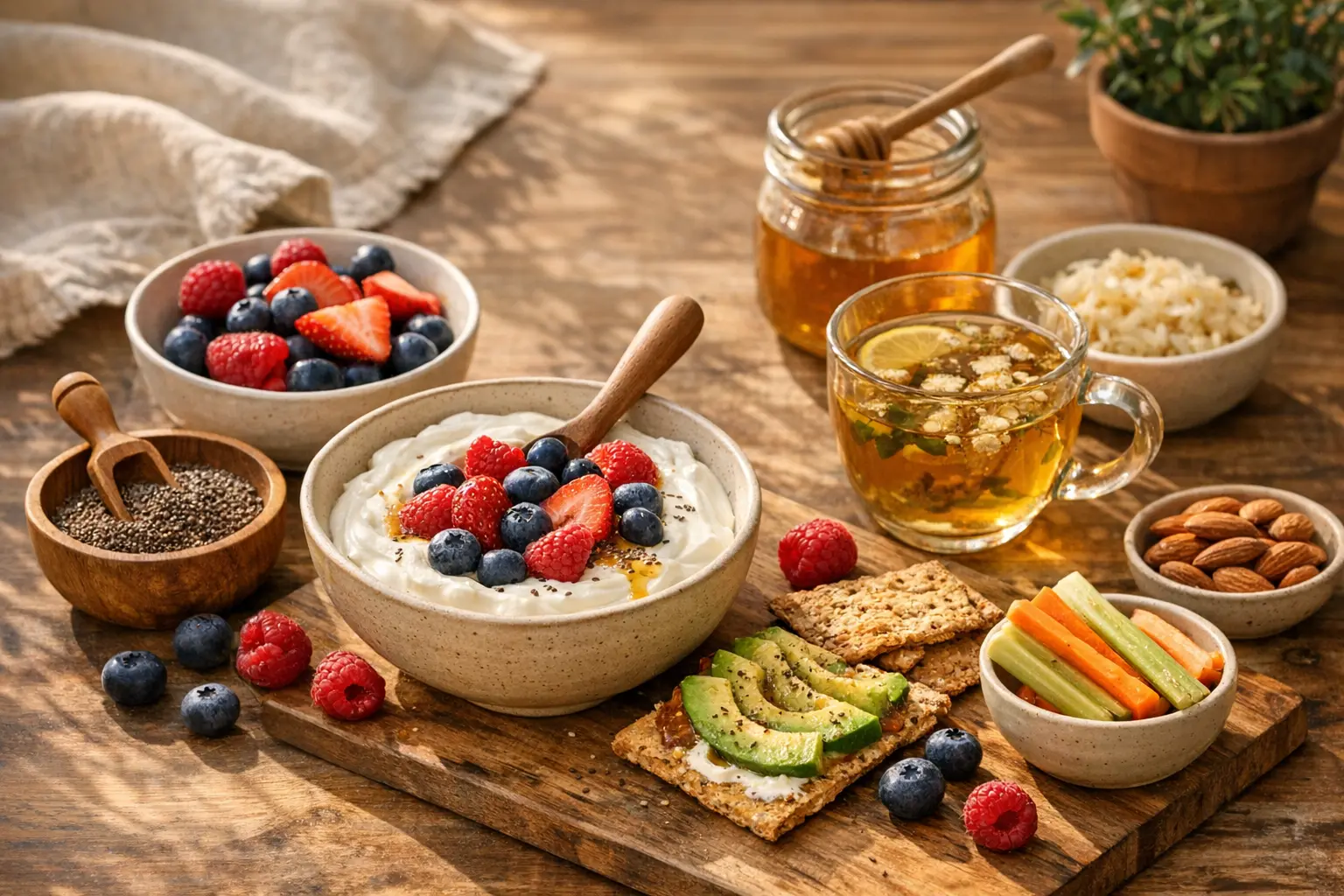
If you feel like sugar cravings come out of nowhere, there is usually more going on than weak willpower. Sleep, stress, habit, and meal timing all matter. But gut health and sugar cravings are connected too, and that part of the conversation often gets ignored. When your digestion is off, your meals are not satisfying, or your blood sugar swings hard through the day, cravings can get loud fast.
This is where a lot of people get frustrated. They try to rely on discipline, then beat themselves up when the afternoon crash hits and the snack drawer wins. In reality, gut health and sugar cravings often feed into each other. Highly processed food can throw off digestion and appetite cues. Poor gut health can change how hungry, bloated, or inflamed you feel. Blood sugar spikes can make you want more of the exact foods that got you there.
At Duluth Metabolic, we look at cravings as useful information, not a character flaw. They can point toward meal imbalance, stress overload, inconsistent sleep, insulin resistance, poor protein intake, or digestive issues that need attention. If you want more context, our articles on gut health habits for busy adults, food noise and blood sugar, and why is my blood sugar high in the morning are good places to start.
How gut health and sugar cravings can affect each other
Your gut is not just a tube food passes through. It is part of a larger communication system that involves hormones, the nervous system, the immune system, and the brain.
That does not mean gut bacteria are mind-controlling your pantry choices. It does mean that the state of your gut can influence appetite, satiety, inflammation, and how stable you feel after eating.
A few common patterns show up here.
If your meals are low in protein and fiber, the gut does not get much help slowing digestion. Blood sugar rises fast, then drops, and cravings follow.
If you are relying on ultra-processed snacks, sweet coffee drinks, or grab-and-go foods all day, your gut microbiome may get less of the fiber and variety it tends to like. That can affect digestion and appetite signals.
If you are bloated, constipated, inflamed, or dealing with frequent stomach issues, it is harder to build a routine that feels steady. You are more likely to skip meals, eat reactively, and chase quick energy.
Sugar cravings are often a blood sugar problem first
A lot of people want to fix cravings with a supplement or a gut cleanse. Usually the better first question is this: are you eating enough real food early in the day?
If breakfast is coffee, lunch is random, and dinner is the first solid meal, your body is going to ask for fast fuel. That does not mean you are broken. It means your system is trying to catch up.
This is one reason cravings often overlap with diabetes, weight-management, and the feeling of being hungry all the time even when you are trying to eat less. For some people, cgm-monitoring is a game changer because it shows how specific meals, snacks, or skipped meals create the swings that drive cravings later.
What poor gut health can feel like in real life
People do not usually say, “I think my microbiome is off.” They say:
- I am bloated after meals
- I crave sweets at night
- I feel hungry even after eating
- my energy crashes around 3 p.m.
- I swing between constipation and loose stools
- I get snacky when I am stressed
- I do okay for a few days, then it all falls apart
Sometimes that is mostly a meal quality problem. Sometimes stress and sleep are the main drivers. Sometimes digestive dysfunction is part of the picture too.
That is why broad wellness advice can feel useless. If you are dealing with bloated after eating in Duluth MN, fatigue, or blood sugar swings, the right plan is usually more specific than “just cut sugar.”
Gut health and sugar cravings often get worse with these habits
Starting the day with very little protein
A muffin, toast, or sweet coffee drink is easy, but it often sets up more hunger later. A steadier breakfast might be eggs, Greek yogurt, cottage cheese, or leftovers with fruit or vegetables on the side.
Going too long without eating, then overeating later
This is common in busy adults who are trying to be “good” during the day. By evening, cravings hit hard because the body wants quick energy now.
Living on convenience food
Some convenience food is useful. The issue is when most of the day is built from foods that are easy to overeat and do not satisfy for long.
Not getting enough fiber variety
Gut health tends to do better when meals include a wider mix of plants over time. That can mean berries, greens, beans, oats, chia, lentils, vegetables, nuts, seeds, and fermented foods when tolerated.
Treating stress like it has nothing to do with food
Stress changes appetite, gut motility, sleep, and food decisions. If cravings get stronger when life gets chaotic, that is not random.
What to do when gut health and sugar cravings keep showing up together
You do not need a perfect protocol. You need a few things that lower the noise.
Build breakfast around protein and real food
This is one of the fastest ways to calm the day down. Think eggs and vegetables, Greek yogurt with berries and chia, cottage cheese with fruit and nuts, or a blood sugar-friendly smoothie that is not basically dessert.
Stop making lunch optional
A real lunch helps more than people expect. Try leftovers, soups, taco bowls, salads with enough protein, or simple meal prep. If lunch is tiny, cravings often show up late afternoon and roll right into the evening.
Add fiber more steadily, not all at once
If your digestion is sensitive, suddenly dumping a ton of fiber into your diet can backfire. Start with foods you tolerate well and increase gradually. Our guide on gut health foods in Duluth MN can help with ideas.
Use sweets more intentionally
For many people, an all-or-nothing approach makes cravings worse. A dessert after a balanced meal often lands better than picking at sweets when you are already starving.
Support sleep and stress on purpose
It is hard to separate cravings from poor sleep. If you are exhausted, your hunger and reward signals are going to feel different. The same is true when stress is high for weeks at a time.
Look at patterns, not isolated moments
One night of wanting chocolate is not the issue. The issue is when cravings are running the show daily. That is where structure, data, and support matter.
Foods that may help calm cravings while supporting the gut
People often want a single magic food here. There is not one. But there are foods that tend to help because they are more satisfying and support steadier digestion.
These include:
- Greek yogurt or kefir if dairy works for you
- eggs
- beans and lentils when tolerated
- berries
- chia and flax
- oats paired with protein and fats
- nuts and seeds
- fermented foods in small amounts if they sit well
- vegetables you can repeat without a fight
- meals with enough protein to actually shut down hunger
If you are trying to white-knuckle cravings while eating tiny meals, you are making it harder than it needs to be.
When cravings may be pointing to something deeper
Sometimes sugar cravings are part of a bigger metabolic picture.
That can include insulin resistance, poor sleep, chronic stress, under-eating, hormonal shifts, medication changes, or digestive problems that leave you feeling inflamed and unsatisfied. This is especially common in adults dealing with chronic fatigue, perimenopause, or long stretches of high stress.
If the same pattern keeps repeating no matter how motivated you are, it may be time to step back and get more useful information. That can mean biomarker testing, more personalized nutrition coaching, or looking at whether your current eating pattern is actually working for your metabolism.
A better way to think about cravings
Cravings are not always a gut problem. They are not always a blood sugar problem either. Most of the time, they are a systems problem.
When meals are irregular, sleep is off, stress is high, digestion is cranky, and blood sugar is all over the place, cravings make sense.
The answer is not shame. It is building more stability into the day.
That might mean a more consistent breakfast. Better lunch. More protein. Less liquid sugar. More sleep. Less decision fatigue. A simpler grocery routine. Sometimes it also means getting off the internet carousel of random gut supplements and actually figuring out what your body is responding to.
FAQ about gut health and sugar cravings
Can gut health really affect sugar cravings?
It can be one factor. Gut health influences digestion, satiety, and signaling between the gut and the brain. It is not the whole story, but it can absolutely be part of it.
Are sugar cravings always caused by bad gut bacteria?
No. Cravings are commonly driven by blood sugar swings, poor sleep, stress, under-eating, habit, and highly processed food intake. Gut health may contribute, but it is rarely the only cause.
What is the fastest way to reduce cravings?
For a lot of people, the fastest win is eating enough protein and real food earlier in the day. Skipping meals and then trying to resist cravings later usually does not work well.
Should I take a probiotic for sugar cravings?
Maybe, maybe not. Some people benefit, but probiotics are not a universal answer. It is usually smarter to fix meal structure, sleep, stress, and fiber intake first.
When should I get help?
If cravings are intense, daily, paired with fatigue or digestive symptoms, or making it hard to manage your weight or blood sugar, it is worth getting more personalized support.
If you are tired of feeling like cravings are in charge, Duluth Metabolic can help you sort out what is actually driving them and build a plan that feels steady instead of exhausting. When you are ready, start the conversation through /contact.