Most people do not need another lecture about probiotics.
They need gut health advice that still works when they are juggling work, kids, stress, travel, bad sleep, inconsistent meals, and a calendar that never really clears out. That is why the best gut health habits for busy adults are not the trendiest ones. They are the ones you can repeat without rebuilding your whole life.
If your digestion has felt off, it is easy to end up in a rabbit hole. One person says cut gluten. Another says drink kefir. Someone else says your whole personality problem is actually your microbiome. Meanwhile, you are just trying to get through the workday without bloating, reflux, constipation, diarrhea, or the weird mix of hunger and nausea that makes dinner feel like a chore.
At Duluth Metabolic, we try to bring people back to what is practical. The gut matters. It affects digestion, inflammation, blood sugar, mood, appetite, and energy. But improvement usually comes from basic habits done consistently, not from chasing a perfect supplement stack.
If this connects with your experience, it may also help to read gut brain connection mood, chronic inflammation, and labs normal but feel terrible.
Why gut health habits for busy adults matter so much
Your gut is not just a tube where food goes. It is part of a larger system that affects immune function, blood sugar regulation, nutrient absorption, bowel regularity, inflammation, and even how stable you feel mentally.
That does not mean every symptom comes from the gut. It does mean the gut is often part of the story.
When your routine is hectic, a few patterns tend to show up fast:
- rushed meals
- low fiber intake
- more ultra-processed convenience food
- irregular sleep
- chronic stress
- less movement
- more caffeine and alcohol than your body really tolerates
None of those make you a bad patient. They just create an environment where digestion gets less support than it needs.
That is why gut health habits for busy adults have to be realistic. If the advice only works for someone who meal preps every Sunday, sleeps eight perfect hours, and meditates at sunrise, it is not real-world advice.
Gut health starts with your daily food pattern, not one superfood
A lot of marketing around gut health focuses on one item: one yogurt, one powder, one greens blend, one fancy probiotic. Real gut support is less exciting than that.
Most people do better when they consistently eat more whole foods, more fiber, and more variety across the week.
That matters because beneficial gut bacteria feed on what you repeatedly give them. If most of your intake is convenience food, liquid calories, snack foods, and low-fiber meals, your gut environment usually reflects that.
A better target is simple:
- vegetables most days
- fruit most days
- beans, lentils, nuts, seeds, or whole-food fiber sources when tolerated
- regular protein with meals
- enough water for digestion to work normally
This does not need to become a food purity contest. Some people hear "gut health" and immediately assume they have to cut everything fun. Usually they need to add more support before they start removing random foods.
If blood sugar swings are part of the picture, blood sugar friendly breakfast ideas and food noise and blood sugar can help tie digestion and appetite together.
One of the best gut health habits for busy adults is eating slower than your stress level
This sounds almost too basic, but it matters.
If you inhale lunch while answering emails or eat dinner standing at the kitchen counter, your digestive system is getting the message that speed matters more than breakdown. That affects chewing, fullness cues, reflux, and the way food moves through the gut.
You do not need a candlelit meal. You do need a little margin.
Try this instead:
- sit down for meals when you can
- put the fork down between a few bites
- chew more than you think you need to
- pause halfway through and ask whether you are still hungry
Slowing down helps digestion start earlier. It can also make overeating less likely, which matters for reflux, bloating, sluggishness, and post-meal blood sugar.
For people who feel puffy, overfull, or exhausted after eating, this habit is sometimes more useful than adding another supplement.
Fiber helps, but more is not always better on day one
Fiber is one of the most helpful tools for gut health. It supports bowel regularity, feeds beneficial bacteria, and can help with fullness and blood sugar.
But there is an important catch.
If your current intake is low, suddenly doubling or tripling fiber can make you miserable. More gas, more bloating, more cramping, more frustration. Then people decide fiber "doesn't work for them" when really they just increased it too aggressively.
A better approach is to build slowly.
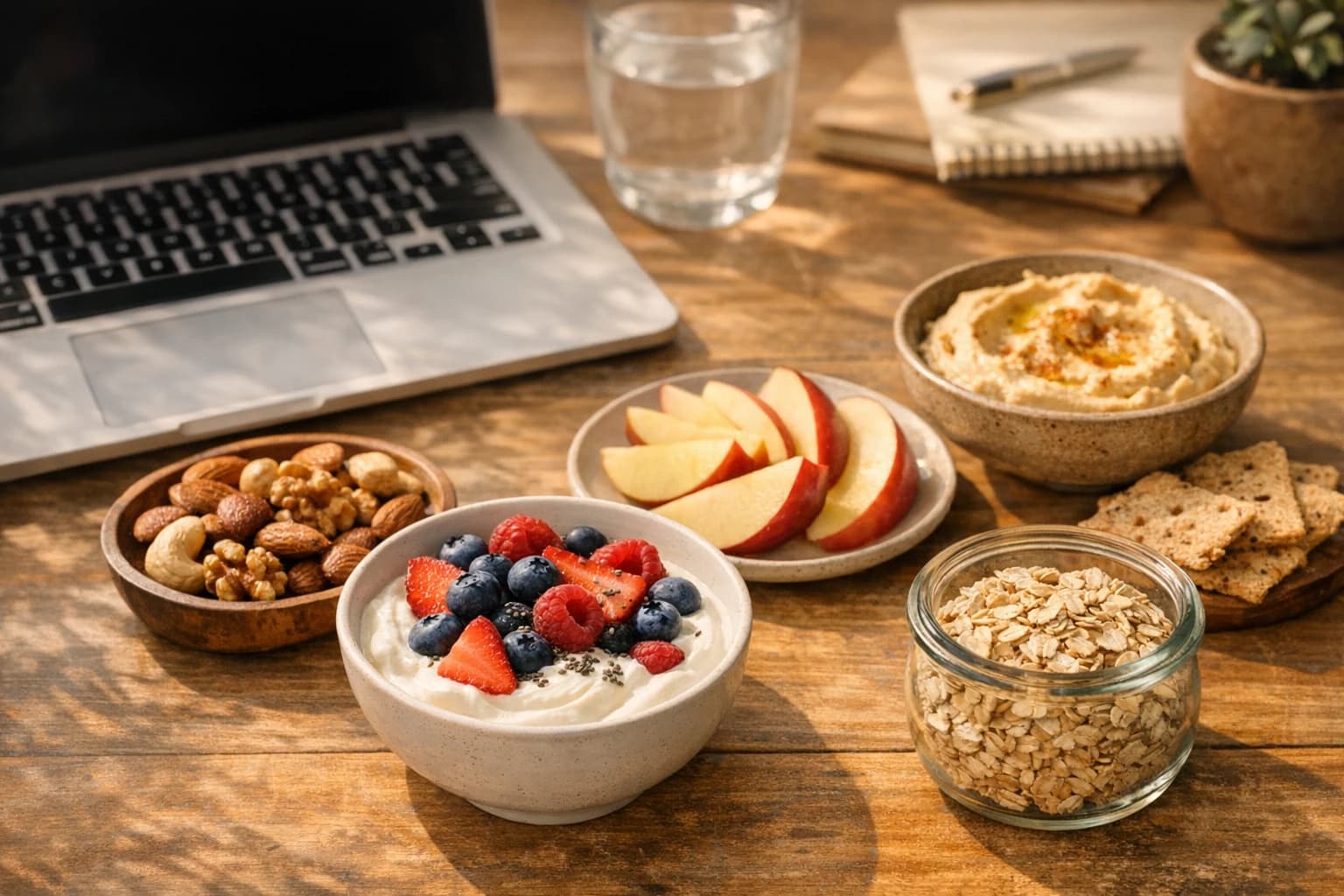
Start by upgrading one meal or one snack at a time. Add berries to breakfast. Swap a low-fiber snack for nuts and fruit. Add beans to a soup. Add cooked vegetables to dinner. Choose chia, flax, or lentils if they sit well.
The goal is not to become a fiber hero overnight. The goal is to build tolerance and consistency.
Fermented foods can help, but they are not mandatory for everyone
Fermented foods like yogurt with live cultures, kefir, sauerkraut, kimchi, or miso can be useful. For some people they support digestion and microbial diversity. For others, especially those with significant bloating or sensitivity, they may need to be introduced slowly.
This is where common internet advice falls apart. People assume a healthy food should feel great immediately. Sometimes it does. Sometimes your gut needs a slower ramp. Sometimes your symptoms point to something deeper, like IBS patterns, food intolerance, constipation, reflux, or a mismatch between what your system can handle right now and what is theoretically healthy.
So yes, fermented foods can be part of gut health habits for busy adults. No, you do not fail if you are not eating kimchi every day.
Meal rhythm matters more than endless grazing
Busy adults often live in one of two extremes.
They either skip meals and then crash into dinner starving, or they graze constantly and never give digestion a real break.
Neither pattern feels great for most people.
Going too long without eating can drive cravings, irritability, and overeating later. Constant snacking can keep you feeling bloated and leave blood sugar on a roller coaster. What usually works better is a steadier rhythm with real meals that include protein, fiber, and enough food to actually hold you.
That rhythm looks different for different people, but the big idea is the same. Your body tends to like predictability more than chaos.
If you are trying to sort out appetite, fatigue, and metabolic symptoms at the same time, reactive hypoglycemia after meals and high triglycerides low hdl are useful companion reads.
Movement is one of the most overlooked gut health habits for busy adults
Most people think of exercise as a weight-loss tool. The gut sees it differently.
Regular movement can support motility, help constipation, improve stress resilience, and support a healthier gut environment. You do not need an elite training plan for this benefit. Walking counts. Strength training counts. A brisk ten-minute walk after dinner counts.
That matters in Duluth, where winter can make people less active for months if they do not plan around it. If outdoor walking gets rough, indoor tracks, hallways, stairs, or simple home sessions still help.
If you want a manageable place to start, read walk after meals blood sugar, functional training for beginners over 40, and exercise as medicine.
Stress and gut symptoms are not separate conversations
Anyone who has ever had stress diarrhea, stress constipation, reflux during a hard week, or a stomach that seems to knot up before a difficult conversation already knows this.
The gut and brain talk to each other all the time.
That does not mean your symptoms are imaginary. It means your nervous system affects digestion in very real ways. Chronic stress can change appetite, bowel habits, food tolerance, inflammation, and the way you interpret discomfort.
This is one reason some people feel better on vacation and worse the minute real life comes back.
Supporting the gut often means supporting the stress system too. That may include better meal rhythm, more protein earlier in the day, walking, strength training, less caffeine on an empty stomach, and a sleep schedule that is less chaotic.
For some patients, stress weight gain cortisol, sleep and metabolic health, and anxiety and depression are part of the same map.
Sleep is a gut habit too
When sleep gets sloppy, digestion often follows.
Poor sleep can raise inflammation, worsen cravings, affect bowel patterns, and make the next day more dependent on caffeine, sugar, and random snacking. Then the gut gets blamed for a problem that is partly being driven by exhaustion.
This is especially common in adults who are trying to power through fatigue while pretending their schedule is sustainable.
A few improvements help more than people expect:
- consistent sleep and wake times
- less alcohol close to bed
- less scrolling in the hour before sleep
- more daylight early in the day
- enough food during the day so you are not raiding the pantry at night
If you live in northern Minnesota, long winters and disrupted light exposure can make this harder. That is part of why vitamin D and light therapy for seasonal wellness and circadian rhythm metabolic health chronotherapy matter.
When gut symptoms may point to a deeper issue
Not every digestive complaint is solved with hydration and yogurt.
Sometimes the gut is waving a flag for something bigger. That could include significant constipation, reflux, nutrient deficiencies, medication side effects, chronic stress, thyroid issues, insulin resistance, or food patterns that are leaving you under-fueled and inflamed.
Pay attention if you have:
- bowel changes lasting weeks
- frequent bloating after most meals
- worsening reflux
- abdominal pain
- unexplained fatigue
- iron deficiency or low B12
- alternating diarrhea and constipation
- symptoms that flare with stress but never fully settle
This is where broader evaluation matters. The gut does not live in a silo. Sometimes digestive symptoms are part of a larger metabolic picture.
That is one reason advanced biomarker testing, optimal vs normal lab ranges in functional medicine, and chronic fatigue can become relevant even when the complaint starts as bloating or irregularity.
A realistic starter plan for busy adults
If you want to improve your gut without turning your week upside down, start here:
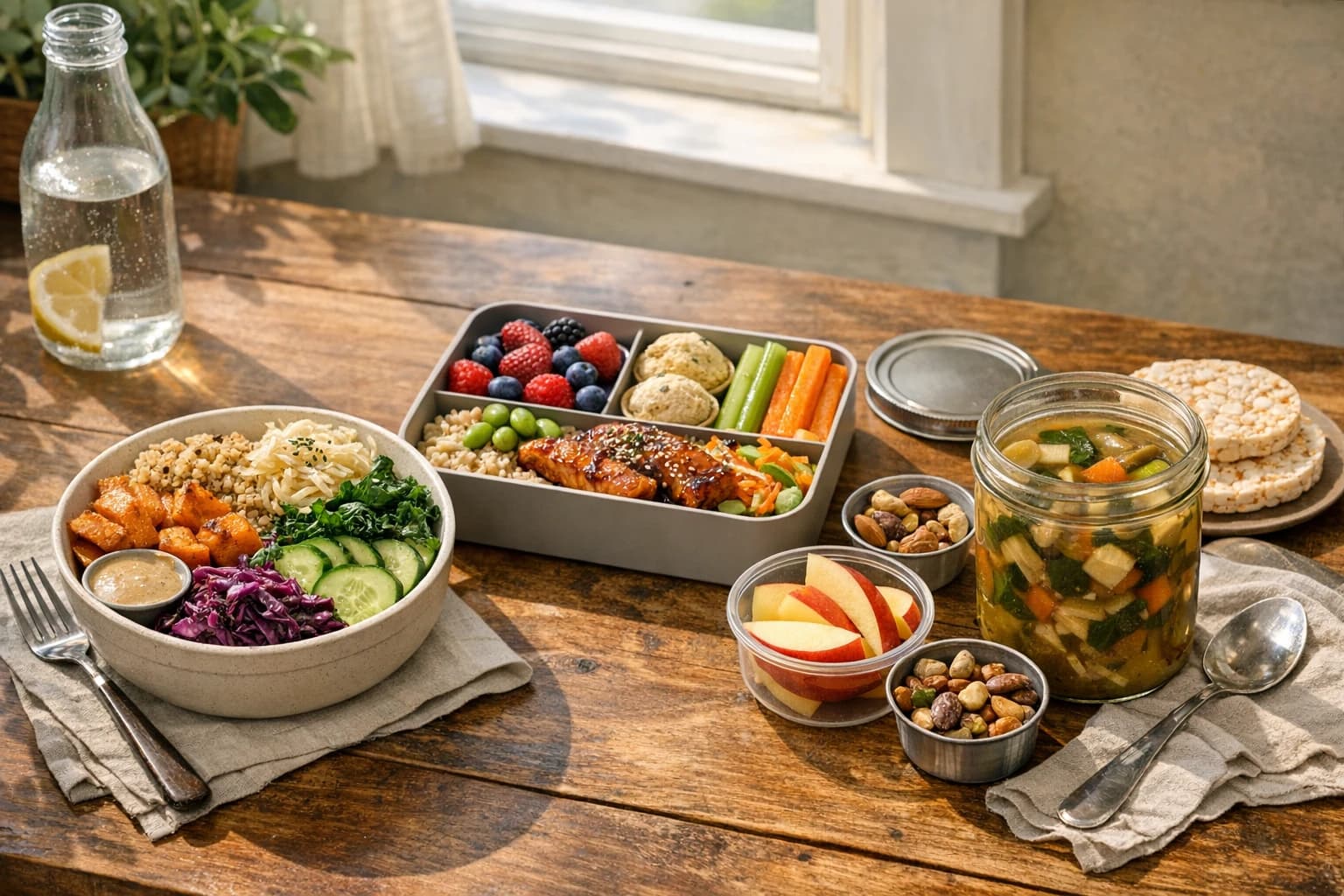
Pick one meal to improve. Add protein and a whole-food fiber source.
Drink more water. Not in a heroic way, just enough that your body is not constantly under-hydrated.
Walk after one meal per day.
Eat sitting down more often.
Go to bed at a more consistent time.
That is not flashy, but it is usually where momentum begins.
You do not need to fix every habit at once. The gut responds well to repeatable support.
FAQ
What are the best gut health habits for busy adults?
The most useful starting points are better meal rhythm, more whole-food fiber, enough protein, hydration, regular movement, lower stress load where possible, and more consistent sleep.
Do I need probiotic supplements?
Not always. Some people benefit, but many do better first by improving food quality, meal pattern, and lifestyle habits. Supplements make more sense when they fit a bigger plan.
What if healthy foods make me bloated?
That can happen. It may mean you need to increase fiber more gradually, change portion size, or look deeper at digestion and tolerance instead of forcing a perfect food list.
Can gut health affect mood?
Yes. The gut and brain are closely connected. Poor digestion, inflammation, unstable blood sugar, and chronic stress can all affect mood and energy.
How long does it take to notice improvement?
Some people feel better within a week or two of changing meal rhythm, hydration, and fiber intake. Deeper issues may take longer and may need more personalized support.
The bottom line
The best gut health habits for busy adults are not complicated. They are steady.
Eat real food more often. Slow down enough to digest it. Move your body. Sleep like it matters. Pay attention when your gut keeps asking for help.
And if you have been trying random gut fixes without getting anywhere, there may be a bigger pattern underneath the symptoms. Duluth Metabolic can help you look at digestion in the context of the whole picture, including stress, blood sugar, inflammation, and daily habits. Contact us if you want a more personalized plan.