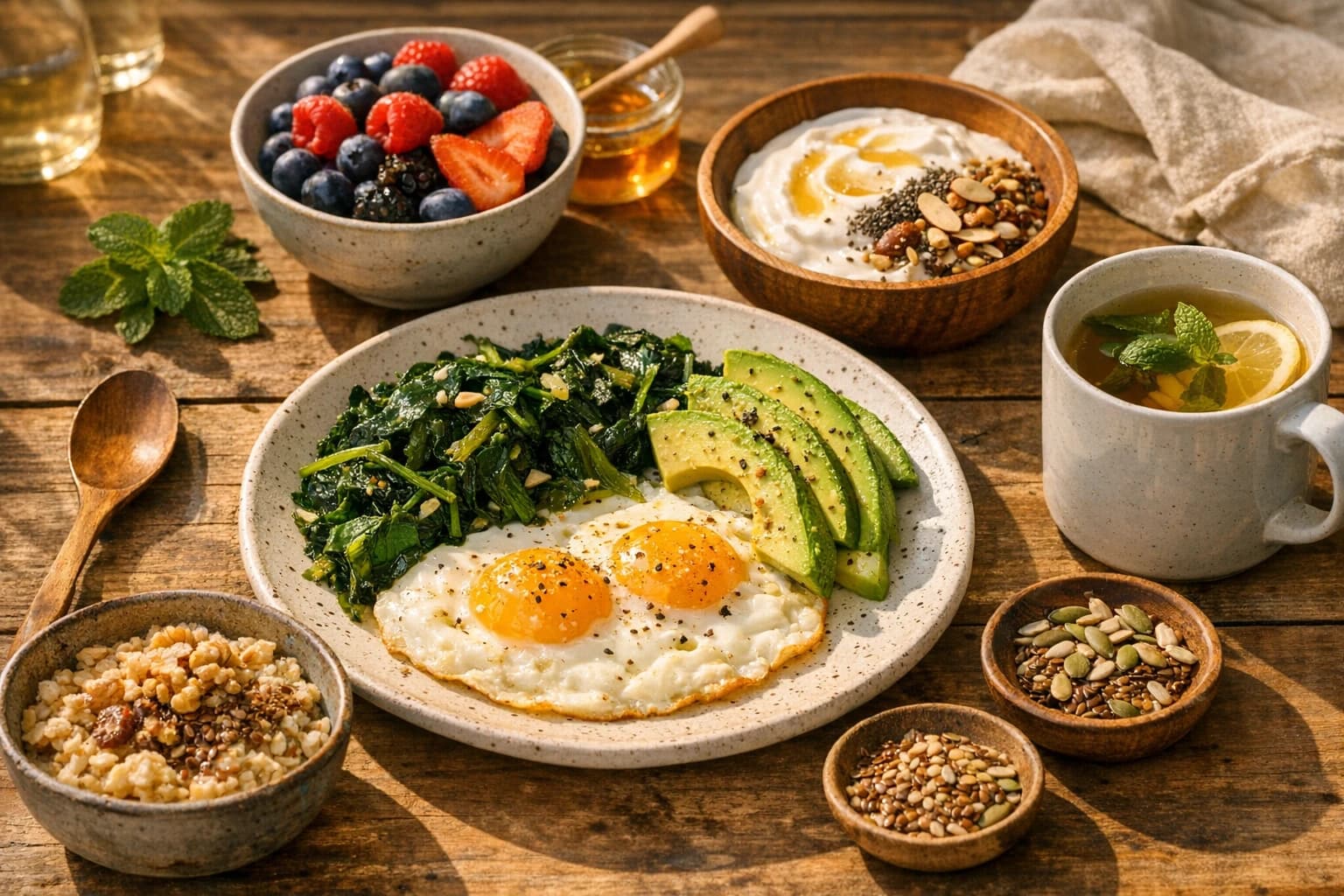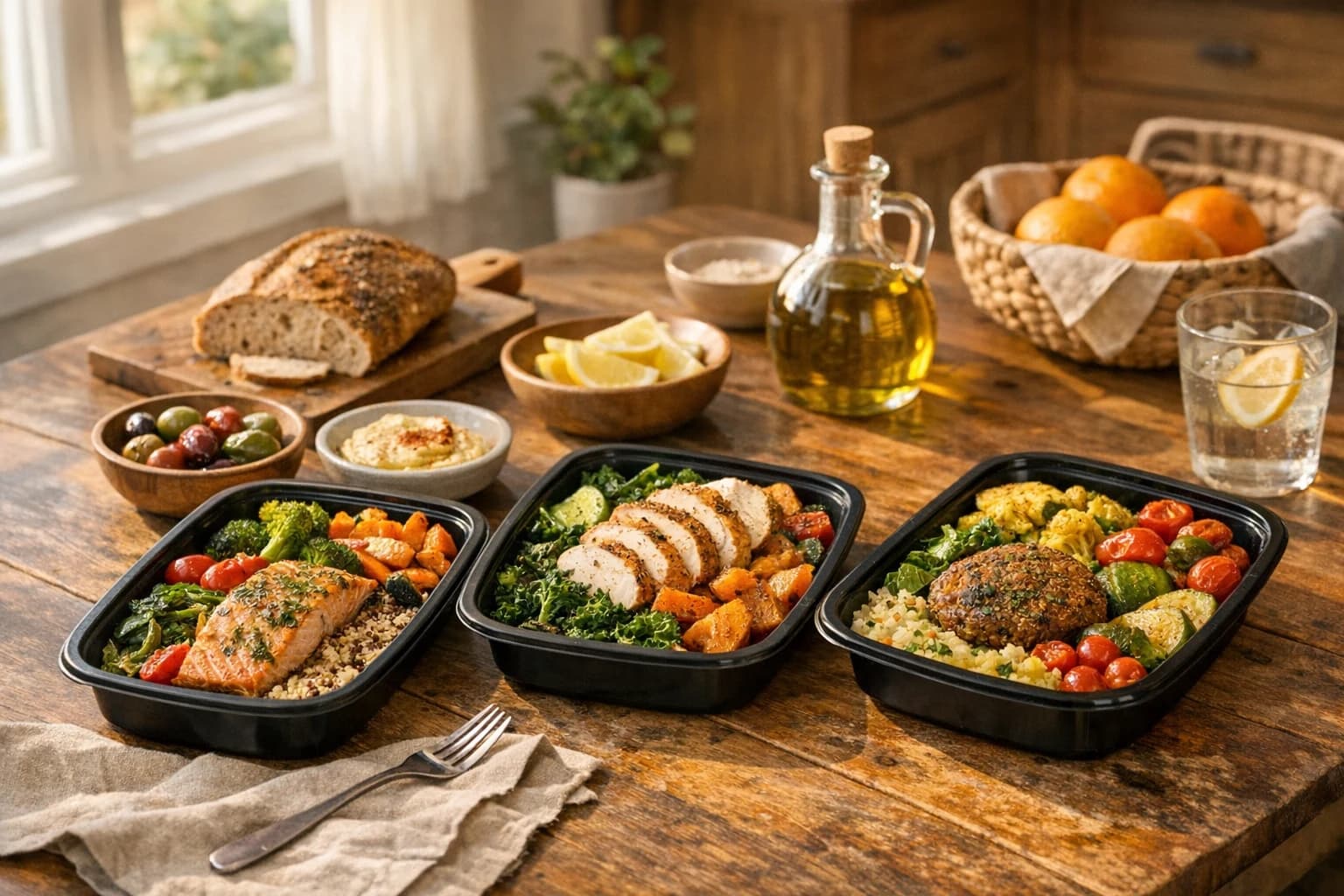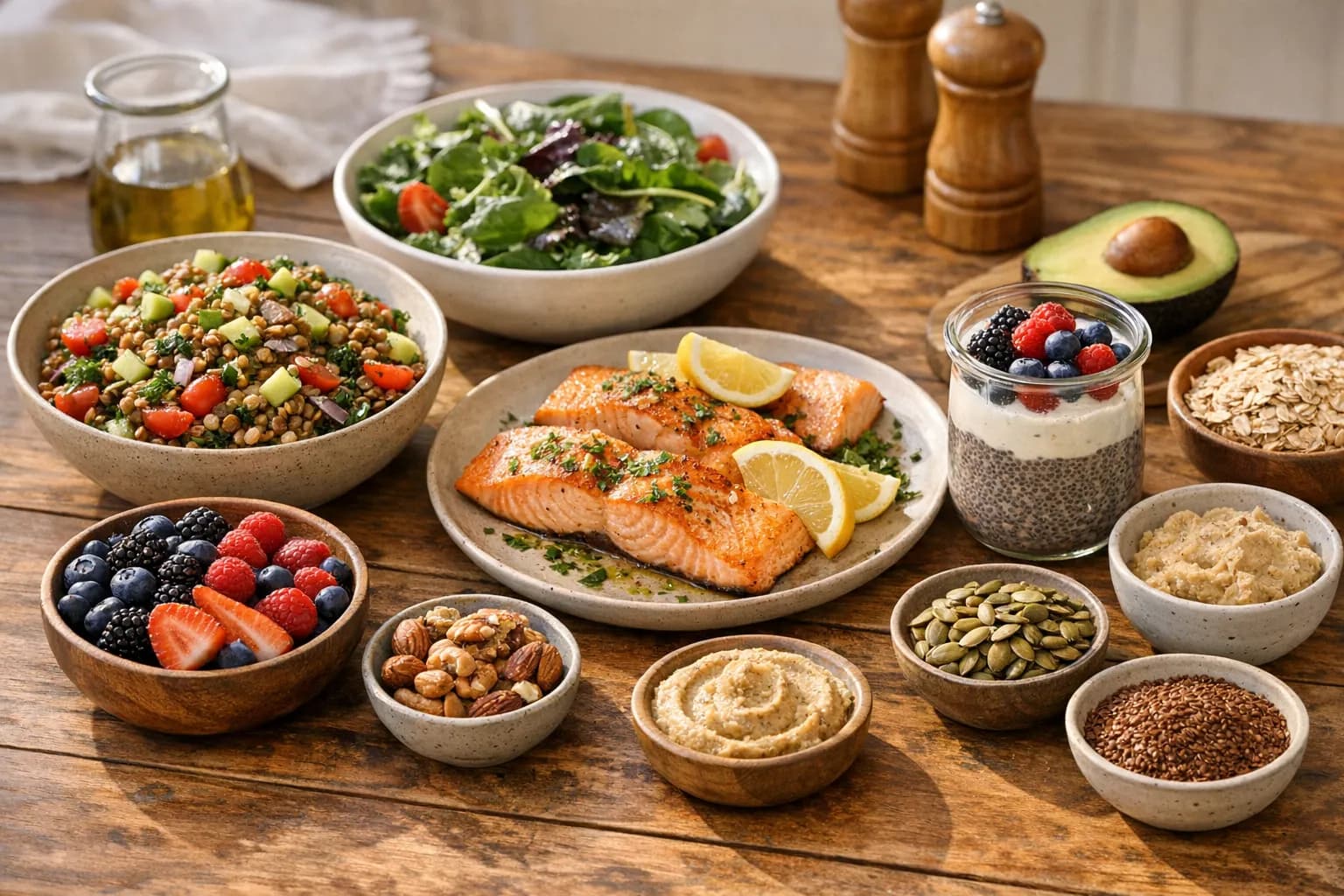
If you keep crashing after meals, getting shaky when you wait too long to eat, or watching your glucose jump higher than expected, it makes sense to start looking at high-fiber foods for blood sugar control. Fiber is one of the simplest tools people overlook. It can help slow digestion, improve fullness, support gut health, and make meals feel steadier instead of chaotic.
That does not mean fiber is magic. It also does not mean you need to start eating dry bran cereal and pretend to enjoy it.
At Duluth Metabolic, we usually tell patients to think about fiber as part of a more stable food pattern. When meals include enough protein, enough fiber, and fewer refined carbs, blood sugar often gets easier to manage. Energy tends to feel more even. Cravings usually calm down too. If you want more background, it helps to read what is metabolic health, meal prep for blood sugar control, and blood sugar friendly breakfast ideas.
Why high-fiber foods help blood sugar control
Fiber is a carbohydrate, but your body does not break it down the same way it breaks down sugar or starch. That matters.
When a meal includes fiber, food tends to move through the digestive system more slowly. That can soften the speed of glucose absorption and lead to a gentler rise after eating. Fiber also helps with fullness, which makes it easier to avoid the snack spiral that starts when breakfast or lunch was too light.
This becomes especially useful for people dealing with diabetes, insulin resistance, reactive hunger, or the cycle of feeling good for an hour and then crashing hard. In real life, fiber helps by making meals less dramatic.
The best high-fiber foods for blood sugar control are usually whole foods
You do not need specialty “diabetic” products. Most of the best high-fiber foods for blood sugar control are normal foods that have been around forever.
Beans and lentils
Beans and lentils are one of the most useful foods in this conversation. They bring fiber, slow-digesting carbohydrate, and a decent amount of protein. Black beans, chickpeas, lentils, and white beans can work well in soups, grain bowls, salads, taco bowls, and simple skillet meals.
For many adults, adding beans a few times a week is more helpful than buying another supplement.
Chia seeds and flax seeds
These are small but useful. Chia and flax add fiber without needing much volume. They work well in yogurt, smoothies, overnight oats, or mixed into cottage cheese. They can also help meals feel more filling.
If your digestion is sensitive, start small. A giant fiber bomb on day one is not the goal.
Berries
Berries are one of the better fruit options when you want something sweet that also brings fiber. Raspberries and blackberries are especially helpful here. They can fit into breakfast, snacks, or dessert without hitting like juice, pastries, or sweet coffee drinks.
Avocados
Avocados bring fiber and fat, which can help meals feel steadier and more satisfying. They work well with eggs, salads, taco bowls, burgers without the bun, and simple lunches when you need something fast.
Non-starchy vegetables
Leafy greens, broccoli, cauliflower, Brussels sprouts, peppers, cucumbers, green beans, asparagus, and cabbage all help. They bring volume and fiber without a large blood sugar load.
This is one reason dinner goes better when there is an actual vegetable on the plate instead of just protein and starch.
Nuts and seeds
Almonds, walnuts, pistachios, pumpkin seeds, and sunflower seeds can help with fullness and are often easier to keep around than perfect fresh produce every week. They are especially helpful for travel days or workdays when convenience usually wins.
Oats and other intact grains
Some people do well with oats, quinoa, or barley, especially when those foods are paired with protein and fat. Others notice better blood sugar control with lower-carb options. This is where generic advice starts to fall apart.
What works for your body may not match what works for your friend. That is one reason CGM monitoring can be so helpful.
High-fiber foods for blood sugar control work best when fiber is part of the whole meal
A lot of people hear “eat more fiber” and imagine that fiber by itself fixes everything. Usually it works better when it is paired with the rest of a balanced meal.
For example, an apple is fine. An apple with Greek yogurt or a handful of nuts will usually hold you longer.
Oatmeal may work better with chia, walnuts, and protein on the side than as a plain bowl of oats with honey.
A grain bowl tends to go better when it includes chicken or salmon, vegetables, olive oil, and beans, instead of a giant pile of rice alone.
The point is not perfection. The point is building meals that digest slower and feel more stable.
If you are still hungry all the time, food noise and blood sugar and best protein snacks for blood sugar control are worth reading next.
The foods people often miss
Patients usually think about fiber in terms of cereal or supplements. Real life offers better options.
People often forget about:
- chia stirred into yogurt
- lentils added to soup
- frozen raspberries with cottage cheese
- roasted Brussels sprouts at dinner
- edamame as a quick side
- avocado with eggs
- ground flax in smoothies
- bean-based salads for lunch
Those small changes add up fast. You do not need every meal to become a nutrition project.
How to add more fiber without feeling miserable
This part matters.
If your current diet is low in fiber and you suddenly double your intake, you may end up bloated, gassy, and convinced fiber is the enemy. Usually the problem is the speed of the increase, not fiber itself.
A better approach is to build slowly.
Start by upgrading one meal a day. Add berries and chia to breakfast. Add vegetables to lunch. Add beans or roasted vegetables to dinner. Then give your body a little time to adapt.
Water matters too. Fiber without enough fluid can backfire.
If bloating has been a constant issue, it may help to read why am I bloated after every meal, bloated after eating in Duluth MN, and functional medicine for IBS.
What if “healthy” high-fiber foods still spike you?
This is where people get frustrated.
They eat oatmeal because it is supposed to be healthy, then feel sleepy an hour later. Or they build a grain bowl that looks balanced but sends glucose way up. Or they try fruit smoothies and end up hungry again almost immediately.
That does not mean you failed. It means your body has context.
Stress, sleep, muscle mass, insulin sensitivity, portion size, meal timing, and food combinations all influence the outcome. Some adults do great with oats and beans. Others need to start with more protein, fewer starches, and a slower ramp up.
That is why a personalized plan often works better than generic meal rules. Nutrition coaching helps people sort out what looks healthy on paper versus what actually works in their own body.
A simple day of higher-fiber, blood sugar-friendly eating
This does not need to be fancy.
Breakfast might be Greek yogurt with chia, walnuts, and berries.
Lunch could be a salad with chicken, olive oil, avocado, and chickpeas.
Dinner might be salmon, roasted broccoli, and a side of lentils or cauliflower mash, depending on what your body tolerates well.
A snack could be an apple with almond butter, cottage cheese with raspberries, or pistachios with a piece of fruit.
That kind of day is more useful than chasing “perfect” macros you cannot sustain.
High-fiber foods for blood sugar control in real life around Duluth
Living in northern Minnesota means meals often shift with the season. In winter, people want warm food and convenience. In summer, they want easy meals that do not keep them in the kitchen.
That is okay. Fiber still fits.
You can use frozen vegetables, canned beans, bagged salads, and berries without turning this into a farm-to-table performance. If you like shopping local, produce, greens, and seasonal vegetables from Duluth-area groceries and markets can make this easier. If you are busy, simple store-bought staples still count.
The goal is not food purity. It is steadier blood sugar and a routine you can repeat.
When low fiber is only part of the story
Sometimes people do everything “right” and still do not feel right.
If you are dealing with major fatigue, rising fasting glucose, stubborn weight gain, digestive symptoms, or a family history of metabolic disease, it may be worth looking deeper. Food matters, but so do sleep, stress, hormones, muscle mass, and biomarker patterns.
That is where biomarker testing, high fasting insulin with normal A1c, and reverse insulin resistance naturally can help connect the dots.
FAQ about high-fiber foods for blood sugar control
How much fiber should I aim for each day?
Most adults do better getting roughly 25 to 35 grams per day, but the better question is whether you are moving up gradually and tolerating it well. If you are far below that now, do not jump there overnight.
Are beans okay if I am watching blood sugar?
Usually, yes. Beans contain carbohydrate, but they also bring fiber and protein. Many people tolerate them better than bread, crackers, or refined starches. Portion size and the rest of the meal still matter.
Is fruit bad for blood sugar?
Not automatically. Whole fruit usually behaves very differently from juice or sweetened drinks. Berries, apples, pears, and citrus often work well, especially when paired with protein or fat.
Should I take a fiber supplement?
Sometimes a supplement helps, especially for constipation or when food intake is consistently low. But food usually gives you more overall nutrition, better satiety, and a more sustainable routine.
What if more fiber makes me bloated?
That is common when intake increases too quickly, hydration is poor, or your gut is already irritated. Go slower and pay attention to which foods bother you. If bloating is frequent, it may be time to look deeper.
Better blood sugar often starts with less drama at meals. If you want help building a plan that fits your schedule, symptoms, and goals, contact Duluth Metabolic. We can help you figure out what your body responds to and what to do next.