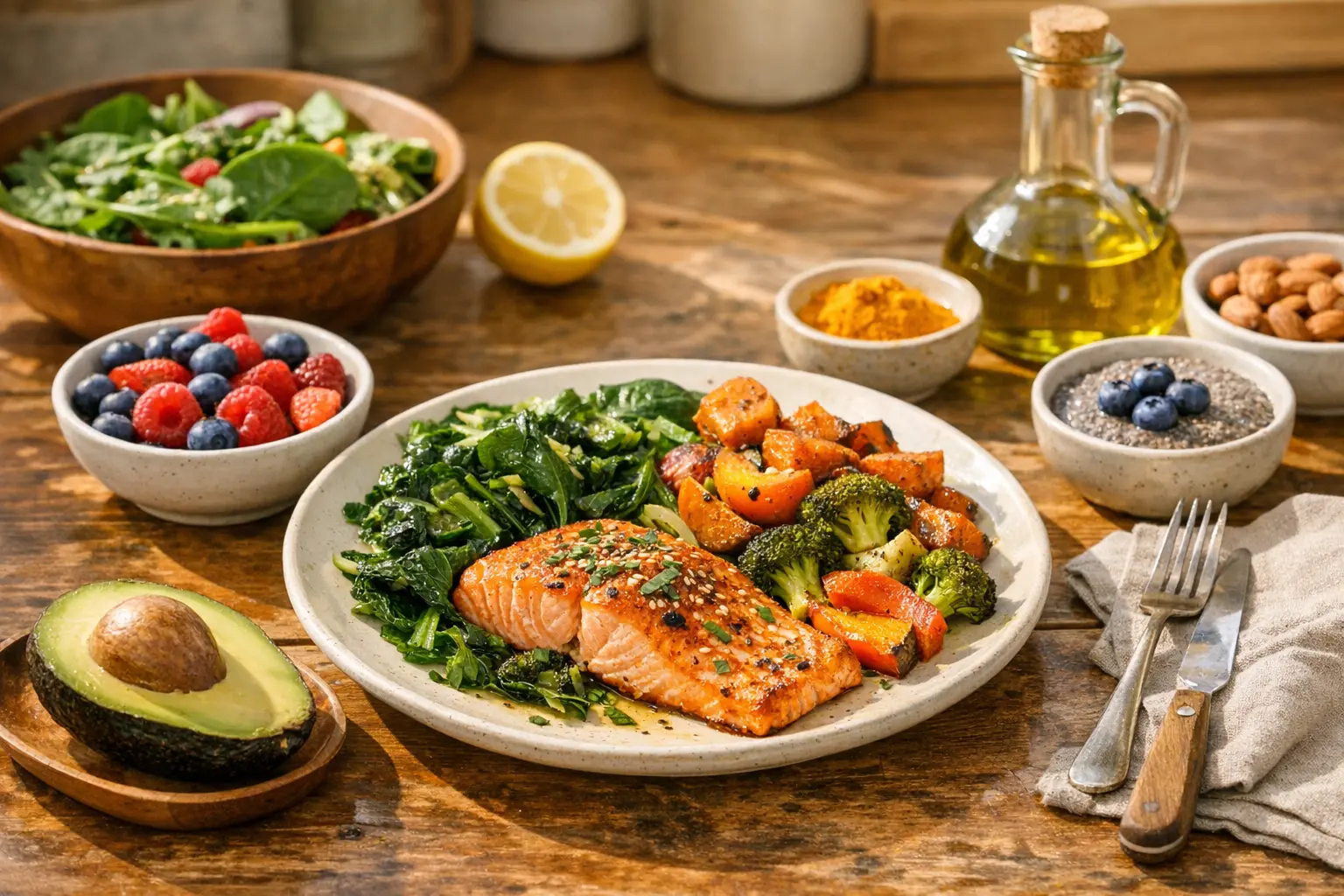
Eating Well in Duluth Is Easier Than You Think
One of the more common objections to improving nutrition is access. "I don't have anywhere to buy good food." In Duluth, that's not really the case. Between the co-op, farmers markets, CSA programs, a handful of restaurants that actually care about their ingredients, and a growing local food network, you have genuine options for building a diet that supports your health.
What you may not have is a clear picture of how to connect those resources to your specific health goals. That's the gap this guide fills. We'll walk through what's available in the Duluth area for sourcing quality food, point you toward restaurants that serve real food, and explain how to build eating patterns that support metabolic health using what's locally available.
Whole Foods Co-op
Whole Foods Co-op is the backbone of healthy grocery shopping in Duluth. Founded in 1970, it's one of the oldest food co-ops in Minnesota and operates two locations:
Hillside: 610 E 4th Street. The original store, rebuilt as the first LEED-certified building in the Duluth area. Views of Lake Superior from the dining area. Full grocery, produce, bulk, deli, supplements, and body care departments.
Denfeld: 4426 Grand Avenue in West Duluth. The second location, also certified organic, with the same product range as Hillside.
The co-op carries organic produce, local and regional products from over 150 local vendors and 98 bioregional vendors, bulk foods (grains, nuts, seeds, flours, dried fruit), a scratch-made deli with hot and cold prepared foods, and a large supplements section. Anyone can shop there. Membership (called "ownership") costs a one-time equity share and provides discounts and other benefits, but you don't have to be a member to buy food.
For metabolic health, the co-op is particularly useful for:
- Bulk whole foods that let you build meals from real ingredients (nuts, seeds, lentils, rice, oats)
- Quality proteins including grass-fed meat, pastured eggs, and sustainable seafood
- Organic produce that's priced competitively with conventional options at larger stores
- Supplements and vitamins with staff who can help you find quality brands (particularly relevant for vitamin D supplementation and other metabolic health staples)
Farmers Markets
Duluth Farmers Market
Operating since 1911, the Duluth Farmers Market runs every Wednesday (2 to 5 PM) and Saturday (8 AM to noon) from May through October at the corner of 14th Avenue East and 3rd Street. Vendors sell fresh produce, baked goods, meat, eggs, honey, preserves, plants, and prepared foods. This is the primary seasonal market in Duluth and a good place to connect with local growers directly.
Buying from the farmers market gives you access to produce that was often picked that morning or the day before. The nutritional density of freshly harvested vegetables and fruit is measurably higher than produce that's been shipped across the country and sat in a distribution center for days. Seasonal, local produce is about as nutrient-dense as food gets.
Central Hillside Farmers Market
A smaller market in the hillside neighborhood, open Tuesdays from 2 to 5 PM mid-June through September near the Essentia Health parking lot at 503 E 3rd Street. This market serves a neighborhood with less grocery access, and it's a good option if you're on that side of town.
CSA Programs and Local Farms
Community Supported Agriculture (CSA) programs let you buy a "share" of a local farm's harvest at the beginning of the season, then receive weekly boxes of produce throughout the growing season (typically June through October). CSAs are a commitment, but they're a great way to eat seasonally, try vegetables you wouldn't normally buy, and support local agriculture.
Food Farm
Food Farm is one of the better-known CSA operations serving the Duluth area. They're a certified organic, diversified family farm that delivers to Duluth. Their produce also shows up at Whole Foods Co-op, Duluth Grill, Wussow's Concert Cafe, Chester Creek Cafe, OMC Smokehouse, Zeitgeist Arts Cafe, Mount Royal Market, and other local spots. If you're eating at restaurants that source from Food Farm, you're getting genuinely local, organic produce even when dining out.
Other CSA Options
LocalHarvest.org lists several CSA programs serving the Duluth-Superior area, including farms in Wisconsin (near Ashland, Washburn, and Bayfield) that deliver to Duluth. The Chequamegon Food Co-op in Ashland also works with farms that serve the broader Lake Superior region.
Most CSA shares for a full season run $300 to $600, depending on the farm and share size. Broken down per week over a 16 to 20 week season, that's $15 to $35 per week for a box of fresh, organic produce. That's comparable to or cheaper than buying organic at the grocery store, with better freshness and variety.
Eating Out: Restaurants with Real Food
Duluth isn't a huge restaurant city, but it has some spots that take their ingredients seriously. If eating out is part of your life (and it is for most people), knowing where to go makes a difference.
Duluth Grill
The Duluth Grill is probably the best-known "healthy" restaurant in town. They source from local farms (including Food Farm), make things from scratch, and offer a menu that's diverse enough to accommodate different dietary needs. Vegetarian, vegan, gluten-free, and whole-food options are available alongside more traditional fare. If you're eating out with a group and need somewhere that serves quality food without requiring everyone to eat the same way, the Grill is a reliable choice.
Chester Creek Cafe
A neighborhood cafe in the Chester Park area that sources locally and serves scratch-made food. Good for breakfast and lunch.
OMC Smokehouse
If you eat meat, OMC is worth knowing about. They smoke their own meats in-house and source quality ingredients. Smoked meats are protein-dense and, when prepared well, can be part of a metabolic-friendly diet (the key is pairing them with vegetables rather than mountains of refined carbs).
Zeitgeist Arts Cafe
Downtown spot that sources from local farms. Good for coffee, food, and the cultural experience. They participate in the local food network.
What to Look For
When you're trying to eat metabolic-friendly at restaurants, the framework is simpler than most diet advice would have you believe: prioritize protein and vegetables, minimize refined carbohydrates and sugar, avoid seed oils when possible, and don't stress about the occasional indulgence. A piece of grilled fish with roasted vegetables from any of these restaurants is a solid metabolic meal.
If you're using a continuous glucose monitor, restaurant meals are some of the most informative data points. You'll quickly learn which restaurants and which menu items spike your blood sugar and which don't. That real-time feedback is more useful than any diet book.
Building a Metabolic-Friendly Diet with Local Resources
Here's the practical framework we use with clients at Duluth Metabolic when building nutrition plans around local food sources.
Protein First
Every meal should have a quality protein source. This stabilizes blood sugar, supports muscle mass (which drives metabolic rate), and keeps you full. In Duluth, you can source protein from:
- Pastured eggs and grass-fed meat from Whole Foods Co-op or the farmers market
- Local fish (Lake Superior whitefish, trout) from fish markets and restaurants
- Poultry and pork from local farms through CSAs
- Legumes, tofu, and tempeh from the co-op for plant-based options
Vegetables as the Foundation
Not a side dish. The foundation. Half your plate, ideally. Seasonal vegetables from the farmers market or CSA are ideal during growing season. The co-op carries organic produce year-round. Root vegetables (squash, sweet potatoes, carrots, beets) store well and bridge the gap between harvest season and when the farmers market opens again in spring.
Quality Fats
Olive oil, avocado oil, butter from pastured cows, nuts, seeds, and fatty fish. These fats support hormone production, reduce inflammation, and improve satiety. The co-op bulk section is a good source for nuts and seeds.
Smart Carbohydrates
Not no-carb. Smart carbs. Whole grains, legumes, starchy vegetables, and fruit in quantities that your metabolism can handle. This is where CGM data becomes invaluable. Some people do fine with steel-cut oats from the co-op bulk section. Others spike to 180 mg/dL from the same bowl. The data tells you what works for your body, which is more useful than following generic dietary rules.
What to Minimize
Highly processed foods, refined seed oils, added sugars, and refined grains. These are the nutritional patterns most strongly associated with insulin resistance, inflammation, and metabolic dysfunction. Shopping at the co-op and farmers market naturally steers you away from the most processed options because those aren't their primary stock.
Seasonal Eating in the Northland
Eating seasonally isn't just a food-trend thing. It's practical in Duluth, where the growing season runs roughly June through October and winter requires different food strategies.
Summer/Fall (June-October): Peak access to fresh, local produce. Load up on berries (blueberries, strawberries, raspberries), leafy greens, tomatoes, peppers, cucumbers, herbs, root vegetables, squash. CSA shares and farmers markets make this easy and affordable.
Winter/Spring (November-May): Lean into root vegetables, frozen and fermented foods, quality proteins, and year-round staples from the co-op. Sauerkraut and other fermented foods (available at the co-op and from local producers) provide gut health benefits during a season when fresh produce is less varied. This is also the time to be intentional about supplementation, particularly vitamin D, omega-3s, and magnesium.
Preserving summer harvests through freezing, fermentation, or canning extends the local food season. If you get a CSA share, you'll likely end up with more zucchini and tomatoes than you can eat in July, which is a good excuse to learn basic food preservation.
Meal Planning and Prep
Meal planning sounds boring, but it's one of the highest-leverage habits for nutrition. When you have food ready, you eat the food you planned. When you don't, you order pizza or grab whatever's convenient.
Simple approach:
- Plan 4 to 5 dinners per week (leftover nights and eating out fill the rest)
- Prep protein in batches (roast a chicken, cook a pot of beans, grill a bunch of burgers)
- Wash and prep vegetables after shopping so they're ready to cook
- Keep quick breakfast options available (eggs, yogurt with nuts, leftovers from dinner)
- Stock your kitchen so a metabolic-friendly meal is always 15 minutes away
If you want help building a meal planning system that's based on your metabolic data and uses local Duluth food sources, that's exactly what our nutrition coaching program does. We don't hand you a generic meal plan. We build eating strategies around your glucose responses, your preferences, your schedule, and what's available to you locally.
Getting Started
Nutrition is the foundation of metabolic health. You can train hard, sleep well, manage stress, and do sauna protocols, but if your nutrition isn't supporting your metabolic function, you'll hit a ceiling.
The good news is that Duluth gives you the raw materials to eat really well. The co-op, the farmers market, the CSA programs, the restaurants that source locally, these are genuine assets. The question is how to put them together in a way that works for your specific body.
If you want to take the guesswork out of nutrition, connect with us. We'll use biomarker testing and CGM data to understand how your metabolism is actually functioning, then build a nutrition plan around your data, your goals, and the food resources available to you in Duluth.