A lot of adults over 40 are not struggling because they hate exercise. They are struggling because the version of exercise they keep getting sold does not fit their life. If you work, drive, parent, care for other people, deal with winter, and occasionally try to sleep, it makes sense to look for 20-minute workouts for busy adults over 40. You want something that helps, not another plan that collapses the minute the week gets real.
That is exactly why short workouts can work so well.
You do not need two free hours, a perfect gym schedule, and the recovery ability of a 24-year-old. You need enough training to build strength, preserve muscle, support blood sugar, and make daily life easier. Twenty focused minutes can absolutely do that.
At Duluth Metabolic, we care about this because movement is a big part of metabolic health. Muscle helps with insulin sensitivity. Strength training supports bone density, energy, balance, and long-term function. And shorter sessions are often the difference between people starting and people staying stuck.
If you want the broader foundation, read exercise as medicine, functional training for beginners over 40, and strength training for insulin resistance.
Why 20-minute workouts work
The biggest reason short workouts work is that people actually do them.
A decent plan you repeat beats the perfect plan you keep postponing.
Twenty-minute workouts also force a useful mindset. You stop wandering. You stop treating exercise like an event. You pick a few movements that matter and you do them with intent.
For adults over 40, that often means focusing on:
- major muscle groups
- basic movement patterns
- manageable intensity
- recovery you can handle
- consistency across the week
That combination is a lot more useful than one heroic workout followed by four days of soreness and no follow-through.
What 20-minute workouts for busy adults over 40 should include
Short workouts work best when they are built around the basics.
A lower-body movement
This might be squats to a bench, step-ups, split squats, deadlifts with a kettlebell, or sit-to-stands from a chair. Lower-body work matters for strength, muscle mass, balance, and staying independent later in life.
An upper-body push and pull
Push-ups to a counter or bench, dumbbell presses, rows, band rows, and machine work can all fit. These keep your upper body strong enough for real life, not just the mirror.
Core stability or carries
Carries, planks, dead bugs, suitcase carries, and anti-rotation work help you brace better, move better, and feel more solid.
A little conditioning when it makes sense
Brisk walking, cycling, rowing, or short intervals can help. But in a 20-minute session, you usually do not need to force cardio at the expense of strength work.
A good weekly structure
For most adults, three short strength sessions per week is enough to create real change.
That might look like Monday, Wednesday, and Friday with walking, mobility, or easy activity on the other days. If three sessions feel like too much, start with two. If you already walk regularly, two strength sessions can still be a major upgrade.
People dealing with chronic fatigue or musculoskeletal weakness often do better starting smaller than they think they should. The goal is not to prove toughness. The goal is to build a pattern that lasts.
A sample 20-minute workout for busy adults over 40
Here is one simple full-body session.
Minute 1 to 3
Warm up with brisk walking, marching in place, bodyweight squats to a chair, and shoulder circles.
Minute 4 to 16
Cycle through these movements for 3 rounds with controlled pace and short rests.
- Goblet squat or chair squat for 8 reps
- Dumbbell row for 8 to 10 reps per side
- Incline push-up or dumbbell floor press for 8 to 10 reps
- Kettlebell deadlift or hip hinge for 8 reps
- Farmer carry for 20 to 30 seconds
Minute 17 to 20
Finish with easy walking, nasal breathing, or a few mobility drills so you leave feeling better, not destroyed.
That is a real workout. It builds strength. It trains major patterns. It can be repeated.
A home version with minimal equipment
A lot of adults over 40 do better when the barrier to exercise is low. That means home workouts count.
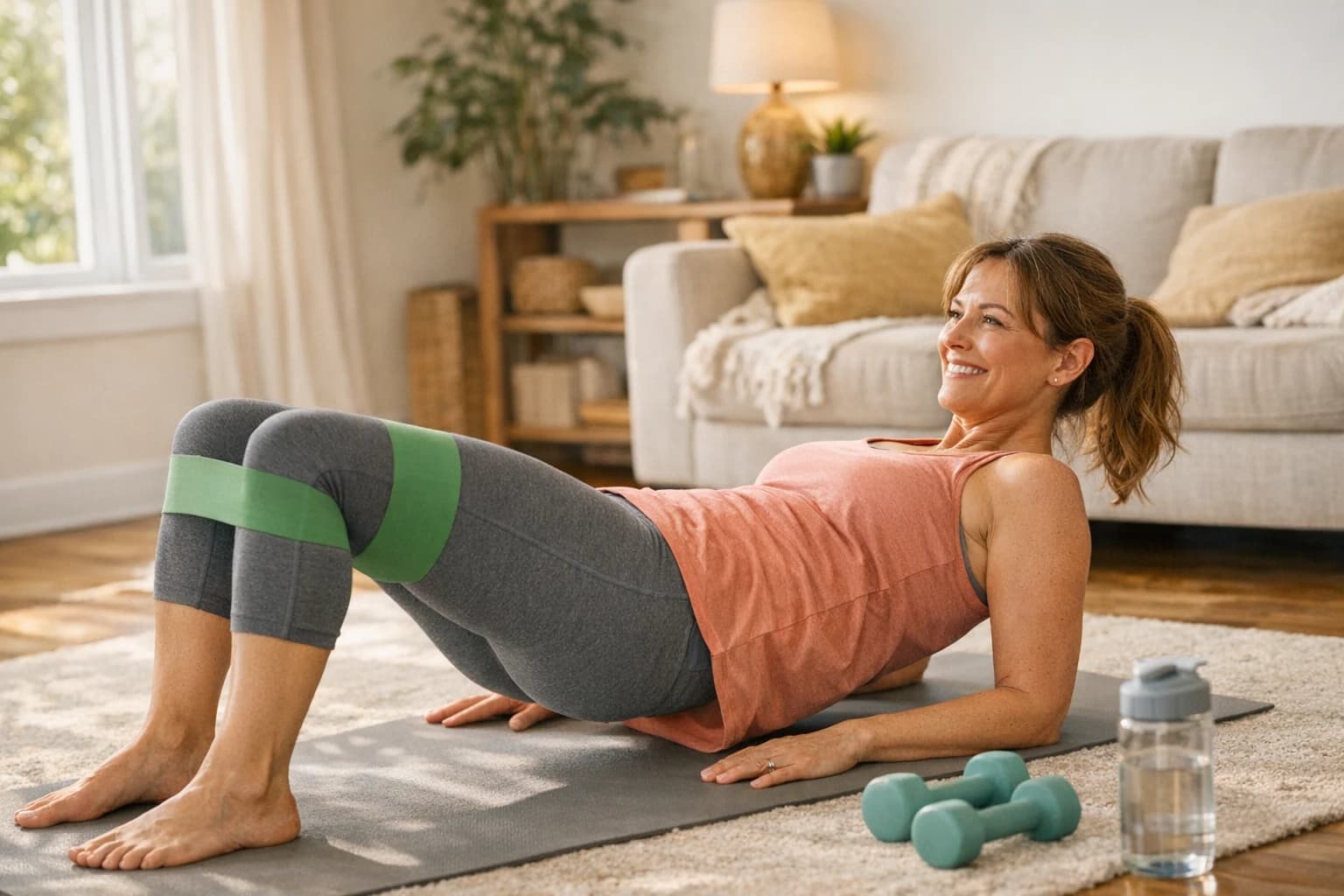
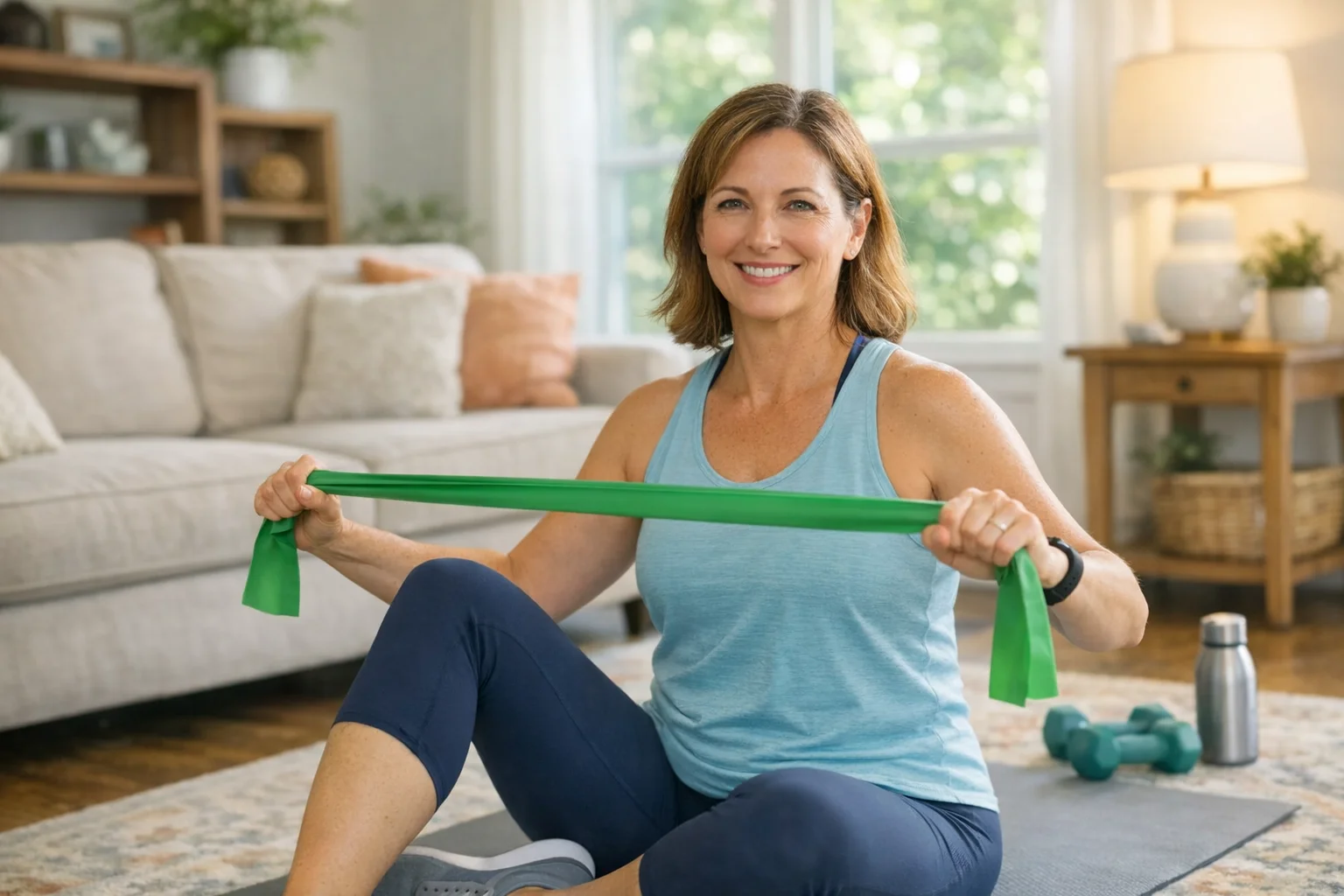
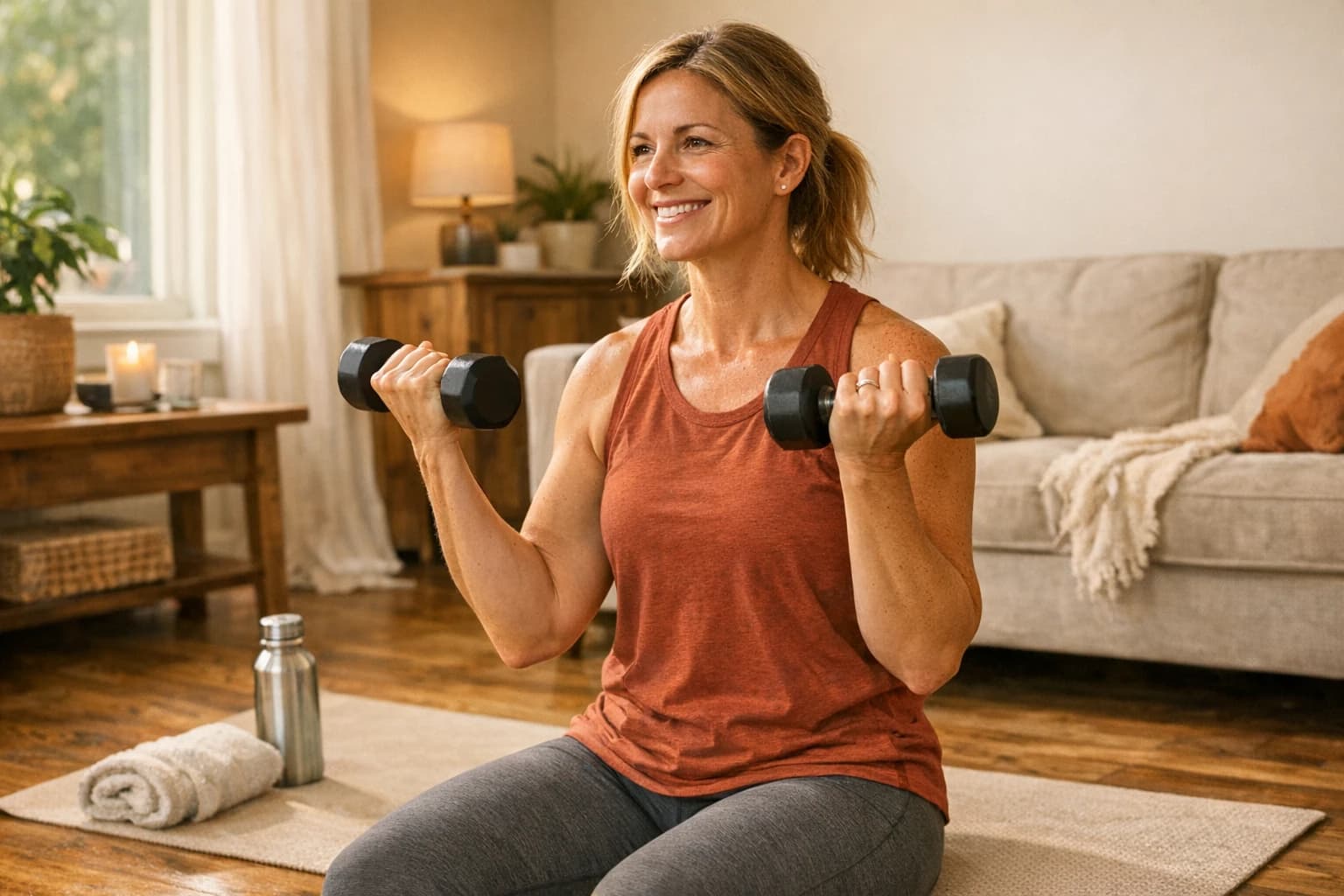
With a pair of dumbbells or kettlebells, a resistance band, and a sturdy surface for incline push-ups, you can do a lot.
A home 20-minute session might include:
- sit-to-stands or goblet squats
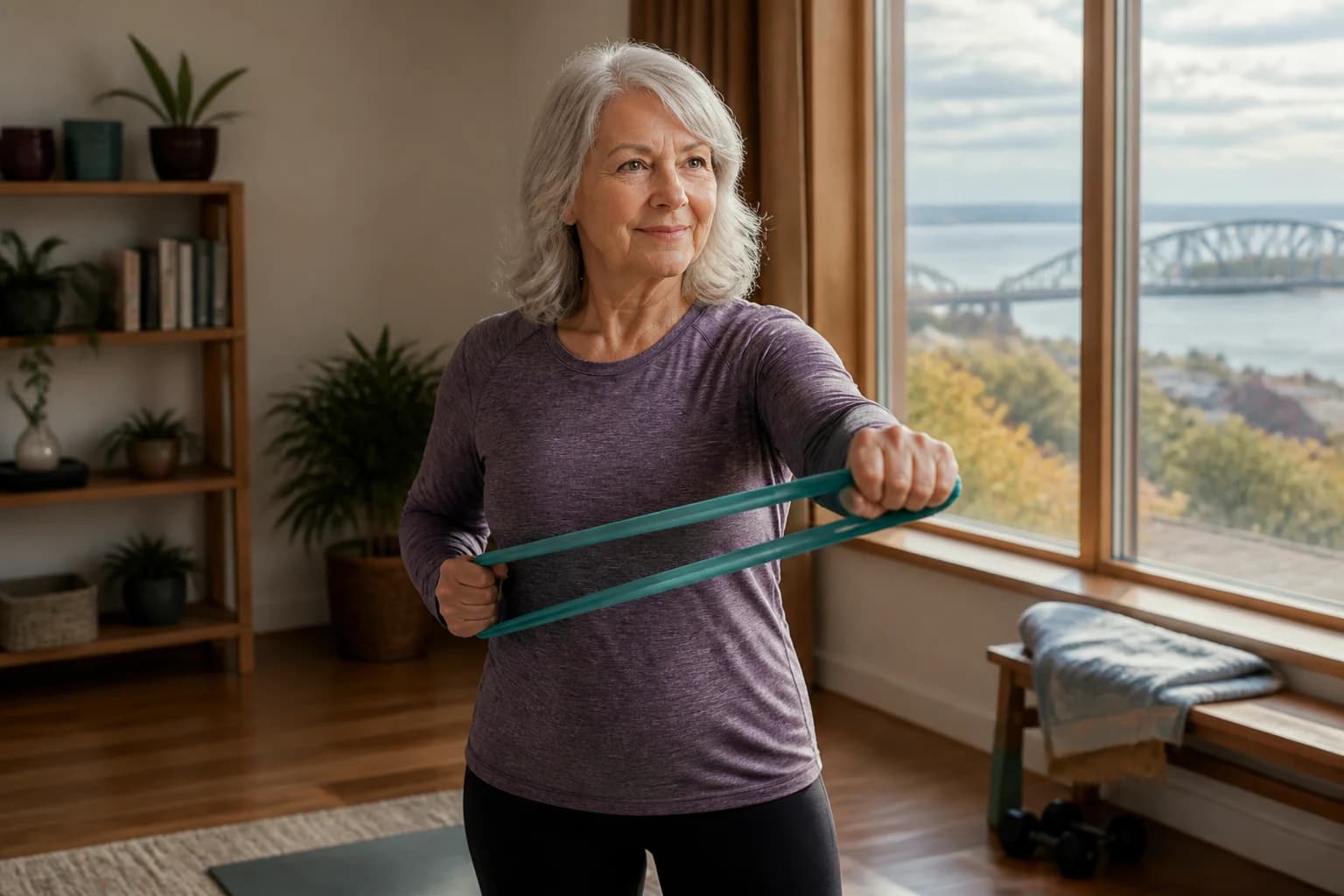
- band rows
- incline push-ups
- Romanian deadlifts with dumbbells
- suitcase carry through the house
- step-ups on a safe stair
You do not need a massive home gym. You need a few movements you trust.
What if you are starting from zero
Then your version should be easier, not nonexistent.
That might mean:
- two rounds instead of three
- fewer reps
- more rest
- bodyweight only at first
- shorter walks between movements
- splitting the session into two ten-minute blocks
This is especially important if you have been sedentary, are carrying extra weight, or have an injury history. A scaled plan is still a real plan.
If you want more guidance around form and progression, exercise therapy can help make those first months a lot smoother.
20-minute workouts and weight loss
People often ask whether a 20-minute workout is enough for weight loss. It can absolutely help, but it helps best when you understand what it is doing.
A short strength workout will not erase a chaotic food pattern or poor sleep. But it can:
- preserve and build muscle
- improve insulin sensitivity
- increase energy
- reduce the all-or-nothing mindset
- make better food choices easier because you feel like someone who is taking care of yourself
That matters for weight management, especially in adults who are tired of trying to out-cardio a stressful life.
If blood sugar has been part of the story, short workouts can also create real improvements you can see with CGM monitoring. Many people notice better post-meal glucose and steadier energy on days they move.
Common mistakes with short workouts
Going too hard too fast
When time is short, people tend to think they should make it brutal. They do not. Hard enough to matter is not the same as hard enough to wreck the week.
Trying to turn every session into cardio punishment
A lot of busy adults assume short workouts only count if they are drenched and gasping by the end. That mindset usually leads to form getting sloppy and strength work disappearing. A short session built around squats, rows, pushes, hinges, and carries often gives you more long-term value.
Changing the workout every day
Variety is fine. Randomness is not. Repeating a handful of foundational sessions makes progress easier to measure.
Skipping recovery basics
If you are sleeping poorly, under-eating protein, and stressed out of your mind, your workouts will feel harder than they need to. That does not mean quit. It means support the training.
Our articles on protein requirements over 40 and sleep and metabolic health go deeper on that side of the equation.
Thinking short means ineffective
This one keeps people stuck. Twenty minutes done well, three times a week, for six months will beat an ambitious one-hour program that disappears after twelve days.
FAQ
Are 20-minute workouts for busy adults over 40 enough to build strength?
Yes. If the workouts include resistance, major movement patterns, and steady progression, 20 minutes can be plenty to build strength and preserve muscle.
How many 20-minute workouts should I do each week?
Most adults do well with two to four sessions per week, depending on fitness level, recovery, and schedule. Three is a strong middle ground for many people.
Do I need a gym?
No. A gym can help, but many people get excellent results at home with dumbbells, bands, and bodyweight variations. The key is less about equipment and more about having a repeatable plan that does not depend on perfect circumstances.
What is better, walking or a 20-minute strength workout?
You do not have to choose forever. Walking is great for health, stress, and recovery. Strength work is important for muscle, bone density, and metabolic health. Most adults benefit from both.
What if I have bad knees or an old back issue?
You can usually still train, but the exercise selection needs to fit your body. Box squats, hinges, supported rows, carries, and smart regressions often work well. The answer is usually modification and progression, not giving up on strength work completely.
Short enough to do, strong enough to matter
The best 20-minute workouts for busy adults over 40 are not flashy. They are doable, repeatable, and built around real life. That is exactly why they work.
If you want help building a training plan that fits your schedule, symptoms, and metabolic goals, contact Duluth Metabolic. We can help you connect exercise, recovery, nutrition, and accountability so your plan feels realistic enough to keep going.