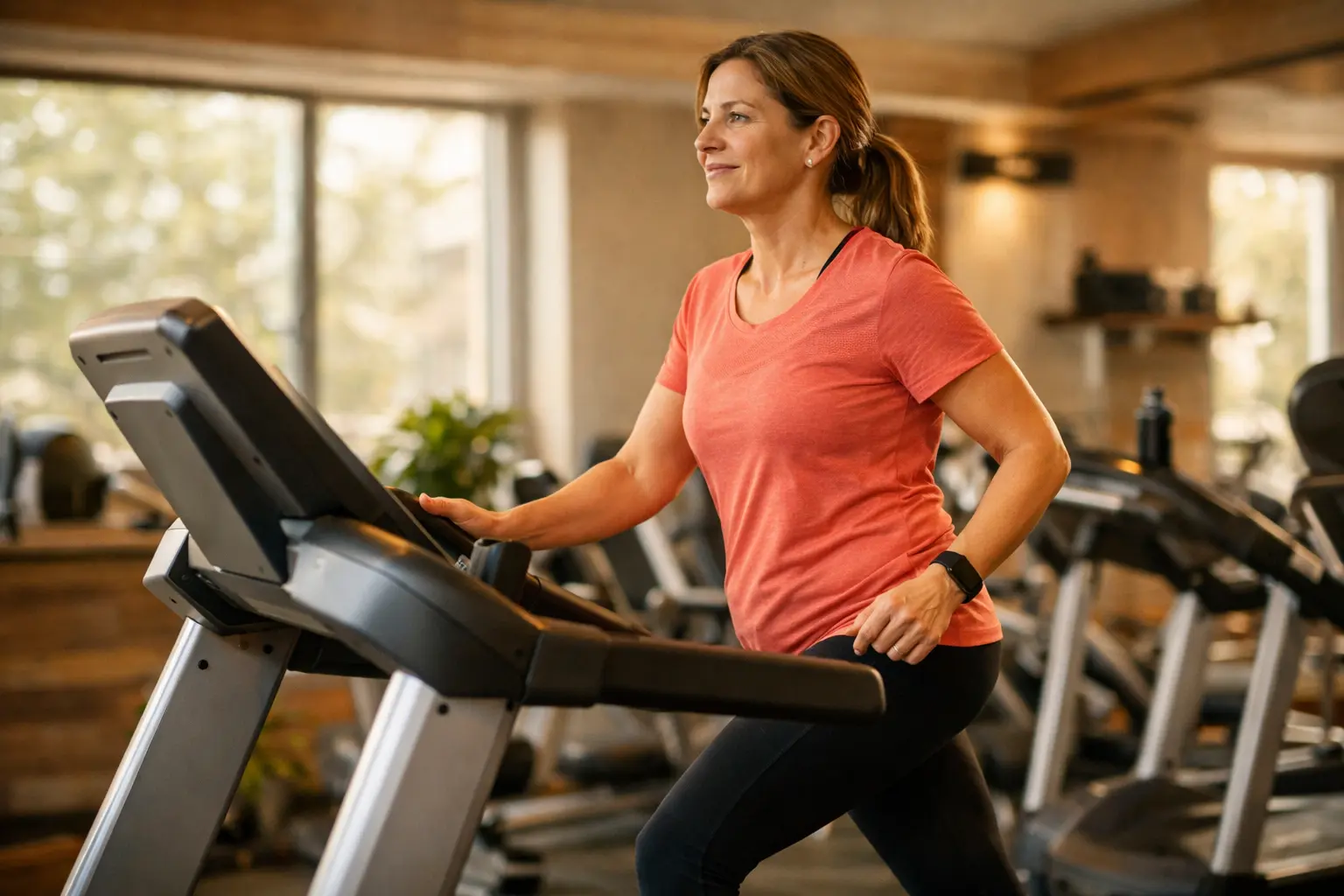
If you have ever felt sleepy, foggy, or hungry again not long after eating, you may have wondered whether your blood sugar is swinging harder than it should. One of the simplest things you can try is also one of the least glamorous: walking after meals for blood sugar.
That is good news, because most people do not need another complicated routine. They need something they can actually do on a Tuesday after lunch, after dinner with kids running around, or after a quick takeout meal between errands.
A short post-meal walk will not fix everything. It will not erase a diet that leaves you feeling lousy, and it will not replace deeper work if you are dealing with insulin resistance, fatigue, weight gain, or prediabetes. But it can make a real difference. In the right context, it is one of the highest-return habits you can build.
At Duluth Metabolic, we like strategies that work in real life. Walking fits that standard. It is practical, low cost, and much less intimidating than a full gym program for someone who already feels behind. If blood sugar has been a struggle, pair this with CGM for prediabetes, high fasting insulin with normal A1C, and why is my blood sugar high in the morning.
Why walking after meals for blood sugar works
After you eat, your digestive system breaks food down and moves glucose into your bloodstream. That rise is normal. The question is how high the rise goes, how long it stays there, and how much insulin your body has to produce to deal with it.
When you walk after a meal, your muscles start using glucose right away. That matters because working muscle can pull glucose out of the bloodstream more efficiently than a body that stays planted in a chair. You do not need a hard workout for this effect. Light to moderate movement is often enough.
This is one reason post-meal walking can help flatten the sharp spike and crash pattern people often feel after eating. It gives your body another place to send that incoming glucose besides letting it pile up in the bloodstream.
For many adults, especially those with insulin resistance, this is where the habit becomes powerful. You are not trying to "burn off" lunch. You are giving your metabolism a little help at the exact moment it needs it.
Walking after meals for blood sugar is about timing more than intensity
A lot of people assume exercise only counts if it is long, sweaty, and miserable. That mindset keeps people from doing the simple stuff that works.
With walking after meals for blood sugar, timing matters more than turning your walk into a punishment session.
Research and clinical guidance both point in the same direction. Light movement soon after a meal can reduce post-meal glucose spikes. In plain English, that means a 10-minute walk after dinner may do more for blood sugar than telling yourself you will "work out harder later this week."
That is one reason this habit works so well for busy adults. It fits where blood sugar problems actually happen: after breakfast, after lunch at work, after dinner on the couch.
If you only remember one thing, remember this: consistency beats intensity here.
How long should you walk after eating?
There is no single magic number, but most people do well with 10 to 15 minutes. Even 5 minutes can help, especially if the alternative is sitting still right away.
A few practical options:
- Walk 10 minutes after your biggest meal of the day.
- Walk 5 to 10 minutes after two or three meals instead of trying to do one long workout.
- If a full walk is not realistic, do a few laps inside your home, office, or driveway.
This is especially useful for people who feel overwhelmed by all-or-nothing thinking. If you have been telling yourself that a walk "doesn't count" unless it is 45 minutes, that belief is probably costing you progress.
Small repeats add up. Three short walks per day can support blood sugar, digestion, energy, and consistency better than one heroic session you only do once in a while.
When should you start your walk after a meal?
In most cases, sooner is better.
You do not need to finish eating and sprint out the door. But heading out within about 10 to 30 minutes of finishing a meal is a solid target. That lines up well with the window when blood sugar is beginning to rise.
If you wait an hour or more, the walk still has value. It just may miss some of the biggest benefit for post-meal glucose.
For practical purposes, try this:
- breakfast walk if mornings are when your energy crashes
- lunch walk if you get sleepy at work
- dinner walk if evenings are when cravings hit hardest
A lot of people find dinner is the easiest habit anchor. The meal is more predictable, the family can join, and it keeps the default pattern from becoming eat, sit, snack, repeat.
Who benefits most from walking after meals for blood sugar?
Almost anyone can benefit, but some people tend to notice the difference faster.
You may be a great candidate if you:
- have prediabetes or type 2 diabetes
- have insulin resistance or metabolic syndrome
- wear a CGM and notice sharp spikes after meals
- feel sleepy or foggy after eating
- struggle with evening cravings
- are trying to lose weight but feel stuck
- want a low-pressure way to start moving more
We see this a lot in adults who have been told to exercise more, but were never shown how to match movement to the problem they are trying to solve. A post-meal walk is not random movement. It is targeted movement.
That is different.
If you are newer to this whole conversation, what is metabolic health and metabolic syndrome early detection and reversal are worth reading next.
The hidden benefit: fewer cravings later
People often start walking after meals because they want better glucose numbers. Then they notice something else.
They are less ravenous a couple of hours later.
That makes sense. A big blood sugar spike is often followed by a crash, and the crash tends to create urgency around food. Usually quick food. Usually carb-heavy food. Usually the kind that keeps the roller coaster going.
Walking can help reduce the size of that swing.
That does not mean cravings disappear overnight. But if you are trying to eat in a more blood-sugar-friendly way, a walk after meals can make the next decision easier. Sometimes that is the difference between feeling in control and feeling like you are constantly white-knuckling your appetite.
If food noise has been part of your story, see food noise and blood sugar and blood sugar friendly breakfast ideas.
Walking after meals for blood sugar in real life
The biggest challenge is not physiology. It is friction.
People know walking is healthy. What they need is a version that fits their life.
Here are a few ways to make it more realistic:
Make the walk embarrassingly easy
Do not start with a perfect plan. Start with shoes by the door and one lap around the block. If the bar is too high, the habit dies.
Tie it to a meal you already eat consistently
If breakfast is chaotic and lunch is unpredictable, use dinner. If dinner is all over the place, try lunch. The best meal is the one you can repeat around.
Use your environment
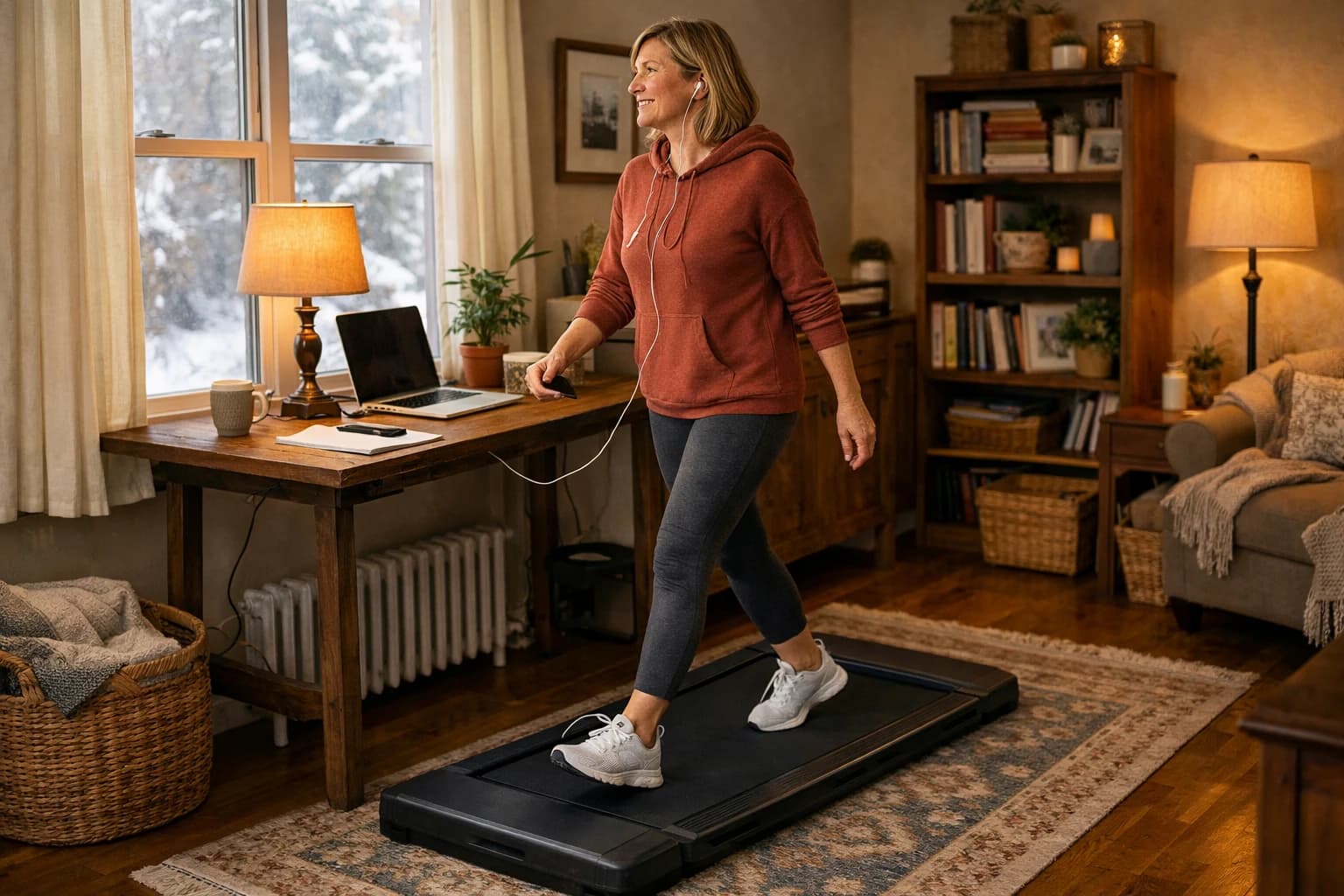
Walk your office hallway. Walk the parking lot. Walk around your house during a phone call. In Duluth, walk the mall, a skywalk, or an indoor track when the weather is ugly. You do not need ideal conditions.
Keep it social
Walk with your spouse, your kids, your dog, or a friend. A habit that feels less like homework tends to stick.
Track how you feel
Notice your energy, cravings, sleep, and mood, not just the scale. If you use a CGM, this is one of the easiest habits to test and actually see.
What if you cannot walk right after meals?
Do not turn that into a reason to do nothing.
If walking right away is not possible, you still have options:
- do bodyweight sit-to-stands for a few minutes
- use stairs at a gentle pace
- do a short mobility flow
- march in place while cleaning up the kitchen
- take the walk as soon as your schedule opens up
The principle is simple. Move after eating when you can. Perfection is not required.
If joint pain, fatigue, or deconditioning makes walking hard, that is important information, not a personal failure. It may mean you need a more supported approach through exercise therapy, nutrition coaching, or accountability coaching.
Does walking after meals replace strength training?
No, and it does not need to.
Walking after meals is a tool. Strength training is another tool. They solve different parts of the same problem.
Walking helps with immediate glucose handling and makes daily movement easier to maintain. Strength training helps build muscle, and muscle is one of the best long-term assets you can have for blood sugar control, insulin sensitivity, and healthy aging.
If you are doing neither, start with the one you can sustain now. For many people, a short walk after meals becomes the gateway to doing more later.
That is one reason we like pairing it with functional training for beginners over 40, exercise as medicine, and protein requirements over 40.
Common mistakes people make
One mistake is assuming the meal does not matter because they walked.
Walking helps, but it does not cancel out a pattern of oversized meals, sugary drinks, poor sleep, chronic stress, and low muscle mass. It is support, not a magic trick.
Another mistake is going too hard too soon. If you feel nauseated or wiped out after meals, a brisk walk may be too much at first. Start easier.
A third mistake is ignoring the bigger picture when blood sugar stays high anyway. If your glucose remains stubborn despite good habits, it may be time to look deeper at insulin resistance, hormones, sleep, stress, inflammation, medications, and meal composition.
That is where advanced biomarker testing and optimal vs normal lab ranges in functional medicine become useful.
FAQ
Is walking after meals for blood sugar better than one workout later?
For post-meal spikes, often yes. A short walk soon after eating targets the time when glucose is rising. That does not make later workouts unhelpful. It just means timing can matter.
How fast should I walk after eating?
Aim for an easy to moderate pace. You should be able to talk. This is not a sprint.
Can walking after meals help with weight loss?
It can help indirectly by improving blood sugar control, reducing cravings, increasing daily movement, and making habits more sustainable. It is most effective when paired with a broader plan.
What if I have diabetes and take medication?
Talk with your clinician, especially if you use insulin or medications that can cause low blood sugar. A walk is usually safe, but your plan may need to account for timing and glucose monitoring.
Do I need to walk after every meal?
No. Start with the meal that gives you the biggest payoff or the one that is easiest to repeat. Dinner is a common starting point.
The bottom line
If you are looking for a simple habit that can improve metabolic health, walking after meals for blood sugar is one of the best places to start.
It is not flashy. It is not extreme. It is just useful.
And for a lot of people, useful is exactly what has been missing.
If you are tired of guessing why your energy crashes, cravings keep winning, or blood sugar numbers do not make sense, Duluth Metabolic can help you build a plan that goes deeper than generic advice. Contact us if you want support with testing, nutrition, movement, and real-life accountability.