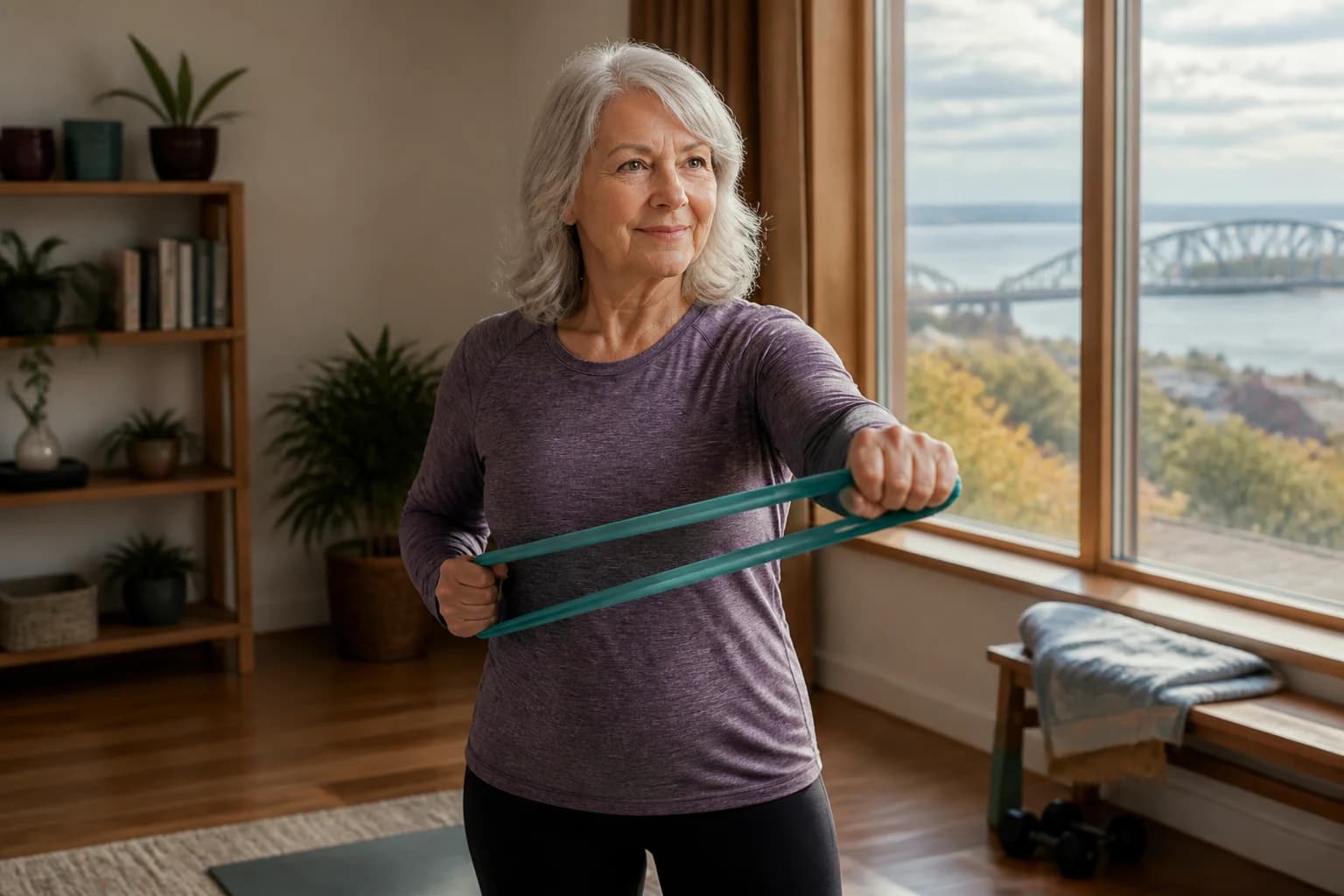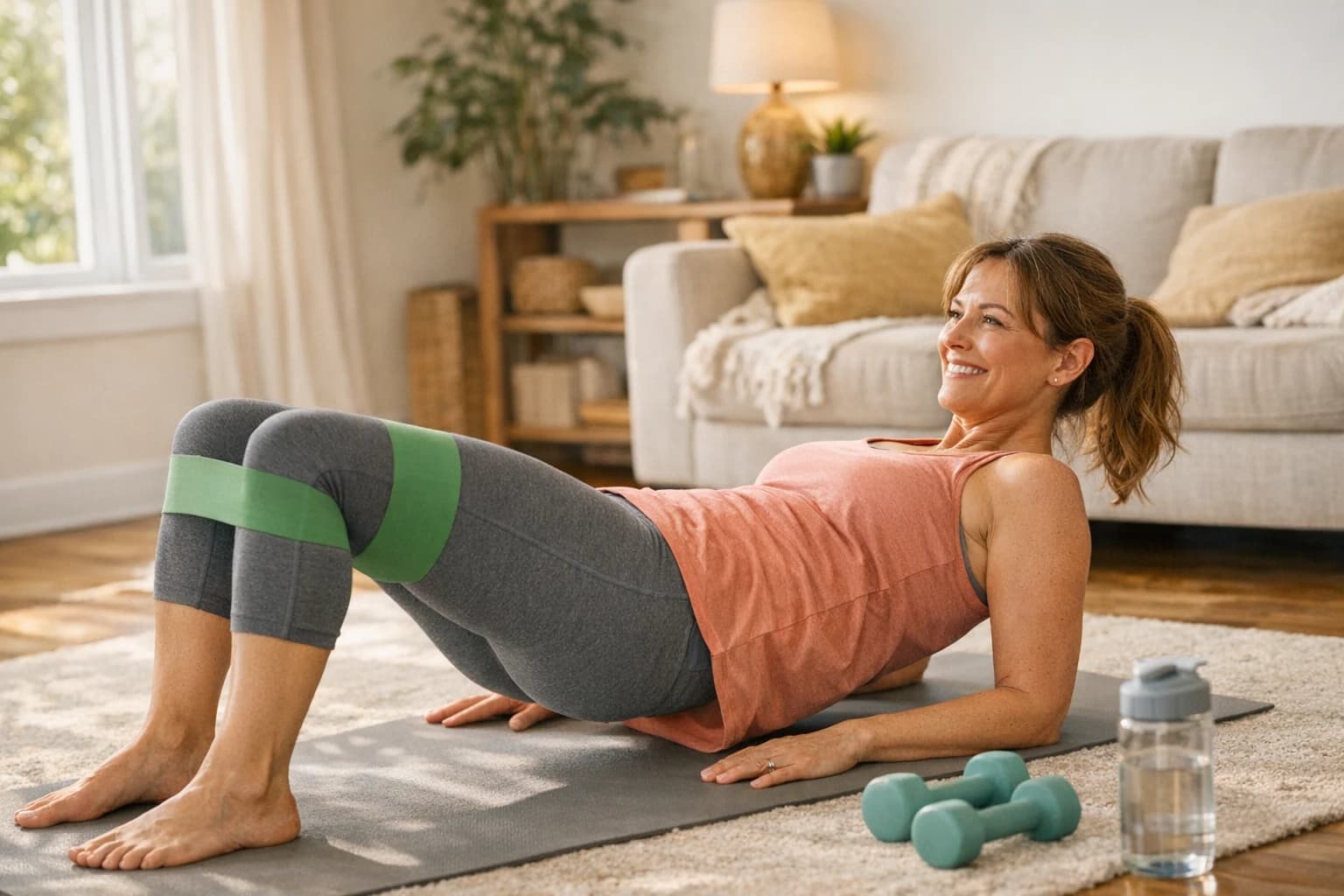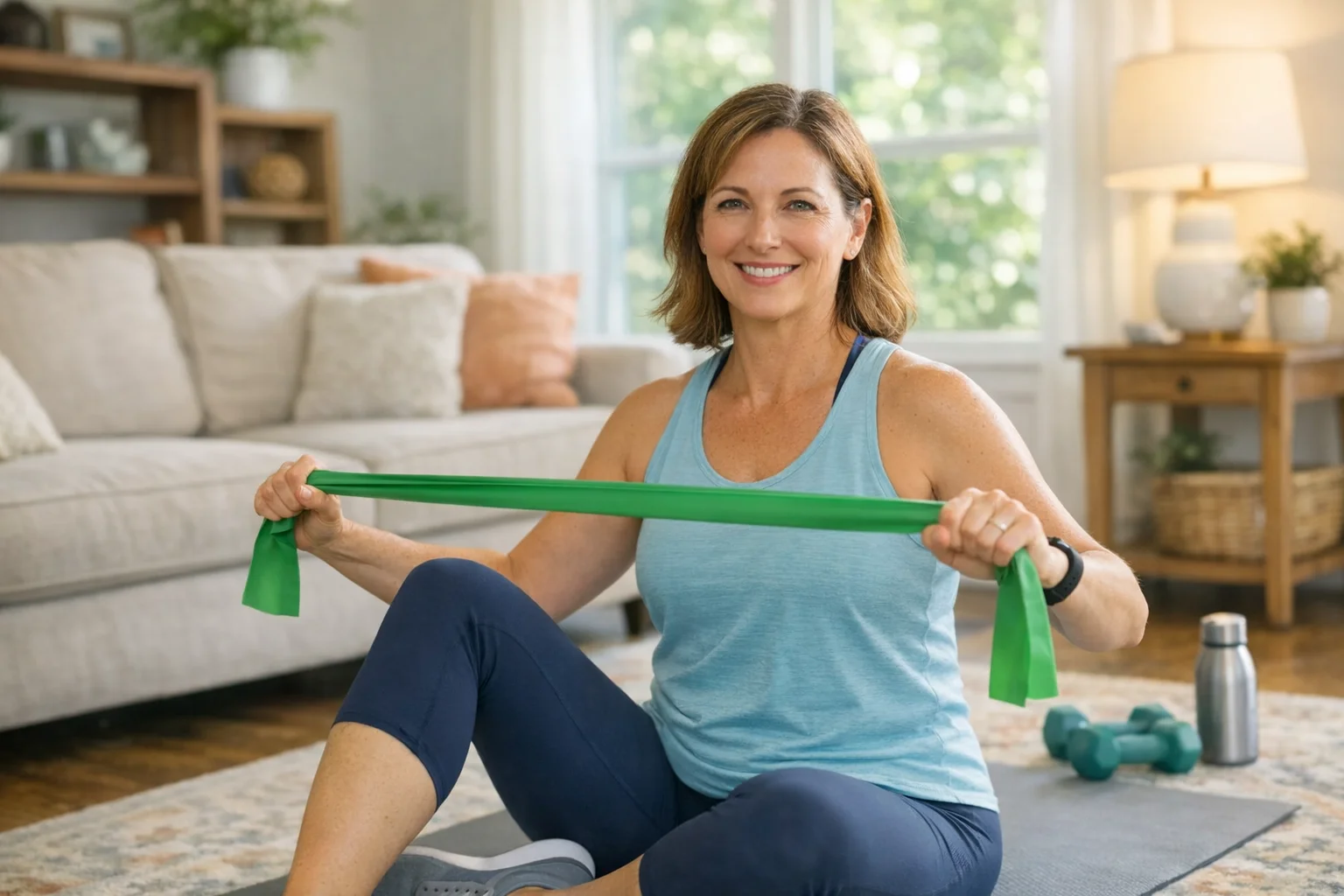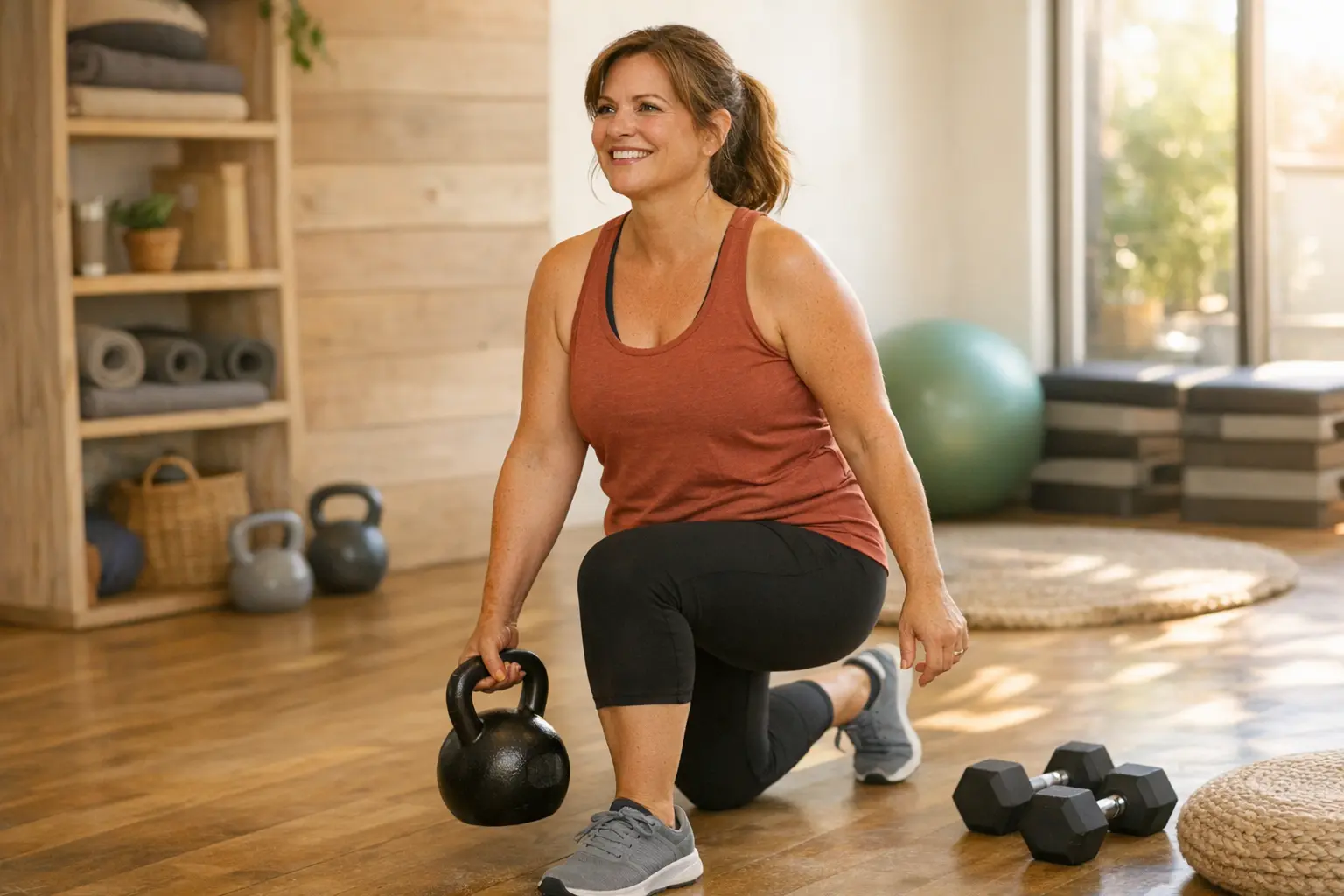
If you are over 40 and trying to get back into exercise, you have probably seen two bad options.
One is the gentle “just take a walk” advice that never actually builds strength. The other is internet fitness content that assumes you want to drag a sled, do box jumps, and train like a former college athlete with no knee history and unlimited free time.
Most adults need something in the middle. That is where functional training for beginners over 40 makes sense.
Functional training means getting stronger at the patterns your body uses in real life. Sitting down and standing up. Carrying groceries. Getting up off the floor. Climbing stairs. Lifting things overhead. Stabilizing yourself on uneven ground. Hiking without your low back barking the whole way home.
It is not about looking like a fitness person. It is about moving through your actual life with more strength, confidence, and energy.
At Duluth Metabolic, we care about this because exercise is not separate from metabolic health. Building muscle improves blood sugar control, insulin sensitivity, bone density, recovery, and long-term resilience. If you want a bigger-picture view, start with exercise as medicine.
Why functional training matters more after 40
After 40, a few things start to matter more.
You lose muscle more easily if you do nothing. Recovery gets less forgiving when sleep is poor and stress is high. Old aches start making decisions for you if you let them. And if you spend most of your day sitting, your body adapts to that too.
That is the bad news.
The good news is that adults over 40 respond really well to strength training when it is programmed sensibly. You do not need to chase exhaustion. You need enough resistance, enough consistency, and movements that make sense.
Functional training helps because it improves several things at once:
- strength for everyday life
- balance and coordination
- joint control
- bone loading
- confidence with movement
- metabolic health through greater muscle mass and better glucose use
That is especially relevant for people dealing with musculoskeletal weakness, osteoporosis, or the low-energy spiral that often comes with chronic fatigue.
What functional training is and what it is not
Functional training is not a magic brand of exercise. It is not balancing on a BOSU ball while curling pink dumbbells. It is also not random bootcamp chaos.
Good functional training usually focuses on the basic movement patterns your body needs:
- squat
- hinge
- push
- pull
- carry
- rotate or resist rotation
- step up, lunge, and get up from the floor
If you can do those patterns better over time, a lot of life gets easier.
That might look like goblet squats, deadlifts with a kettlebell, rows, push-ups to a bench, farmer carries, step-ups, and core work that teaches you to brace.
The biggest mistake beginners over 40 make
They do too much, too soon, after doing too little for too long.
The motivation spike is understandable. But soreness is not the same thing as progress. What usually works better is starting with an amount you can recover from and repeat.
That means leaving a little in the tank. It means learning positions before loading them hard. It means building around consistency instead of hero workouts.
If you have been burned by all-or-nothing fitness before, that does not mean you are bad at exercise. It usually means the plan was bad.
A better way to start
The goal for the first month is simple. Show your body that training is safe, useful, and repeatable.
A beginner over 40 often does well with two or three full-body sessions per week. Not seven. Not random daily punishment. Two or three.
Each workout can include:
1. One squat pattern
A box squat, goblet squat, or sit-to-stand from a bench is a great place to start. These build leg strength, confidence, and control.
2. One hinge pattern
Hip hinges, kettlebell deadlifts, or light Romanian deadlifts teach you how to use your hips instead of your low back.
3. One push
This might be an incline push-up, dumbbell floor press, or machine press if that is what you have.
4. One pull
Rows matter. Most beginners need more upper back strength than they realize.
5. One carry or core pattern
Farmer carries, suitcase carries, and anti-rotation core work are some of the most practical things you can do.
6. A little conditioning, if tolerated
Walking, biking, rowing, or short circuits can work well. This should support the strength work, not ruin it.
A sample functional training workout for beginners over 40
Here is a very normal starter session.
- Goblet squat: 3 sets of 6 to 8
- Kettlebell deadlift: 3 sets of 6 to 8
- Incline push-up or dumbbell floor press: 3 sets of 8 to 10
- One-arm dumbbell row: 3 sets of 8 to 10 per side
- Farmer carry: 3 rounds of 20 to 40 yards
- Easy bike or brisk walk: 8 to 12 minutes
That is enough. Seriously.
If that feels too easy, good. The first goal is to finish wanting to come back.
What if you have bad knees, a cranky back, or zero exercise history?
That is exactly why form, regressions, and coaching matter.
Most adults do not need to avoid training. They need a version of training that fits the body they have right now.
That may mean:
- squatting to a box instead of full depth
- using a trap bar or kettlebell instead of a straight bar
- doing incline push-ups instead of floor push-ups
- carrying one weight instead of two
- splitting workouts into shorter sessions
- prioritizing walking and mobility while strength catches up
This is part of why exercise therapy is so useful. The right plan can challenge you without wrecking you.
Functional training and weight loss are not the same thing, but they help each other
A lot of adults start exercising because they want to lose weight. Fair enough. But if weight loss is the only lens, people often quit when the scale moves slowly.
Functional training gives you better reasons to keep going.
You stand up easier. Your stairs stop feeling dramatic. You carry luggage without tweaking something. Your balance improves. Your posture improves. Your energy improves. Those wins matter.
And yes, strength training also helps weight management because muscle improves insulin sensitivity and raises the amount of tissue using glucose well.
If blood sugar has been part of the problem, pairing strength work with CGM monitoring can be surprisingly motivating. A lot of people see cleaner glucose patterns on days they train.
Do you need a gym?
No, but you do need some resistance.
A gym is nice because it gives you equipment and structure. But you can get very good results with a few dumbbells, kettlebells, resistance bands, a bench, and a walking route.
The bigger issue is usually not access. It is friction.
If your plan requires a ninety-minute commute, a perfect schedule, and the motivation of a superhero, it is not a good beginner plan. A good plan works on a normal Wednesday.
How to progress without getting hurt
Beginners often think progress means adding weight every workout until something hurts. That is one version. It is not the best one.
You can progress by:
- improving range of motion
- improving balance and control
- doing the same weight with better form
- adding a rep or two
- adding one set
- shortening rest slightly
- carrying more confidently
- training more consistently across the month
Those are real wins.
Recovery matters more than people want it to
Adults over 40 are often trying to train on top of bad sleep, high stress, not enough protein, and a body that has been under-muscled for years. That is not a reason to avoid training. It is a reason to respect recovery.
A few basics matter a lot:
- eat enough protein, especially if you are trying to build or preserve muscle
- sleep like it counts, because it does
- walk on off days
- do not confuse max effort with smart effort
- let soreness be feedback, not a badge
If protein has been an afterthought, our guide on protein requirements over 40 is a good place to start.
Frequently asked questions
Is functional training safe for beginners over 40?
Yes, when it is scaled appropriately. In many cases it is safer than jumping into high-impact classes or random online workouts.
How many days a week should I train?
Most beginners do well with two or three strength sessions a week plus walking or easy cardio.
Can I start if I am really out of shape?
Absolutely. That is usually who benefits most. The plan just needs to match your current capacity.
Is walking enough?
Walking is great, but it is not enough by itself if your goal is to build strength, preserve muscle, and improve bone density.
What if I only have 20 minutes?
Twenty focused minutes can do a lot. A short, repeatable strength session beats an ambitious plan you never follow.
Start where you are, not where you think you should be
The best version of functional training for beginners over 40 is the one that makes your real life easier. Not the one that looks the coolest online. Not the one that leaves you wrecked for three days. The one that gets you stronger, steadier, and more capable month by month.
If you want help building a plan that fits your body, your schedule, and your metabolic goals, contact Duluth Metabolic. We can help you connect exercise, nutrition, recovery, and accountability so progress actually sticks.