If you want to eat better in a way that actually feels local and doable, start here. Anti-inflammatory foods at the Duluth Farmers Market can give you a simpler, fresher way to build meals that support energy, blood sugar, recovery, and long-term health.
You do not need a perfect wellness identity to shop this way. You do not need an all-organic fridge, a four-hour Sunday prep routine, or a moral opinion about sourdough. You just need a better default.
That is what seasonal shopping can offer. It helps you eat more whole foods without turning food into a full-time job.
At Duluth Metabolic, we like this angle because inflammation is not just about one food or one diagnosis. It is often tied to the bigger picture, blood sugar, stress, sleep, low activity, poor recovery, and a diet that has drifted toward packaged convenience food. Local seasonal foods can be one of the easiest ways back.
For more ideas, read anti-inflammatory diet in Duluth, anti-inflammatory grocery shopping in Duluth, and healthy restaurants in Duluth.
Why anti-inflammatory foods at the Duluth Farmers Market are worth seeking out
The main benefit is not that farmers market food is magical.
The benefit is that it nudges you toward:
- more produce
- more fiber
- better flavor
- less ultra-processed food
- more seasonal variety
- meals built from ingredients instead of wrappers
That pattern supports metabolic health in a lot of ways. It can help with fullness, blood sugar stability, digestion, and overall diet quality. It also tends to make healthy eating feel less abstract. When food looks good and tastes good, people usually eat more of it.
What anti-inflammatory really means
A lot of wellness content makes this sound mysterious.
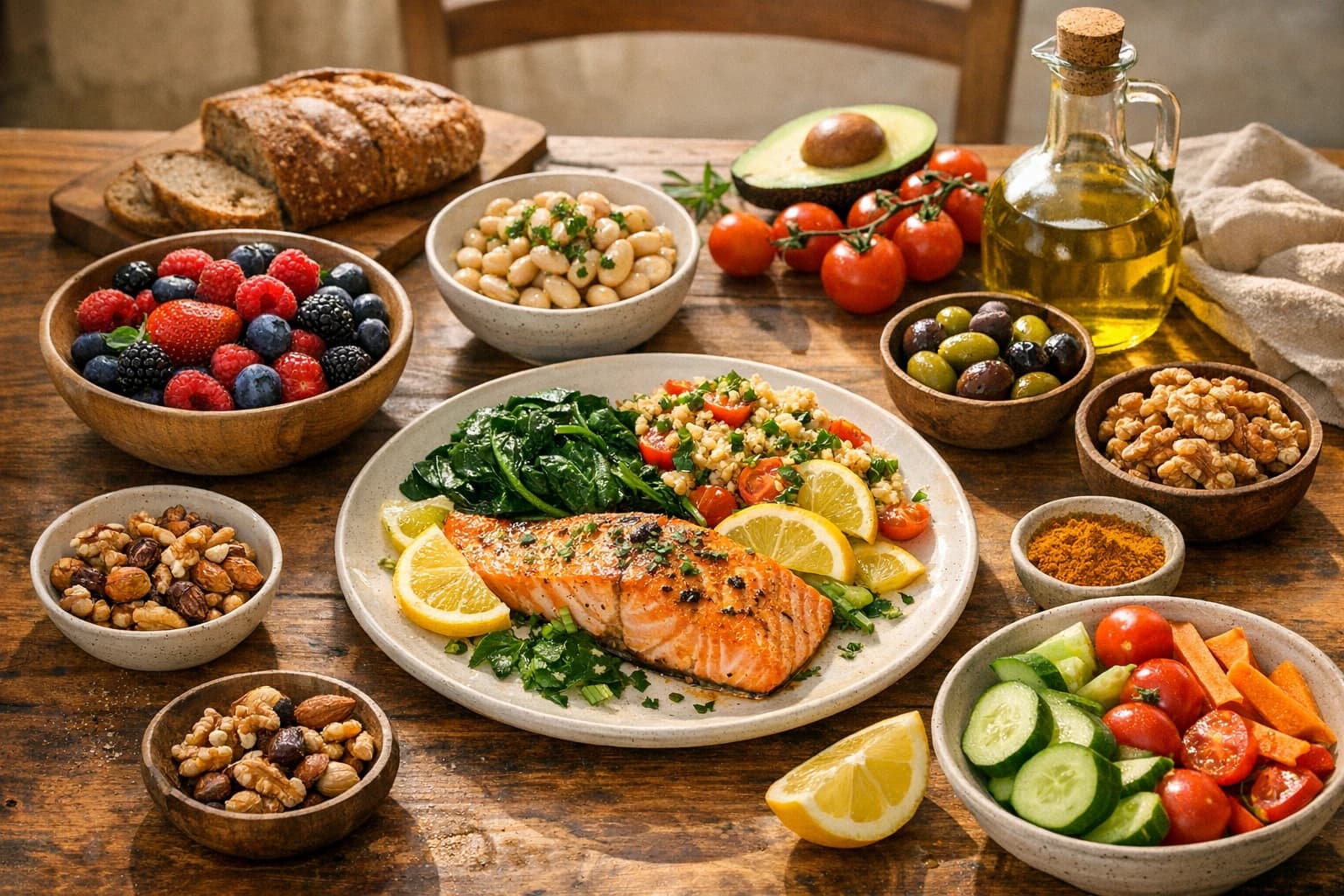
In practice, anti-inflammatory eating usually means eating more foods linked to lower chronic inflammation and fewer foods that drive the opposite pattern.
That often includes:
- berries and colorful produce
- leafy greens and cruciferous vegetables
- herbs and alliums like garlic and onions
- beans and lentils if tolerated
- nuts and seeds
- olive oil and other less processed fats
- fish and quality proteins
- fermented foods for some people
It is also about what gets crowded out. Soda, packaged desserts, fried food, and highly processed snack habits do not have to disappear forever, but they should not be doing most of the work in your diet.
Best anti-inflammatory foods at the Duluth Farmers Market
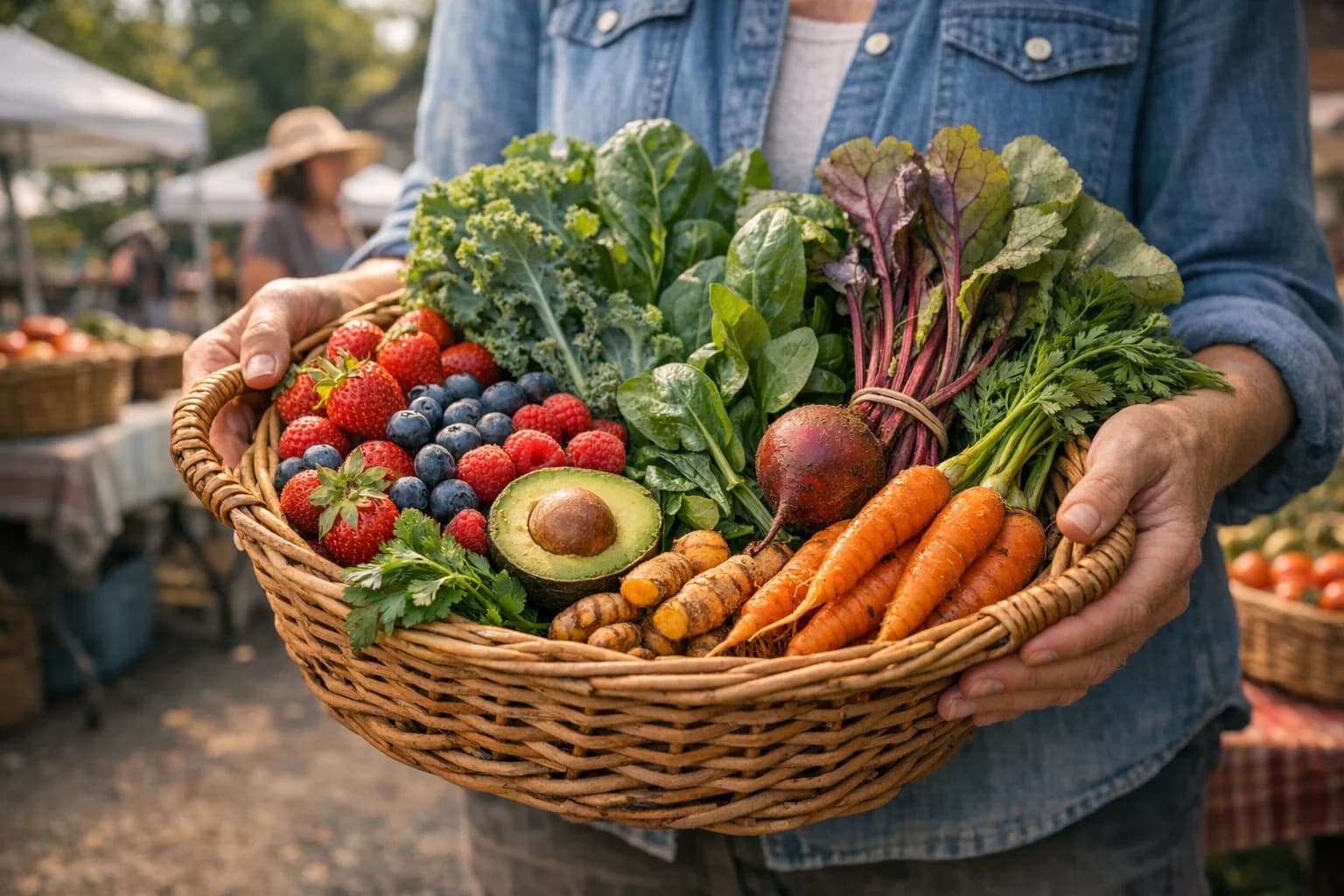
Depending on the season and vendors, these are some of the highest-value foods to look for.
Berries
Blueberries, strawberries, raspberries, and other seasonal berries are easy wins. They bring fiber, color, and polyphenols without requiring much effort.
They work well in yogurt bowls, protein smoothies, oatmeal, cottage cheese bowls, or as part of a blood sugar-friendlier dessert.
Leafy greens
Spinach, kale, arugula, mixed greens, and salad blends can make weeknight meals easier. Use them for salads, sautés, egg dishes, soups, and wraps.
If raw greens do not sit well, cook them down. You still get the benefit.
Cruciferous vegetables
Broccoli, cauliflower, cabbage, radishes, and related vegetables are strong choices for both gut and metabolic health. They pair well with sheet-pan dinners, stir-fries, slaws, and soups.
Beets and carrots
These are practical, store well, and fit naturally into anti-inflammatory eating. Roast them, shred them into salads, or add them to grain bowls.
Fresh herbs
Parsley, dill, basil, cilantro, mint, and chives do more than garnish. They make simple food taste like actual food, which helps healthy eating stick.
Garlic and onions
These are low-cost flavor builders that also support a more whole-food pattern. If you tolerate them well, use them often.
Beans, peas, and seasonal vegetables
These can help add fiber and variety. Some people do great with them. Others need to ease in slowly, especially if digestion has been off.
Fish, eggs, and locally raised proteins
Some markets or nearby producers offer eggs, fish, meat, or other protein staples. That matters because anti-inflammatory eating is not only about produce. Meals work better when protein is solid.
If you are trying to keep blood sugar steadier, this piece matters a lot. Read what is metabolic health and exercise as medicine if you want the broader framework.
How to shop the Duluth Farmers Market without wasting food
This is where good intentions often die.
People buy beautiful produce, then the week gets busy and everything collapses in the crisper drawer.
A smarter approach is to buy for real meals, not fantasy meals.
Ask yourself:
- what protein am I pairing this with?
- what will I cook in the next three days?
- what can I eat raw versus what needs prep?
- what is my easiest lunch option?
- what can I freeze or roast right away?
The goal is not maximum variety. The goal is getting food from the bag to the plate.
A simple anti-inflammatory farmers market grocery formula
Here is an easy way to shop.
Buy:
- 2 to 3 vegetables you can roast or sauté
- 1 leafy item for salads or eggs
- 1 berry or fruit option
- 1 herb bundle
- 1 protein source or a protein plan for the produce you bought
That is enough to build several meals without overcomplicating things.
Meal ideas using anti-inflammatory foods at the Duluth Farmers Market
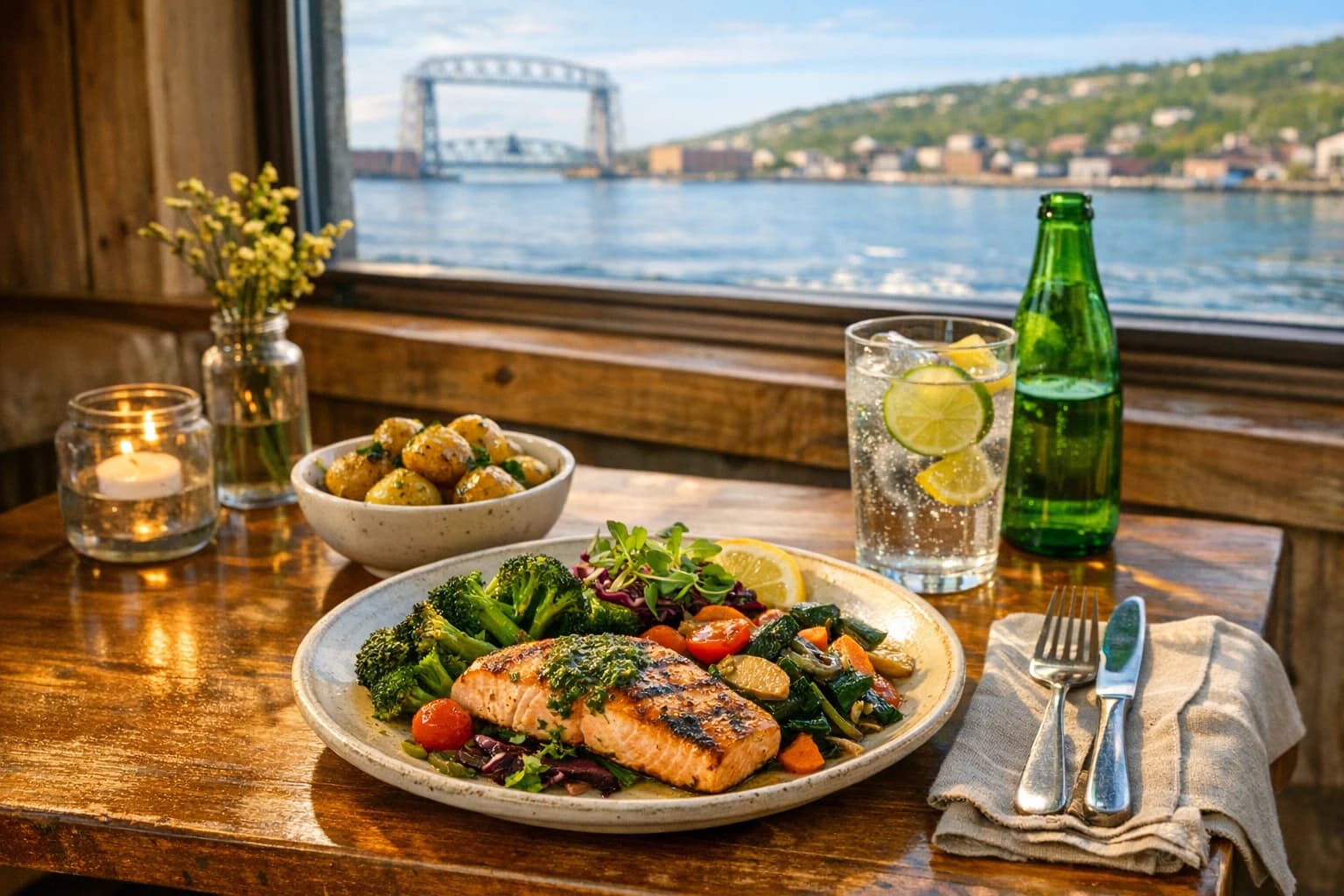
Salmon, roasted beets, and greens
Simple, filling, and rich in nutrients. Add potatoes or wild rice if you want a more complete dinner.
Turkey burger bowls with slaw and herbs
Use cabbage, carrots, herbs, and a yogurt-based sauce for a quick weeknight meal.
Egg scramble with greens, onions, and herbs
A good dinner on nights when you have no energy left.
Greek yogurt bowl with berries, seeds, and cinnamon
This works for breakfast, a quick lunch, or a light evening option if you need something simple.
Roasted vegetable sheet pan with chicken
Use whatever looks best at the market and keep the method easy.
Lentil or bean salad with herbs and chopped vegetables
Great for lunches if your digestion tolerates legumes well.
Anti-inflammatory foods at the Duluth Farmers Market and blood sugar support
This local angle matters because many people think anti-inflammatory eating means expensive powders, niche supplements, or a strict elimination plan.
Usually, it looks more like this:
- meals built around protein and produce
- fiber showing up more consistently
- less processed snack food
- better portion awareness with starches and sweets
- more food cooked at home
That kind of pattern can help with insulin resistance, cravings, and energy swings. If that is a concern for you, CGM for prediabetes, meal plan for insulin resistance, and reverse insulin resistance naturally are worth reading next.
What if farmers market shopping feels expensive?
That is a fair concern.
The answer is not to pretend cost does not matter. The answer is to buy strategically.
Try this:
- prioritize produce you will really use
- buy what is in season
- skip novelty items you do not know how to cook
- use frozen fruit or vegetables at home to fill gaps
- build around affordable proteins like eggs, Greek yogurt, canned fish, or chicken
- roast extra vegetables so leftovers become lunch instead of waste
Budget matters. Consistency matters more than purity.
Seasonal Duluth eating can support recovery too
For a lot of adults in Duluth, spring and summer are when energy starts to come back. People are outside more. They walk more. They want lighter meals. Shopping local seasonal food can fit that rhythm naturally.
And when fall and winter come back around, you still keep the habit. You just shift the produce and the meal style.
That is a much more durable approach than short bursts of restrictive eating.
FAQ about anti-inflammatory foods at the Duluth Farmers Market
What are the best anti-inflammatory foods to buy first?
Berries, leafy greens, cruciferous vegetables, fresh herbs, and quality proteins are strong first choices.
Do anti-inflammatory foods help with blood sugar?
They can. A whole-food pattern with more produce, fiber, and protein often supports steadier blood sugar and better fullness.
Is farmers market food always healthier?
Not automatically. But it often makes it easier to eat more whole foods and fewer ultra-processed foods.
What if I do not cook much?
Start small. Buy foods you can roast, sauté, or eat with almost no prep. Healthy eating gets easier when the barrier stays low.
Can this help with high blood pressure and weight management?
Yes, especially when it leads to better overall diet quality, lower sodium from packaged foods, and more consistent meals. See high blood pressure and weight management for related support.
Local food can be part of a better plan
You do not need to overhaul everything overnight. Start with a few better buys, a few repeat meals, and a little less dependence on packaged convenience food. Anti-inflammatory foods at the Duluth Farmers Market can be one of the easiest local ways to eat in a way that supports energy, blood sugar, and long-term health.
If you want help turning that into a plan that fits your body and your schedule, contact Duluth Metabolic.