If you are searching for an anti-inflammatory meal plan for beginners, there is a good chance you are already tired of vague advice. You have probably heard that inflammation matters. You may even suspect it is part of why you feel puffy, achy, tired, foggy, or stuck with the same cravings every night. But then the internet hands you a food list longer than a hardware receipt and somehow expects you to change your whole kitchen by Monday.
That is usually where good intentions go to die.
At Duluth Metabolic, we try to make this simpler. An anti-inflammatory way of eating does not need to look extreme, expensive, or perfect. It needs to be repeatable. It needs to help you feel better. And it needs to fit real life in Duluth, where work is busy, winter is long, and most adults do not have time to prep twelve different wellness bowls every Sunday.
If you are new to this, start with the idea that inflammation is not just about one “bad” ingredient. It is usually the result of a bigger pattern, poor sleep, stress, blood sugar swings, ultra-processed food, low activity, and meals that leave you hungry an hour later. That is why the best anti-inflammatory meal plan for beginners focuses on meal structure first. For more background, our articles on anti-inflammatory diet in Duluth MN, chronic inflammation, and meal prep for blood sugar control are helpful places to start.
What an anti-inflammatory meal plan for beginners should actually do
A useful meal plan should lower friction, not raise it.
For most people, that means meals built around:
- enough protein to keep you full
- vegetables, fruit, beans, or other fiber-rich foods most days
- healthy fats like olive oil, nuts, seeds, avocado, and fatty fish
- fewer refined carbs, sugary drinks, and highly processed snacks
- foods you can buy, prep, and repeat without hating your life
This does not mean every person needs the exact same foods. Some people feel great with beans and oats. Others do better keeping starch lower for a while, especially when blood sugar is part of the issue. Some do well with dairy. Others do not. The point is not to copy somebody else’s elimination diet from social media. The point is to build meals that help your body calm down.
What anti-inflammatory eating looks like in real life
A lot of beginner guides make anti-inflammatory eating sound like a shopping list of miracle foods. Turmeric is fine. Blueberries are great. Salmon deserves the hype. But if the rest of the day is built around energy drinks, skipped meals, drive-thru lunches, and crackers for dinner, the handful of “superfoods” is not doing much heavy lifting.
In real life, anti-inflammatory eating usually looks more like this:
Breakfast has protein. Lunch is not an afterthought. Dinner includes a solid protein source and vegetables. Snacks are supportive, not chaotic. There is less sugar and less random grazing. You still eat food you like, but the floor gets raised.
That kind of consistency can support weight management, better blood sugar, and fewer energy crashes. It can also help people dealing with high blood pressure, gut issues, and the mood swings that often come with poor sleep and unstable meals. If that overlap sounds familiar, our resources on gut health habits for busy adults, walk after meals blood sugar, and sleep and metabolic health are worth reading too.
A simple anti-inflammatory meal plan for beginners
This is not a rigid prescription. Think of it as a practical one-week template you can repeat, swap, and simplify.
Day 1
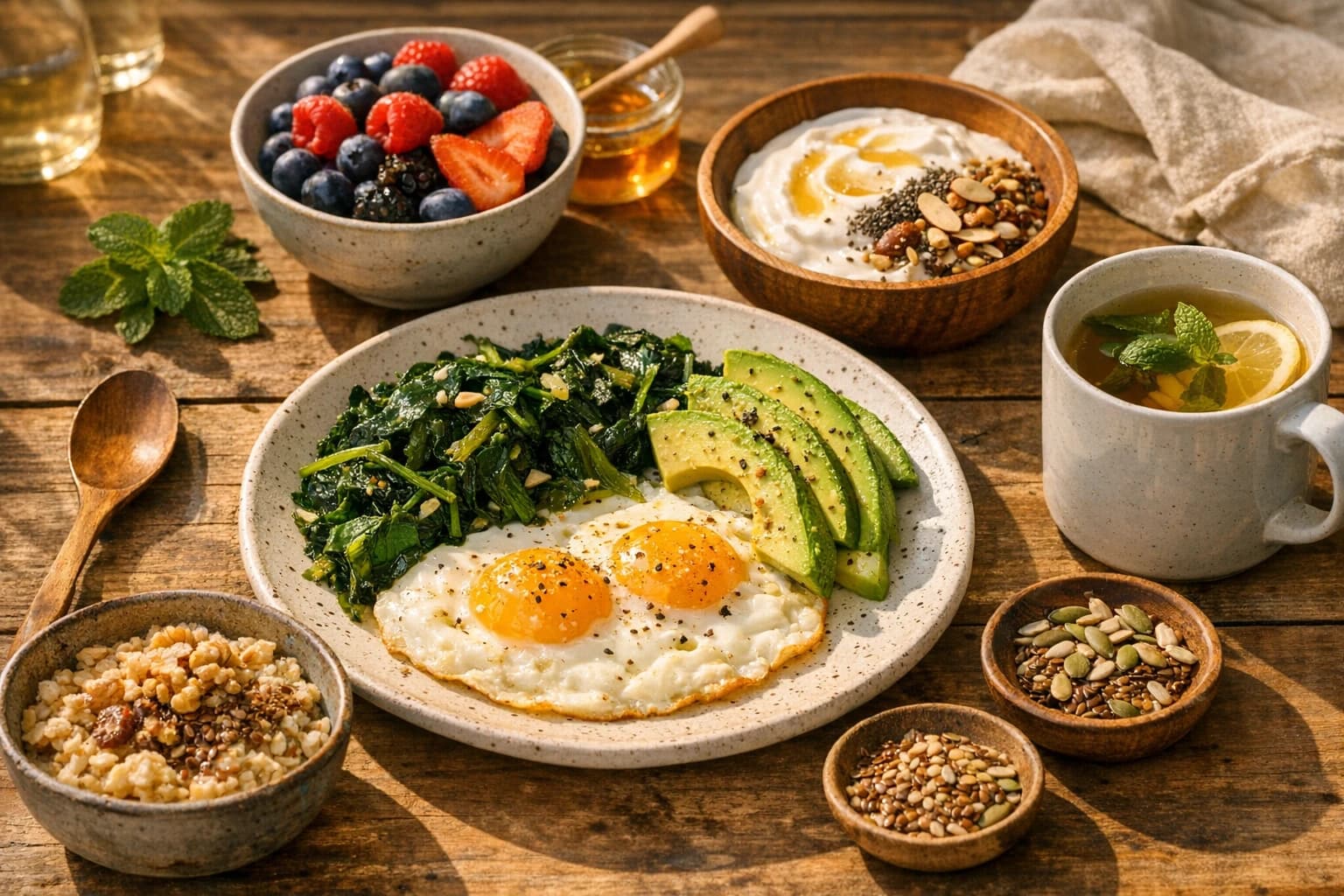
Breakfast: Plain Greek yogurt with berries, walnuts, chia seeds, and cinnamon.
Lunch: Big salad with chicken, olive oil, lemon, cucumber, tomatoes, and pumpkin seeds.
Dinner: Salmon, roasted broccoli, and a small sweet potato.
Snack ideas: Apple with almond butter, cottage cheese, or carrots with hummus.
Why it works: You get protein early, fiber across the day, healthy fats, and a dinner that supports recovery without feeling heavy.
Day 2
Breakfast: Eggs scrambled with spinach and mushrooms, plus avocado.
Lunch: Turkey lettuce wraps with sliced peppers, olive oil mayo, and fruit on the side.
Dinner: Ground turkey bowl with cauliflower rice, sautéed peppers, salsa, and avocado.
Snack ideas: Mixed nuts, plain yogurt, or leftover turkey.
Why it works: This day keeps blood sugar steadier for people who do better with fewer starches and more savory meals.
Day 3
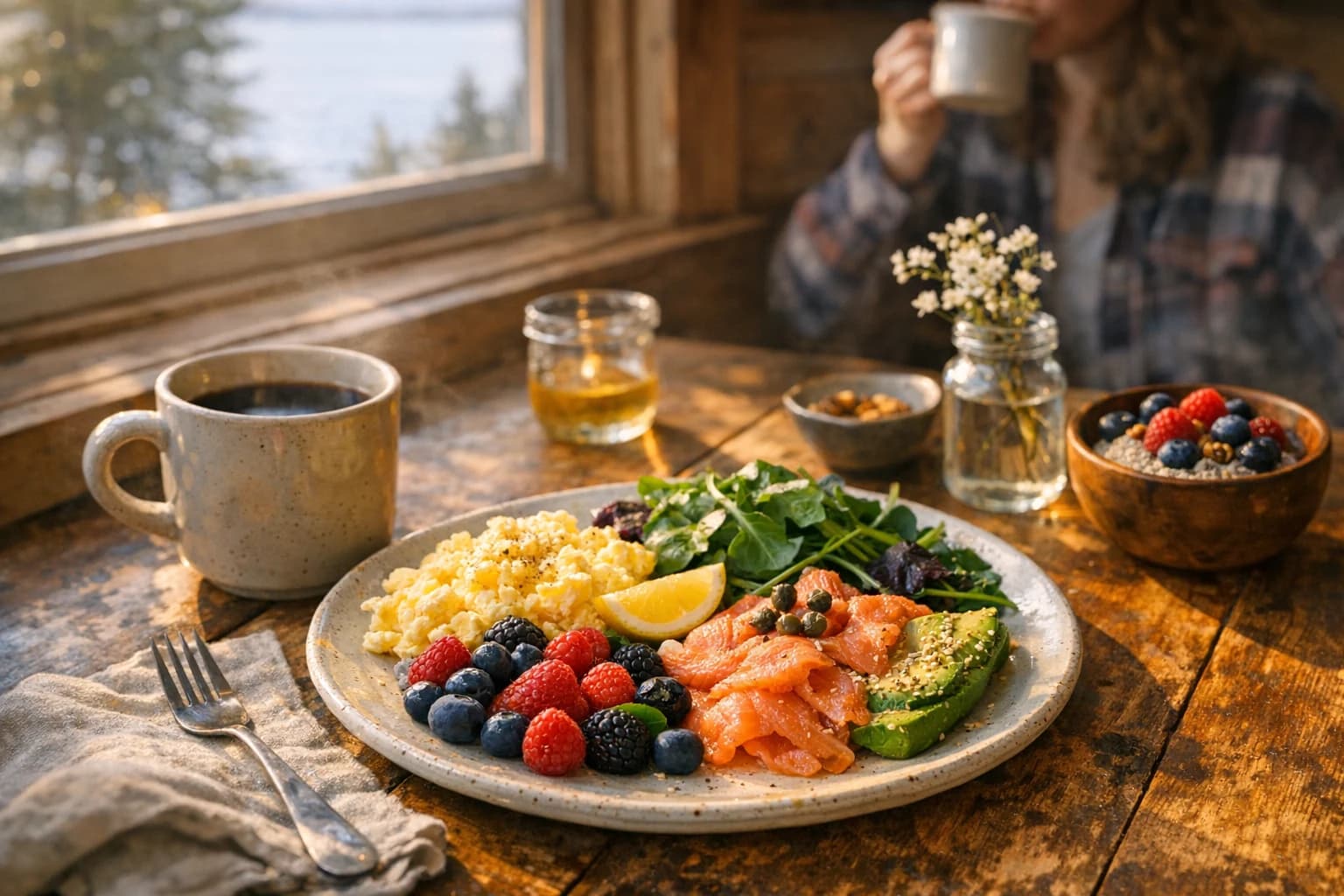
Breakfast: Cottage cheese with berries, flax, and sliced almonds.
Lunch: Lentil soup with a side salad and olive oil dressing.
Dinner: Sheet pan chicken thighs, Brussels sprouts, and roasted carrots.
Snack ideas: Hard-boiled eggs, berries, or cucumber slices with hummus.
Why it works: You get a mix of protein, fiber, and anti-inflammatory plant foods without fancy ingredients.
Day 4
Breakfast: Protein smoothie with unsweetened milk, protein powder, spinach, frozen berries, flax, and nut butter.
Lunch: Leftover chicken over greens with avocado and a handful of walnuts.
Dinner: Shrimp stir-fry with broccoli, snap peas, garlic, ginger, and cauliflower rice or regular rice if that fits you well.
Snack ideas: Edamame, Greek yogurt, or an orange with a handful of pistachios.
Why it works: This is a good example of how anti-inflammatory eating can still be fast and normal on a workday.
Day 5
Breakfast: Egg muffins with vegetables and turkey sausage.
Lunch: Tuna salad over greens with olives, cucumber, and olive oil vinaigrette.
Dinner: Burger bowls with greens, roasted vegetables, pickles, and avocado.
Snack ideas: Celery with peanut butter, cottage cheese, or leftover roasted vegetables with hummus.
Why it works: Good meal plans usually include leftovers and easy assembly meals. That is not cheating. That is smart.
Day 6
Breakfast: Plain yogurt bowl with berries, hemp seeds, and walnuts.
Lunch: Chicken and vegetable soup with a side salad.
Dinner: Baked cod, asparagus, and roasted potatoes or a smaller potato portion if you are working on blood sugar control.
Snack ideas: Cheese if tolerated, apple slices, or nuts.
Why it works: This day feels approachable for families and works well during colder months.
Day 7
Breakfast: Omelet with leftover vegetables and avocado.
Lunch: Big chopped salad with salmon or chicken, berries, pecans, and olive oil dressing.
Dinner: Slow cooker chili with beans or a lower-carb chili version, depending on what works best for you.
Snack ideas: Greek yogurt, roasted chickpeas, or berries.
Why it works: Ending the week with flexible meals makes it easier to shop and prep for the next one.
How to make this easier in a real kitchen
The best anti-inflammatory meal plan for beginners is usually the one with the fewest moving parts.
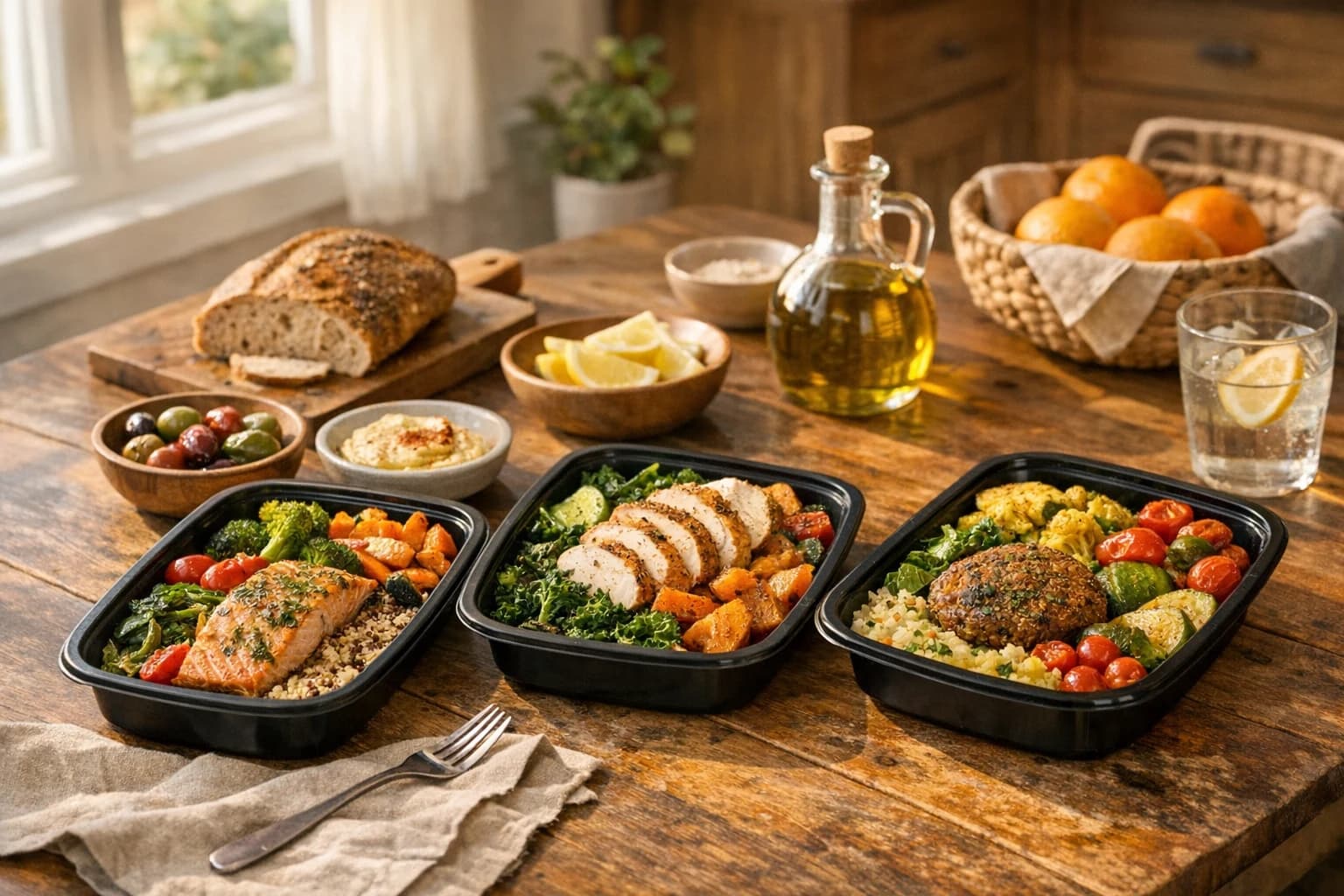
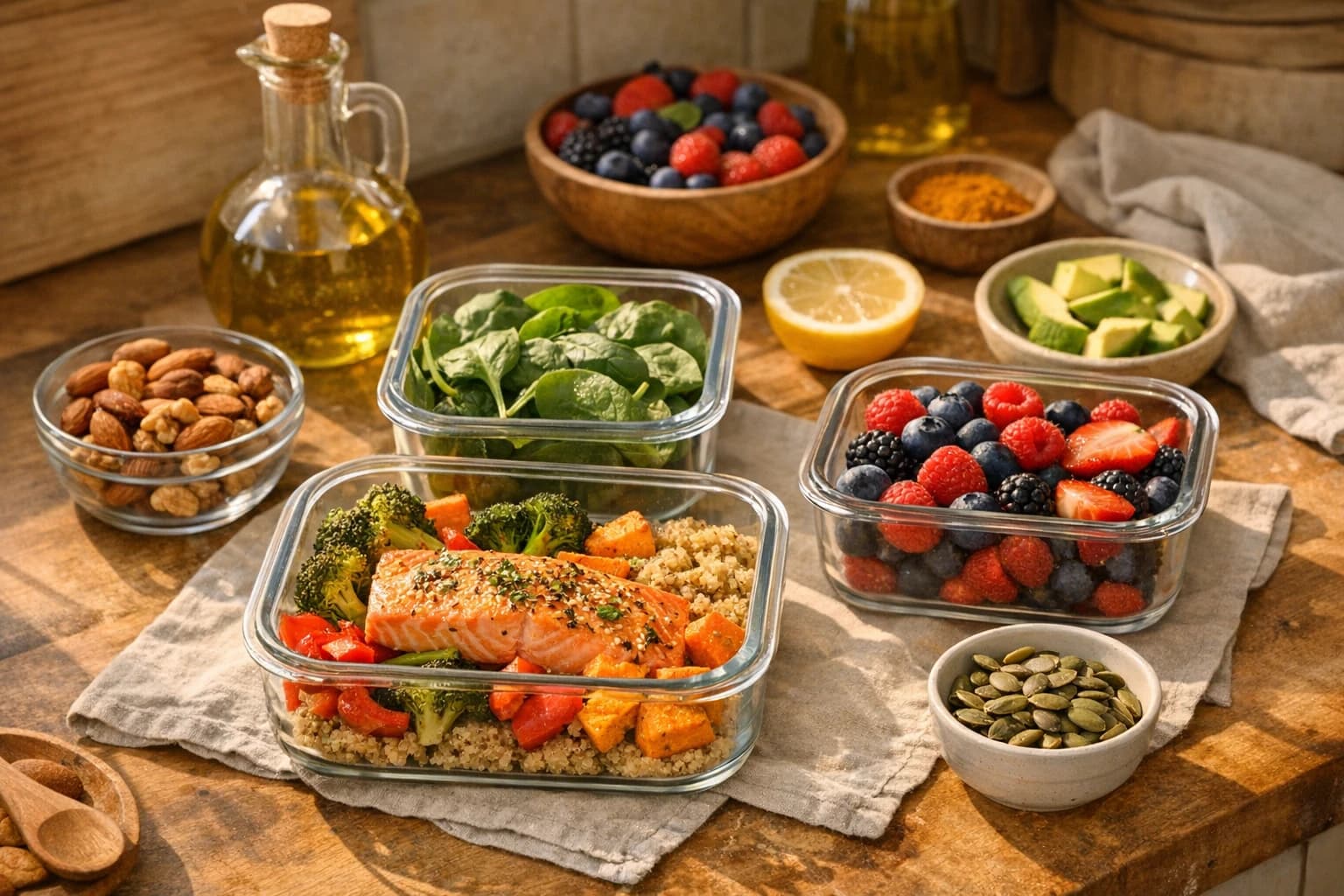
Pick two breakfast options. Pick two or three lunches. Pick three dinners. Repeat them. Keep frozen vegetables, berries, eggs, Greek yogurt, canned salmon or tuna, nuts, olive oil, and a few reliable proteins around. That alone can raise the quality of a week fast.
This matters because consistency beats novelty. When meal planning turns into an identity project, people burn out. When it becomes a handful of dependable meals and a short grocery list, people usually do much better.
Foods that tend to help, and foods that tend to get in the way
Most people do well eating more:
- fish, chicken, turkey, eggs, Greek yogurt, cottage cheese, beans, or lentils
- berries, apples, citrus, leafy greens, broccoli, cauliflower, carrots, peppers, and other vegetables
- olive oil, avocado, nuts, seeds, and nut butters
- herbs and spices like garlic, ginger, cinnamon, and turmeric
Most people do better eating less:
- sugary coffee drinks and soda
- pastries, cereal, and other refined breakfast foods
- chips, crackers, and snack foods that are easy to overeat
- fast food meals that leave you hungry again right away
- alcohol in amounts that wreck sleep, recovery, or appetite control
That does not mean you can never eat them. It means they probably should not be the structure of your week.
When anti-inflammatory eating needs to be more personalized
Sometimes a beginner meal plan gets you moving. Sometimes it also reveals that there is more going on.
If you feel bloated after meals, tired all the time, hungry no matter what you eat, or stuck with stubborn weight gain despite “eating healthy,” it may be time to look deeper. Blood sugar patterns, hormones, sleep, stress, digestion, and nutrient status all matter.
That is where biomarker testing, nutrition coaching, and a more complete look at your habits can help. A meal plan is useful. A meal plan that fits your body is better.
FAQ
What is the best anti-inflammatory meal plan for beginners?
The best one is simple enough to follow for more than a few days. Start with protein at each meal, more vegetables and fiber-rich foods, healthy fats, and fewer highly processed snacks and sugary drinks.
Do I need to cut out gluten or dairy?
Not automatically. Some people feel better without one or both, but plenty of people can include them just fine. It depends on your symptoms, preferences, and how your body responds.
Can an anti-inflammatory meal plan help with weight loss?
It can support weight loss by improving fullness, reducing cravings, and making blood sugar swings less dramatic. That often makes better habits easier to sustain.
Is anti-inflammatory eating the same as low carb?
Not exactly. There is overlap, especially when you reduce refined carbs and sugary foods, but anti-inflammatory eating is more about overall meal quality and pattern than a strict carb number.
How long does it take to notice a difference?
Some people notice steadier energy and less bloating within a week or two. Bigger changes usually come from staying consistent long enough for your meals, sleep, movement, and stress patterns to start improving together.
Keep it simple enough to continue
A good anti-inflammatory meal plan for beginners should make your life easier, not harder. That means real food, simple repetition, better structure, and enough flexibility that you can keep going next week too.
If you want help turning a generic food list into a plan that actually fits your symptoms, blood sugar, labs, and routine, contact Duluth Metabolic. We can help you build something practical, supportive, and much easier to live with.