Looking for a meal plan for insulin resistance usually means one thing. You are tired of feeling like your body is working against you.
Maybe your A1C is creeping up. Maybe your fasting insulin came back high even though someone told you your labs were "fine." Maybe you are hungry all the time, crashing in the afternoon, or gaining weight in ways that feel out of proportion to what you eat.
This is where generic nutrition advice often falls apart. "Eat less sugar" is not enough. Neither is a strict meal plan you cannot actually follow on a busy Tuesday.
A good meal plan for insulin resistance should do a few simple things. It should keep blood sugar steadier, help you stay full longer, reduce that snacky all-day feeling, and fit real life. It should also leave room for your actual schedule, whether that means packing lunch for work, feeding a family, or grabbing dinner after a long day.
If you are new to this topic, it also helps to read high fasting insulin with normal A1C, A1C 5.7, what to do, and reverse insulin resistance naturally.
What a meal plan for insulin resistance should actually focus on
Most people do better when they stop thinking only about what to remove and start thinking about what each meal needs.
A blood-sugar-friendly meal usually includes:
- enough protein to keep you full
- fiber from vegetables, beans, berries, or other whole foods
- carbs chosen with more intention, not eaten by default
- healthy fats that make the meal feel satisfying
- enough total food to prevent the late-night rebound
That is why a useful meal plan for insulin resistance is not about surviving on salads or pretending crackers count as lunch. It is about building meals that work better metabolically.
For many adults, the big wins come from reducing refined carbs, building meals around protein first, and avoiding the pattern of sugary breakfast, random lunch, snack dinner, and evening cleanup eating.
Why meal timing and meal structure matter
Insulin resistance is not only about the total amount of carbs you eat. It is also about the pattern.
If breakfast spikes you, lunch is mostly convenience food, and dinner is huge because you were underfed all day, your energy and appetite usually stay all over the place.
A steadier pattern often looks like:
- protein-forward breakfast
- lunch that actually holds you for several hours
- dinner with real protein, vegetables, and a sensible carb portion if desired
- snacks used strategically, not automatically
That structure matters whether you are also dealing with reactive hypoglycemia after meals, food noise and blood sugar, or why is my blood sugar high in the morning.
A real-life 7-day meal plan for insulin resistance
This sample week is built for normal adults, not people with unlimited time and perfect motivation. Use it as a template, not a script.
Day 1
Breakfast can be scrambled eggs with spinach, feta, and berries on the side.
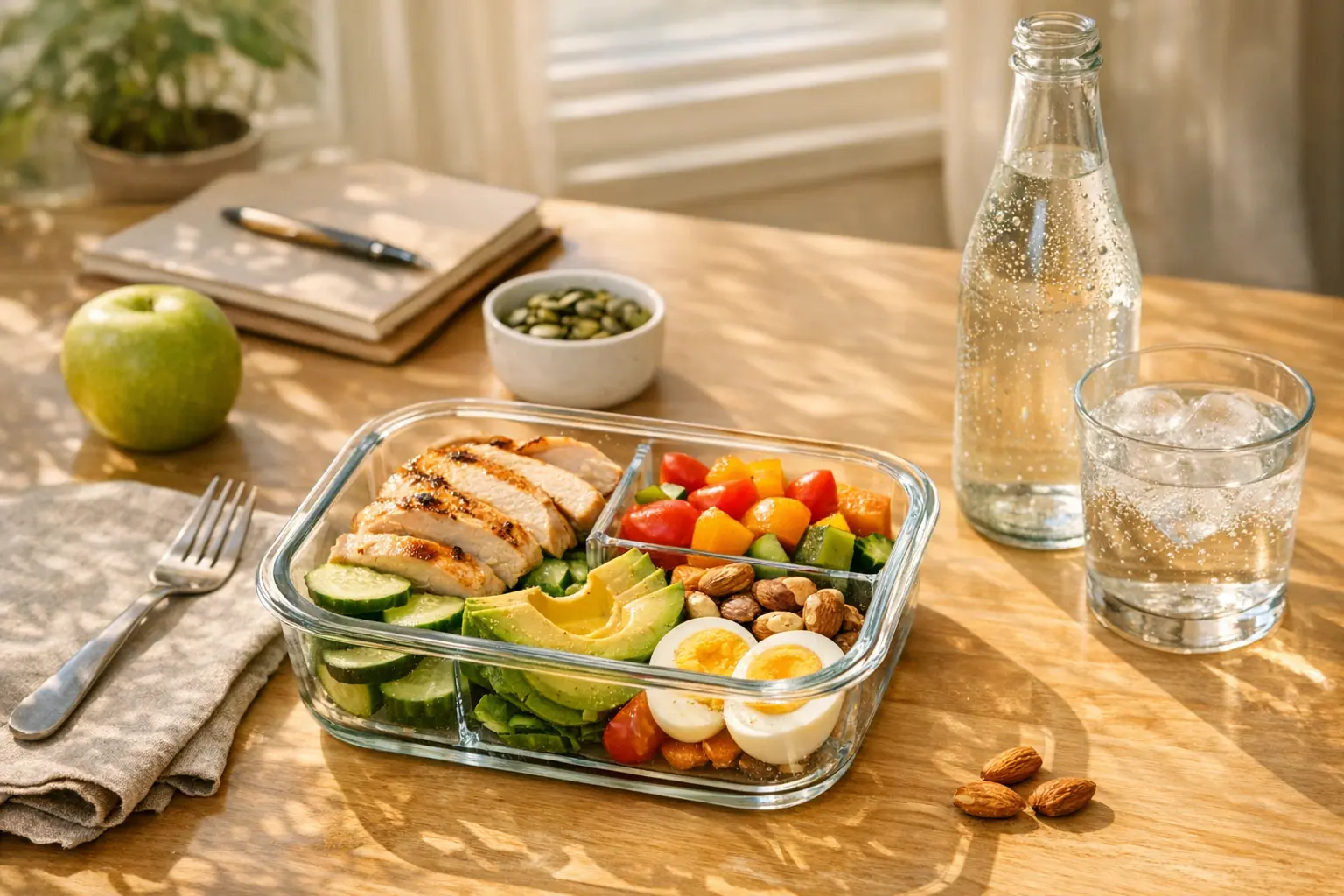
Lunch can be grilled chicken over a big salad with cucumbers, tomatoes, olives, and olive oil vinaigrette.
Dinner can be salmon, roasted broccoli, and a moderate serving of wild rice.
If you need a snack, try Greek yogurt with chia seeds or an apple with peanut butter.
Why this day works: protein is solid at every meal, fiber is high, and carbs are present without taking over the plate.
Day 2
Breakfast can be plain Greek yogurt with walnuts, cinnamon, and frozen berries.
Lunch can be leftover salmon over greens, or a turkey lettuce wrap with sliced vegetables and hummus.
Dinner can be taco bowls with seasoned ground beef or turkey, lettuce, salsa, avocado, cheese, and black beans if tolerated.
A snack can be cottage cheese, jerky, or a handful of almonds.
This is a good example of how a meal plan for insulin resistance does not need special foods. It just needs better balance.
Day 3
Breakfast can be a protein smoothie with unsweetened milk, spinach, protein powder, flax, and a small amount of fruit.
Lunch can be tuna salad with crunchy vegetables and seed crackers, or leftovers if that is easier.
Dinner can be sheet-pan chicken thighs with Brussels sprouts and cauliflower.
If you want something after dinner, try herbal tea and a small portion of dark chocolate instead of grazing through the pantry.
Day 4
Breakfast can be cottage cheese with berries, pumpkin seeds, and a couple of boiled eggs.
Lunch can be lentil soup with extra chicken or turkey mixed in, plus a side salad.
Dinner can be burger bowls with lettuce, tomato, onion, pickles, and roasted vegetables.
A snack can be bell peppers with guacamole.
This day works well for people who need meals that are fast and repeatable. That matters more than culinary creativity when life is busy.
Day 5
Breakfast can be oats cooked with chia and cinnamon, paired with eggs or sausage on the side.
Lunch can be a grain bowl built around protein first, with greens, grilled chicken, cabbage slaw, olive oil, and a smaller serving of quinoa.
Dinner can be shrimp stir-fry with cabbage, peppers, mushrooms, and cauliflower rice or a modest portion of rice if that works for you.
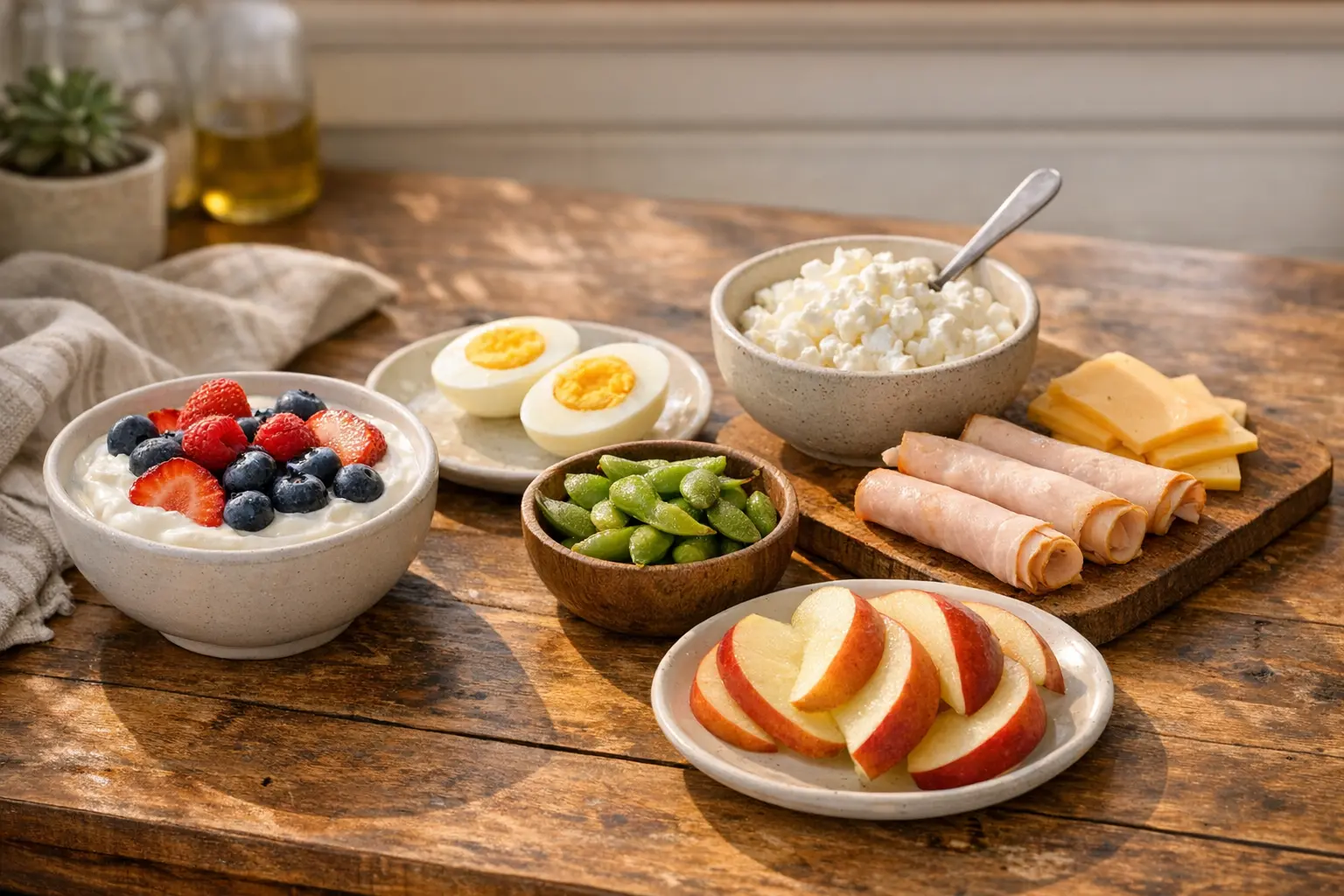
A snack can be cheese, turkey roll-ups, or plain yogurt.
Oats are not automatically off limits. The question is whether they are paired and portioned in a way that keeps you steady.
Day 6
Breakfast can be leftover egg bake with vegetables and sausage.
Lunch can be chicken salad over greens, or a bunless burger with a salad if you are eating out.
Dinner can be steak, asparagus, and roasted potatoes in a moderate portion.
A snack can be berries with cottage cheese.
This is where many people learn they do not need to fear every carb. They usually do better by improving context around carbs rather than trying to eliminate them entirely.
Day 7
Breakfast can be eggs, avocado, and sautéed vegetables.
Lunch can be chili loaded with meat, beans to tolerance, and vegetables.
Dinner can be baked cod with green beans and a side salad, followed by fruit if desired.
A snack can be nuts or a hard-boiled egg if hunger is real.
By the end of a week like this, many people notice fewer crashes, less constant hunger, and more control around food.
The easiest way to build your own meal plan for insulin resistance
If a detailed plan feels overwhelming, use this simpler formula.
At each meal, ask:
What is my protein?
What is my fiber source?
What carb here is worth it, and how much do I actually need?
That might look like eggs plus berries in the morning, chicken and vegetables at lunch, and fish with vegetables and potatoes at dinner. It might look like Greek yogurt with chia, then leftovers, then a taco bowl. There is no magic in variety for its own sake.
The point is to stop eating meals that are mostly starch and hoping your body somehow handles it better tomorrow.
Breakfast is where many people fix more than they expect
A lot of insulin-resistant patterns get reinforced early in the day.
Sweet coffee drinks, toast, cereal, granola, muffins, and protein bars that are really candy bars can all create a spike-crash cycle that follows you for hours. If that is your normal breakfast, shifting to a protein-forward option often helps quickly.
Good breakfast options include:
- eggs with fruit or vegetables
- Greek yogurt with nuts and seeds
- cottage cheese with berries
- a blood-sugar-friendly smoothie
- leftovers from dinner, if you are open to it
If breakfast has always felt impossible, our guides on blood sugar-friendly breakfast ideas and walk after meals for blood sugar can help.
Meal prep helps, but it does not need to be intense
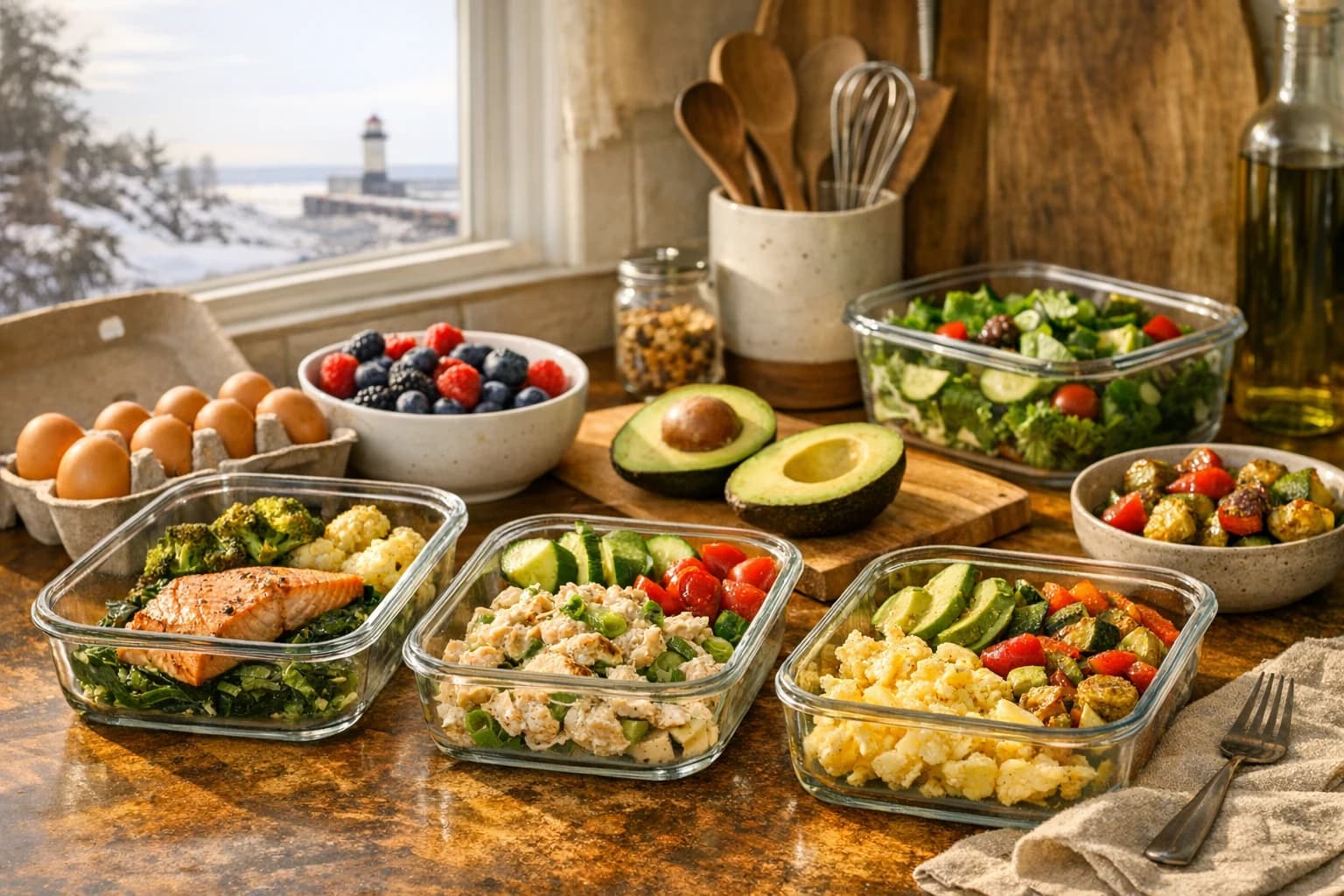
A lot of people hear meal prep and picture four hours of chopping and matching containers. That is one version. It is not required.
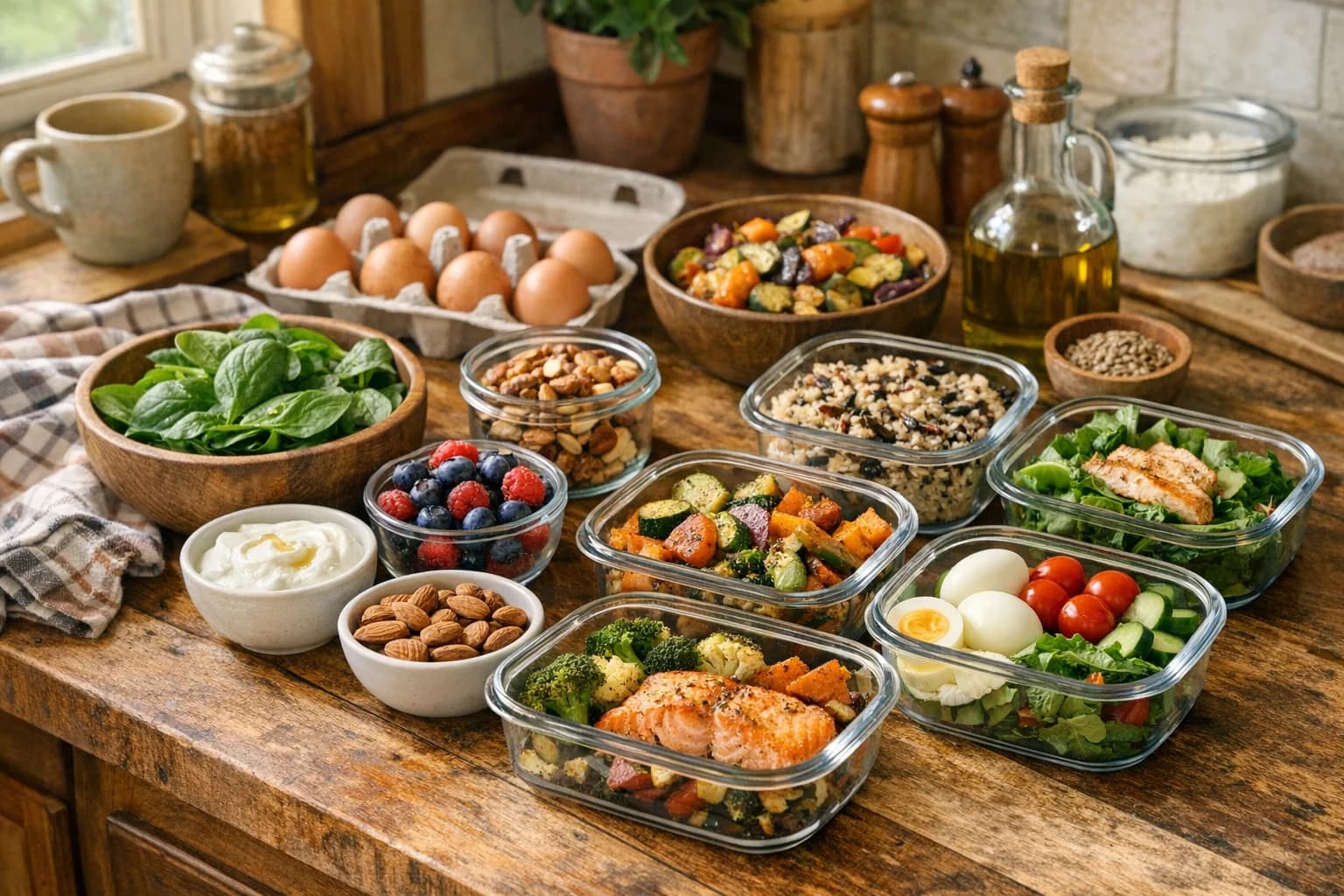
Simple meal prep for insulin resistance can mean:
- cooking extra protein at dinner
- washing and cutting vegetables once or twice a week
- keeping Greek yogurt, eggs, fruit, and nuts around for easy breakfasts
- having one soup, chili, or skillet meal ready in the fridge
- using frozen vegetables and rotisserie chicken without guilt
This is also where meal prep for blood sugar control and low-carb eating in Duluth, MN fit well. You do not need to become a meal-prep influencer. You just need the next decent meal to be easier than takeout.
Should everyone with insulin resistance eat low carb?
Not necessarily in the extreme sense.
Many people with insulin resistance feel better with fewer refined carbs and a more moderate-carb approach. That does not mean everyone needs keto. It means the standard high-carb, low-protein pattern often works poorly for blood sugar, appetite, and energy.
Some people tolerate beans, oats, fruit, potatoes, or wild rice quite well when those foods are paired with protein and eaten in sensible portions. Others need a lower-carb approach for a while to calm things down. The best answer usually comes from your symptoms, your labs, and sometimes your glucose data.
That is one reason CGM for prediabetes and CGM for weight loss can be so helpful. You stop guessing and start seeing what your body is actually doing.
A meal plan for insulin resistance should support muscle too
This part gets overlooked.
The more muscle you have, the more metabolic help you have. Muscle tissue is one of the biggest glucose sinks in the body, which means strength training and adequate protein both matter here.
If you are trying to improve insulin resistance while under-eating protein and skipping movement, progress usually comes slower. That is why nutrition works best when it is paired with strength training for insulin resistance, exercise as medicine, or a personalized exercise therapy plan.
FAQ
What is the best meal plan for insulin resistance?
The best meal plan for insulin resistance is one you can repeat. In general, it emphasizes protein, fiber, minimally processed foods, and a more thoughtful carb load while reducing sugary drinks and refined carbs.
Can I eat fruit if I have insulin resistance?
Usually yes. Whole fruit often fits well, especially berries, apples, and fruit paired with protein or fat. Juice and dried fruit are more likely to hit blood sugar harder.
Is intermittent fasting required?
No. Some people do well with it, but many first need more stable meal quality before meal timing becomes the main issue. If you are curious, read intermittent fasting for beginners.
What are the worst foods for insulin resistance?
Sugary drinks, refined flour products, oversized dessert-like breakfasts, and highly processed snacks tend to make things harder. The bigger problem is often the overall eating pattern, not one single food.
How long does it take to notice improvement?
Some people notice steadier energy and less hunger within days or weeks. Lab changes may take longer, depending on sleep, stress, activity, and how insulin-resistant you were to begin with.
The bottom line
A good meal plan for insulin resistance should make your life feel calmer, not more complicated.
You do not need perfect macros, expensive products, or a new personality. You need meals that keep you full, support steadier blood sugar, and fit the life you are actually living. That usually means more protein, more fiber, fewer refined carbs, and a little more structure than most people are used to.
If you want help building a plan around your symptoms, labs, and real routine, contact Duluth Metabolic. We can help you connect nutrition, biomarker testing, CGM data, and accountability so your meals are finally working for you instead of against you.