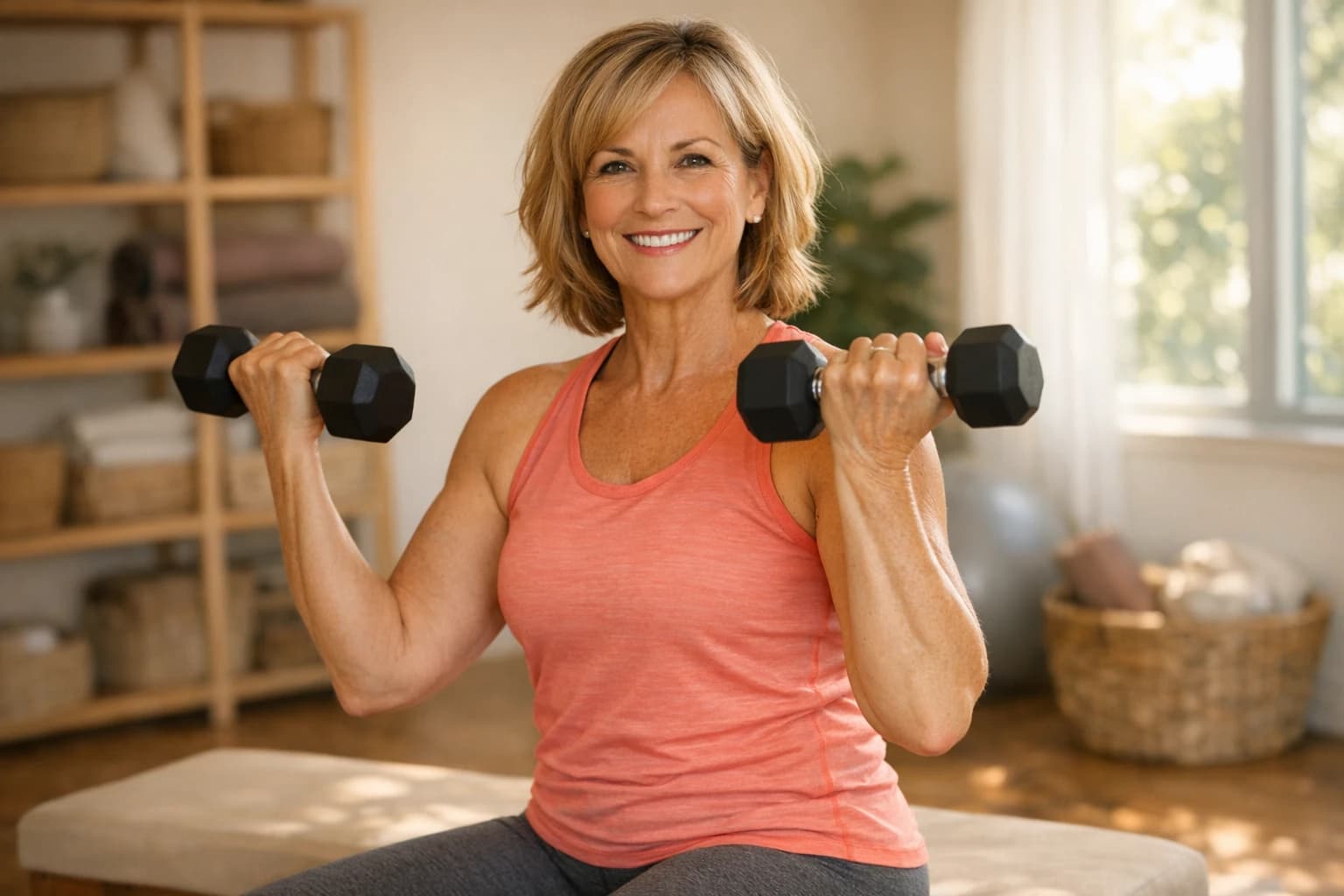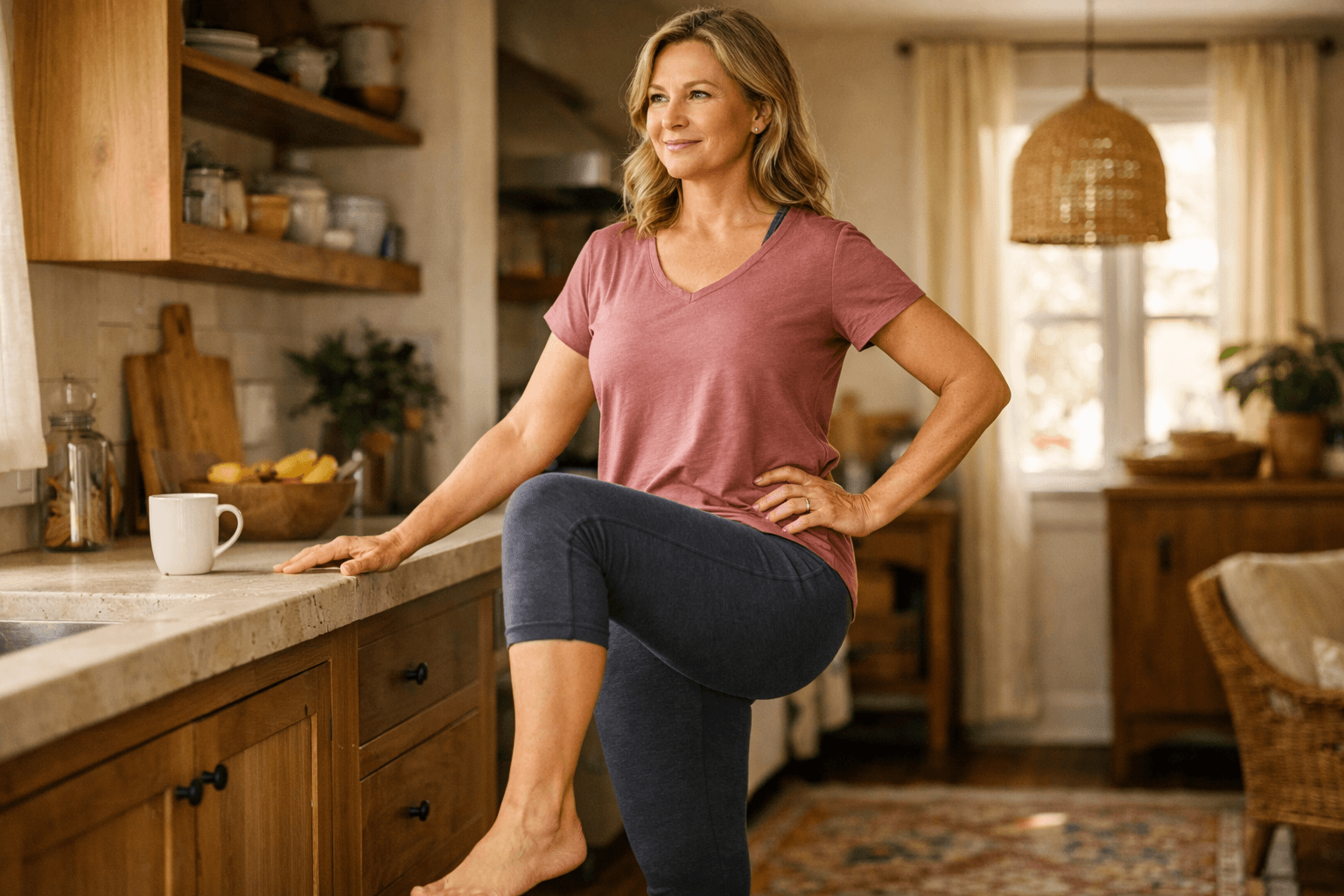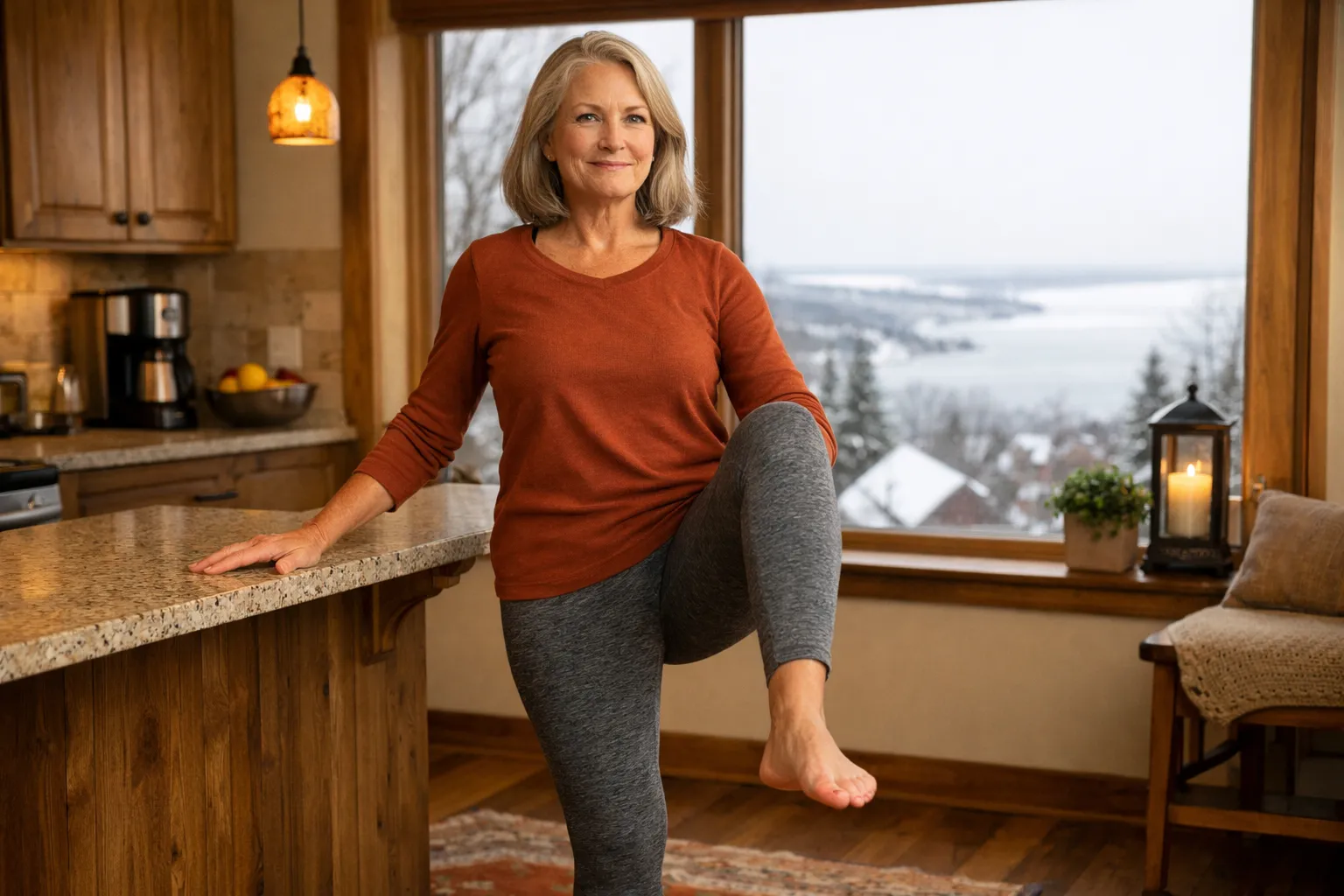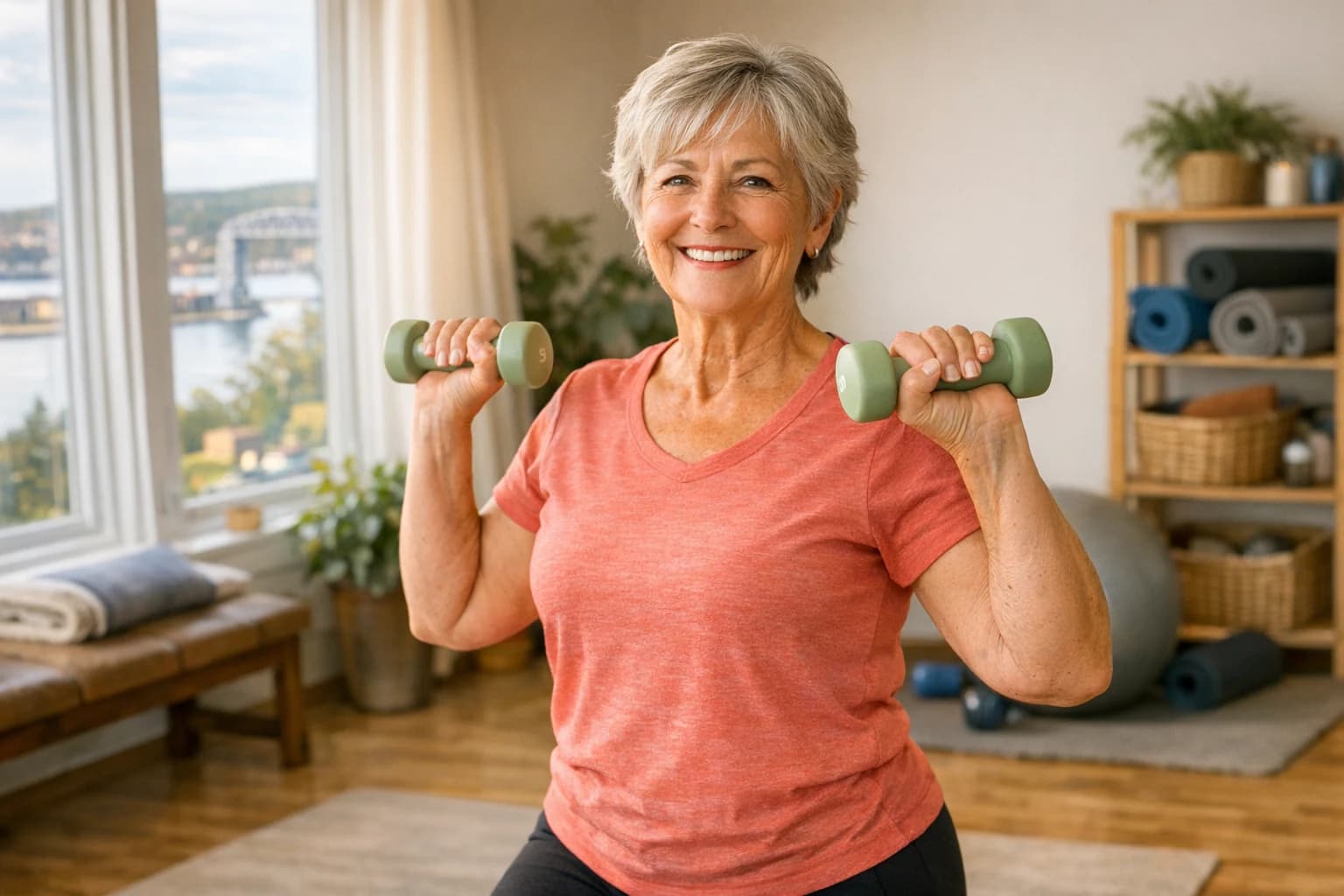
If you are searching for strength training for osteoporosis in Duluth, MN, there is a good chance you are trying to thread a needle. You want stronger bones, better balance, and more confidence, but you also do not want to get hurt doing the very thing that is supposed to help.
That concern is reasonable.
A lot of people hear osteoporosis and immediately become afraid of movement. Others get generic advice like “lift weights” without any help figuring out what that actually means for their body, their scan results, or their current fitness level. Both ends of that spectrum can leave people stuck.
The good news is that thoughtful strength training is one of the most useful tools for osteoporosis. It can support bone health, posture, muscle mass, balance, and everyday independence. If you are starting from scratch, you may also want to read building bone density after 50, strength training for osteopenia over 50, and balance exercises for beginners over 50.
Why strength training for osteoporosis in Duluth, MN matters
Bones respond to load.
That does not mean reckless load. It means your body benefits from safe, progressive resistance that tells muscles and bones they are still needed. When strength training is done well, it can help improve how you move, how steady you feel, and how much force your body can handle in daily life.
That matters because fracture risk is not only about bone density. It is also about:
- muscle weakness
- poor balance
- slower reactions
- low confidence with movement
- falls during ordinary tasks
This is why strength training for osteoporosis in Duluth, MN should not be framed as a gym hobby. For many adults, it is part of staying independent.
What osteoporosis changes, and what it does not
Osteoporosis means bone density has dropped enough that fracture risk is higher. That is serious, but it does not mean you are fragile in every direction or that your life has to shrink.
What it does mean is that training should be more intentional.
You want exercises that build strength, support posture, and improve balance without asking your body to handle forces it is not ready for. That is different from doing nothing. In fact, avoiding movement completely usually makes the situation worse by increasing weakness and reducing confidence.
If fatigue, deconditioning, or fear have also crept in, musculoskeletal weakness and chronic fatigue may be part of the bigger picture too.
What good strength training for osteoporosis actually looks like
The best programs are not random.
They usually focus on a few core jobs.
Lower-body strength
Standing up, walking, climbing stairs, and catching yourself if you trip all rely on leg and hip strength. That is why sit-to-stands, squats to a box, step-ups, split squats, and hinge patterns are so useful.
Upper-body and postural strength
Rows, carries, presses that fit your ability, and upper-back work can support posture and help people feel less folded forward. That matters because posture changes can affect both confidence and fracture risk.
Balance and control
A stronger body still needs to know where it is in space. Supported single-leg work, marching, split-stance holds, and other balance drills matter because they reduce fall risk.
Progressive loading
A lot of adults stay stuck with the same tiny weights forever because heavier sounds risky. The truth is that never progressing can also limit results. Bones and muscles usually need a training signal that gradually becomes more challenging.
The gap in many top-ranking articles is that they explain why exercise matters but do not really teach people how to progress safely in real life. That is where a more practical local article can help.
A safe place to start with strength training for osteoporosis in Duluth, MN
If you are new to this, start with patterns you can control.
A beginner-friendly session might include:
- sit-to-stand from a bench or chair
- supported step-ups
- band or dumbbell rows
- farmer carries with light dumbbells
- wall push-ups or incline push-ups
- heel raises
- simple balance drills near a stable surface
That may not look exciting online. Good. It is supposed to be useful.
Most adults do well with two or three strength sessions per week, especially at first. You want enough challenge to improve, but not so much that you stay sore, fearful, or exhausted.
If you are unsure how to set that up, exercise therapy and accountability coaching can help turn good intentions into a real plan.
Movements that often deserve more caution
This is where nuance matters.
People with osteoporosis are often given either overly vague advice or fear-based advice. Neither is helpful.
In general, loaded movements that involve aggressive spinal flexion, fast twisting, or impact beyond your current capacity may need more caution, especially if you have vertebral fractures, significant pain, or major balance limitations.
That does not mean normal life is dangerous. It means the training plan should match your current situation.
A better mindset is not “never bend again.” It is “let's build strength and skill so your body handles daily life better.”
Why local context matters in Duluth
Duluth has its own movement realities.
In winter, people deal with ice, snow, layers, slippery parking lots, and months with less casual outdoor activity. That can raise fall risk and lower overall movement at the same time. In summer, people often want to hike, garden, walk more, and get back to activities they avoided in winter.
A good local strength plan should prepare you for both.
That may mean:
- stronger legs for stairs and uneven ground
- better balance before icy season hits
- grip and carry strength for groceries and daily chores
- more hip and trunk control for gardening and walking trails
This is one place where Duluth Metabolic can offer a better angle than generic national articles. People do not just need bone science. They need a plan for northern Minnesota life.
Nutrition still matters if you want stronger bones
Exercise is not the whole story.
If you are under-eating, skimping on protein, missing key nutrients, or dealing with hormonal changes, progress can be slower. Bone health is affected by more than your workout plan.
That is why it can help to look at:
- protein intake
- vitamin D status
- overall calorie intake
- thyroid and hormone shifts
- recovery and sleep quality
- whether inflammation or other metabolic issues are in the way
This is where nutrition coaching and biomarker testing can support the work you are doing physically. If you want more context, foods for hormone balance over 40, building bone density after 50, and optimal vs normal lab ranges in functional medicine are worth reading.
What progression can look like over time
You do not need giant jumps.
Progress might mean:
- going from a chair-assisted squat to a bodyweight squat
- using a slightly heavier dumbbell for carries
- doing one more set with good form
- improving balance on one leg while staying relaxed
- moving from a wall push-up to a higher counter push-up
These small wins add up.
One of the most common mistakes in competitor articles is focusing on bone density while ignoring confidence. Real people often feel the first improvements in everyday life before they see them on a scan. They stand up easier. They walk more smoothly. They trust themselves more. That matters.
What if you are afraid to start?
That is normal.
Many adults with osteoporosis have been told what could go wrong without getting much help on what could go right. Fear can make people avoid loading, stop exercising, and move less. Unfortunately, that often increases the weakness and instability they were worried about in the first place.
Starting small is still starting.
One short session with safe exercises beats months of worrying without movement. A plan does not have to look impressive to be effective.
If your fear is tied to pain, a past fall, or a difficult scan result, getting guided support can make the whole process feel much more doable.
FAQ about strength training for osteoporosis in Duluth, MN
Is strength training safe if I already have osteoporosis?
In many cases, yes. It is often one of the most helpful things you can do. The key is choosing exercises and loads that match your history, balance, pain level, and fracture risk.
Should I avoid weights completely?
Usually no. Safe resistance is often part of the solution. Avoiding all load can make weakness and loss of confidence worse over time.
How often should I train?
Many adults do well with two or three strength sessions per week, plus regular walking and balance work.
Is walking enough for osteoporosis?
Walking helps, especially for general health and weight-bearing activity, but it does not replace resistance training. Most people benefit from both.
What if I also have fatigue or joint pain?
That is common. It may mean you need a more personalized starting point, not that training is off the table.
You do not need to choose between caution and progress
If you have been searching for strength training for osteoporosis in Duluth, MN, you are probably looking for something more useful than “just be careful” and more realistic than a hard-charging gym program.
You can build strength without acting like nothing matters. You can be cautious without becoming fragile. And you can train in a way that supports steadier movement, better balance, and more confidence in daily life.
If you want help building a personalized plan, contact Duluth Metabolic. We can help you connect strength training, nutrition, and long-term bone support in a way that fits your body and your real life.