If you are looking for an anti-inflammatory meal plan for insulin resistance, there is a good chance you are tired of advice that sounds healthy but does not actually make your week easier. You may be dealing with cravings, energy dips, bloating, stubborn weight gain, brain fog after meals, or labs that are drifting in the wrong direction even though you are trying.
That is where a more practical anti-inflammatory approach can help. The goal is not to eat perfectly. The goal is to build meals that are steadier on blood sugar, easier on inflammation, and realistic enough to repeat.
At Duluth Metabolic, we usually see the best results when people stop chasing food rules and start building consistent meals around protein, fiber, color, and better carbohydrate choices. If you want more background first, it helps to read anti-inflammatory foods for insulin resistance, low-carb meal plan for insulin resistance, meal timing for blood sugar control, and reverse insulin resistance naturally.
Why an anti-inflammatory meal plan helps insulin resistance
Insulin resistance is not only about sugar.
It is also tied to chronic inflammation, poor sleep, stress, low muscle mass, and meals that swing from under-eating to overeating. When inflammation stays high, the body tends to handle insulin less effectively. Blood sugar stays elevated longer. Hunger cues get noisier. Recovery feels slower. Belly weight becomes harder to lose.
A thoughtful anti-inflammatory meal plan for insulin resistance helps by doing a few simple things at once:
- keeping meals more filling
- lowering the odds of big glucose spikes
- improving fiber intake
- making it easier to eat enough protein
- reducing the ultra-processed foods that often keep inflammation going
That does not mean every food needs a health halo. It means your routine should help your body calm down instead of constantly playing catch-up.
What anti-inflammatory eating actually looks like
A lot of people picture anti-inflammatory eating as expensive smoothies, weird powders, or a long list of banned foods.
It does not need to be that.
For most adults with insulin resistance, anti-inflammatory eating looks more like:
- protein at every meal
- vegetables showing up often, especially leafy greens, cruciferous vegetables, peppers, onions, and berries
- carbs chosen more intentionally instead of by convenience alone
- fats that satisfy without turning meals into a calorie bomb
- less grazing on chips, sweets, and packaged snack foods
- fewer meals built around white flour and sugar
That can fit real life in Duluth. It can work with family dinners, summer weekends up the Shore, and rushed workdays when lunch happens at your desk.
The foods that usually make this easier
You do not need a perfect pantry. You need a repeatable one.
Most people do well when their week includes:
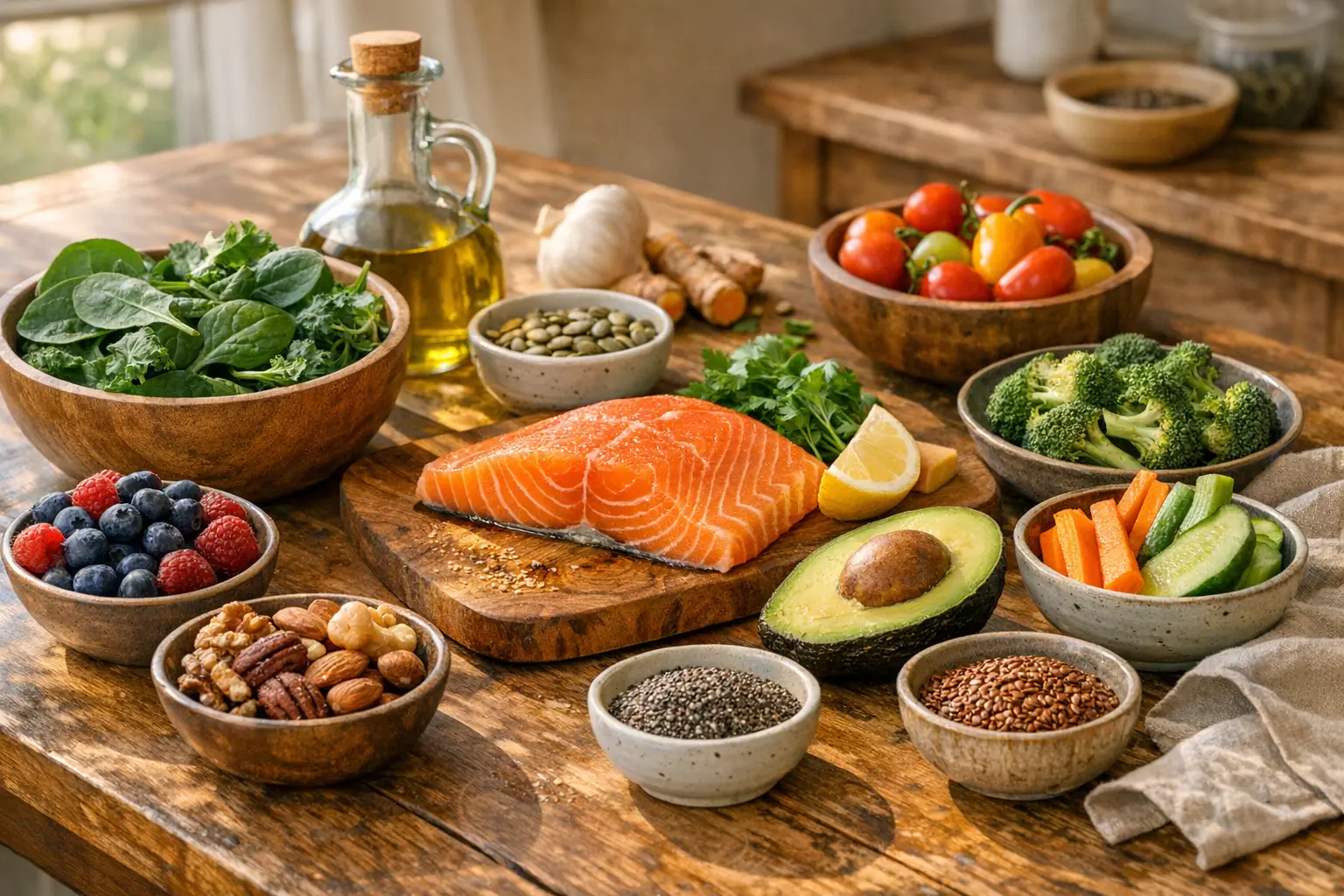
- eggs, Greek yogurt, cottage cheese, chicken, turkey, salmon, tuna, tofu, tempeh, lean beef, or beans
- vegetables like spinach, broccoli, cabbage, cauliflower, green beans, mushrooms, cucumbers, zucchini, tomatoes, and carrots
- fruit such as berries, apples, citrus, and cherries in sensible portions
- high-fiber carbohydrate sources like beans, lentils, oats, quinoa, potatoes, or wild rice used on purpose instead of by accident
- healthy fats from olive oil, avocado, nuts, seeds, olives, and tahini
- flavor builders like salsa, mustard, herbs, lemon, yogurt sauces, vinegar, and spice blends
If grocery shopping is where things fall apart, blood-sugar-friendly grocery list Duluth MN, anti-inflammatory grocery shopping Duluth MN, and low-carb grocery shopping Duluth MN can help.
Foods that tend to keep both inflammation and blood sugar stirred up
This is the part people usually know, but it still matters.
Meals and snacks built around refined flour, sugary drinks, pastries, candy, oversized pasta portions, and highly processed snack foods tend to create the most trouble. Not because you can never eat them, but because they are easy to overeat and usually do not keep you full for long.
A muffin and coffee can feel light in the morning and then turn into a crash by 10:30. Crackers and hummus can become lunch by accident and leave you hunting for sugar later. Granola bars and trail mix can look healthy while still being an easy way to stack calories and carbs without much staying power.
A better question is not, “What food is bad?”
It is, “What foods keep sending me into the same cycle?”
A simple meal-building formula
Before we get into the weekly plan, this is the structure that makes the biggest difference.
Start meals with:
- A protein anchor, usually 25 to 40 grams.
- A plant food with fiber.
- A carb portion that fits your tolerance and activity level.
- Enough fat to make the meal satisfying.
That is it.
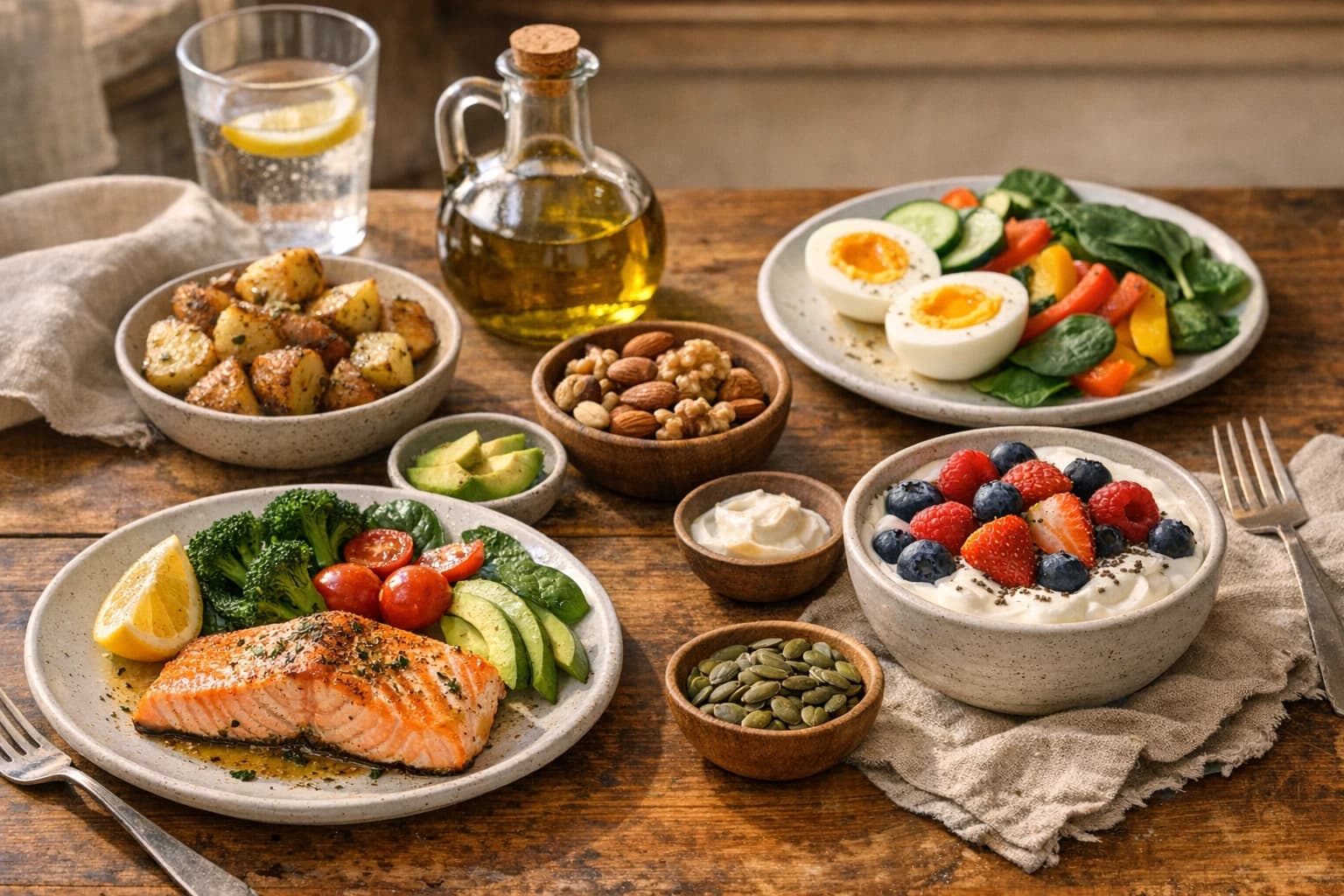
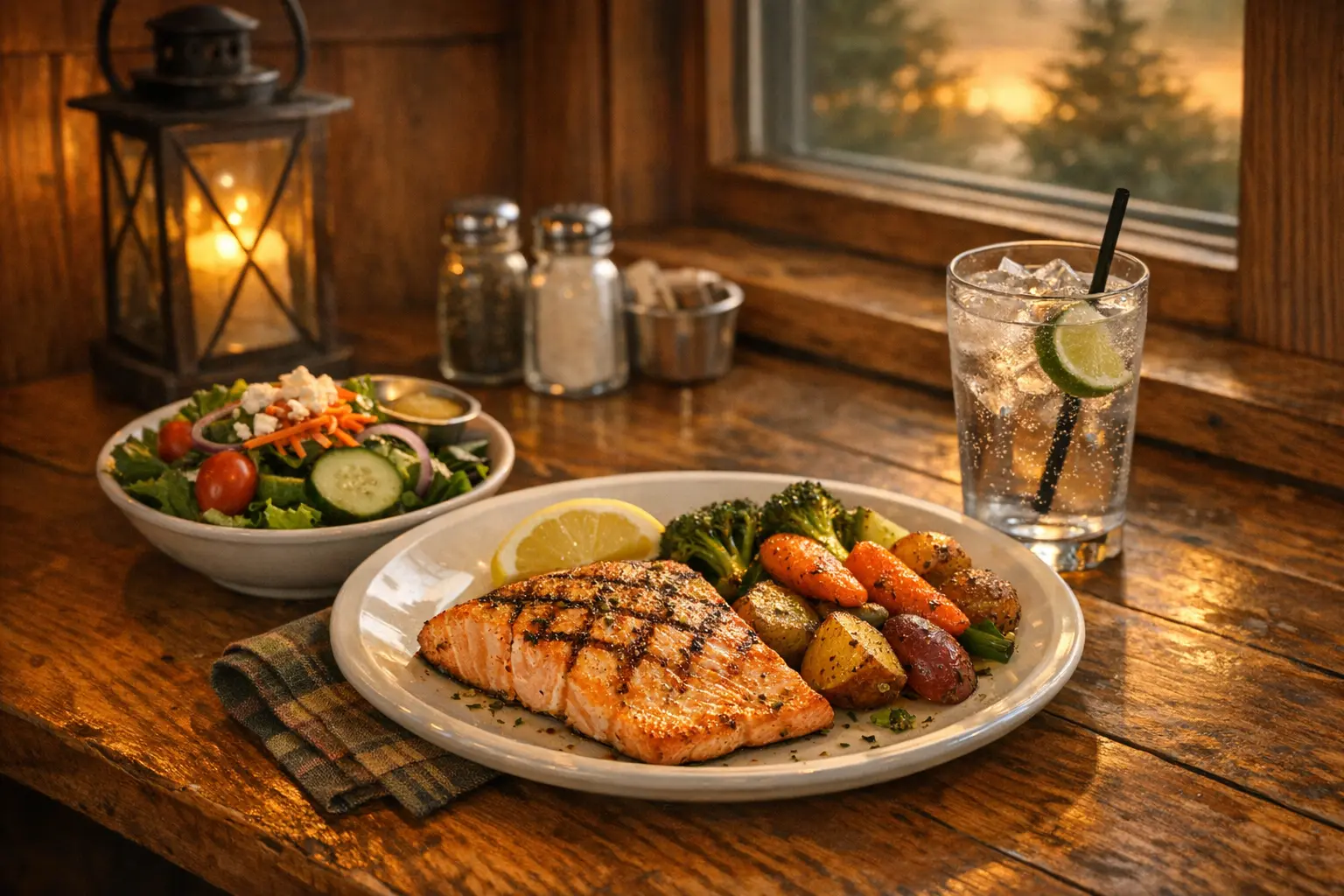
This is one reason a meal like salmon, roasted vegetables, and baby potatoes often goes better than toast, juice, and a granola bar, even if both seem reasonable at first glance.
A 7-day anti-inflammatory meal plan for insulin resistance
This is not the only way to eat. It is a realistic example you can adjust.
Day 1
Breakfast: Greek yogurt with chia seeds, walnuts, cinnamon, and blueberries.
Lunch: Big salad with chicken, cucumbers, peppers, pumpkin seeds, olive oil vinaigrette, and a small apple.
Dinner: Salmon, roasted broccoli, and a moderate serving of wild rice.
Snack if needed: Cottage cheese with raspberries.
Day 2
Breakfast: Eggs with sautéed spinach, mushrooms, and avocado.
Lunch: Leftover salmon bowl with greens, quinoa, cucumbers, and lemon tahini dressing.
Dinner: Turkey chili with beans, peppers, onions, and a side salad.
Snack if needed: Almonds and a cheese stick.
Day 3
Breakfast: Protein smoothie with unsweetened milk, protein powder, frozen berries, flax, and spinach.
Lunch: Tuna salad lettuce wraps with carrots and cherry tomatoes.
Dinner: Sheet pan chicken thighs, Brussels sprouts, and roasted sweet potato wedges.
Snack if needed: Hard-boiled eggs.
Day 4
Breakfast: Cottage cheese bowl with cherries, hemp seeds, and cinnamon.
Lunch: Lentil soup with a side salad and grilled chicken added if you need more protein.
Dinner: Taco bowl with seasoned beef, shredded lettuce, salsa, cauliflower rice mixed with a little regular rice, and guacamole.
Snack if needed: Sliced cucumber with hummus.
Day 5
Breakfast: Overnight oats made with chia seeds, Greek yogurt, and a smaller portion of berries.
Lunch: Turkey and avocado roll-ups with crunchy vegetables and a piece of fruit.
Dinner: Shrimp stir-fry with broccoli, snap peas, peppers, and a modest serving of rice.
Snack if needed: Plain Greek yogurt with cinnamon.
Day 6
Breakfast: Veggie omelet with feta and a side of berries.
Lunch: Chicken salad over mixed greens with walnuts, celery, and olive oil dressing.
Dinner: Burger patty, grilled zucchini, and roasted potatoes with a side salad.
Snack if needed: Apple with peanut butter.
Day 7
Breakfast: Smoked salmon, eggs, and sliced tomatoes.
Lunch: Leftover burger bowl with greens, pickled onions, cucumbers, and avocado.
Dinner: Slow cooker beef stew with carrots, onions, mushrooms, and green beans.
Snack if needed: Edamame or roasted chickpeas.
How to make this work when life gets busy
This is where many meal plans die.
People do fine on Monday, start improvising on Wednesday, then end up ordering takeout because nothing is thawed and everyone is tired.
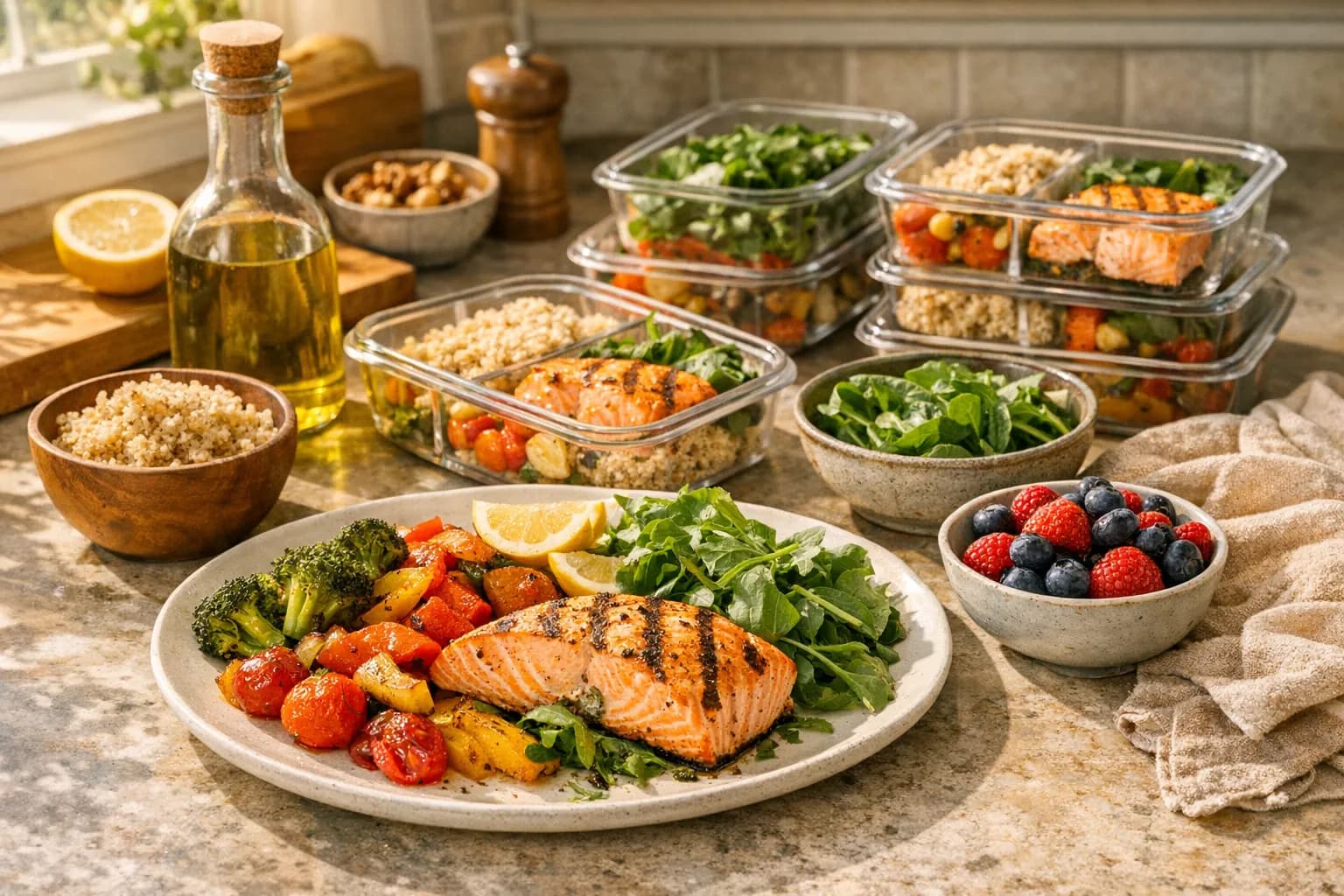
You do not need a giant meal-prep Sunday to fix that. Usually you need a few small anchors:
- one or two prepared proteins
- washed produce that is easy to grab
- one starch cooked ahead
- two fast backup meals for chaotic nights
That might look like cooked chicken, hard-boiled eggs, a container of rice, chopped vegetables, salad mix, Greek yogurt, frozen salmon, and taco meat in the freezer.
For busy routines, anti-inflammatory meal prep for busy adults, meal prep for blood sugar control, and high-protein meal prep over 40 are good next reads.
What about low-carb, fasting, or CGMs?
They can all be useful, but context matters.
Some people with insulin resistance do feel better with lower-carb meals. Others do well with moderate carbs when those carbs are paired with enough protein, fiber, and movement. Some people benefit from structured fasting. Others do worse if fasting leads to overeating later.
That is why real data can help.
With CGM monitoring, you can see which breakfasts leave you steady, which dinners keep you elevated all evening, and whether your so-called healthy snacks are actually working for you. With nutrition coaching, you can turn that information into a plan that still fits your work schedule, family life, and goals.
Signs your meal plan may need adjustment
Even a healthy-looking plan may need work if you are still dealing with:
- big energy crashes after meals
- intense late-night cravings
- constant hunger between meals
- bloating after most meals
- fasting glucose or A1c trending up
- feeling overly restricted and then rebounding on weekends
If that sounds familiar, the answer may not be more discipline. It may be a plan with more protein, better meal timing, improved food quality, or a carb amount that fits your body better.
FAQ
Is an anti-inflammatory meal plan the same as a low-carb diet?
No. There is overlap, but they are not identical. Anti-inflammatory eating focuses on food quality, fiber, fats, and overall meal structure. A low-carb approach focuses more on carbohydrate amount. Some people combine both, but you do not need to go very low carb for a meal plan to help.
Can I still eat fruit if I have insulin resistance?
Usually, yes. Whole fruit often works well, especially berries, apples, citrus, and cherries. Portion and context matter. Fruit paired with protein tends to go better than fruit juice or dried fruit by itself.
Do I have to give up dairy or gluten?
Not automatically. Some people tolerate them fine. Others notice digestive symptoms or cravings improve when they reduce certain foods. It is better to look for your actual patterns than to cut everything out at once.
What if I eat healthy but my blood sugar is still high?
Healthy and blood sugar-friendly are not always the same thing. Smoothies, oatmeal, granola, dried fruit, and snack bars can all look healthy while still pushing glucose higher than expected. That is one reason cgm monitoring can be useful.
How long does it take to notice a difference?
Many people notice steadier energy and fewer cravings within a couple of weeks when meals become more consistent. Lab changes and body composition changes often take longer, but the day-to-day improvement usually shows up first.
The goal is a calmer routine, not a perfect diet
A good anti-inflammatory meal plan for insulin resistance should make your life feel less chaotic, not more. It should help you feel fuller, steadier, and more in control around food. It should also be flexible enough to survive real life in Duluth, including busy workdays, family dinners, weekends, and the occasional meal that is just a meal.
If you are frustrated by rising blood sugar, stubborn weight changes, or meals that never seem to work for your body, Duluth Metabolic can help you build a plan that fits real life. You can reach out through /contact to learn more.