If you are searching for anti-inflammatory foods for insulin resistance, you are probably not looking for another vague healthy eating lecture. You want to know what actually helps. Which foods keep you fuller, help your blood sugar stay steadier, and do not leave you feeling like your whole life now revolves around eating perfectly.
That is a fair question.
Insulin resistance and inflammation tend to feed each other. When blood sugar is running high more often, inflammation usually rises with it. When inflammation is higher, your cells often respond less efficiently to insulin. That does not mean every symptom comes down to food. It does mean food can either calm things down or keep adding friction to a body that already feels stressed.
The good news is that anti-inflammatory eating for insulin resistance does not need to be extreme. It usually works best when it feels practical. More protein. More fiber. Better fats. Fewer blood sugar spikes. Fewer ultra-processed foods that leave you hungry again fast. If you want a broader foundation first, it helps to read meal plan for insulin resistance, prediabetes diet plan, anti-inflammatory meal plan for beginners, and reverse insulin resistance naturally.
Why anti-inflammatory foods for insulin resistance matter
Insulin resistance is not only about sugar.
It is also about how the whole system is functioning. Sleep matters. Stress matters. Muscle mass matters. Activity matters. So does the daily pattern of what you eat. Meals that repeatedly spike blood sugar, under-feed protein, or lean heavily on ultra-processed convenience foods tend to keep the body in a more irritated state.
Anti-inflammatory foods help because they usually do a few useful things at once. They slow digestion down. They support the gut. They bring in nutrients that help with insulin sensitivity. They reduce the need for constant snacking. They make your meals feel steadier instead of chaotic.
That matters whether you have diabetes, are working on weight management, or are trying to get ahead of blood sugar trouble before it becomes something bigger.
What the ranking articles usually do, and what they miss
A lot of high-ranking content on this topic follows one of two patterns.
One pattern is the big meal plan format. EatingWell and similar sites do this well. They offer sample days, recipes, and food lists built around greens, berries, fish, legumes, and fiber. Another pattern is the general anti-inflammatory explainer, like Veri, where the article connects inflammation to insulin resistance and gives broader food categories.
Those are useful starting points, but they often miss real-life friction.
They do not spend much time on what to do when you are busy, when you live in a cold-weather city where comfort food is always nearby, when you are eating out, or when you are trying to support blood sugar without building your entire life around food prep. They also tend to stay generic instead of explaining which anti-inflammatory foods matter most in practice.
That is where a more grounded article can win. People do not just want a list. They want a realistic way to use the list.
The best anti-inflammatory foods for insulin resistance start with protein
If there is one place to begin, begin here.
Protein helps steady appetite, slow down meals, and reduce the chance that breakfast or lunch turns into a crash-and-crave cycle later. It also matters for preserving muscle, which plays a big role in insulin sensitivity.
Useful protein choices include:
- eggs
- Greek yogurt or cottage cheese
- chicken and turkey
- salmon, sardines, tuna, and other fish
- lean beef in sensible portions
- tofu or tempeh if they work for you
- beans or lentils paired with other foods that improve staying power
Protein alone is not the whole answer, but most people with insulin resistance feel better when meals become more protein-forward. That is especially true at breakfast. Articles like blood sugar-friendly breakfast ideas, best protein snacks for blood sugar control, and high-protein meal prep over 40 can help you put that into practice.
Non-starchy vegetables do more work than people think
Vegetables are easy to talk about in a boring way, but they matter for real reasons.
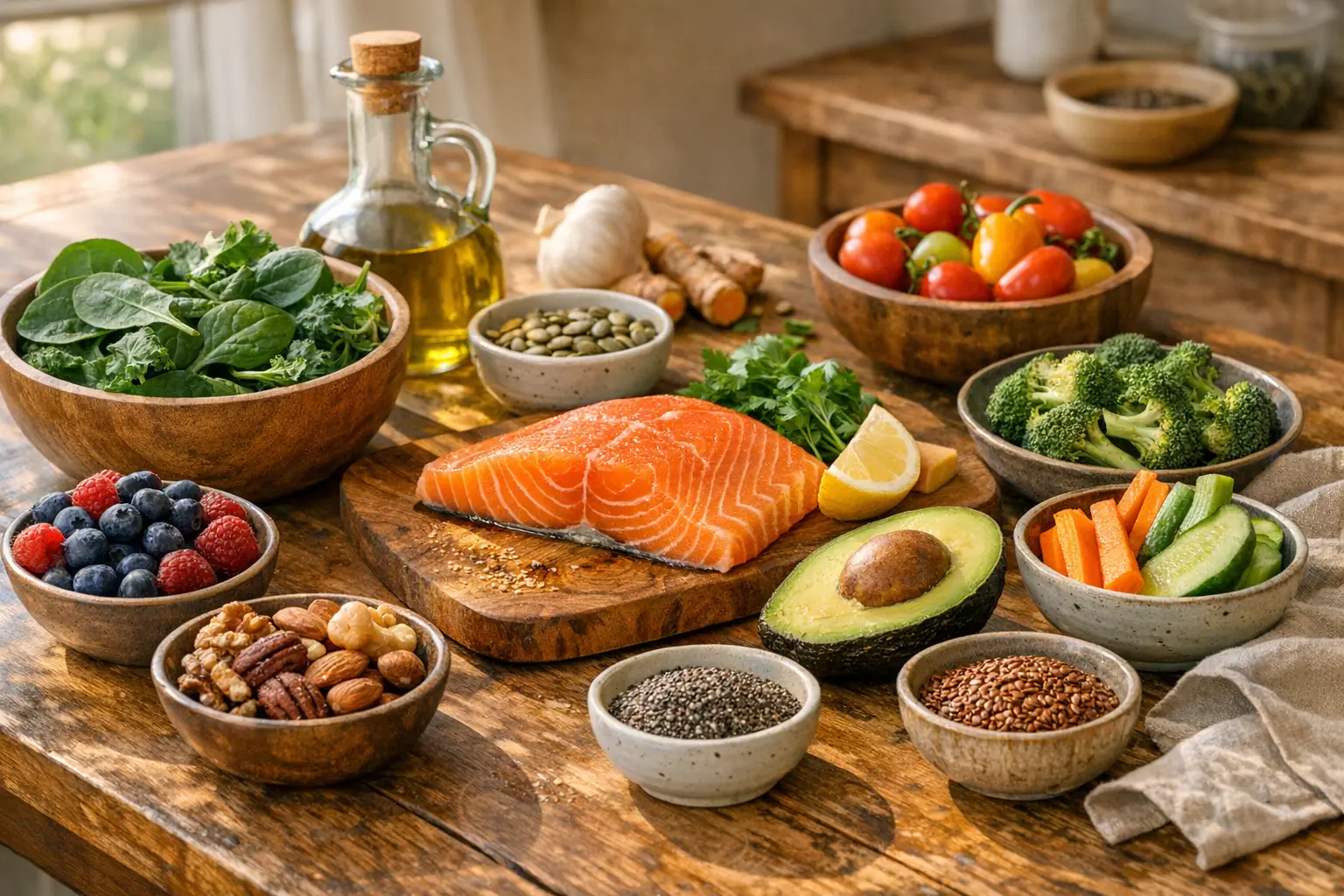
Leafy greens, broccoli, cauliflower, Brussels sprouts, peppers, cucumbers, zucchini, mushrooms, cabbage, and similar vegetables add fiber, nutrients, bulk, and anti-inflammatory compounds without driving major blood sugar swings. They help meals feel more balanced and often make it easier to eat a moderate amount of carbs instead of overshooting because the plate feels empty.
You do not need a giant raw salad every day. Roasted vegetables, soups, stir-fries, skillet meals, omelets, and grain bowls with plenty of produce all count.
Fatty fish and healthy fats are worth prioritizing
Many top articles mention omega-3s, and for good reason.
Fatty fish like salmon, sardines, trout, and mackerel can help support a less inflammatory environment while also giving you satisfying protein. Extra-virgin olive oil, avocado, walnuts, chia seeds, flax, and some nuts and seeds can also help round out meals in a useful way.
This does not mean dumping fat onto everything. It means choosing better fats more often instead of relying on fried food, highly processed snacks, or meals built around low-quality oils.
If you are in Duluth, this can be especially helpful in winter when comfort food tends to drift heavier and more processed without people noticing.
Berries, legumes, and higher-fiber carbs can fit surprisingly well
People with insulin resistance often assume the answer is to fear every carbohydrate.
That usually backfires.
A better question is which carbs come packaged with fiber, nutrients, and a slower blood sugar response. Berries are one of the best examples. Beans and lentils can also work well for many people, especially when paired with protein and vegetables. Intact grains or moderate portions of higher-fiber starches may fit too, depending on the person.
This is one reason CGM data can be so useful. Two people can respond differently to the same food. CGM monitoring lets you stop guessing and start seeing your own pattern.
Anti-inflammatory foods for insulin resistance that also support gut health
Gut health and blood sugar influence each other more than people realize.
Fermented foods like plain yogurt, kefir, sauerkraut, kimchi, or other cultured foods can be helpful for some people. So can fiber-rich vegetables, berries, beans, seeds, and foods that support a healthier microbiome overall.
That matters because gut imbalance can make inflammation louder, digestion rougher, and food decisions more confusing. If that is part of your picture, it may help to read gut health foods in Duluth MN, fermented foods for gut health in Duluth MN, gut health habits for busy adults, and gut health sugar cravings.
Spices, herbs, and simple swaps can change a lot
This is where anti-inflammatory eating gets easier than people expect.
You do not need a full pantry makeover overnight. Using olive oil instead of a more processed oil, adding cinnamon to breakfast, using herbs more freely, cooking with garlic and ginger, or building meals around salmon instead of breaded frozen food can all move things in a better direction.
Small changes matter because they tend to stick.
A lot of people do better with a pattern like this:
- protein at every meal
- vegetables at lunch and dinner
- fruit that feels easier on blood sugar, like berries
- fewer sugary drinks and fewer dessert-like breakfasts
- snacks built around protein or fiber instead of crackers alone
That is not glamorous, but it works better than chasing random “superfoods.”
Foods that often keep inflammation and insulin resistance louder
This is usually less about one forbidden item and more about the overall pattern.
Many people struggle most with meals built around refined flour, sugary drinks, pastries, chips, frequent fast food, sweet coffee drinks, and snacks that are easy to overeat but hard to feel satisfied by. These foods tend to move through fast, spike blood sugar easily, and leave you hungry again before long.
That does not mean you can never have them. It means your baseline matters more than the occasional treat.
If most of your day is built around foods that support steadier blood sugar, your body usually handles life better.
A realistic day of anti-inflammatory foods for insulin resistance
Real life helps more than theory here.
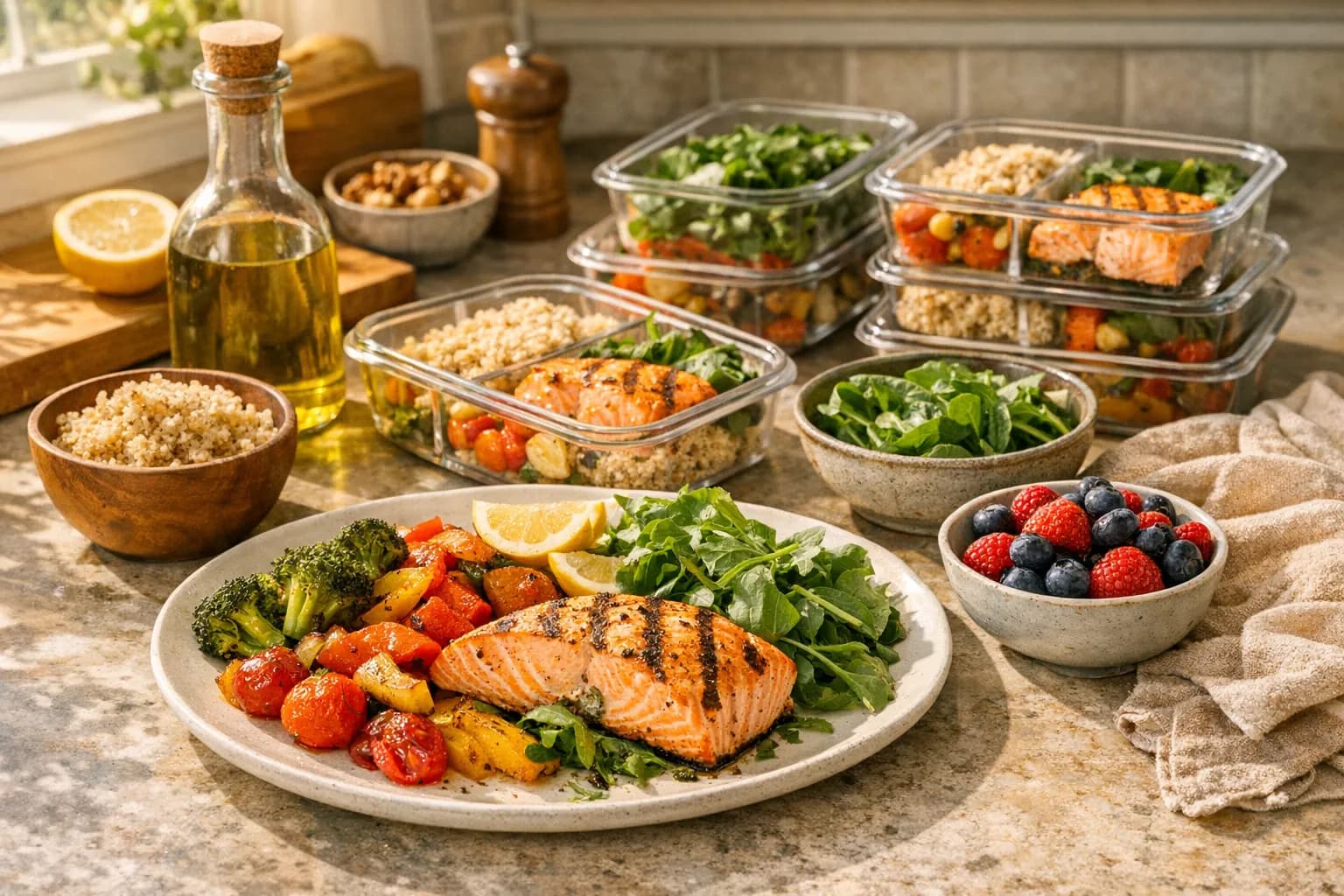
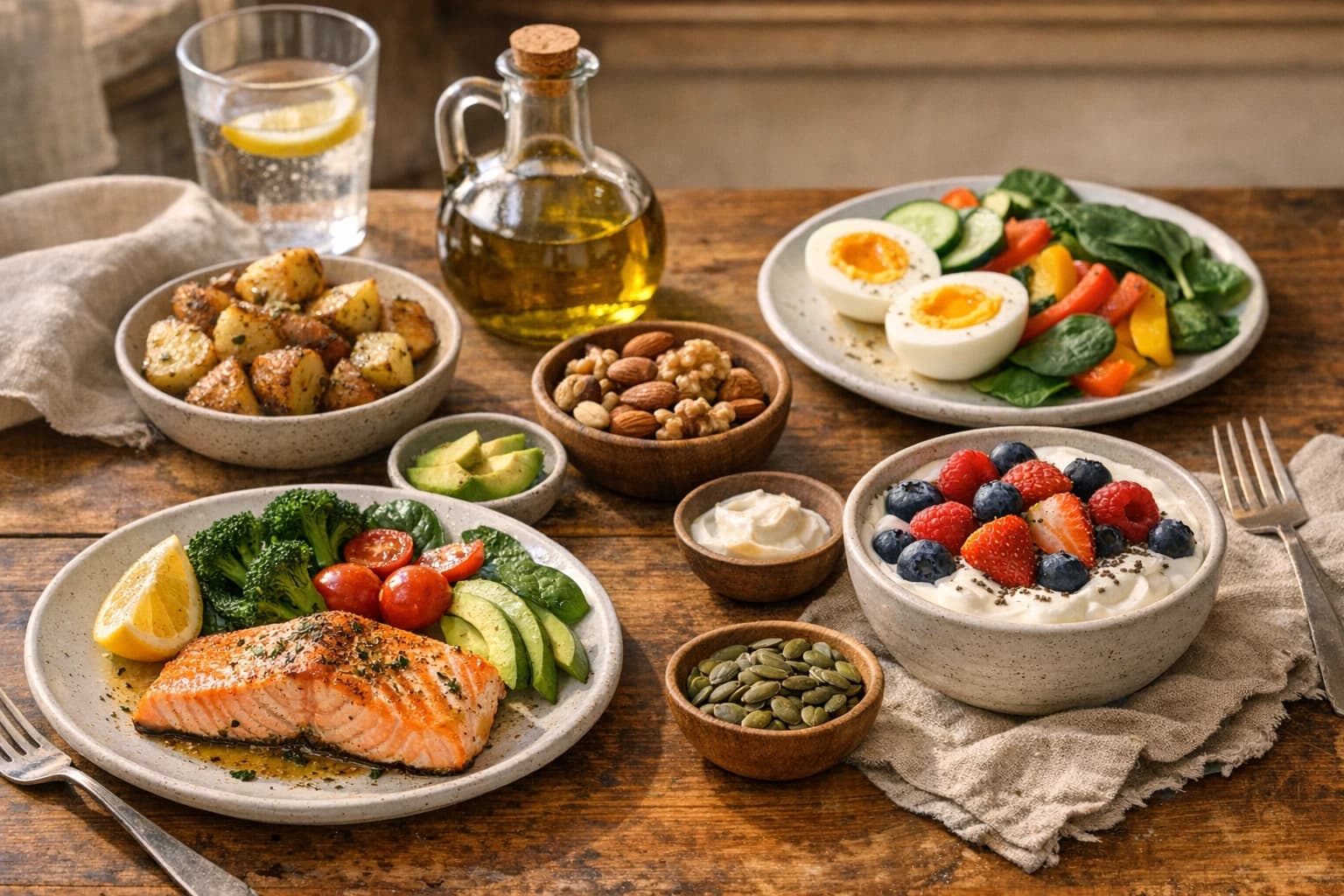
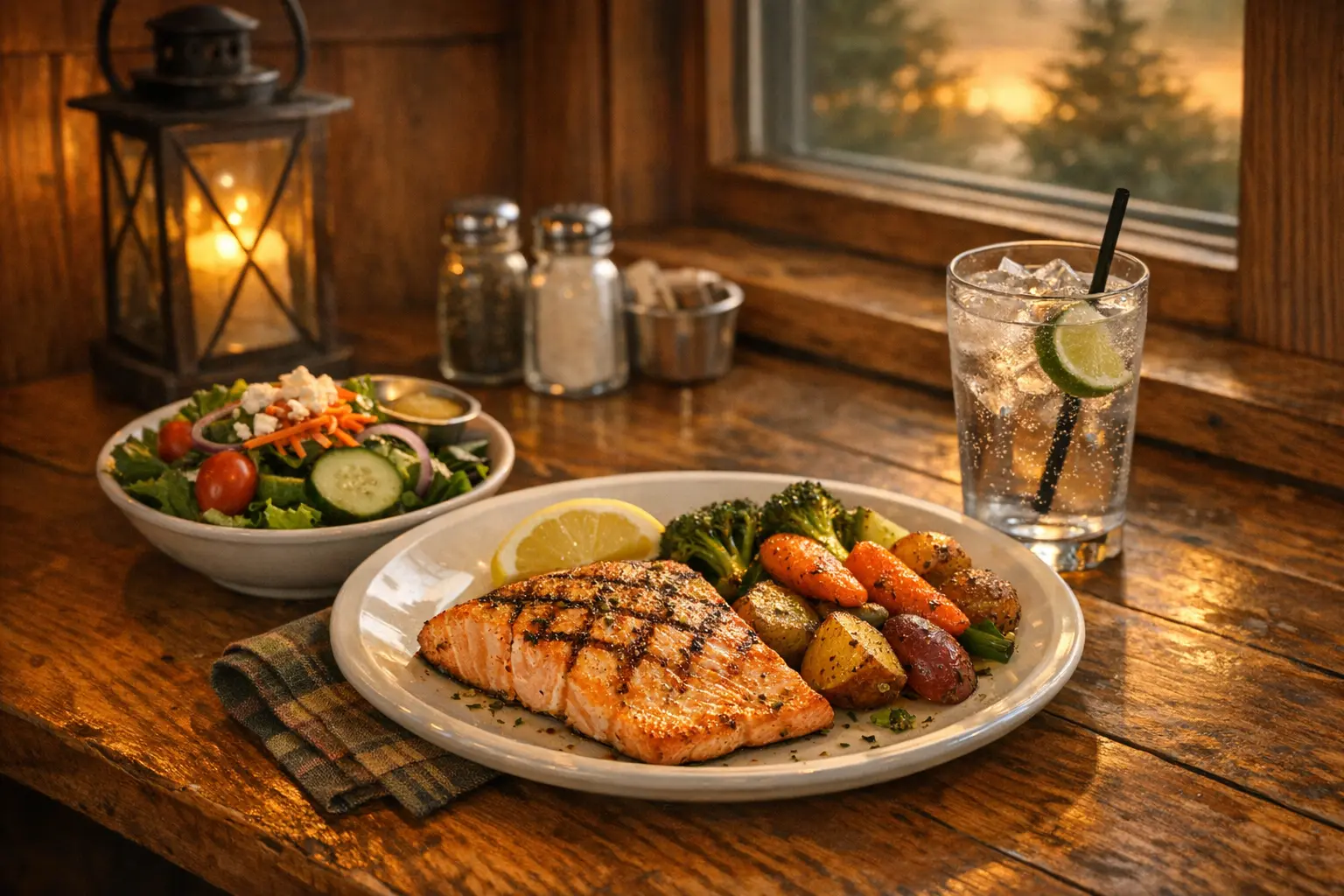
Breakfast might be eggs with vegetables and berries, or Greek yogurt with chia seeds, walnuts, and fruit. Lunch might be a salad with chicken, olive oil, and a modest serving of beans or roasted potatoes. Dinner might be salmon, broccoli, and quinoa, or a taco bowl with seasoned meat, greens, vegetables, avocado, and salsa.
Snacks might be cottage cheese, nuts, apple slices with peanut butter, or leftovers with actual protein.
Notice what is not required. No detox drink. No expensive supplement stack. No starvation. No need to eat tiny portions and hope willpower carries the rest.
Anti-inflammatory foods for insulin resistance in Duluth, in actual daily life
This is where many nutrition articles get too abstract.
In Duluth, winter can push people toward convenience food, heavier takeout, and less movement. Summer can turn into patio food, road trips, hiking snacks, and irregular meal timing. The answer is not to eat like a robot in either season. It is to keep coming back to a few anchors.
Protein first. Produce often. Smarter carbs. Fewer liquid calories. Better snacks in the car or at work. Meals that leave you feeling more level afterward.
That is how anti-inflammatory eating becomes sustainable instead of becoming one more short-lived plan.
FAQ about anti-inflammatory foods for insulin resistance
What are the best anti-inflammatory foods for insulin resistance?
The most useful foods are usually protein-rich foods, non-starchy vegetables, berries, fatty fish, olive oil, beans, lentils, nuts, seeds, and other whole foods that help support steadier blood sugar and lower inflammatory load.
Do I need to cut all carbs if I have insulin resistance?
No. Many people do better with more intentional carbs, not zero carbs. Higher-fiber carbs and smaller portions paired with protein often work much better than all-or-nothing restriction.
Is fruit okay with insulin resistance?
Usually yes. Berries are a great place to start because they bring fiber and antioxidants while tending to be easier on blood sugar than more sugary options.
Can anti-inflammatory eating help with weight loss too?
Often, yes. Meals that are higher in protein, fiber, and whole foods tend to improve fullness and reduce the crash-and-crave pattern that makes weight management harder.
What if I am doing all of this and still feel stuck?
That is when better data can help. Biomarker testing, cgm monitoring, and personalized nutrition coaching can help you figure out what your body is actually responding to.
If insulin resistance has you feeling frustrated, inflamed, and tired of guessing what to eat, you do not have to sort it out alone. Duluth Metabolic can help you build a food plan that supports steadier blood sugar and fits the life you really live. Learn more at /philosophy, explore nutrition coaching, or reach out through /contact when you are ready.