If you are looking for a low-carb meal plan for insulin resistance, you probably do not want another food list that sounds good on paper and falls apart by Wednesday.
You want meals that keep you full, help with cravings, do not send blood sugar on a roller coaster, and still work when life is busy.
That is the part a lot of meal plans miss.
At Duluth Metabolic, we usually see people do better when they stop chasing perfect macros and start building repeatable meals around protein, fiber, and carbohydrates they tolerate well. Lower carb can help with insulin resistance, but “low-carb” should not mean under-eating, living on snack bars, or fearing every blueberry.
If you want more background first, it helps to read meal plan for insulin resistance, prediabetes diet plan, best fruits for blood sugar control, and meal timing for blood sugar control.
What low-carb really means for insulin resistance
People use the phrase low-carb in wildly different ways.
For some, it means cutting soda, dessert, and random snack foods. For others, it means ketogenic levels of carbohydrate restriction. Most people with insulin resistance do not need to live at the extreme end to get useful results.
A practical low-carb meal plan for insulin resistance usually means:
- building meals around protein first
- choosing higher-fiber carbs more intentionally
- reducing refined starches and sugar-heavy foods
- avoiding naked carbs that spike and crash blood sugar
- staying consistent long enough to see patterns
That last part matters. A decent plan you can follow for months beats an aggressive one you quit in six days.
Why lower-carb eating can help insulin resistance
Insulin resistance means your body is having a harder time responding well to insulin. The pancreas often compensates by making more. Over time, that can lead to higher fasting insulin, more fat storage, stronger cravings, and blood sugar that stays elevated longer after meals.
Lower-carb eating can help because it often reduces the size and frequency of big glucose spikes. It also tends to work better when it includes enough protein and enough fiber to keep meals satisfying.
That does not mean carbs are bad.
It means carb quality, quantity, and context matter.
A bowl of sugary cereal by itself is different from salmon, roasted vegetables, and a moderate serving of potatoes. A bakery muffin on the run is different from eggs, berries, and Greek yogurt. The blood sugar experience is not the same.
What to eat on a low-carb meal plan for insulin resistance
The goal is not to eat tiny portions. The goal is to make meals more metabolically calm.
A useful grocery pattern includes:
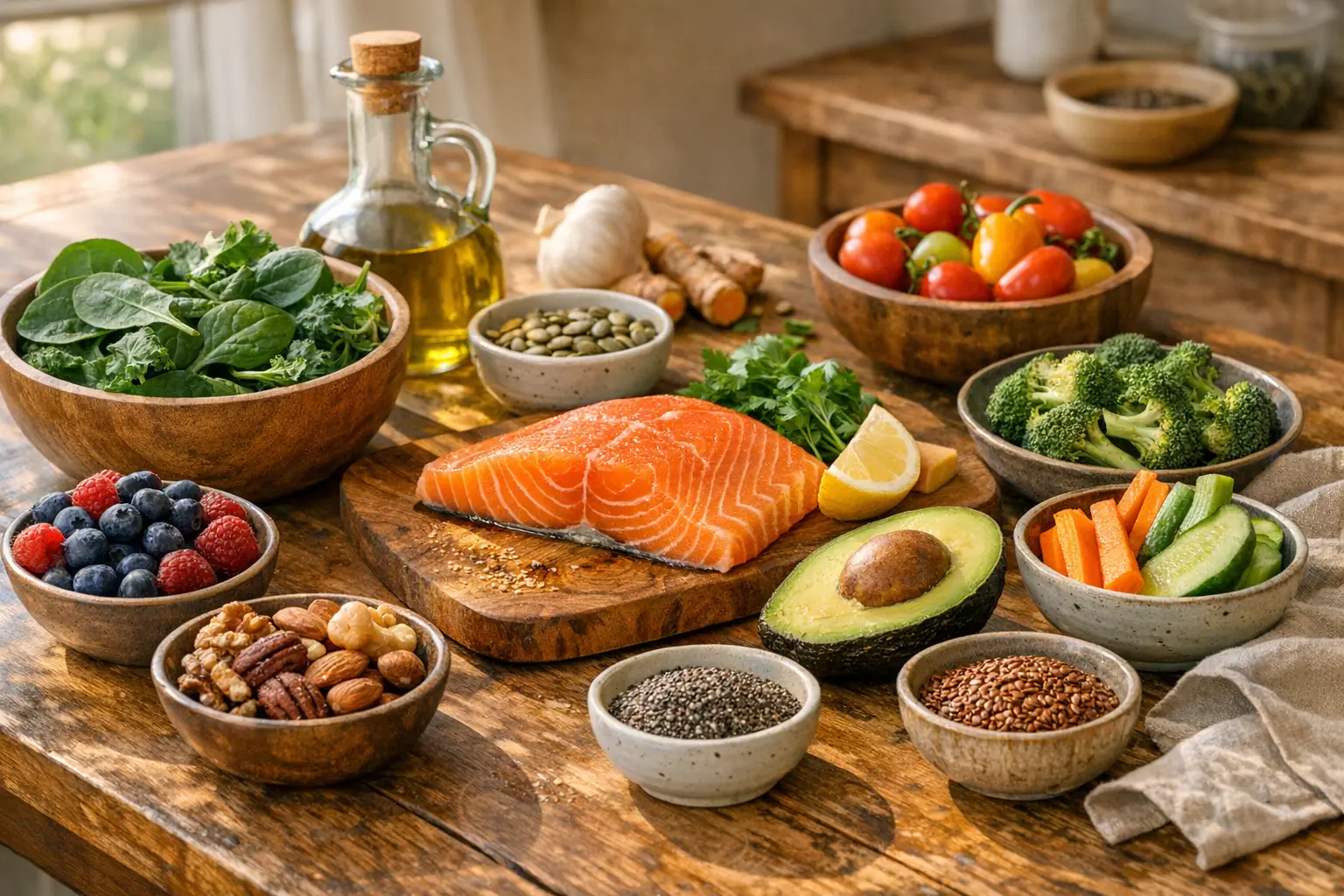
- eggs, Greek yogurt, cottage cheese, tofu, chicken, turkey, tuna, salmon, shrimp, lean beef, or tempeh
- non-starchy vegetables like greens, broccoli, cauliflower, peppers, mushrooms, cucumbers, zucchini, asparagus, and cabbage
- higher-fiber carb sources like berries, beans, lentils, oats, quinoa, potatoes, or sweet potatoes in measured portions
- healthy fats from olive oil, avocado, nuts, seeds, olives, and nut butter
- flavor builders like salsa, mustard, herbs, tahini, pesto, lemon, and full-fat dressings you actually enjoy
If you want more help choosing staples, see low-carb grocery shopping in Duluth, MN, blood-sugar-friendly grocery list in Duluth, MN, and high-protein meal prep over 40.
What to avoid without becoming obsessive
A lot of people improve insulin resistance just by cutting back on the foods that create the biggest, least satisfying spikes.
Common troublemakers include:
- sugary drinks
- coffee drinks loaded with syrup
- pastries and bagels as a standalone breakfast
- chips, crackers, and snack mixes that turn into accidental meals
- giant pasta portions with not much protein
- desserts or late-night grazing after an already carb-heavy day
You do not need to ban every one of these forever. It is more about not building your routine around them.
A simple formula for every meal
Most people get better results when they stop guessing and use the same basic structure.
Try this:
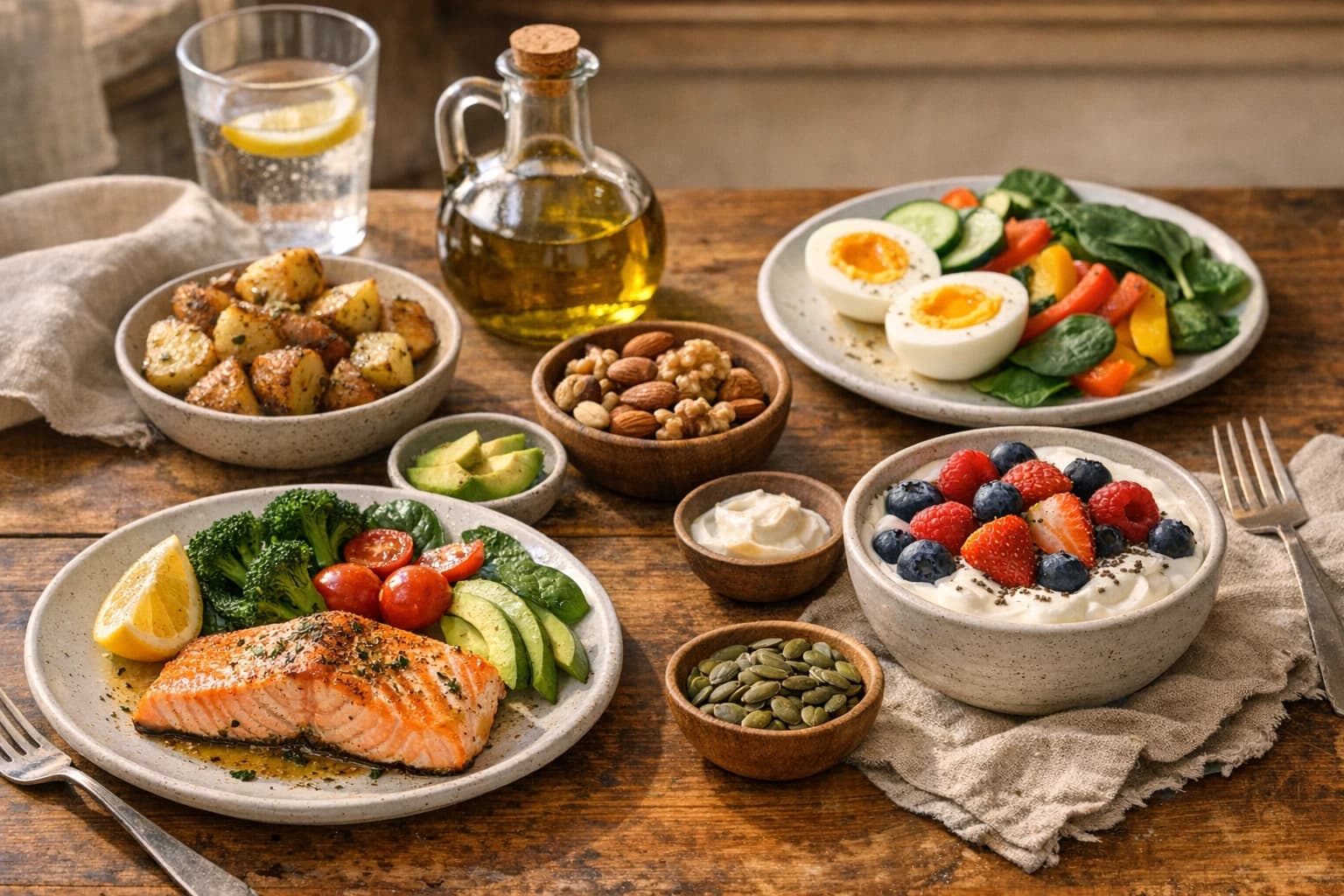
- Start with 25 to 40 grams of protein.
- Add at least one high-volume vegetable or fruit with fiber.
- Add a moderate carb portion if it helps you feel and perform better.
- Add fat for satisfaction, not as the only source of fullness.
That formula works for breakfast, lunch, dinner, and a lot of snacks.
It also helps explain why some “healthy” meals still backfire. Oatmeal with honey and banana but no protein may spike you. A smoothie with mostly fruit can act more like juice than breakfast. A salad with barely any protein may leave you raiding the pantry at 3 p.m.
A 7-day low-carb meal plan for insulin resistance
This is not the only right way to eat. It is a realistic example you can adjust.
Day 1
Breakfast
Greek yogurt with chia seeds, walnuts, cinnamon, and berries.
Lunch
Big salad with chicken, cucumber, peppers, olive oil vinaigrette, feta, and a small side of fruit.
Dinner
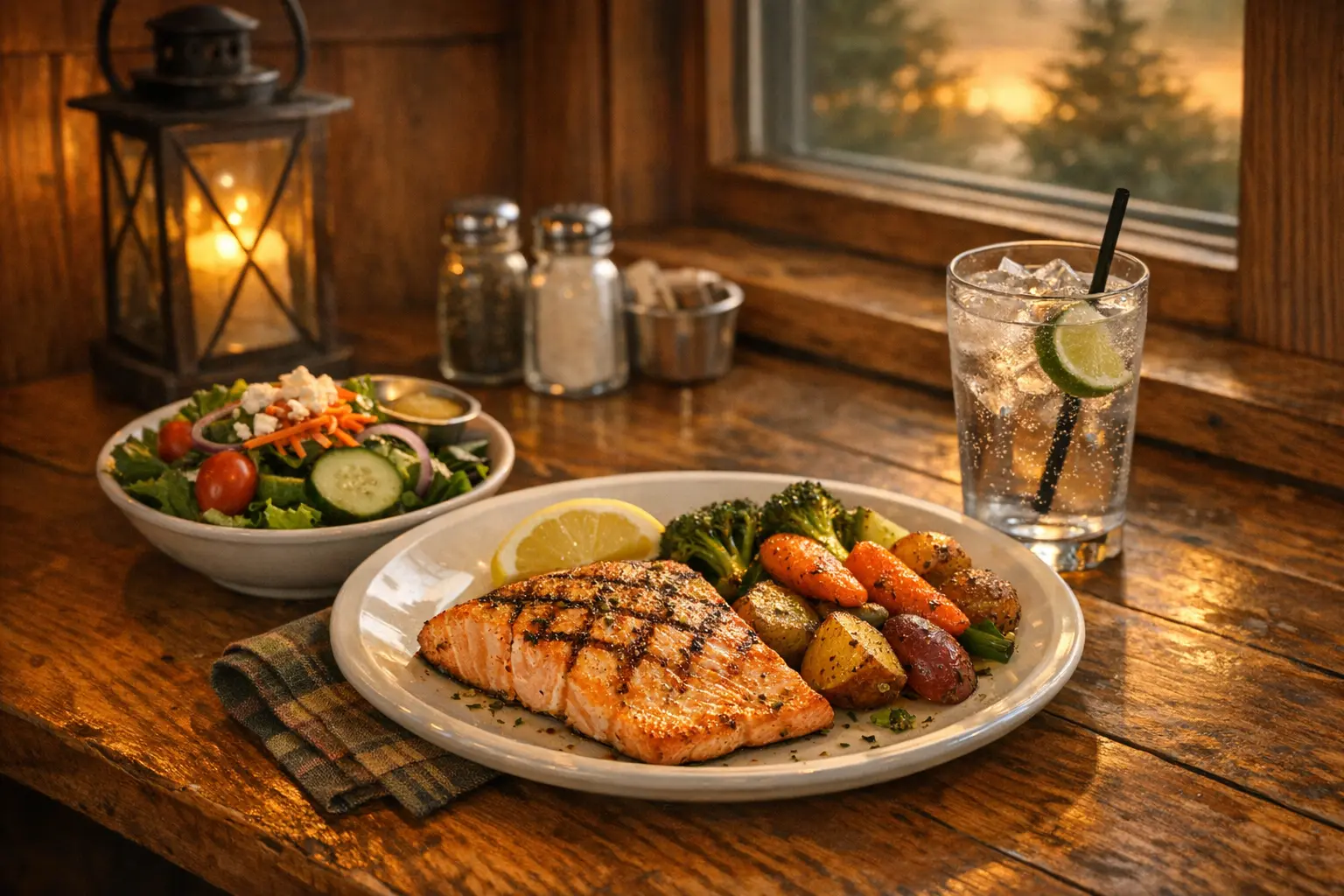
Salmon, roasted broccoli, and a moderate serving of baby potatoes.
Snack if needed
Cottage cheese or a cheese stick with almonds.
Day 2
Breakfast
Egg scramble with spinach, mushrooms, sausage, and avocado.
Lunch
Turkey lettuce wraps with hummus, crunchy vegetables, and a side of berries.
Dinner
Taco bowl with seasoned ground beef, cauliflower rice mixed with regular rice, salsa, shredded lettuce, and guacamole.
Snack if needed
Apple slices with peanut butter.
Day 3
Breakfast
Protein smoothie with unsweetened milk, protein powder, frozen berries, flax, spinach, and nut butter.
Lunch
Leftover taco bowl or grilled chicken bowl with greens, black beans, pico, and avocado.
Dinner
Sheet pan chicken thighs with Brussels sprouts and roasted squash.
Snack if needed
Hard-boiled eggs.
Day 4
Breakfast
Cottage cheese bowl with cinnamon, chopped pecans, and raspberries.
Lunch
Tuna salad over greens with tomatoes, cucumbers, olives, and olive oil.
Dinner
Burger patty with sautéed onions, green beans, and roasted sweet potato wedges.
Snack if needed
Greek yogurt or jerky with fruit.
Day 5
Breakfast
Two eggs, turkey bacon, and a side of berries.
Lunch
Leftover burger bowl with greens, pickles, avocado, and a simple dressing.
Dinner
Shrimp stir-fry with mixed vegetables and a small scoop of rice.
Snack if needed
Veggies and guacamole.
Day 6
Breakfast
Overnight chia yogurt bowl with protein powder stirred in and blueberries on top.
Lunch
Low-carb wrap with deli turkey, cheese, greens, mustard, and a side salad.
Dinner
Steak, grilled zucchini, and a tomato-cucumber salad with olive oil.
Snack if needed
Roasted edamame or cottage cheese.
Day 7
Breakfast
Veggie omelet with cheese and salsa.
Lunch
Chicken salad with mixed greens, walnuts, strawberries, goat cheese, and grilled chicken.
Dinner
Turkey meatballs over zucchini noodles or spaghetti squash with marinara and parmesan.
Snack if needed
Protein shake after a workout or a handful of pistachios.
How much carbohydrate should you actually eat?
This is where people get stuck.
Some do well with a fairly low intake. Some feel better with a moderate amount spread through the day. If you are active, strength training, walking a lot, or trying to maintain muscle, going too low can backfire. You may feel flat, crave sugar at night, or lose consistency.
That is why the right low-carb meal plan for insulin resistance is often personalized.
A few things that affect carb tolerance:
- muscle mass
- activity level
- sleep quality
- stress load
- menopause or other hormone shifts
- meal timing
- how processed the carb source is
- what you eat with it
This is one reason CGM monitoring can be so useful. It lets you see how your body responds to meals instead of arguing with the internet.
Breakfast matters more than people think
A lot of people start the day with something that looks small and convenient but leaves them starving.
If you are insulin resistant, breakfast is often easier when it is built around protein first.
Good options include:
- eggs and fruit
- Greek yogurt with chia and berries
- cottage cheese bowl with nuts
- protein smoothie with fiber and fat
- leftovers if you do not care about breakfast foods
If you need ideas, read blood-sugar-friendly breakfast ideas, high-protein breakfast for blood sugar control, and low-carb breakfast on the go.
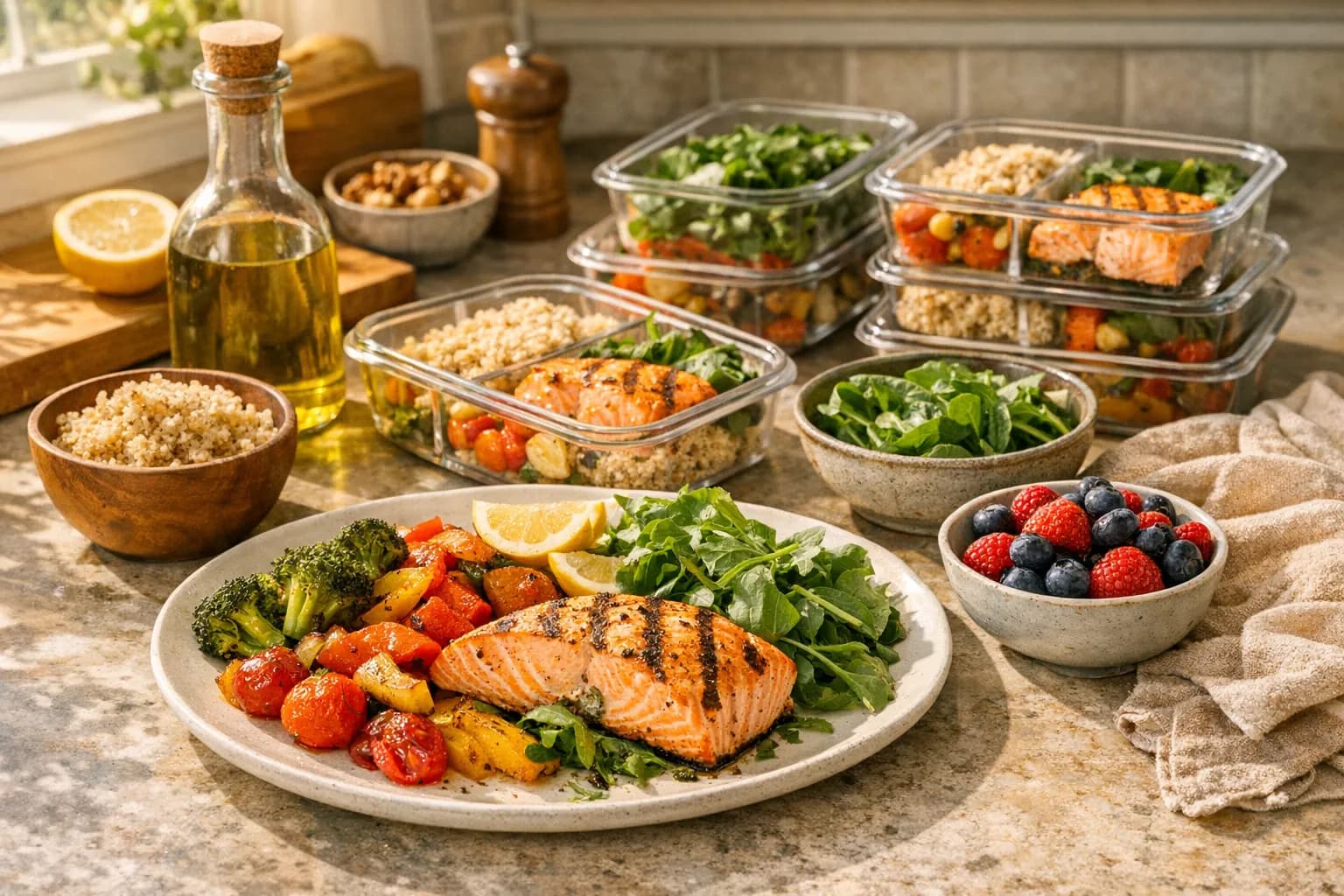
Meal prep makes this easier
You do not need a Sunday meal-prep marathon. You do need a little friction reduction.
A few habits help a lot:
- cook protein in bulk two times per week
- wash and chop vegetables ahead of time
- keep easy staples around like Greek yogurt, eggs, frozen vegetables, canned tuna, and rotisserie chicken
- repeat lunches instead of reinventing them daily
- make dinner portions large enough for leftovers
That is the kind of boring consistency that beats a fancy plan.
For practical help, see low-carb meal prep for busy adults, anti-inflammatory meal prep for busy adults, and nutrition coaching.
Common mistakes on a low-carb meal plan for insulin resistance
A lower-carb plan can go sideways if it becomes too restrictive or too random.
Watch for these problems:
- eating too little protein
- relying on packaged “keto” foods all day
- cutting carbs hard all morning, then overeating them at night
- skipping meals and ending up ravenous later
- replacing balanced meals with coffee
- forgetting fiber and vegetables
If you feel worse, more obsessive, more tired, or more likely to binge, the plan needs work.
FAQ about a low-carb meal plan for insulin resistance
Is low-carb the best diet for insulin resistance?
It can help a lot, but there is not one perfect diet for everyone. Lower-carb eating tends to work well when it improves blood sugar, hunger, and consistency without making your life harder to sustain.
Do I have to give up fruit?
No. Many people with insulin resistance do well with berries, apples, citrus, and other fiber-rich fruit, especially when paired with protein or fat.
Can I still eat potatoes, oats, or beans?
Often yes. Portion, pairing, and your individual response matter more than treating every carb source the same.
What if I am hungry all the time on low-carb?
That usually means the plan is missing enough total food, enough protein, enough fiber, or enough structure. Hunger does not always mean you need more carbs. Sometimes it means the meal was too small or not balanced.
Should I use a CGM?
A CGM can be very helpful if you want to see how meals, sleep, stress, and exercise affect your blood sugar in real time.
If insulin resistance is making food feel confusing, you do not need to keep guessing on your own. Contact Duluth Metabolic if you want help building a meal plan that supports steadier blood sugar, better energy, and a more realistic routine.