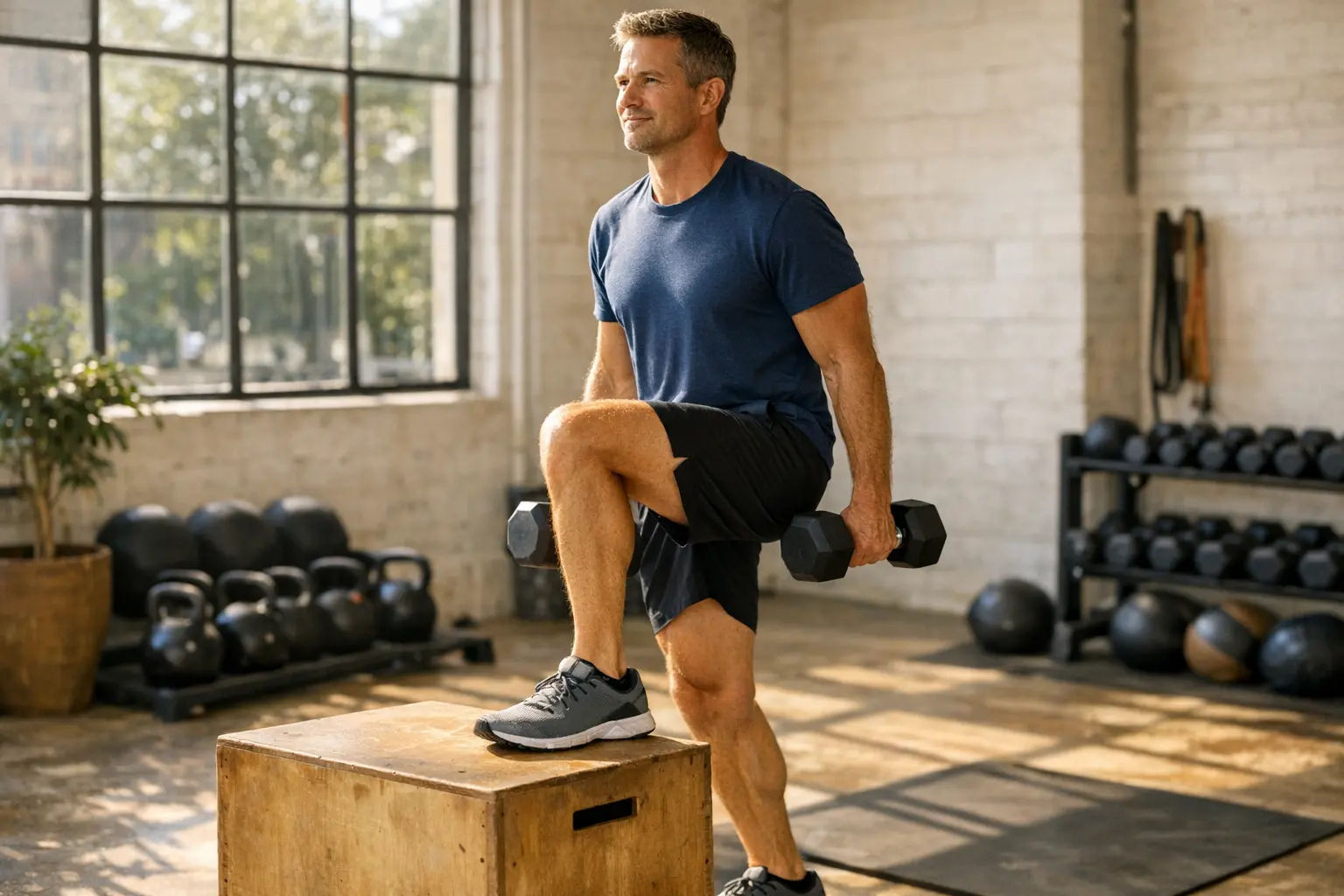
Starting exercise after 50 can feel weirdly intimidating, especially if you have spent years hearing that you should be more active but were never given a plan that fit your body. A lot of people assume strength training is only for gym regulars, former athletes, or younger people with better joints. It is not.
In reality, beginner strength training over 50 in Duluth, MN can be one of the most useful things you do for long-term health. It can help preserve muscle, improve balance, support bone density, keep metabolism from sliding backward, and make daily life easier. It can also help you feel more capable in your own body again, which matters more than people realize.
At Duluth Metabolic, we look at strength training as part of health care, not punishment. Movement is not something you earn after weight loss. It is one of the ways you build better blood sugar control, better energy, and more resilience. If you want related reading, start with functional training for beginners over 40, exercise as medicine, and building bone density after 50.
Why beginner strength training over 50 in Duluth, MN matters so much
After 50, the body changes whether you train or not.
Muscle mass tends to decline. Bone density can drift downward. Recovery takes more intention. If activity drops too, the result can be a slow loss of strength that shows up in ordinary moments, carrying groceries, getting up off the floor, climbing stairs, or trying to keep up with a busy day without feeling wiped out.
That is why strength training matters. It gives your body a reason to keep the muscle and function that protect you later.
It is also one of the most useful tools for people dealing with musculoskeletal weakness, osteoporosis, weight management, or chronic fatigue. The goal is not to become a bodybuilder. The goal is to stay strong enough for real life.
The biggest mistake beginners over 50 make
Most beginners do not fail because they are lazy.
They fail because they try to start where they think they should be instead of where they are.
That often looks like:
- jumping into hard workouts too fast
- chasing soreness as proof the workout worked
- doing random YouTube routines with no progression
- thinking pain means progress
- skipping recovery and protein
A better plan starts smaller, uses simple movements, and leaves you with enough energy to come back again. Consistency beats heroics every time.
What beginner strength training over 50 in Duluth, MN should actually include
The best beginner plans are boring in a good way. They are built around movement patterns your body needs.
Sit, squat, or stand
This covers chair squats, box squats, or sit-to-stands. These movements build leg strength for daily life and help with independence later on.
Hinge
A hinge pattern teaches you to load the hips and glutes, which helps with lifting, balance, and back-friendly movement. Beginners may start with a dowel, wall tap, or light kettlebell deadlift.
Push
Wall push-ups, incline push-ups, and dumbbell presses can all work. Pushing strength makes a difference in everything from getting up off the floor to carrying and placing objects overhead.
Pull
Rows with a band, cable, or dumbbell help posture, upper back strength, and shoulder stability. This is especially important for people who spend a lot of time sitting.
Carry and brace
Farmer carries, suitcase carries, planks, dead bugs, and other core stability exercises help you move with more control and confidence.
If that sounds familiar, it is because strong programs are built around the basics. Fancy is optional. Useful is not.
A realistic weekly plan for beginners
For most people, two or three strength sessions per week is enough to get started well.
A very solid beginner week might look like this:
- Monday: full-body strength session
- Tuesday: walk or gentle mobility
- Wednesday: full-body strength session
- Thursday: rest or easy walk
- Friday: optional third strength session or short circuit
- Weekend: normal life, outdoor movement, light activity
That structure works especially well in Duluth because life is seasonal. Some weeks are built around snow, ice, work, travel, or family schedules. A plan that requires perfection will collapse fast. A two-to-three-day rhythm tends to hold up.
A sample beginner strength workout over 50
If you are new, start with one or two sets of each movement. Rest as needed. Use a load that feels manageable and controlled.
- Chair squat or sit-to-stand, 8 to 10 reps
- Band row or supported dumbbell row, 8 to 12 reps
- Wall push-up or incline push-up, 6 to 10 reps
- Glute bridge, 8 to 12 reps
- Farmer carry, 20 to 40 seconds
- Dead bug or standing march, 6 to 10 reps per side
That may not look dramatic, but it is enough to build a foundation.
If you are wondering whether this is too little, that is usually a sign you are thinking like someone trying to prove something, not someone trying to build momentum.
How hard should strength training feel after 50?
This is where a lot of people get tripped up.
A beginner strength session should feel like work, but not chaos. You should finish feeling like you trained, not like you got hit by a truck. Mild soreness can happen. Being unable to sit down on the toilet without bracing for impact is not the goal.
A good rule is to stop each set with one to three solid reps still left in the tank. That gives your body a stimulus without blowing up recovery.
This matters even more if you are dealing with sleep issues, high stress, low protein intake, or why am I always tired energy patterns. The right amount of exercise helps. Too much can backfire.
Strength training and bone health
One of the strongest reasons to start beginner strength training over 50 in Duluth, MN is bone health.
Bone responds to load. That means your skeleton benefits when muscles pull against it during resistance work. Walking is excellent, but on its own it is usually not enough to preserve or improve bone density the way strength training can.
That is why strength work pairs so well with building bone density after 50 and protein requirements over 40. Bones need a reason to adapt. Muscles help provide that reason.
Strength training and blood sugar
Strength training is also a metabolic tool.
Muscle tissue helps you handle glucose better. The more functional muscle you keep, the more help your body has for blood sugar disposal. This can matter for people with rising A1C, belly weight, fatigue after meals, or insulin resistance.
That is one reason we often connect movement plans with strength training for insulin resistance, metabolic flexibility, and CGM monitoring. Sometimes people change how they think about exercise completely once they see how even short strength sessions affect their energy and blood sugar.
What if you have joint pain or old injuries?
That does not automatically mean strength training is off the table.
It means the plan needs to fit you.
People with knee pain may need box squats, step-ups to a low height, or supported split squats. People with shoulder pain may need a narrower pushing range or more pulling work first. People with back pain often do better when they learn bracing, hinging, and controlled loading instead of avoiding all resistance forever.
This is where exercise therapy can be valuable. Good programming adjusts the movement. It does not shame the person.
Do you need a gym?
No.
A gym can be helpful, but many beginners can make real progress at home with a chair, resistance band, a couple of dumbbells, or a kettlebell. Some people feel more consistent at home. Others do better when they have a coach, a class, or a set appointment.
The right setting is the one you will use.
In Duluth, weather also matters. Winter can make commuting to a gym harder. Shoulder seasons can get hectic. A home option keeps momentum from dying every time the forecast gets ugly.
Recovery matters more than people think
One reason strength training goes badly for beginners over 50 is that recovery gets ignored.
To adapt well, your body needs:
- enough protein
- decent sleep
- rest days or lighter days
- manageable training volume
- enough food overall
If you are under-eating, sleeping badly, and running on stress, even a well-designed plan can feel harder than it should. That is why movement works best alongside things like nutrition coaching, better sleep habits, and sometimes biomarker testing when fatigue or recovery seems off.
What progress should look like in the first 8 weeks
Progress is not only about heavier weights.
At first, good signs include:
- movements feel less awkward
- getting off the floor gets easier
- you feel steadier on stairs
- everyday tasks feel lighter
- energy improves instead of crashing
- you trust your body more
Later, you may notice more visible changes in muscle tone, posture, and body composition. But early progress is often quieter and still very real.
FAQ: beginner strength training over 50 in Duluth, MN
Is it too late to start strength training after 50?
No. People can improve strength, balance, and muscle at many ages. Starting later does not erase the benefits.
How many days a week should I lift if I am a beginner?
Two to three days per week is a strong starting point for most people. That is enough to make progress without overwhelming recovery.
Should beginners over 50 use weights or resistance bands?
Either can work. The best choice depends on comfort, access, and movement quality. Many people use both.
What if I feel intimidated by gyms?
That is common. You can start at home, work with a coach, or use a simple equipment setup. You do not need to earn your way into strength training.
Can strength training help with weight loss?
It can support weight loss by preserving muscle, improving insulin sensitivity, and making daily movement easier. It works best as part of a broader metabolic health plan.
A simple start beats waiting for the perfect start
If you have been putting this off, the answer is probably not more motivation. It is a smaller first step.
Beginner strength training over 50 in Duluth, MN should feel doable, useful, and sustainable. It should help you carry more, move better, protect bone and muscle, and build confidence instead of beating you up.
If you want help building a plan around your energy, symptoms, labs, or current limitations, Duluth Metabolic can help. Learn more about exercise therapy, nutrition coaching, and our philosophy.
When you are ready to talk through what makes sense for your body, reach out on our contact page.