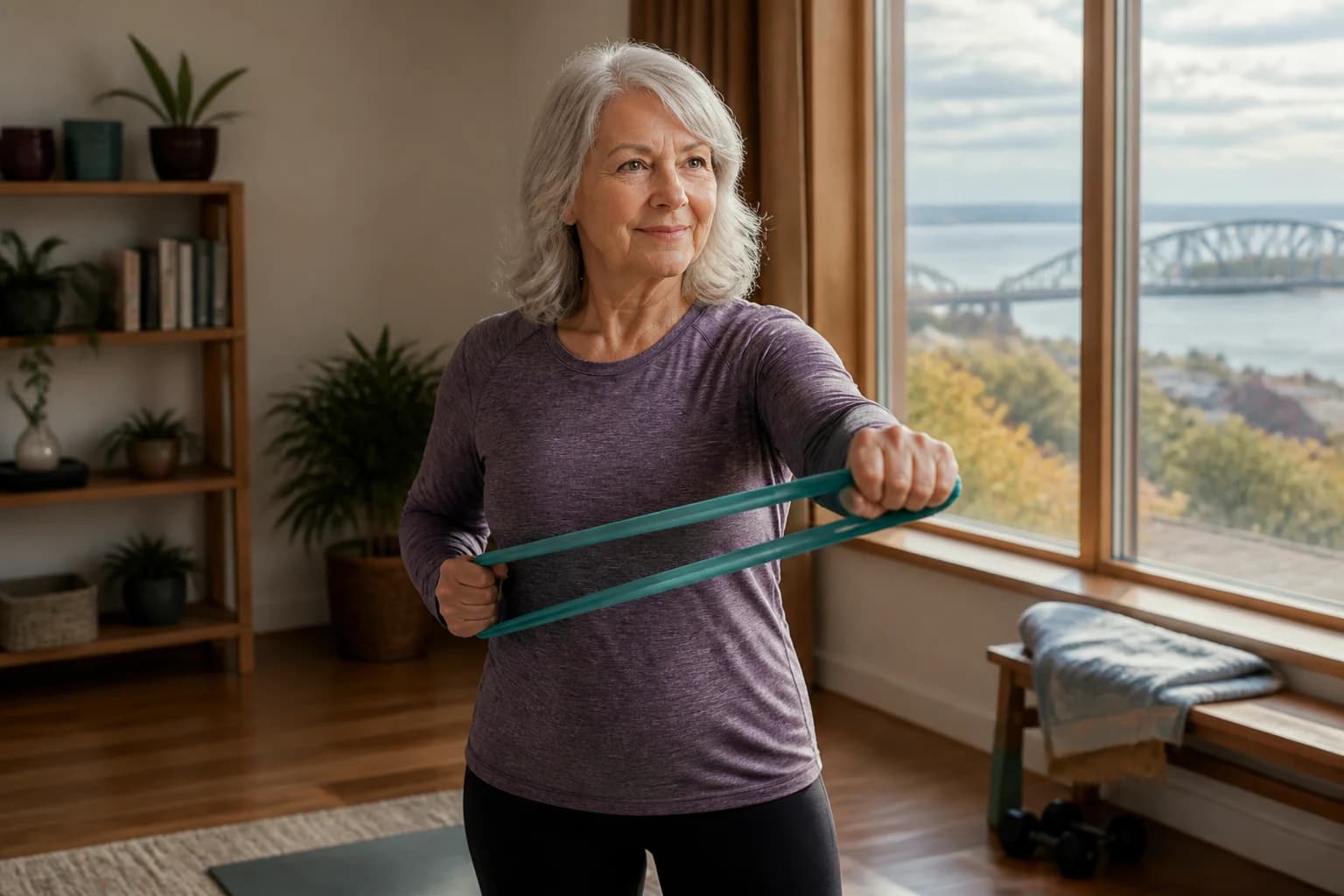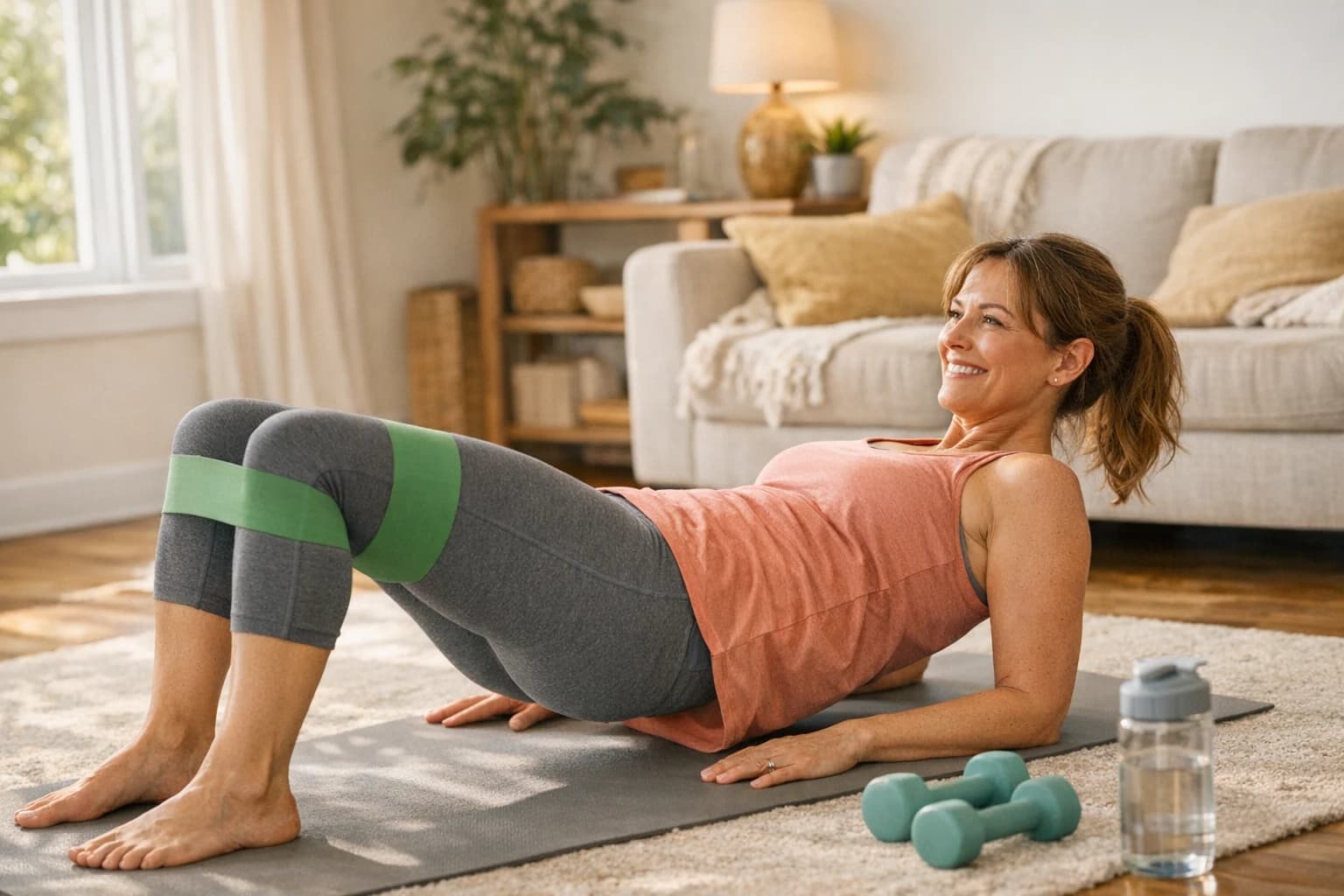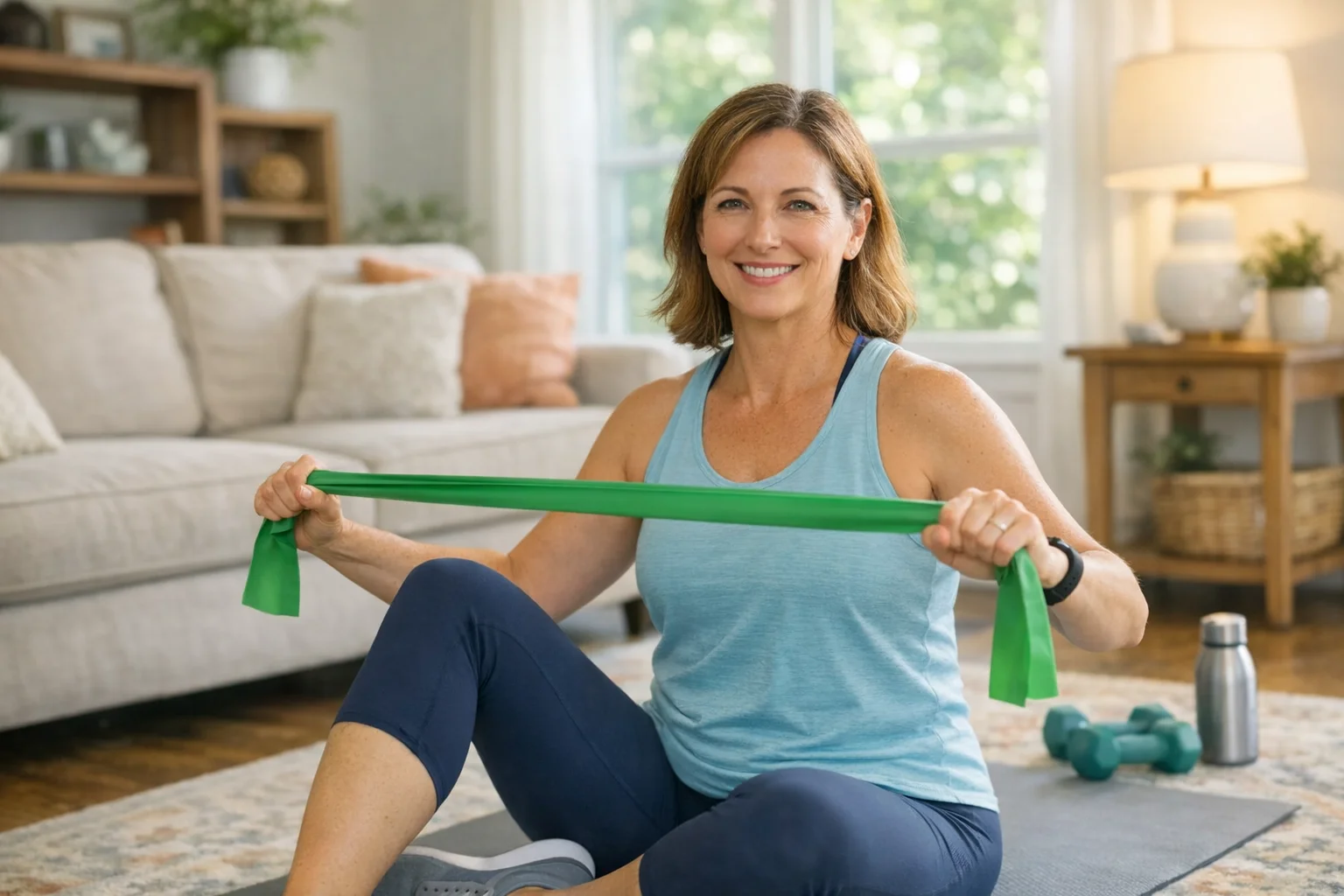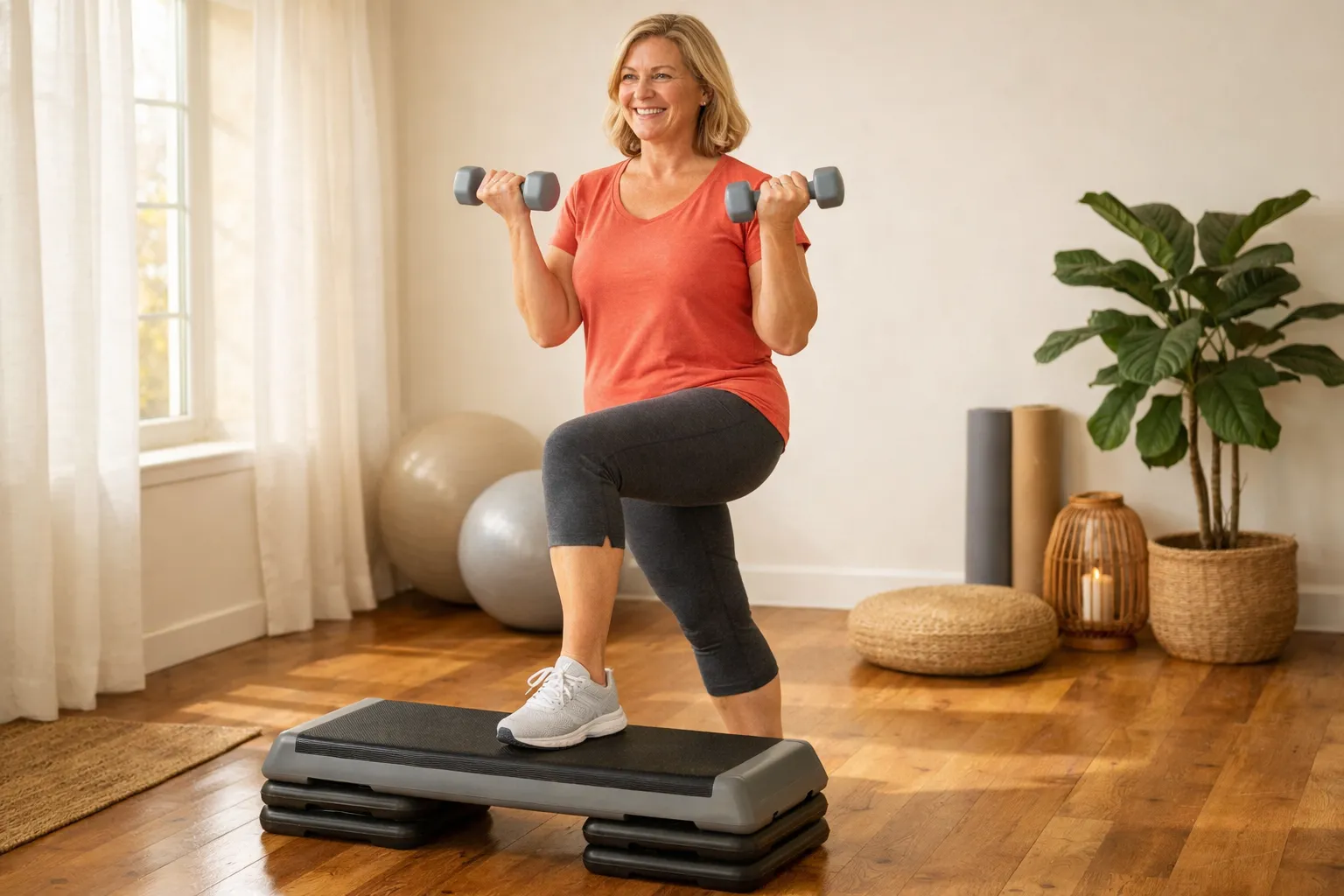
A lot of adults over 40 think exercise has turned into a bad choice between two extremes. Either it is too soft to change anything, or it is hard enough to make your knees, back, or motivation regret the whole idea. That is why so many people start looking for low-impact workouts for beginners over 40. They want something that helps them get stronger and feel better without turning every workout into a recovery event.
That is exactly the right instinct.
Low-impact does not mean low value. It means the plan is easier on your joints while still giving your muscles, heart, bones, and nervous system a reason to adapt. For a lot of people, that is the kind of training they can actually stay consistent with. And consistency matters more than a dramatic workout you only survive twice.
At Duluth Metabolic, we care about this because movement is one of the best tools we have for long-term metabolic health. Better training can support blood sugar control, muscle retention, balance, recovery, mood, and easier weight management. If you want the bigger picture, our articles on exercise as medicine, functional training for beginners over 40, and strength training for insulin resistance are worth reading too.
What counts as low-impact
Low-impact exercise means your joints are not taking the repeated pounding that comes with things like sprinting, jumping, or high-volume plyometrics. Usually one foot stays on the ground, the movement is more controlled, or the exercise setup reduces the stress that lands on knees, hips, ankles, and the low back.
That can include:
- walking
- cycling
- rowing
- incline walking
- strength training with controlled reps
- sled pushes
- step-ups
- carries
- yoga or Pilates
- bodyweight movements with support
- swimming or water exercise
The point is not avoiding challenge. The point is choosing a challenge that your body can recover from.
Why low-impact workouts for beginners over 40 make so much sense
After 40, a few things tend to change.
Muscle becomes easier to lose if you are inactive. Joints get less tolerant of random high-intensity decisions. Sleep and stress affect recovery more. And many adults are returning to exercise after years of desk work, old injuries, pregnancies, surgeries, or simply a long stretch of putting everyone else first.
That does not mean your body is fragile. It means your training should make sense.
Good low-impact training can help with:
- building or keeping muscle
- improving insulin sensitivity
- supporting bone density
- improving balance and stability
- reducing stiffness
- improving energy and confidence with movement
That is especially relevant for adults dealing with musculoskeletal weakness, osteoporosis, chronic fatigue, or the stop-start exercise cycle that happens when workouts feel too punishing.
The biggest misconception about low-impact training
People hear “low-impact” and picture something easy enough to ignore.
That is not the point.
A well-built low-impact workout can absolutely raise your heart rate, challenge your muscles, and improve conditioning. The difference is how the stress gets delivered. Instead of pounding your joints, the workout uses control, resistance, incline, tempo, and smart exercise selection.
A loaded carry is low-impact. So is a hard row interval. So are step-ups done with intent. So are goblet squats, incline push-ups, resistance-band rows, and sled pushes. None of those are lazy exercises.
Low-impact workouts for beginners over 40 should start with movement patterns, not punishment
The internet loves intensity because intensity looks impressive. Most beginners over 40 need something better.
They need to relearn or strengthen a few basic patterns:
- squat
- hinge
- push
- pull
- carry
- brace
- step
If those patterns improve, daily life improves too. You stand up easier. Stairs feel better. You can carry groceries without tweaking your back. You feel steadier on uneven ground. You stop treating your body like it is one bad movement away from betrayal.
That is why low-impact training often overlaps with exercise therapy. The goal is not only to burn calories. It is to make the body more capable.
A realistic weekly routine for low-impact workouts for beginners over 40
Most adults do not need seven days of motivation theater. They need a routine they can repeat.
A strong starting point is:
- two or three strength-based sessions per week
- two or three lower-impact cardio or walking sessions
- short mobility work most days if it helps you feel better
That might look like this:
Day 1: Full-body strength
Use simple patterns like squats to a box, dumbbell deadlifts, incline push-ups, rows, and carries.
Day 2: Brisk walk or bike
Twenty to forty minutes at a pace where you can still talk.
Day 3: Full-body strength
Repeat the same movement patterns with slight progression.
Day 4: Recovery walk, mobility, or yoga
Keep it easy. The goal is movement, not proving anything.
Day 5: Strength or interval cardio
If joints tolerate it, use short rowing, biking, or sled intervals. If not, a third strength session works great.
Weekend: Outdoor movement if possible
Walk the lakewalk, hike a trail, snowshoe in winter, or do anything that makes movement feel less like a task. Our guide to outdoor fitness in Duluth can help you think more locally.
A beginner-friendly low-impact workout you can actually start with
If you want a very normal session, this is a solid template.
Warm-up
Five to ten minutes of easy walking, cycling, or marching in place. Then add shoulder circles, hip hinges, bodyweight sit-to-stands, and gentle ankle mobility.
Main workout
- Box squat or sit-to-stand: 3 sets of 8
- Dumbbell or kettlebell deadlift: 3 sets of 8
- Incline push-up on a bench, box, or countertop: 3 sets of 6 to 10
- One-arm dumbbell row or resistance-band row: 3 sets of 8 to 10 each side
- Step-ups to a low box or stair: 2 to 3 sets of 8 each side
- Farmer carry: 3 rounds of 20 to 40 seconds
Finisher
Five to ten minutes of easy incline walking, bike work, or rowing.
This is not flashy. That is exactly why it works.
How to progress without getting wrecked
Beginners often make one of two mistakes. They stay too easy forever and never challenge anything, or they jump from zero to hard enough that recovery becomes the main event.
A better approach is smaller progression.
You can progress by:
- adding a little weight
- adding a few reps
- moving a little more smoothly
- resting a little less
- doing the same session more consistently
- improving range of motion or stability
Progress does not have to feel dramatic to count. If you can do more this month than you could last month and your body feels good enough to come back, that is real progress.
Good low-impact cardio options when you hate traditional cardio
A lot of adults say they hate cardio when what they really hate is repetitive, uncomfortable cardio they were told they should force themselves to do.
Low-impact options open that up.
Walking is great. So is incline treadmill work, cycling, rowing, swimming, hiking, or short intervals on a machine that does not aggravate your joints. In Duluth, winter also makes indoor walking strategies useful, which is why indoor walking in Duluth MN has become such a practical topic.
You do not need to become a runner to improve cardiovascular health.
Low-impact workouts for beginners over 40 can still help with weight loss and blood sugar
People sometimes worry that if they are not dripping sweat on the floor, it does not count.
It counts.
Low-impact strength and cardio can absolutely support fat loss, glucose control, and better energy. In many cases it works better than high-intensity plans because people recover from it, repeat it, and keep more muscle while doing it. Muscle matters for blood sugar. So does regular movement after meals, daily step count, and the ability to train consistently instead of in short bursts of motivation.
If your goal includes improving insulin resistance, our guides on reverse insulin resistance naturally and walk after meals for blood sugar are useful next reads.
What if you have knee pain, back pain, or feel out of shape
This is where people often quit before they start.
If you have pain, the answer is not always to stop moving. It is often to choose better movements, better ranges, and better loading. Box squats may feel better than deep free squats. Incline push-ups may feel better than floor push-ups. Cycling may feel better than jogging. Carries may strengthen your trunk more safely than random ab circuits.
You do not have to earn exercise by already being fit.
If you have significant pain, it makes sense to work with someone who can help you scale intelligently. That is one reason accountability coaching and structured exercise support can matter so much.
Low-impact workouts for beginners over 40 during Duluth winters
Winter changes exercise plans, especially when sidewalks are icy and motivation disappears at 4:30 in the afternoon.
This is a good time to lower the amount of decision-making. A simple indoor plan beats a perfect outdoor plan you cannot maintain.
Winter-friendly options include:
- treadmill or indoor track walking
- strength sessions at home or in a gym
- rowing machine intervals
- bike or spin sessions
- mobility plus short strength circuits
- mall walking or indoor walking routes
The goal is not to create a winter fitness identity. It is to keep moving long enough that spring does not feel like a complete restart.
FAQ about low-impact workouts for beginners over 40
Can low-impact workouts build muscle?
Yes. Muscle responds to tension, effort, and consistency, not just impact. Strength training with controlled reps, resistance bands, dumbbells, machines, and bodyweight progressions can all build muscle.
Are low-impact workouts good for weight loss?
They can be very effective because they are easier to sustain, easier to recover from, and often help people stay active more consistently. Weight loss also depends on nutrition, sleep, stress, and total activity, but low-impact training absolutely counts.
How many days a week should a beginner over 40 work out?
Two to three strength sessions per week is a very solid start, plus walking or low-impact cardio on other days. Most people do better building from there instead of trying to go all in immediately.
What if I am embarrassed by how little I can do right now?
That feeling is common, but it is not a reason to wait. Every strong, capable adult started somewhere. The smartest place to begin is where your body is today, not where you think it should already be.
Is walking enough?
Walking is excellent, but many adults benefit from adding strength work too. Walking helps cardiovascular health, stress, and daily movement. Strength work helps muscle, bone density, joint support, and long-term function. Together they work really well.
Joint-friendly exercise can still change a lot
You do not need to beat yourself up to make progress. You need a plan your body can believe in.
That is why low-impact workouts for beginners over 40 matter. They give you a way to build strength, confidence, and metabolic health without the boom-and-bust cycle that makes exercise feel like punishment.
If you want help building a realistic movement plan that works with your schedule, your joints, and your bigger health goals, Duluth Metabolic can help. Learn more about our approach on our philosophy page, explore exercise therapy, or contact us if you want support that meets you where you are.