Most people looking for gut-friendly breakfast ideas for busy adults are not trying to create a wellness ritual before sunrise. They are trying to eat something that does not leave them bloated, starving an hour later, or running on coffee until lunch.
That is a very different problem than the internet usually solves.
A lot of breakfast advice is either too idealistic or too random. One person says eat yogurt. Another says skip breakfast. Another says your gut needs a green smoothie with ten ingredients and a blender you definitely do not want to clean before work. Meanwhile, you are trying to get out the door, answer texts, maybe get kids moving, and remember where you put your keys.
At Duluth Metabolic, we care more about repeatable breakfasts than perfect breakfasts. A good breakfast should support digestion, energy, blood sugar, and appetite in a way that fits your actual life. That usually means a mix of protein, fiber, and foods your body tolerates well, not a dramatic health-food performance.
If this is an area you have been struggling with, it may also help to read gut health habits for busy adults, gut health morning routine, blood sugar friendly breakfast ideas, and why do carbs make me tired.
Why gut-friendly breakfast ideas for busy adults matter
Morning digestion issues are easy to brush off.
People assume bloating, reflux, urgency, nausea, or a mid-morning crash are just normal parts of adulthood. Sometimes they are signs that breakfast is built in a way your system does not handle very well. Sometimes breakfast is not the root issue, but it is the first place you feel the problem.
A better breakfast can help with:
- more stable energy through the morning
- less rebound hunger and fewer cravings
- steadier blood sugar
- better digestion and bowel regularity
- less of the heavy, overly full feeling that slows you down
This matters even more if you deal with chronic fatigue, diabetes, or mood changes that seem tied to digestion and appetite. The gut and the rest of your body are not working in isolation.
What makes a breakfast gut-friendly in real life
A gut-friendly breakfast does not have to be trendy.
Usually it works because it includes a few simple things.
Protein
Protein helps breakfast hold up. Eggs, Greek yogurt, cottage cheese, kefir, smoked salmon, chicken sausage, tofu, or even leftovers can make a huge difference in fullness and blood sugar.
Fiber
Fiber gives your gut bacteria something to work with and often helps with fullness too. Berries, chia seeds, oats, nuts, seeds, vegetables, flax, beans, or whole fruit can all help depending on what you tolerate.
A pace your body can handle
If breakfast is basically inhaled while half-dressed and stressed, even decent food can land poorly. You do not need a slow brunch. You do need a little less chaos when possible.
Foods you actually digest well
This matters. A breakfast can be healthy on paper and still be a bad fit for you. The goal is not forcing foods you dread. It is finding patterns that consistently leave you feeling better.
One mistake people make with gut-friendly breakfast ideas for busy adults
They go too healthy too fast.
They switch from coffee and a granola bar to a giant raw smoothie, chia pudding, kefir, fiber powder, and fruit all at once, then wonder why they are bloated by 9:45.
More fiber is not always better on day one. More fermented food is not always better on day one either. If your gut has been struggling, sometimes the best breakfast change is a modest one. Add protein. Add some fiber. Slow down a little. Build from there.
Gut-friendly breakfast ideas for busy adults that actually work
Here are breakfast patterns that tend to be easier to repeat.
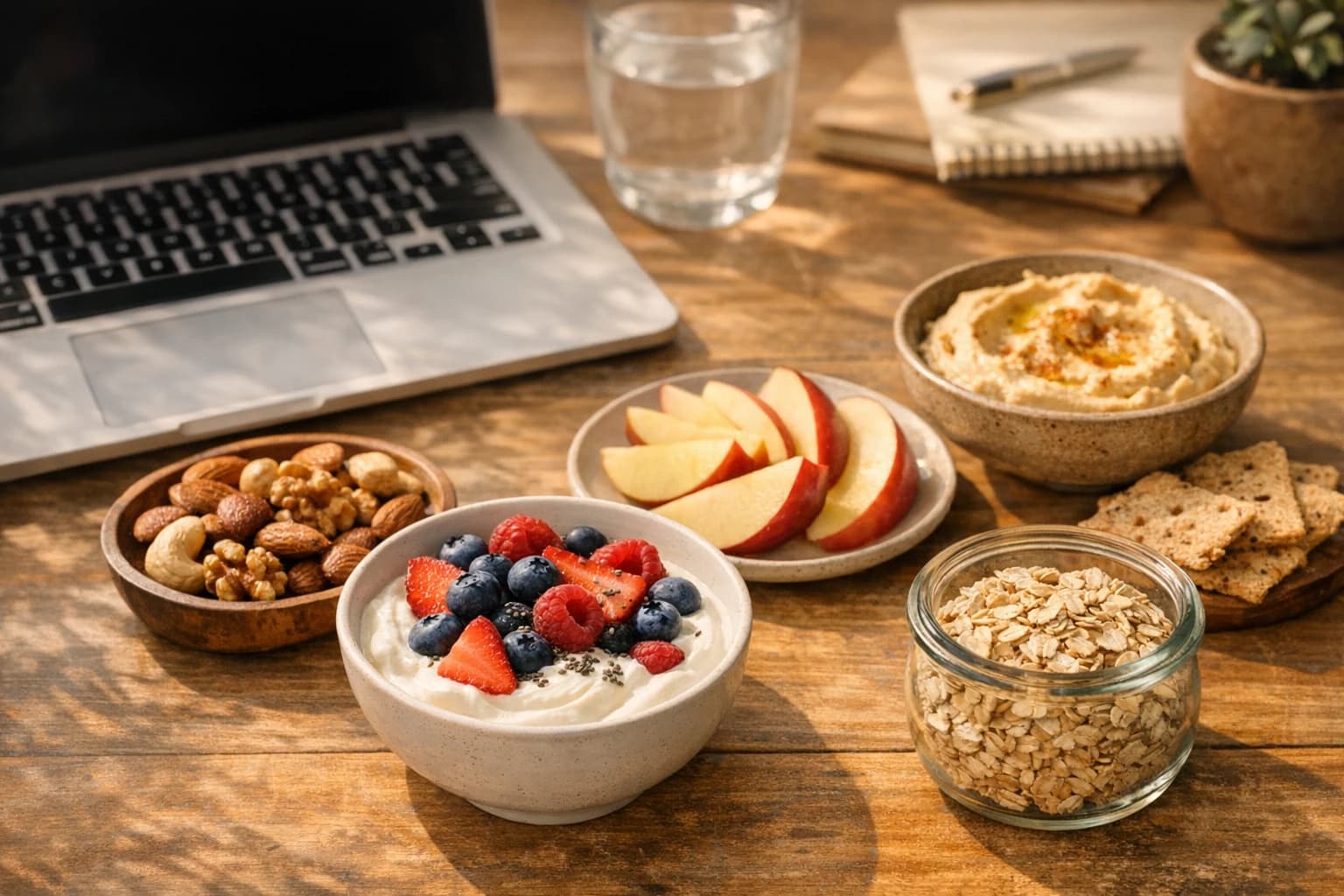
1. Greek yogurt bowl with berries, chia, and walnuts
This works well because it is fast, high in protein, and easy to scale.
Plain Greek yogurt gives you protein. Berries bring fiber and polyphenols. Chia seeds add fiber and texture. Walnuts bring healthy fat and make the meal more satisfying.
If you need more staying power, add a little extra nut butter or a side of eggs. If dairy does not sit well, a lactose-free or dairy-free high-protein yogurt may work better.
This is a nice middle ground between blood sugar friendly breakfast ideas and a more digestion-supportive breakfast.
2. Eggs with sourdough toast and fruit
Sometimes the simplest breakfast is the best one.
Eggs are steady, practical, and easy on a lot of stomachs. A slice of sourdough may feel better for some people than sweeter breakfast breads or giant bagels. Fruit on the side can add fiber without turning the meal into a sugar dump.
If you tend to feel shaky or ravenous mid-morning, this kind of breakfast is often more helpful than cereal alone.
3. Overnight oats with chia, cinnamon, and protein
Overnight oats are useful because they handle both time pressure and digestion better than a lot of grab-and-go breakfasts.
You can build them with oats, chia, Greek yogurt or kefir, cinnamon, berries, and maybe a scoop of nut butter. If you tolerate oats well, this can be a very gut-friendly and blood sugar-friendlier way to do breakfast.
The big mistake is making overnight oats that are mostly sweetener and fruit with barely any protein. Then they taste good but do not keep you full.
4. Cottage cheese bowl with berries and pumpkin seeds
Cottage cheese is one of the more underrated breakfast foods around.
It is high in protein, takes almost no effort, and works well with fruit, nuts, seeds, or even savory toppings if sweet breakfasts are not your thing. Pumpkin seeds add crunch and minerals. Berries keep it practical.
If you are trying to improve digestion without spending 20 minutes cooking, this one deserves more attention.
5. Savory breakfast scramble with eggs and vegetables
A scramble with eggs, spinach, mushrooms, leftover roasted vegetables, or peppers can work very well, especially if you get bloated by sweeter breakfasts.
Savory breakfasts often help people who notice that muffins, cereal, pastries, or smoothie-heavy mornings lead to quicker hunger and more cravings later. Add avocado or a small side of potatoes if you want more substance.
If you want help with meal rhythm overall, meal timing for blood sugar control can help tie this together.
6. Kefir smoothie that is actually balanced
Smoothies can be great or terrible.
A better gut-friendly smoothie usually includes:
- kefir or Greek yogurt for protein and probiotics
- berries instead of huge amounts of high-sugar fruit
- chia or flax for fiber
- nut butter for staying power
- spinach if you want, but not because you are trying to impress yourself
A smoothie that is mostly banana, juice, mango, and honey may sound healthy and still leave you hungry fast.
7. Sourdough toast with avocado, egg, and smoked salmon
This is one of those breakfasts that sounds fancy but can actually be pretty fast.
It works because it has protein, fat, and enough substance to avoid the mid-morning crash. It can be especially useful if you know you have a busy stretch and lunch may be late.
8. Prep-ahead egg muffins with fruit
If weekday mornings are chaotic, prep matters more than intention.
Egg muffins with vegetables and maybe turkey sausage or cheese can be made ahead and reheated quickly. Add fruit or a slice of toast and you have a much better morning than trying to patch hunger together with coffee and random snacks.
This kind of breakfast often works well for people who say they are too busy for breakfast but feel terrible when they skip it.
9. Leftovers that happen to be breakfast
This is one of the most useful mindset shifts there is.
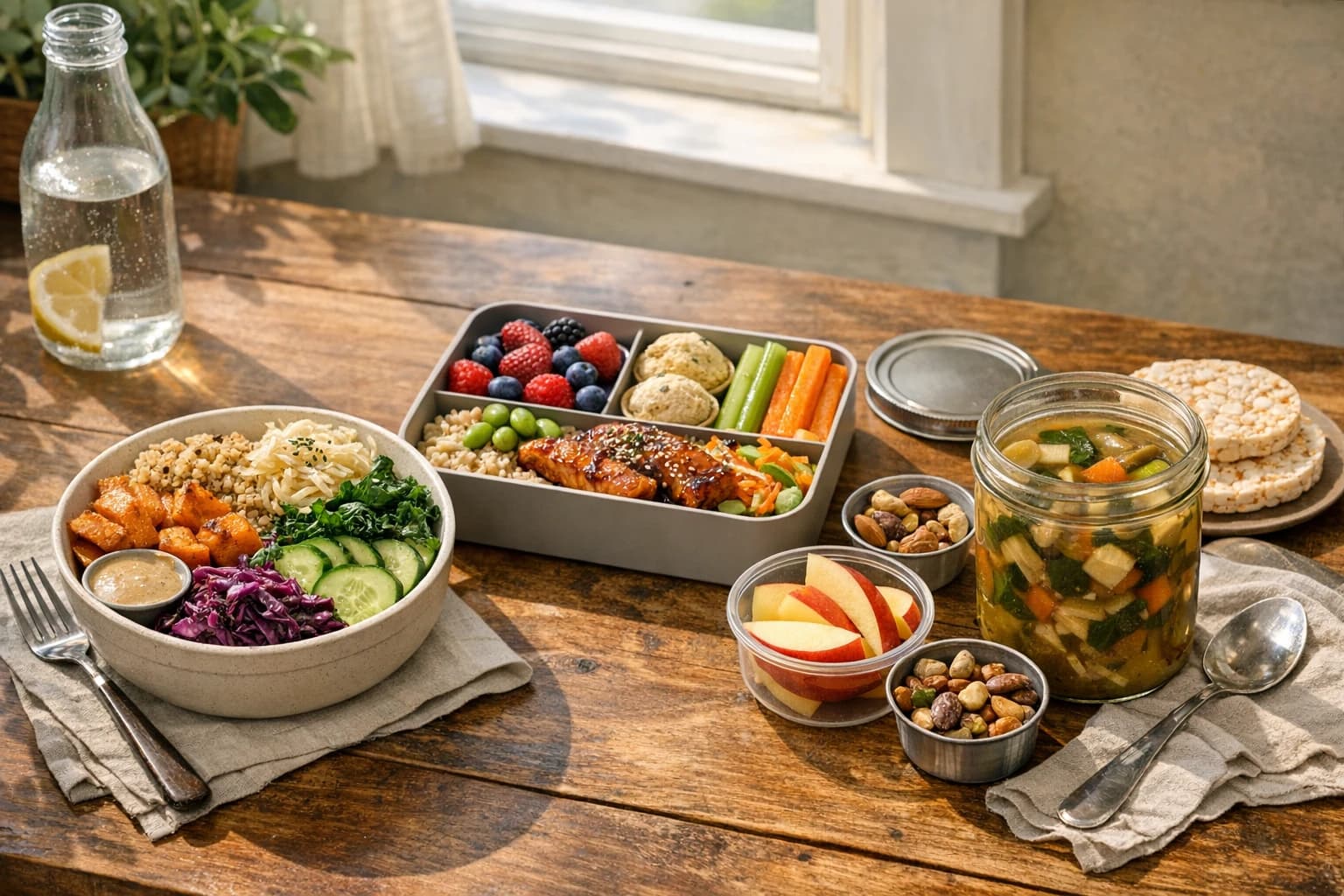
Breakfast food does not have to look like breakfast food. Leftover chicken, roasted vegetables, rice, soup, or a burger patty with fruit may support your gut and blood sugar better than a protein bar pretending to be a meal.
Busy adults often do better when they stop making breakfast so ceremonial.
How to choose the right gut-friendly breakfast for your body
There is no single best breakfast for everyone.
A few questions help.
Do you get hungry quickly after breakfast?
You may need more protein or more total food.
Do you feel bloated right after eating?
You may be eating too fast, eating too much volume at once, or choosing a breakfast that is healthy in theory but not sitting well for you.
Do sweeter breakfasts make you tired?
That may be a sign to shift toward more savory meals or to pair carbs with more protein and fat.
Are mornings rushed enough that cooking is unrealistic?
Then the best breakfast is probably a prep-ahead option, not a fantasy breakfast you make twice and abandon.
A few gut-friendly breakfast habits that matter as much as the food
Do not wait until you are frantic
If you delay breakfast until stress is already high, digestion often gets worse.
Chew more than your schedule wants you to
This sounds basic because it is basic. It still matters.
Build two or three go-to breakfasts
You do not need fifteen options. You need a short list that works.
Notice patterns instead of chasing perfection
If one breakfast leaves you feeling good most mornings, keep it. If another reliably leads to bloating or hunger, adjust it.
FAQ about gut-friendly breakfast ideas for busy adults
What is the best breakfast for gut health?
Usually one that combines protein, fiber, and foods you tolerate well. Greek yogurt bowls, eggs with fruit or toast, overnight oats with protein, and balanced smoothies are common good starting points.
Are smoothies good for gut health?
They can be. They tend to work better when they contain protein and fiber instead of just fruit and juice.
Is coffee bad for gut health in the morning?
Not for everyone. But if coffee on an empty stomach leaves you jittery, urgent, or nauseated, it may help to eat first or pair coffee with a more substantial breakfast.
What if I am not hungry in the morning?
That can happen for a lot of reasons. Some people do better starting with something smaller, like yogurt, kefir, eggs, or a half portion, instead of forcing a huge meal. If poor appetite, bloating, or nausea is a recurring issue, it may be worth looking deeper.
When breakfast struggles may point to something deeper
Sometimes breakfast just needs better structure.
Sometimes the pattern points to a bigger issue.
If you feel bloated after most meals, have ongoing constipation or diarrhea, notice reflux all the time, or feel like your digestion changes your mood and energy every day, breakfast may be only one part of the picture. Articles like functional medicine for IBS, brain fog after eating, and gut brain connection mood may help you think through what else could be going on.
The goal is not to make breakfast perfect. The goal is to make mornings easier on your body.
If you want help figuring out which foods, meal patterns, and gut-supportive habits actually fit your life, we can help. Visit Duluth Metabolic contact to learn more about nutrition coaching, biomarker testing, and a more practical plan for digestion, energy, and real-life mornings.