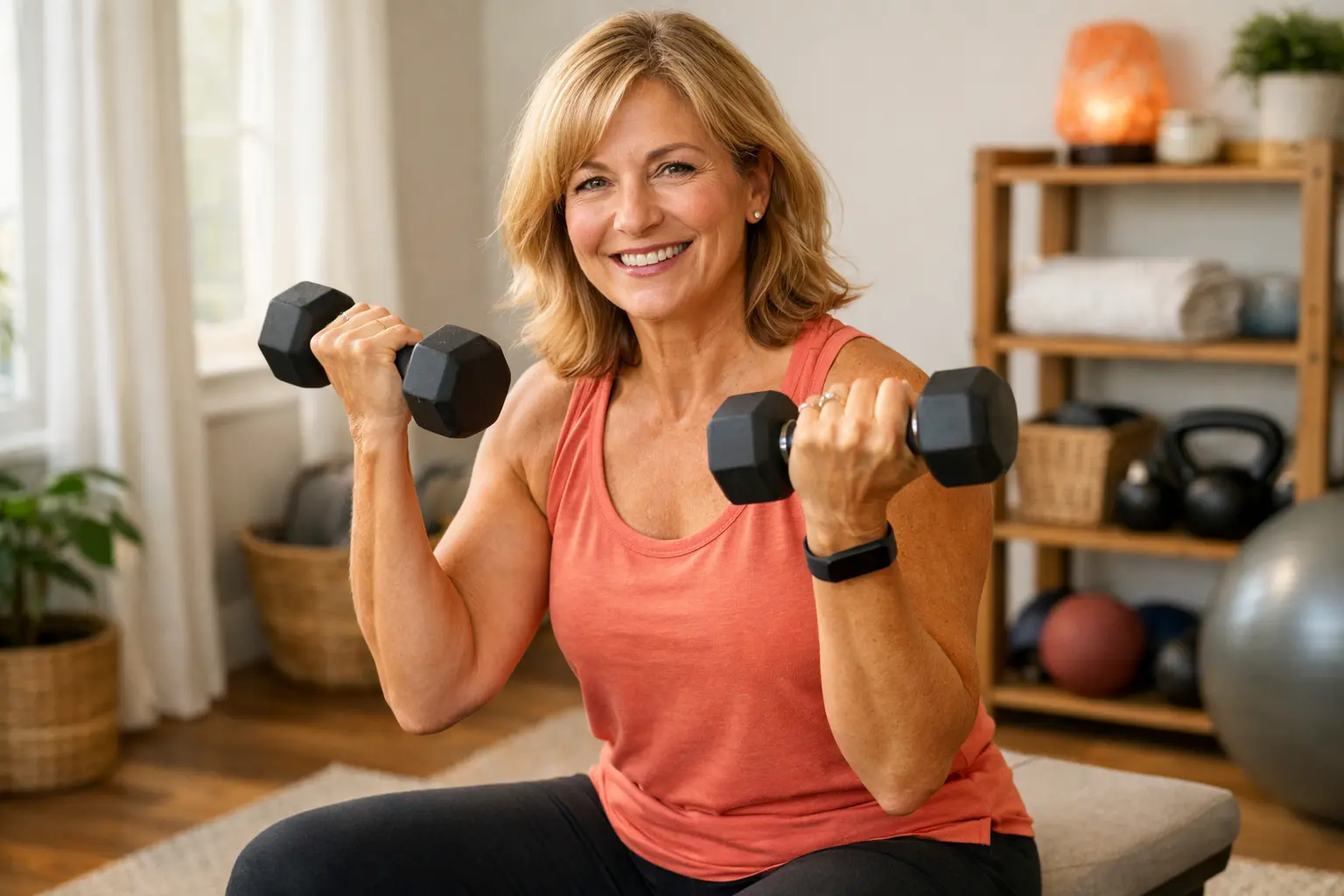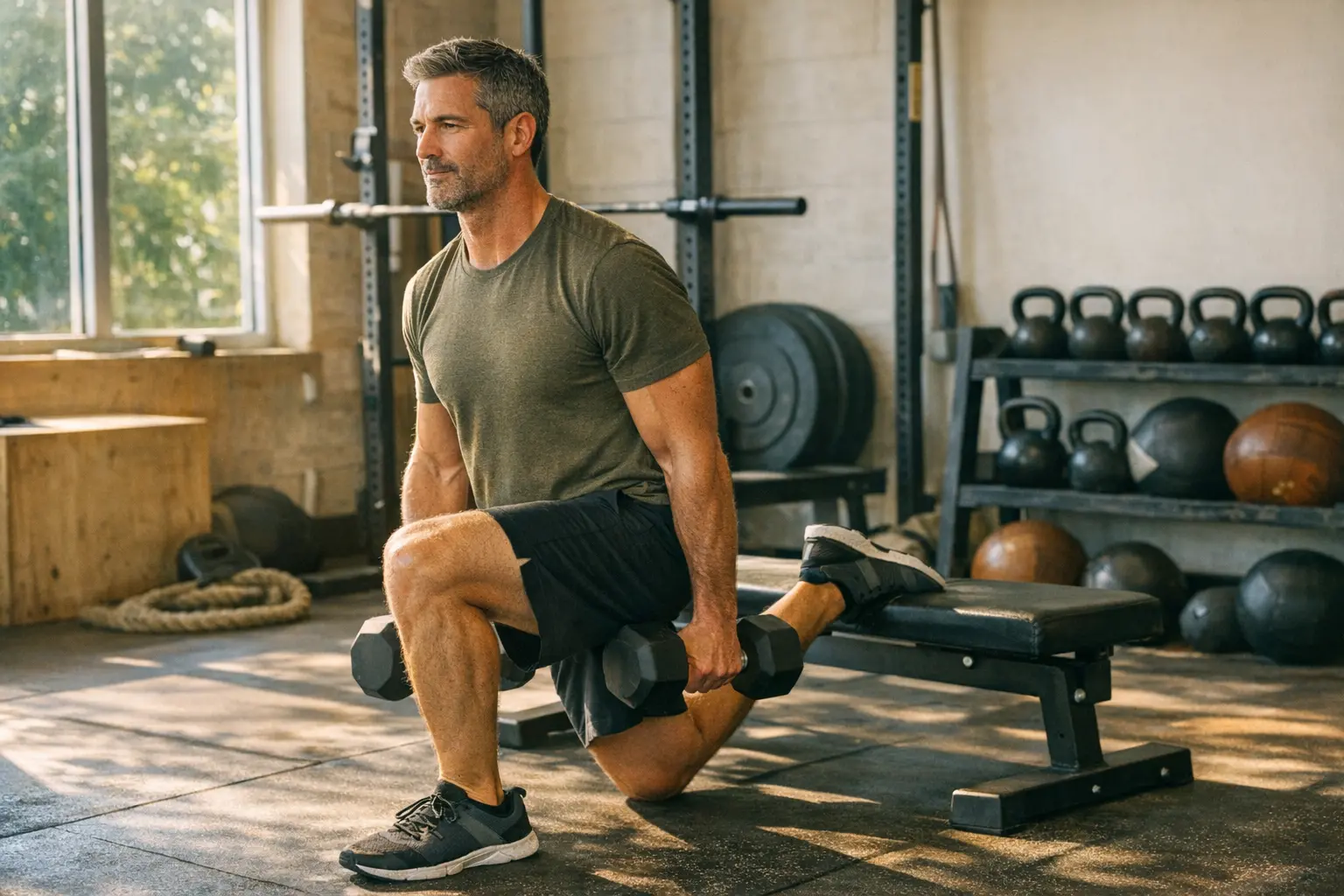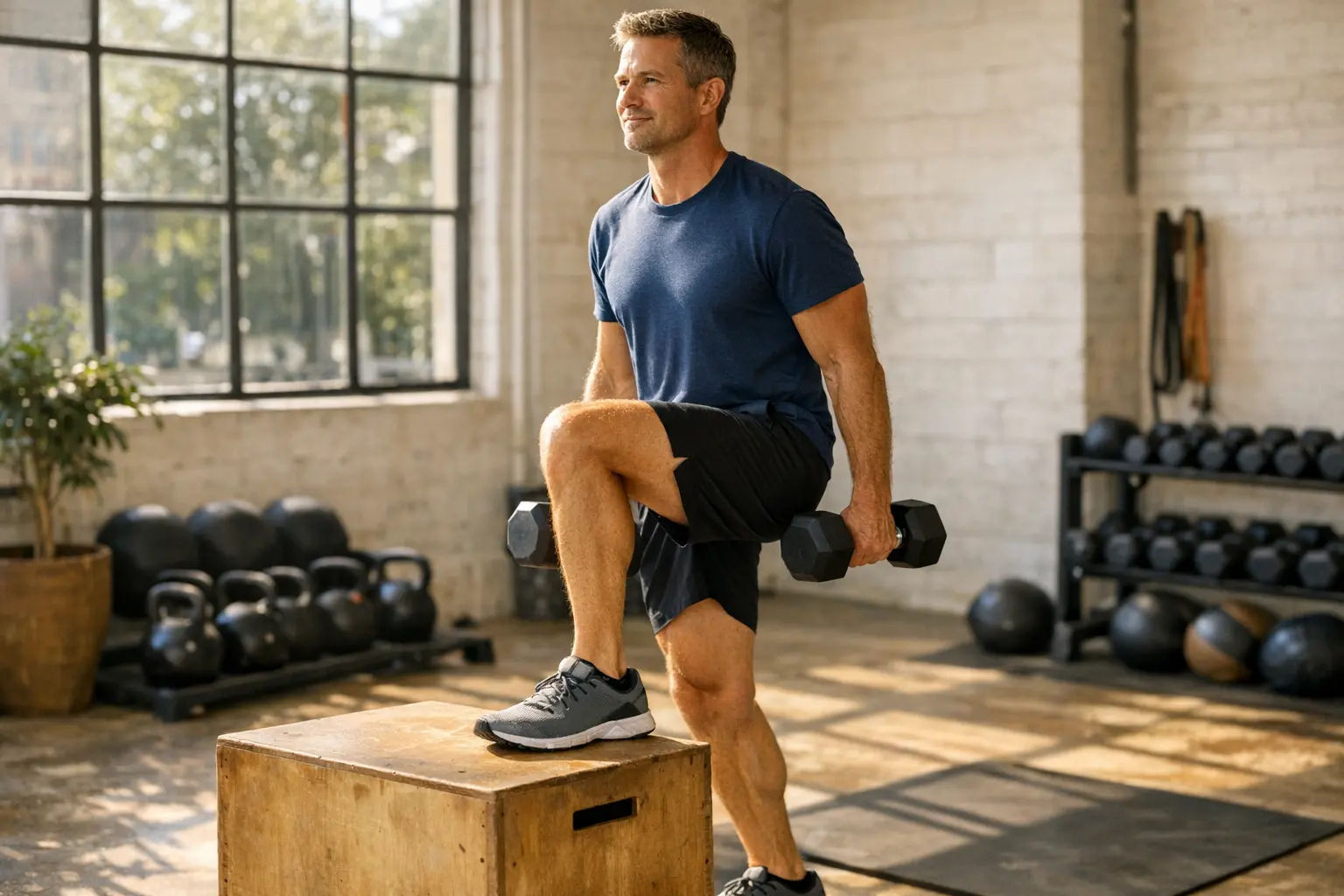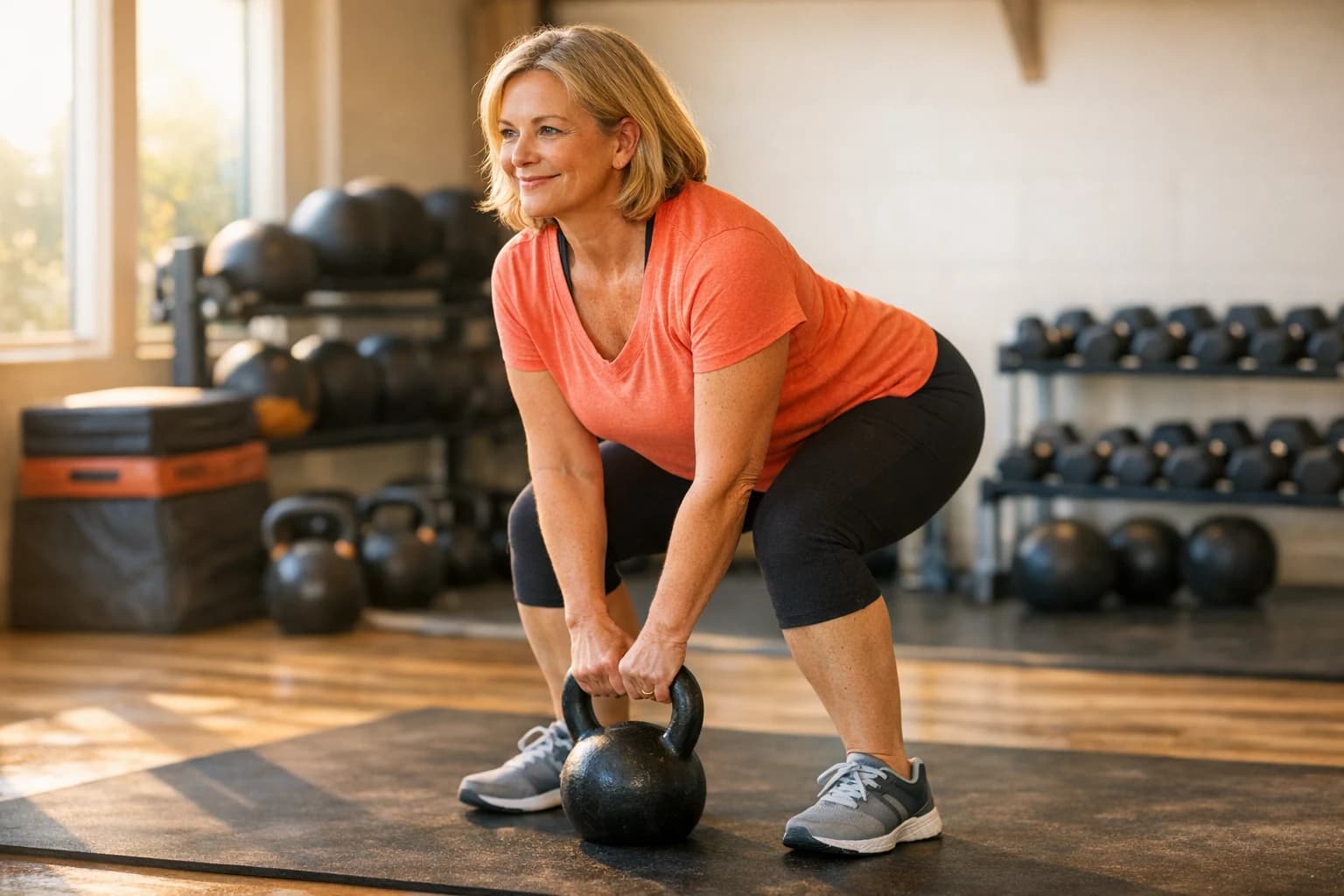
If you want to get stronger but do not want a complicated gym plan, a beginner kettlebell workout over 40 can be a really smart place to start. Kettlebells are simple, versatile, and efficient. They can help you build strength, balance, coordination, grip, and conditioning without needing a room full of machines.
They can also go very wrong when people jump straight to flashy internet workouts.
That is the part worth slowing down for.
A lot of over-40 adults are trying to rebuild fitness after time away, stress, old injuries, desk work, weight gain, or just years of putting everyone else first. They do not need random punishment. They need a plan that helps them move well, feel stronger, and trust their body again.
At Duluth Metabolic, we care about that because strength training supports far more than appearance. It can improve insulin sensitivity, bone loading, energy, posture, and resilience. If you want the bigger picture, our articles on functional training for beginners over 40, exercise as medicine, and strength training for insulin resistance are strong companion reads.
Why kettlebells work so well after 40
Kettlebells are useful because they train movements, not just muscles.
You can squat, hinge, press, carry, row, and brace with one tool. That makes them a good fit for busy adults who want more strength for real life, not just a better machine circuit.
For adults over 40, that matters.
You may be dealing with:
- stiffness from sitting
- loss of muscle from being less active
- lower confidence around exercise
- limited time
- knees, hips, shoulders, or low back that need a little respect
A kettlebell can work well here because it gives you enough load to get stronger without forcing you into a big, complicated setup. It also lends itself to short sessions, which is a big reason people actually keep doing it.
That can be especially helpful for people dealing with musculoskeletal weakness, low energy, or early concerns about osteoporosis.
The biggest mistake in a beginner kettlebell workout over 40
The biggest mistake is skipping the foundation and going straight to fast, high-rep swings because they look cool online.
Kettlebell training is not dangerous by default. It just punishes rushed technique.
If you do not know how to hinge, brace, or control the bell, speed only magnifies the problem. Then people tweak their back, aggravate a shoulder, or decide kettlebells are not for them.
Usually the real issue is that they started too hard.
A smarter approach is to earn the swing by first learning:
- deadlift pattern
- goblet squat
- row
- press variation that fits your shoulder
- carry
- core bracing
Those are not boring basics. They are the reason the rest of kettlebell training works.
Start with movements that make life easier
A good beginner kettlebell workout over 40 should make daily life feel better, not harder.
Think about the patterns you use outside the gym. Picking up laundry baskets. Carrying groceries. Standing up from a chair. Lifting a bag into the car. Climbing stairs without feeling cooked.
That is why these movements tend to be the best starting point.
Kettlebell deadlift
This teaches you to hinge through the hips instead of folding through the low back. It builds glutes, hamstrings, grip, and confidence picking things up from the floor.
Goblet squat
Holding the bell at your chest makes it easier to stay tall and feel your core working. It is a great way to build leg strength, trunk control, and better squat mechanics.
Supported row
Rows help your upper back, posture, and shoulder stability. Many adults over 40 need more pulling work than they realize.
Overhead or floor press variation
Pressing builds upper-body strength, but not everyone needs to go overhead right away. A floor press or half-kneeling press can be a better entry point if your shoulders are cranky.
Farmer carry or suitcase carry
Carrying a kettlebell while walking sounds simple because it is simple. It is also one of the best ways to build grip, core stability, and real-world strength.
How often should you do a beginner kettlebell workout over 40?
For most people, two or three sessions per week is enough.
That may not sound like much, but it is plenty if you have been inconsistent. The goal is not to see how much soreness you can survive. The goal is to create a rhythm your joints, schedule, and nervous system can actually handle.
A basic weekly setup could look like this:
- Monday: kettlebell strength session
- Wednesday: walk, mobility, or recovery work
- Friday: kettlebell strength session
- Weekend: easy walk, hike, or outdoor movement
That pairs well with zone 2 training for beginners over 40, mobility exercises over 40 in Duluth MN, or one of our 20-minute workouts for busy adults over 40.
A simple beginner kettlebell workout over 40
If you are just starting, you do not need an advanced circuit. You need a short full-body session that teaches good positions and leaves you feeling like you could do it again.
Try this two or three times per week:
Warm-up
Spend five to seven minutes on:
- brisk walking or marching in place
- hip hinges without weight
- bodyweight squats to a box or bench
- arm circles
- light core bracing and breathing
Main workout
Do 2 to 3 sets of each movement. Rest as needed. Move with control.
- Kettlebell deadlift, 6 to 8 reps
- Goblet squat, 6 to 8 reps
- One-arm supported row, 8 reps each side
- Half-kneeling press or floor press, 6 to 8 reps each side
- Farmer carry, 20 to 40 steps
- Dead bug or plank variation, 20 to 30 seconds
That is enough.
If you finish and think, “I probably could have done a little more,” that is often a good sign. You want to leave room for recovery and progression.
How heavy should your kettlebell be?
This is where people want a perfect answer, and there usually is not one.
The right weight depends on your training background, confidence, joint tolerance, and the movement you are doing. A bell that feels fine for deadlifts may be too heavy for pressing. A bell that works for carries may be too light for squats.
For many beginners, one moderate kettlebell is enough to start. The better question is not “What weight should everyone use?” It is “Can you do the movement with control, stable posture, and room to breathe?”
If the answer is no, the weight is probably too heavy.
When to add kettlebell swings
Swings are useful, but they are often introduced too early.
A swing is a hinge-powered movement. It is not a squat with your arms. It is not a front raise. It is not a flailing contest.
Before adding swings, you should be able to:
- deadlift the kettlebell cleanly
- feel your hips driving the movement
- brace without your ribs flying up
- keep your back from rounding
- stop the set before form falls apart
Once those pieces are there, swings can be great for power, conditioning, and metabolic health. They just should not be your first language with the bell.
What if your knees, back, or shoulders already bother you?
You are not disqualified.
You may just need a different starting point.
A lot of adults over 40 assume pain means they should avoid strength work. Often the opposite is true. Sensible strength training can improve joint support, control, confidence, and overall function. The trick is choosing the right variation and the right dose.
That might mean:
- squatting to a box instead of deep squatting
- using deadlifts before swings
- pressing from the floor instead of overhead
- doing suitcase carries instead of loaded lunges
- lowering volume while building tolerance
If knee pain has made exercise feel risky, our guides on low-impact workouts for beginners over 40 and strength training with bad knees over 50 can help.
Kettlebell training helps metabolism, but that is not the only reason to do it
Yes, kettlebell workouts can raise your heart rate and support body composition.
But the bigger win is often muscle.
More muscle and better strength can improve insulin sensitivity, support healthier aging, reduce frailty risk, and make other movement easier. That matters a lot for people working on weight management, blood sugar, fatigue, and long-term bone health.
It also changes how daily life feels. Carrying groceries is easier. Getting off the floor feels less dramatic. Hiking, lifting, and yard work stop feeling like surprise workouts.
That kind of strength is worth building.
What to do on days you are too tired for a full workout
This matters, because real life does not always line up with the ideal plan.
If you are dragging, do less instead of doing nothing.
A low-energy version could be:
- 5 deadlifts
- 5 goblet squats
- 5 rows each side
- 20 steps of carrying
Repeat that for two or three rounds and call it a win.
That may not look impressive online. It works in real life because it keeps the habit alive.
FAQ: beginner kettlebell workout over 40
Are kettlebells safe for beginners over 40?
Yes, when you start with simple movements, reasonable weight, and controlled form. Problems usually come from rushing, using too much weight, or copying advanced workouts too soon.
How many times per week should I do kettlebell workouts?
Two or three sessions per week is enough for many beginners over 40. Recovery matters more than trying to train hard every day.
Are kettlebells good for weight loss after 40?
They can help, especially because they build muscle and make short full-body sessions efficient. But they work best when paired with better sleep, recovery, and a realistic nutrition plan.
Should I start with swings?
Usually no. Start with deadlifts, goblet squats, rows, presses, and carries. Add swings once your hinge pattern and core control are solid.
What if I have not exercised in years?
That is fine. Start smaller than you think you need to. Two short sessions a week with a few basic movements is a strong beginning.
If you want to get stronger without wrecking your joints or disappearing into random fitness advice, Duluth Metabolic can help you build a plan that fits your body and your goals. When you are ready, reach out through /contact.