If you are searching for a low carb diet for fatty liver, there is a good chance you are trying to make sense of a frustrating situation. Maybe your liver enzymes came back elevated. Maybe you were told you have fatty liver after routine labs or an ultrasound. Maybe you feel fine, which somehow makes it more confusing.
A lot of people hear "eat healthier and lose weight" and get sent on their way. That advice is not wrong, but it is usually too vague to be useful. Fatty liver tends to travel with insulin resistance, blood sugar swings, high triglycerides, stubborn weight gain, low energy, and inflammation. If you only focus on calories and never address how your body is handling carbs, you can miss the bigger issue.
That is why a low carb diet for fatty liver can help. It lowers the blood sugar and insulin load that often pushes fat into the liver in the first place. It also gives people a more practical path than random internet detoxes, juice cleanses, or extreme crash diets.
If this topic sounds familiar, it may also help to read fatty liver and insulin resistance, reverse insulin resistance naturally, and meal plan for insulin resistance.
Why a low carb diet for fatty liver makes sense
Your liver has a lot of jobs, but one of the big ones is handling fuel.
When you eat more sugar and refined carbs than your body can use well, your liver helps convert that overflow into stored fat. Over time, that can contribute to metabolic dysfunction associated steatotic liver disease, still commonly called fatty liver. This is one reason fatty liver often shows up alongside prediabetes, higher fasting insulin, elevated triglycerides, and abdominal weight gain.
A low carb diet for fatty liver helps by reducing the repeated spikes in blood sugar and insulin that keep feeding the problem. For many people, the goal is not zero carb. The goal is fewer liquid sugars, fewer refined starches, fewer snack cycles, and a better response to the carbs they do eat.
That can lead to:
- lower blood sugar swings
- lower insulin demand
- easier fat loss around the midsection
- improved triglycerides
- better energy after meals
- less pressure on the liver
This is also why continuous glucose monitoring can be so helpful. A lot of adults do not realize how often their "healthy" meals are driving a big glucose rise followed by a crash.
Fatty liver is often a blood sugar story, not just a liver story
One of the biggest mistakes people make is treating fatty liver like an isolated organ problem.
In real life, it is often part of a bigger metabolic picture. Someone may also have high fasting insulin with normal A1C, why is my blood sugar high in the morning, or high triglycerides and low HDL. Those patterns usually point back to insulin resistance.
When insulin stays high, your body has a harder time burning stored fat efficiently. Hunger can feel louder. Energy can feel less stable. Weight loss can feel much harder than it "should". The liver often takes part of that hit.
This matters because a low carb diet for fatty liver works best when you understand the whole pattern. It is not about cutting bread and hoping for magic. It is about calming a system that has been overloaded for a long time.
What low carb actually means here
The phrase means different things to different people.
For one person, low carb might mean going from soda, pastries, chips, and takeout several times a week to mostly protein, vegetables, fruit, beans, and a smaller amount of starch. For another person, it may mean a more structured lower-carb plan for a period of time while insulin resistance improves.
Most adults do not need to jump straight into an ultra-strict keto approach.
A more realistic low carb diet for fatty liver usually means:
- removing sugary drinks
- cutting back on dessert-as-a-habit
- swapping large portions of refined carbs for protein, vegetables, and healthy fats
- building meals that leave you full for a few hours
- pairing carbs with protein and fiber instead of eating them alone
- noticing which carb-heavy foods trigger cravings, fatigue, or overeating
That is a lot more sustainable than trying to be perfect for nine days and then rebounding hard.
Foods to build a low carb diet for fatty liver around
Most people do better when they focus on what to build meals with, not just what to avoid.
Protein first
Protein helps with fullness, blood sugar stability, and preserving lean mass while you work on body composition.
Good options include eggs, Greek yogurt, cottage cheese, chicken, turkey, fish, tuna packets, steak, ground beef, tofu, tempeh, and protein shakes that do not dump a lot of sugar into your system.
If breakfast is a weak spot, high protein breakfast for blood sugar control and blood sugar friendly breakfast ideas are both useful places to start.
Non-starchy vegetables
Vegetables give you volume, fiber, and nutrients without loading the meal with fast-digesting carbs.
Think salads, cucumbers, peppers, broccoli, cauliflower, zucchini, green beans, mushrooms, cabbage, and roasted vegetables. Frozen vegetables count too.
Healthy fats that help meals feel satisfying
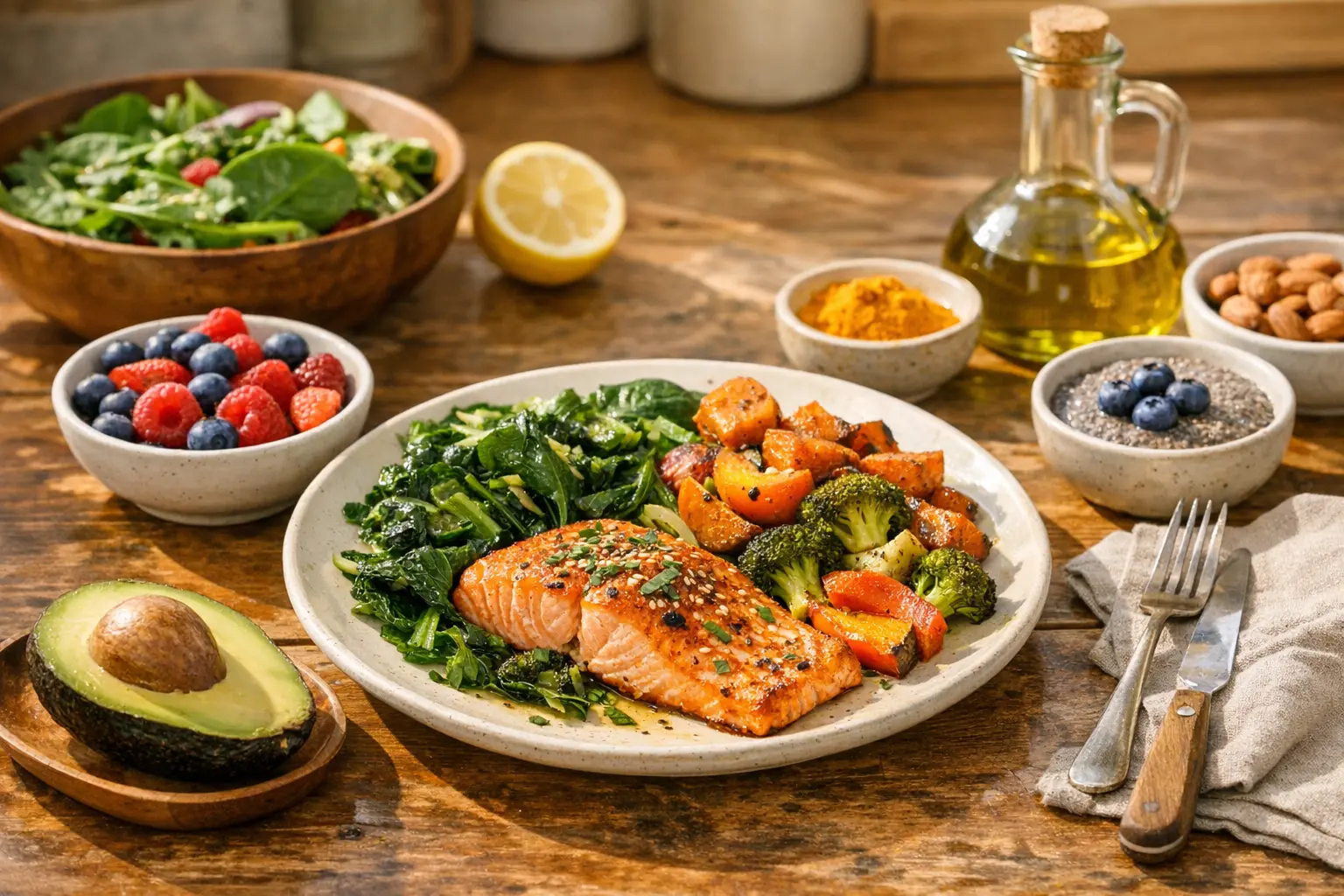
Olive oil, avocado, nuts, seeds, olives, salmon, and full-fat foods that agree with you can make lower-carb eating much easier to stick with.
This is where many people go wrong. They cut carbs, but they are also scared of any fat, so meals stay tiny and unsatisfying. Then the cravings hit at 8 p.m.
Smart carb choices in reasonable amounts
A low carb diet for fatty liver does not require a fear response every time you see a potato.
Many people can do well with berries, beans, lentils, Greek yogurt, oats, squash, sweet potatoes, or a smaller portion of rice if the rest of the meal is built well. The point is being intentional.
You may tolerate some carbs much better than others. That is one reason nutrition coaching can be so helpful. Generic food lists do not always tell you how your body responds.
Foods and habits that tend to keep fatty liver going
There is no single villain, but some patterns show up again and again.
Sugary drinks
Regular soda, sweet tea, juice, energy drinks, and coffee drinks with a dessert-level sugar load are rough on liver health. They are easy to overconsume and usually do not make you feel full.
Frequent refined carbs
Bagels, muffins, crackers, cereal, white bread, snack bars, and large pasta or takeout meals can keep blood sugar and insulin running high all day, especially when meals are low in protein.
Grazing all day
Even if each snack looks small, constant nibbling can mean your insulin never gets much of a break.
Weekend blowouts
A lot of adults eat fairly well Monday through Thursday, then spend Friday through Sunday drinking more, eating out more, and loading up on high-carb convenience foods. That pattern can absolutely slow progress.
Too much alcohol
Alcohol can make fatty liver worse, even when the original problem is mainly metabolic. If your liver markers are off, this is worth taking seriously.
What a day of lower-carb eating for fatty liver can look like
It does not need to be weird.
Breakfast could be eggs with sautéed vegetables and berries, or Greek yogurt with chia seeds, walnuts, and a small amount of fruit.
Lunch could be a large salad with chicken, olives, feta, and olive oil dressing, or a burger bowl with greens and roasted vegetables.
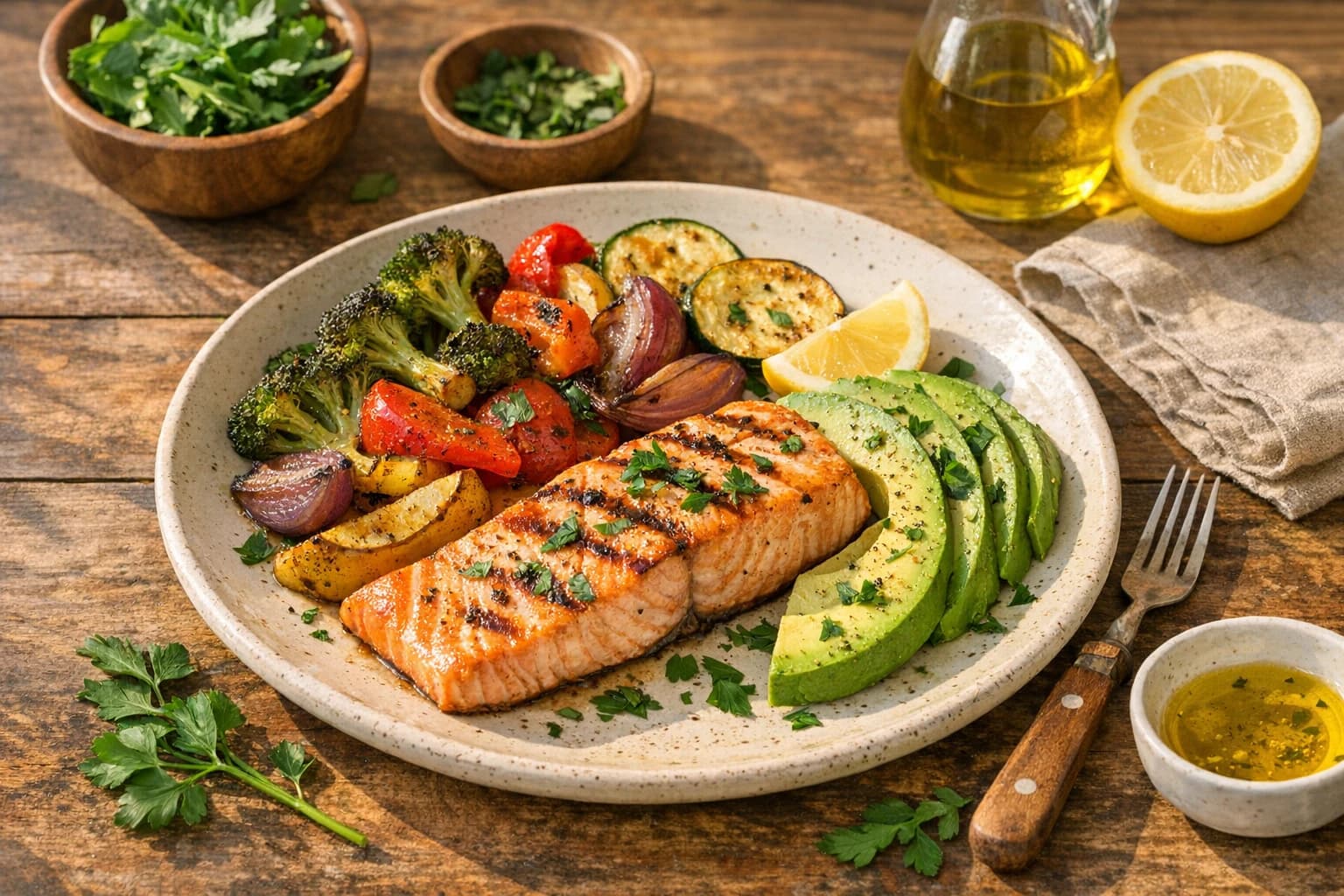
Dinner could be salmon, asparagus, and cauliflower mash, or taco meat over lettuce with salsa, avocado, and peppers.
Snacks, if you need them, might be beef sticks, cottage cheese, a protein shake, hard-boiled eggs, nuts, or vegetables with hummus.
That may sound simple, and that is part of why it works. The best low carb diet for fatty liver is usually the one that makes normal weekdays easier, not more complicated.
Do you have to avoid fruit, beans, or every carb forever?
No.
This is where people get pushed into all-or-nothing thinking.
Some adults do need a stricter phase at the beginning, especially if blood sugar is very unstable or cravings are intense. But for many people, the real win is learning which carbs work, how much works, and what happens when they eat those foods alone versus with protein and fiber.
If you have been stuck in that cycle of "eat clean all day, crash at night," the issue may not be willpower. It may be that your meals are not supporting steady energy.
That is also why articles like low carb meal plan for insulin resistance and meal timing for blood sugar control can make a real difference.
Weight loss helps, but it is not the whole story
Most conventional advice about fatty liver centers on losing weight, and yes, even modest weight loss can improve liver fat.
But focusing only on the scale can miss a lot.
Two people can lose the same amount of weight in very different ways. One improves protein intake, steadies blood sugar, builds muscle, and lowers triglycerides. The other under-eats, loses muscle, has wild cravings, and bounces right back. Those are not the same outcome.
A low carb diet for fatty liver works better when it is paired with habits that support metabolic repair, not just temporary weight loss.
That includes:
- regular walking
- strength training for insulin resistance
- sleep that is at least decent most nights
- enough protein
- fewer liquid calories
- realistic stress management
Exercise matters too, especially if insulin resistance is part of the picture
Food matters a lot, but your muscles are one of the best places to send glucose.
Walking after meals, strength training a few times per week, and basic daily movement can improve insulin sensitivity and help your body handle carbs better. You do not need a punishing routine.
For many adults, a great starting point is walk after meals for blood sugar plus two or three weekly strength sessions. That combination can do a lot for blood sugar, energy, and fatty liver risk.
When a low carb diet for fatty liver should be personalized
Some people need more than a general article.
If you have elevated liver enzymes, a history of binge eating, thyroid issues, diabetes, high blood pressure, digestive symptoms, or medication questions, a one-size-fits-all plan may not be enough. This is also true if you feel like you "eat pretty well" but your labs still look off.
That is where biomarker testing helps. Looking at fasting insulin, triglycerides, liver enzymes, glucose patterns, and other metabolic markers can show whether the problem is mostly insulin resistance, inflammation, recovery habits, or a combination.
FAQ about a low carb diet for fatty liver
Can a low carb diet for fatty liver really help?
For many people, yes. Lowering added sugar and refined carbs can reduce the insulin load that contributes to liver fat buildup. It often helps most when fatty liver is tied to insulin resistance, weight gain around the middle, or high triglycerides.
Is keto required for fatty liver?
No. Some people choose keto, but many improve with a moderate lower-carb approach that is easier to maintain. The best plan is the one that improves labs and symptoms without making your life miserable.
What should I stop eating first?
Sugary drinks, frequent desserts, and large portions of refined carbs are often the most helpful place to start. That usually gets you more traction than obsessing over tiny details.
Can I still eat carbs if I have fatty liver?
Usually yes. The question is which carbs, how much, and what your body does with them. Many people do fine with fruit, beans, or smaller portions of starch when meals are balanced.
How long does it take to see improvement?
It depends on the person, but some people notice steadier energy and fewer cravings within a couple of weeks. Lab and liver improvements usually take longer and are worth tracking over time.
The goal is a liver-friendly way of eating you can actually live with
You do not need to panic if you have been told you have fatty liver. But you also do not need to shrug it off.
A thoughtful low carb diet for fatty liver can be one of the most practical ways to support your liver, improve insulin resistance, and start feeling more stable day to day. It works best when the plan is realistic, protein-forward, and built around how your body responds, not around internet extremes.
If you want help figuring out what is driving your blood sugar, liver stress, cravings, or energy crashes, Duluth Metabolic can help. We use nutrition coaching, CGM monitoring, and biomarker testing to build a plan that fits real life.
Ready to talk through your next step? Reach out here: /contact