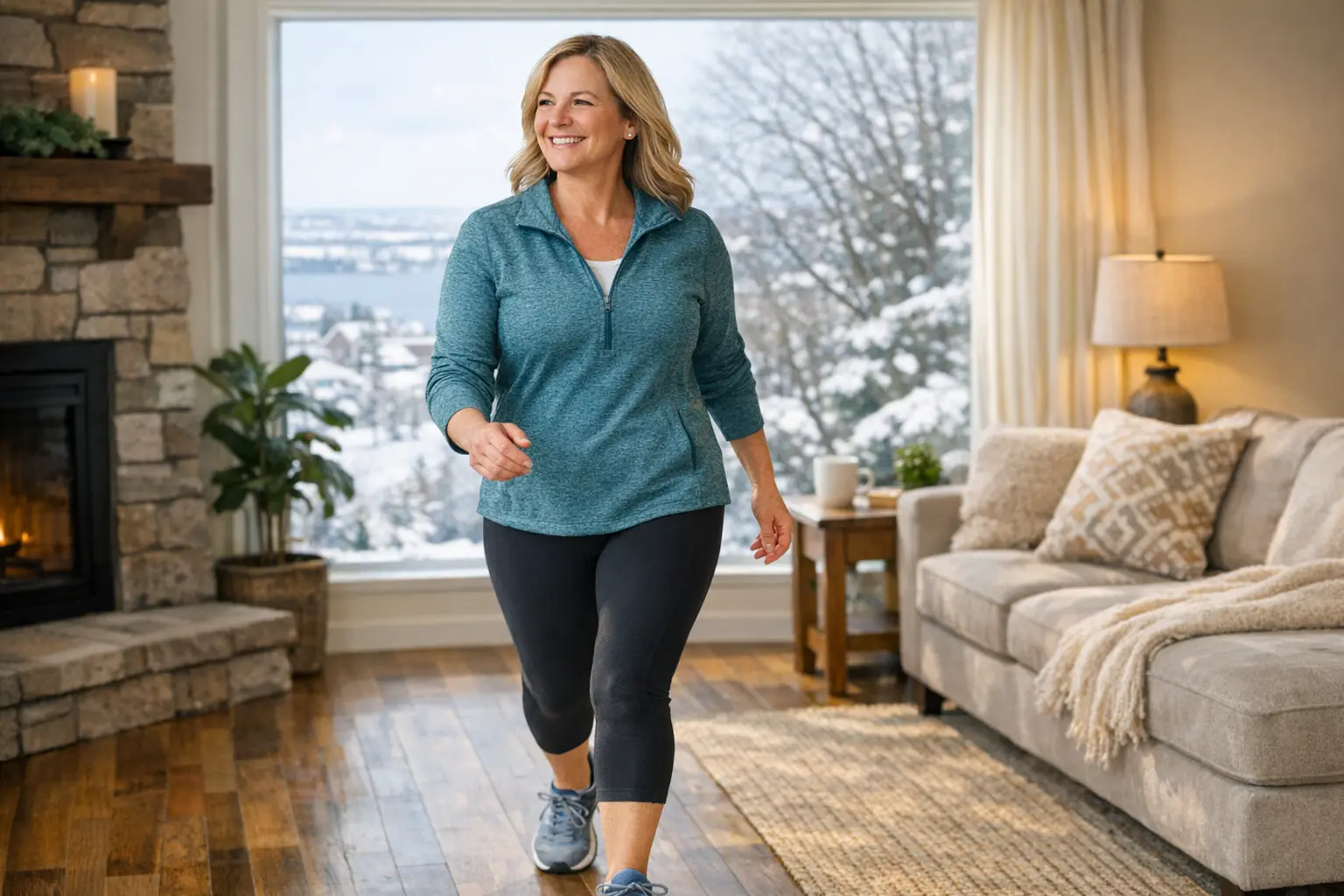
A good walking routine for beginners over 50 does not need to be intense to be effective. In fact, the biggest mistake most people make is trying to turn walking into a boot camp before their body is ready for that.
By the time many adults hit their fifties, they are carrying a lot more than extra years. They may be carrying old injuries, long workdays, stiffness, weight gain, lower energy, more stress, and a growing suspicion that their body no longer responds the way it used to. Then they decide it is time to “get in shape” and assume they need a harder plan than walking.
Usually, they need the opposite.
Walking is one of the best entry points back into movement. It supports cardiovascular health, blood sugar control, mood, joint health, recovery, and consistency. Most importantly, it is repeatable. That is what makes it powerful. If you want related support, start with spring walking plan in Duluth, MN, walk after meals for blood sugar, and functional fitness over 50 in Duluth MN.
Why a walking routine for beginners over 50 works so well
Walking meets people where they are.
You do not need perfect mobility, special skills, or a complicated setup. You can do it outside, inside, on a treadmill, in short chunks, after meals, with a friend, or on your own. It is one of the few forms of exercise that helps a wide range of health goals without demanding a huge recovery cost.
That matters more over 50 because recovery usually changes before motivation does. Many people can still push through a hard workout. They just feel wrecked longer afterward. Walking gives you a training effect without taking such a big bite out of your energy.
A steady walking habit can help with:
- better blood sugar handling after meals
- lower blood pressure over time
- improved stamina and mood
- less stiffness and more daily movement confidence
- support for weight management
- less deconditioning if you have felt sedentary for a while
It also builds a base for other things. People who walk regularly often find it easier to start strength training, mobility work, and short interval sessions later.
What competitor articles do well, and where they leave gaps
Top-ranking walking articles usually do a few things right. They keep the message approachable. They recommend starting with short walks several times per week. They gradually increase time before intensity. Verywell Health and Everyday Health both take this kind of steady progression approach. The Healthy leans into a simple multi-week plan for older adults.
That basic pattern works.
The gap is that many of these pages stay generic. They talk about walking mainly as a cardio habit. They say less about blood sugar, metabolic health, confidence, joint tolerance, and how to make walking fit a real adult life. They also rarely explain when walking alone is enough and when it should be paired with strength work.
That is where we can be more useful. A walking routine for beginners over 50 is not just a fitness plan. It is a way to rebuild trust with your body.
The real goal is not steps. It is consistency.
People love numbers because they feel concrete.
Ten thousand steps. Thirty minutes. Five days a week. Those can be useful targets, but they are not the first goal. The first goal is making walking normal again.
If walking currently feels like a big event, the plan is too aggressive.
A better beginner routine feels manageable enough that you do not need a pep talk every time. It leaves you slightly better, not wrecked. It lets you come back tomorrow.
That is what creates momentum.
A simple walking routine for beginners over 50
This plan works well for people who are deconditioned, coming back after a long break, or trying to build a base without aggravating joints.
Weeks 1 and 2: make it easy to succeed
Walk 10 to 15 minutes, 4 days per week.
Keep the pace comfortable. You should be able to talk in full sentences. If ten minutes is what you can do without dread, start there. If fifteen feels easy, great. The goal is to prove that walking is something your week can hold.
On non-walking days, just stay lightly active. Stretch a bit. Move around the house. Take the stairs once or twice. Nothing dramatic.
Weeks 3 and 4: add a little time
Walk 15 to 20 minutes, 4 to 5 days per week.
Now you are building routine. One of these walks can be a little more purposeful. Not a race. Just a slightly brisker pace for a few minutes at a time.
If you feel stiff when starting, a short warm-up helps. Try a few minutes of easy marching, ankle rolls, or the kind of prep described in mobility exercises over 40 in Duluth MN.
Weeks 5 and 6: build capacity
Walk 20 to 25 minutes, 5 days per week.
On one or two of those days, include simple brisk intervals. For example, walk easy for 3 minutes, then slightly faster for 1 minute, repeated 4 or 5 times.
This is enough to start nudging fitness without making walking feel punishing.
Weeks 7 and 8: make the habit feel established
Walk 25 to 30 minutes, 5 days per week.
At this point, most beginners feel more confident. Walking becomes part of the week instead of a special project. Keep most walks moderate. Let one or two have a little more pace, a hill, or a longer route if your joints tolerate it well.
That is a solid base. You do not have to keep increasing forever. A regular 25 to 30 minute walk done consistently is already meaningful exercise.
How hard should your walks be?
Most walks should feel sustainable.
A simple rule is the talk test. If you can speak in sentences but you know you are exercising, you are in a good zone for most sessions. If you are gasping, you are probably going too hard for a beginner plan.
This matters because going too hard too early is what makes people blame walking when the real issue is pacing.
Easy-to-moderate walking is especially useful for people dealing with high blood pressure, diabetes, low stamina, or joint concerns. It helps the body adapt without asking for more than it can recover from.
What if your knees, hips, or back act up?
That is common, and it does not mean walking is off the table.
Usually it means you need to adjust one or more of the following:
- duration
- pace
- footwear
- walking surface
- route hills
- recovery between sessions
Flat routes often work better at first than aggressive hills. Supportive shoes matter more than people want them to. Indoor walking can be easier than uneven sidewalks if balance or joint irritation is a concern. Shorter, more frequent walks often beat one long weekend march.
If pain is sharp, escalating, or changing your gait, get it checked. But do not assume discomfort means failure. Many adults simply need a smarter starting point.
If you need more guidance, exercise therapy can help you build around joint limitations instead of waiting until everything feels perfect.
Why walking after meals is especially useful over 50
One of the most effective versions of walking is the one that happens after you eat.
A short walk after lunch or dinner can help flatten blood sugar spikes, improve digestion, and reduce the heavy feeling that follows big meals. This is especially helpful if you have prediabetes, insulin resistance, or an afternoon slump that seems connected to food.
You do not need a big effort. Ten minutes counts. In some cases, it matters more metabolically than a longer walk done at a random time. Walk after meals for blood sugar goes deeper on this if you want the science behind it.
Walking is excellent, but do not forget strength
Walking is a great foundation. It is not a complete plan forever.
Over 50, it helps to think beyond calories and cardio. Muscle matters. Bone density matters. Balance matters. Joint resilience matters. Walking supports those things, but strength training improves them more directly.
That is why many adults do best when walking becomes the base layer and strength becomes the support layer. Even two short strength sessions per week can improve how walking feels. Better glute strength, better trunk stability, and better leg strength usually mean smoother, more confident movement.
If you are curious about that next step, strength training over 60 in Duluth MN, bodyweight workout for beginners over 40, and resistance band workout for beginners over 40 are good places to start.
How to stay consistent when motivation drops
Motivation is unreliable. Systems help more.
A few ways to make a walking routine for beginners over 50 more likely to stick:
Attach walking to something you already do
Walk after breakfast. After lunch. After dinner. After dropping the kids off. After your first cup of coffee. Routines are easier to keep when they ride on top of something already built into the day.
Make the walk embarrassingly easy to start
If you tell yourself you have to do thirty minutes, you may do nothing. If you tell yourself you only need ten minutes, you are far more likely to begin.
Keep a backup version
Bad weather, low energy, and busy days happen. Have an indoor option ready. Walk the hallway, use a treadmill, do laps at a store, or take three ten-minute chunks instead of one longer walk.
Track proof, not perfection
A calendar, note in your phone, or basic habit tracker is enough. Seeing the pattern helps you trust that you are actually building something.
FAQ about a walking routine for beginners over 50
Is walking enough exercise over 50?
Walking can absolutely be enough to start. It improves cardiovascular health, blood sugar, mood, and daily stamina. Over time, most people benefit from adding some strength work too.
How many days a week should I walk?
For beginners, four to five days per week is usually a strong target. Shorter, consistent walks often work better than one or two long sessions.
How long should each walk be?
Start with what feels doable, often 10 to 15 minutes. Then build toward 20 to 30 minutes as your tolerance improves.
What if I get tired very quickly?
That just means start smaller. You are not behind. A five or ten minute walk done regularly still counts and often leads to much better endurance over time.
Is walking good for blood sugar?
Yes. Walking, especially after meals, can help your body manage glucose more effectively. That is one reason it is so useful for metabolic health.
A walking routine for beginners over 50 should make life feel easier
That is the real standard.
A good walking routine should help you feel more capable in your own body. Easier stairs. Better energy. Less fear of movement. More confidence saying yes to daily life. That is a win, even before you talk about weight, pace, or step count.
If you are over 50 and trying to rebuild energy, fitness, and metabolic health without beating yourself up, walking is a smart place to begin. And if you want help figuring out the bigger picture around blood sugar, exercise planning, or why your energy feels lower than it should, contact Duluth Metabolic. We can help you build a plan that fits your body and your real life.