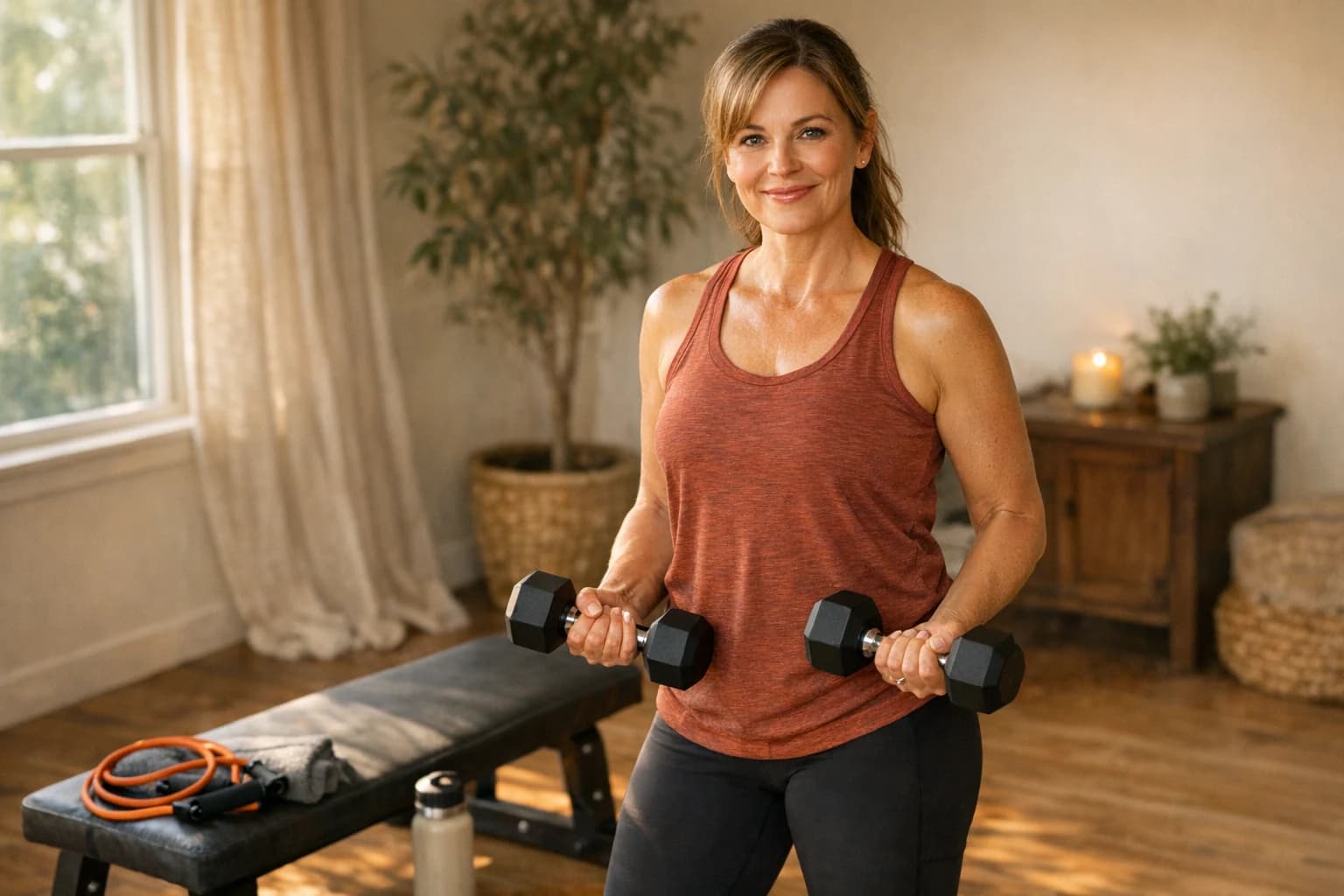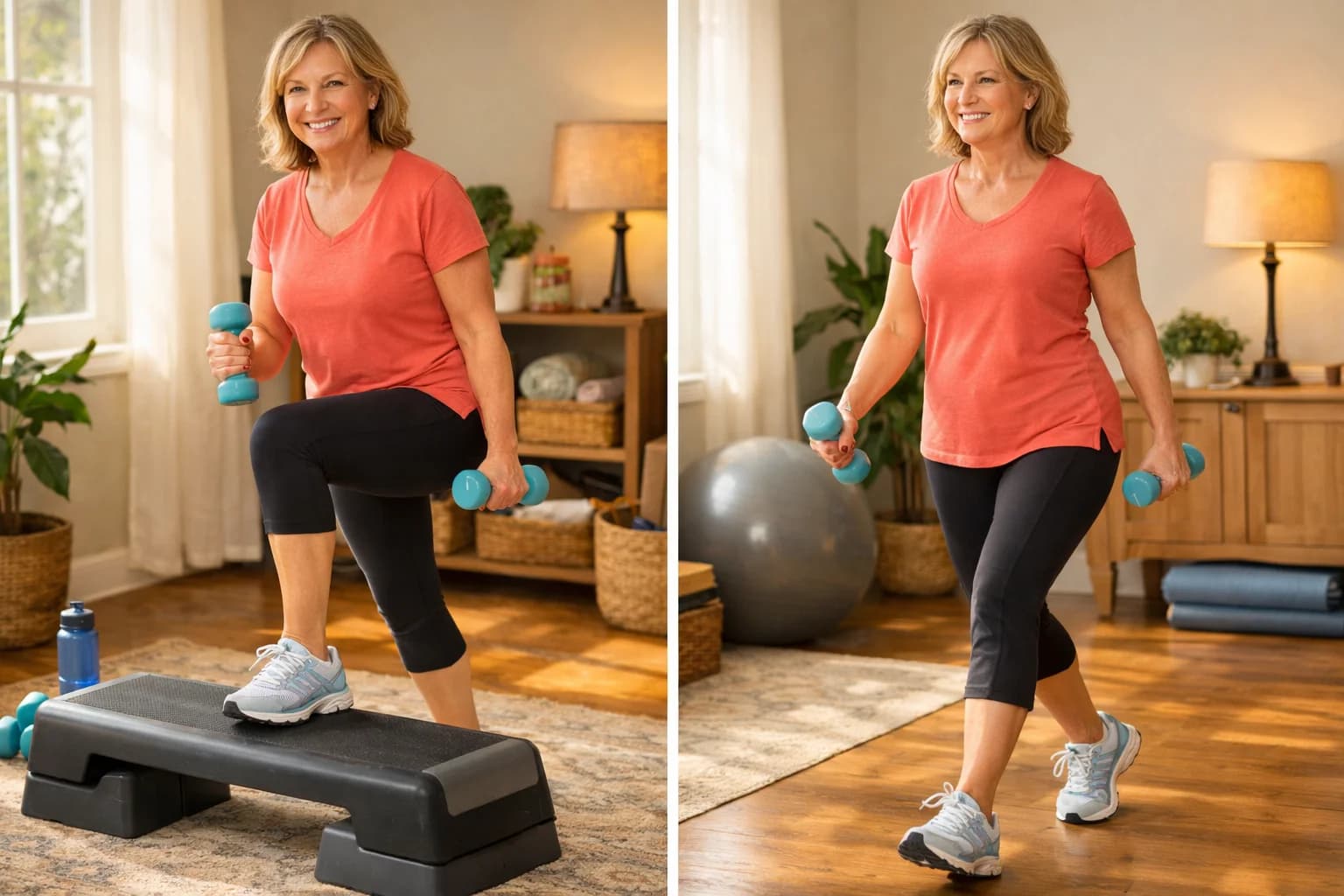
If you are looking for a workout plan for high blood pressure over 50, you probably do not need someone yelling at you to "just exercise more." You probably need a plan that feels safe, realistic, and worth sticking with.
A lot of adults over 50 know movement helps blood pressure. The hard part is knowing what kind of exercise to do, how hard to push, and how to start if you feel deconditioned, stiff, or a little nervous about overdoing it.
That hesitation makes sense. Many people with high blood pressure also deal with extra weight, joint pain, poor sleep, low energy, or years of stop-and-start exercise. A generic bootcamp plan is not the answer.
At Duluth Metabolic, we usually think about exercise as something you can build into real life, not something you survive for a month. If you want extra background, it helps to read strength training for high blood pressure, lowering blood pressure without medication, and exercise as medicine.
Why a workout plan for high blood pressure over 50 matters
High blood pressure is rarely just a number on a screen.
It often travels with other issues like poor recovery, insulin resistance, low fitness, higher stress, and loss of muscle over time. That means the best exercise plan is not only about burning calories. It is about improving how your body works.
A smart workout plan for high blood pressure over 50 can help by:
- improving blood vessel function
- supporting weight management
- reducing stress reactivity
- helping your body use glucose better
- rebuilding strength and confidence
- improving balance, mobility, and daily capacity
That is especially important for people managing high blood pressure, musculoskeletal weakness, or bone concerns tied to osteoporosis.
The safest plans are usually the most boring at first
That is not a bad thing.
When adults over 50 get hurt or quit, it is often because they start too hard. They jump into intervals, heavy lifting, or classes that leave them wiped out for three days. Then their body gives them a clear answer.
A better start is usually steady walking, simple strength training, manageable intensity, and enough recovery to keep coming back.
The goal is not to prove toughness. The goal is to create a repeatable week.
What a good workout plan for high blood pressure over 50 should include
Most people do well with four ingredients.
Walking or other moderate cardio
Walking is underrated. It is accessible, scalable, and one of the best places to start for heart health. Outdoor walks, treadmill walks, indoor tracks, bikes, or pool work can all count.
Strength training
Strength work matters because muscle helps with glucose control, joint support, metabolism, and healthy aging. It is not only for bodybuilders. It is one of the best long-term investments you can make in your blood pressure and your function.
Mobility and warm-up work
If you are stiff, you are less likely to want to exercise. A short warm-up improves confidence and makes the main session feel better.
Recovery days that are still active
Rest does not always mean doing nothing. Gentle walks, stretching, and easy movement often help people recover better than total inactivity.
A simple workout plan for high blood pressure over 50
This sample week works well for many beginners and returners. Adjust it based on your current fitness, medications, and medical guidance.
Monday: Walk and light mobility
- 20 to 30 minutes of brisk walking
- 5 to 10 minutes of easy mobility before or after
Think easy enough that you could still talk in full sentences.
Tuesday: Full-body strength session
Start with one to three sets of each movement:
- sit-to-stand or goblet squat to a box
- wall push-up or incline push-up
- band row or machine row
- step-up or supported split squat
- dumbbell carry or suitcase carry
- dead bug or gentle plank variation
Use a weight that feels moderate, not maximal. Stop well before straining or breath-holding.
Wednesday: Recovery walk
- 15 to 25 minutes easy to moderate walking
- optional stretching or breathing work
Thursday: Cardio intervals without the drama
Try 20 to 25 minutes total:
- 5-minute warm-up walk
- 1 minute a little faster
- 2 minutes easier
- repeat 5 to 6 rounds
- 5-minute cool-down
This should feel like purposeful work, not a redline effort.
Friday: Full-body strength session
Repeat Tuesday or swap in similar patterns:
- leg press, squat to box, or chair squat
- dumbbell floor press or chest press machine
- lat pulldown or supported row
- hip hinge or light Romanian deadlift
- farmer carry
- Pallof press or standing core drill
Saturday: Longer easy activity
- 30 to 45 minutes walking, biking, hiking, or pool work
Keep it comfortable enough that you finish feeling better, not wrecked.
Sunday: Rest or gentle movement
A short walk, easy stretch session, or full rest is fine.
How hard should the workouts feel?
This part matters more than people think.
If every workout leaves you dizzy, gasping, or pressure-headed, the plan is too aggressive. For most adults with high blood pressure, moderate intensity is the sweet spot. You should feel like you are working, but still in control.
That is one reason a talk test works so well. During cardio, you should still be able to speak in short sentences. During strength work, you should be able to breathe steadily and avoid grinding reps.
If you notice yourself holding your breath while lifting, lighten the load and slow down. Breath-holding can temporarily spike blood pressure, which is not what we want.
Strength training is often the missing piece
Many people think blood pressure exercise starts and ends with walking.
Walking is great, but strength training deserves more attention. It helps preserve muscle, supports bone health, improves insulin sensitivity, and can make daily life feel easier. Getting stronger also makes it more realistic to stay active outside the gym.
That is especially useful if stairs leave you winded, you feel less steady than you used to, or you are noticing the early signs of deconditioning. Our guides on strength training over 60 in Duluth MN, chair strength training over 50, and balance exercises for beginners over 50 can help you scale from wherever you are.
Common mistakes with a workout plan for high blood pressure over 50
A few patterns trip people up over and over.
Going too hard too soon
The first two weeks are not the time to prove you still have it. Build consistency first.
Skipping warm-ups
A short warm-up often improves how your joints feel and how your blood pressure responds to exercise.
Only doing cardio
Cardio helps, but a plan with no strength work leaves out a big part of long-term health.
Being sedentary outside workouts
Three workouts a week is helpful. Sitting the other 23 hours of the day still matters. Short walks after meals, standing breaks, and light activity can all add up.
Ignoring recovery
Poor sleep, dehydration, and chronic stress can all make workouts feel harder and blood pressure more stubborn. Articles like sleep and metabolic health and can stress raise blood sugar without diabetes help show how connected these systems are.
What if you also need to lose weight?
That is common, and it changes the mindset a little.
If weight management is part of the picture, the best workout plan is still not the most punishing one. Usually it is the one you can recover from while also improving food habits. Exercise supports blood pressure, but most people do even better when it is paired with nutrition coaching and simple meal structure.
If that sounds familiar, workout routine for busy adults over 50, walking and strength training plan for beginners over 40, and 20-minute workouts for busy adults over 40 are helpful follow-ups.
When to get more personalized support
Sometimes the issue is not lack of effort. It is lack of a plan that fits your body.
If your blood pressure stays elevated despite trying to exercise, or if you have dizziness, chest symptoms, severe deconditioning, or multiple overlapping issues, it may be worth taking a more structured approach. Exercise therapy, accountability coaching, and biomarker testing can help clarify what is getting in the way.
That is also true for people who feel exhausted after minor activity, have joint limitations, or have been told to exercise without ever being shown how.
FAQ about a workout plan for high blood pressure over 50
What is the best workout plan for high blood pressure over 50?
For many people, the best plan includes moderate walking, two strength sessions per week, short warm-ups, and recovery days with light movement. It should feel sustainable, not extreme.
Is strength training safe if I have high blood pressure?
Often yes, especially with proper breathing, moderate loads, and good form. Avoiding breath-holding and all-out straining is important.
How often should I exercise with high blood pressure?
Most adults do well with some form of movement most days of the week, plus two or more strength sessions. The exact dose depends on your starting point and medical context.
Can walking lower blood pressure?
It can help. Regular walking supports cardiovascular health, stress reduction, and overall activity levels. It works even better when paired with strength training and nutrition changes.
What exercises should I avoid?
Very heavy straining, intense breath-holding, and jumping into hard intervals too quickly can be unhelpful for many beginners. When in doubt, start easier and build.
If you want a plan that matches your age, current fitness, and health history, Duluth Metabolic can help you build one. If you are ready for support with blood pressure, movement, and metabolic health, contact us.