If you are wondering about strength training with arthritis over 50 in Duluth MN, there is a good chance you are stuck between two bad messages.
One message says to be careful forever and mostly avoid loading your joints. The other says to push through it, grit your teeth, and do whatever workout is trending online.
Neither one helps much.
Most adults with arthritis do not need to stop training. They need a smarter way to train. The right program can build muscle, improve balance, support painful joints, and make everyday life feel easier. That matters a lot after 50, when muscle loss, stiffness, lower confidence, and fear of reinjury can quietly shrink what feels possible.
At Duluth Metabolic, we think exercise should improve your life outside the gym. That means stairs, trails, sidewalks in winter, carrying laundry, getting off the floor, and having enough strength to keep doing normal life without paying for it for two days. If you want broader background, start with functional fitness over 50 in Duluth MN, strength training over 60 in Duluth MN, strength training with bad knees over 50, and exercise as medicine.
Is strength training with arthritis over 50 in Duluth MN actually safe?
In many cases, yes.
The bigger risk is often doing too little for too long.
When joints hurt, people naturally move less. But less movement usually leads to weaker muscles, stiffer joints, worse balance, and lower tolerance for daily life. Then simple tasks start feeling harder, which creates even more hesitation.
A thoughtful strength plan helps break that cycle.
Done well, strength training with arthritis over 50 in Duluth MN can:
- support the muscles around painful joints
- improve balance and stability
- reduce fear of movement
- make stairs, hills, and getting up from chairs easier
- support musculoskeletal weakness and osteoporosis
- improve energy, insulin sensitivity, and long-term weight management
The key is not ignoring pain. It is learning how to load the body in a way it can actually adapt to.
Why strength training helps arthritis instead of making it worse
A lot of people assume painful joints mean they should avoid resistance training. But weak muscles leave joints with less support.
Think about knees, hips, shoulders, and your low back. Those areas do not exist in isolation. They rely on surrounding muscles to help absorb force, guide motion, and keep you steady.
When those muscles get stronger, everyday movement usually feels more controlled. That does not mean arthritis disappears. It means the body often handles life better.
This also matters in Duluth, where uneven trails, icy parking lots, steep hills, and winter stiffness are part of normal life. Joint-friendly strength work is not just about workouts. It is about staying capable in this environment.
The biggest mistakes people make with strength training and arthritis
They wait for pain to disappear before starting
If you only begin once you feel perfect, you may wait a very long time. Most people do better when they start small and work within a tolerable range.
They choose random exercises instead of movement patterns
You do not need twenty fancy drills. You need a plan that covers pushing, pulling, squatting, hinging, carrying, and core stability in a way your body can tolerate.
They do too much on good days
This is a huge one. Many adults with joint pain feel decent, get motivated, then try to make up for lost time. Two days later, everything flares up and they decide exercise is the problem.
Usually the problem was dosing.
They never build enough strength to make a difference
Going through tiny motions forever is not the same as progressive training. Your joints need respect, but your body still needs challenge if you want it to change.
What smart strength training with arthritis over 50 in Duluth MN looks like
A good plan is usually built around a few ideas.
Start with tolerable ranges of motion
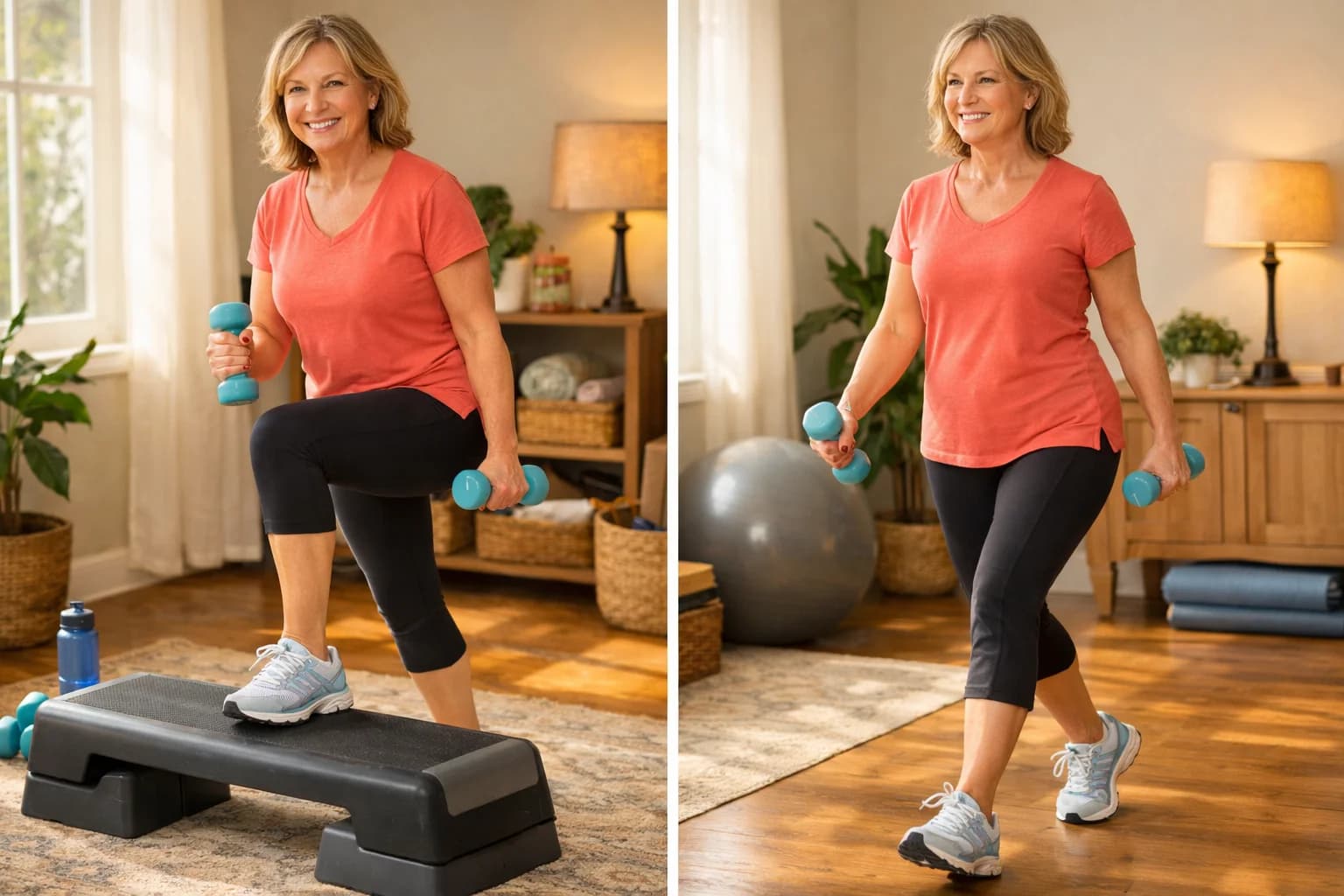
You do not need to force deep squats, painful overhead pressing, or awkward floor work right away. Box squats, step-ups, supported rows, elevated push movements, band work, and loaded carries are often better starting points.
Focus on consistency over intensity
Two or three good sessions each week usually beats one punishing workout followed by four days of regret. This is especially true if you are also trying to improve blood pressure, energy, body composition, or confidence.
Use pain as information, not as a dare
Some mild discomfort does not always mean damage. Sharp pain, joint swelling that keeps escalating, or pain that changes your mechanics significantly is a different story. The goal is to work in a range your body can recover from.
Train the whole body
Even if your arthritis is mainly in one area, you still need a full-body approach. Strong glutes help knees. Strong upper back muscles help shoulders. A stronger trunk helps almost everything.
That is one reason our exercise content often overlaps. Articles like beginner strength training over 50 in Duluth MN, chair strength training over 50, mobility exercises over 40 in Duluth MN, and walking routine for beginners over 50 work well together.
A joint-friendly sample structure
If you are new to this, a simple session might look like this:
- 5 to 10 minutes of easy warm-up walking or cycling
- gentle mobility for the joints that usually feel stiff
- a squat variation like box squats or sit-to-stands
- a hinge variation like a kettlebell deadlift from blocks or a hip hinge drill
- an upper-body push like an incline push-up or light dumbbell press
- an upper-body pull like a band row or cable row
- core or carry work for balance and trunk strength
- a short cool-down walk
That may not look exciting online, but it works in real life.
How hard should you train if you have arthritis?
A useful rule is to finish feeling like you did real work, but not like you got run over.
Most adults with arthritis do well starting with one or two sets of each movement, moderate effort, and a focus on clean reps. If you can recover well and your symptoms stay manageable, you can gradually add load, reps, or an extra set.
That gradual progression matters. It is how you get stronger without constantly stirring up a flare.
Recovery matters more than people think
If you are over 50 and dealing with arthritis, training is only part of the picture. Recovery habits often decide whether the plan works.
That includes:
- enough protein to support muscle repair
- sleep that is at least decent most nights
- regular walking or light movement between workouts
- not sitting for huge stretches of the day
- managing inflammation through food and stress habits
This is where nutrition coaching, exercise therapy, and accountability coaching can help connect the dots. If inflammation, fatigue, or poor recovery are a big part of your story, anti-inflammatory foods for joint pain, building bone density after 50, and recovery guide Duluth are worth reading too.
What if your joints hurt more after a workout?
Some soreness is normal, especially if you are new. A pain flare that lasts briefly and settles down is different from a session that obviously overloaded you.
It can help to ask:
- Did I change too many things at once?
- Was the range of motion too aggressive?
- Did I move too fast?
- Was my recovery poor this week?
- Do I need a simpler version of the exercise?
Sometimes the solution is not to stop. It is to adjust.
FAQ
Can strength training make arthritis worse?
Badly chosen exercises, poor progressions, or too much volume can flare symptoms. But well-structured strength training often helps rather than hurts because stronger muscles support the joints better.
What is the best exercise for arthritis over 50?
There is no single best exercise. Most people do well with a mix of walking, mobility work, and strength training built around simple movement patterns they can tolerate.
Should I lift weights if I have knee arthritis?
Often yes, with the right exercise selection and range of motion. Many people do well with box squats, step-ups, deadlift variations, and glute work instead of forcing painful positions.
How many days a week should I strength train with arthritis?
Two to three days per week is a strong starting point for many adults over 50. The right amount depends on your joint tolerance, recovery, and current fitness level.
What if I am scared to start?
That is common. A lot of adults have been hurt, flared up, or made to feel like movement is risky. Starting with a low-pressure, guided plan is usually the best way to rebuild trust in your body.
You do not need to choose between pain and weakness
If arthritis has made you smaller, slower, or more cautious than you want to be, you are not stuck there. The right strength plan can help you feel steadier, stronger, and more confident in your actual life.
If you want help building a realistic exercise plan that respects your joints and still moves you forward, contact Duluth Metabolic. We can help you connect strength training, recovery, nutrition, and metabolic health into one plan that makes sense.