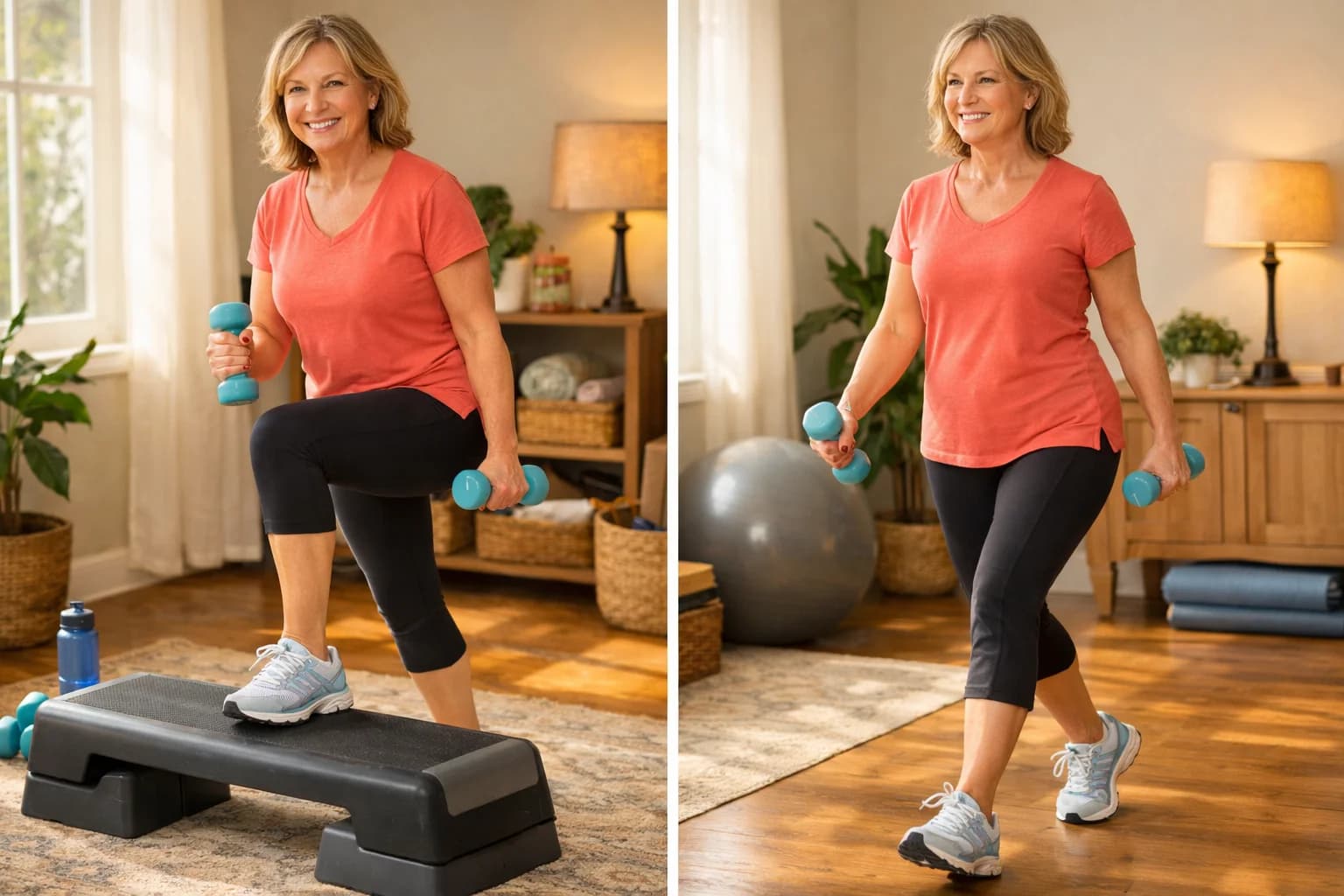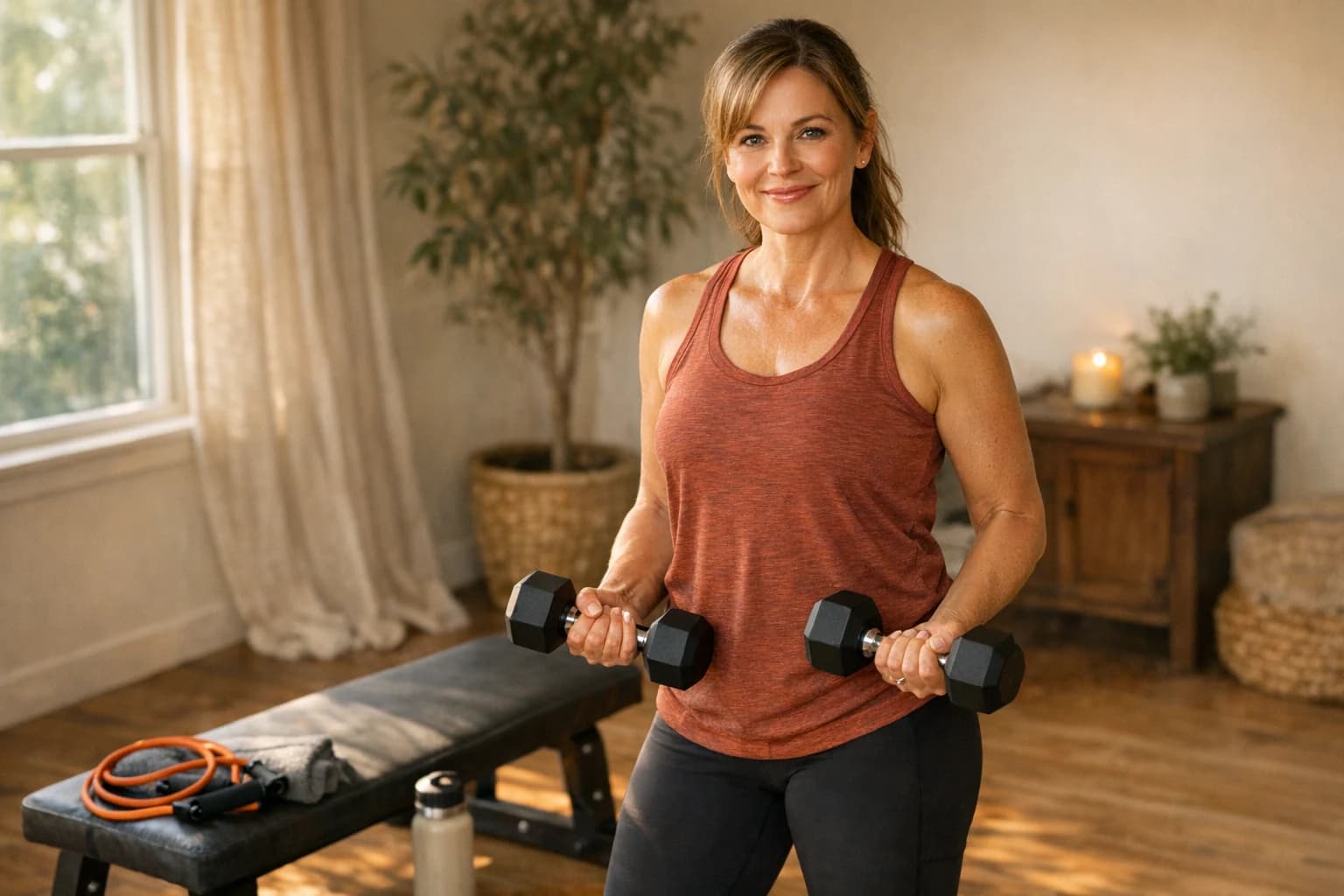
If you are looking for a full body strength workout for beginners over 40, there is a good chance you are not trying to become a gym rat overnight. You probably want a plan that feels manageable, helps you get stronger, and does not light up every joint in your body for the next four days.
That is a smart goal.
A lot of people over 40 have been taught to think exercise has to be intense to count. Then they jump into a workout built for someone younger, deconditioned in a different way, or willing to be miserable for six weeks. It goes badly. They end up sore, discouraged, and convinced strength training just is not for them.
At Duluth Metabolic, we take the opposite view. A beginner plan should leave you feeling worked, not wrecked. It should build confidence, support your metabolism, and fit into a normal adult schedule. If you want more context first, our guides on strength training for women over 40 in Duluth MN, strength training for men over 40 in Duluth MN, and functional training for beginners over 40 are good companion reads.
Why full-body training works so well after 40
For beginners, full-body strength training solves a bunch of common problems at once.
You do not need five gym days. You do not need a body-part split. You do not need to know what “push day” means.
A full-body plan lets you train the major movement patterns in one session, then recover. That usually works better for busy adults because it is simpler to remember and easier to stay consistent with.
It also supports things people actually care about:
- getting stronger for daily life
- improving posture and balance
- building or preserving muscle
- helping with weight management
- supporting bone health and osteoporosis prevention
- improving insulin sensitivity and blood pressure over time
That is why strength work matters beyond appearance. It changes how capable you feel.
What a beginner full body strength workout should include
A good full body strength workout for beginners over 40 does not need fancy exercises.
It should cover the basics:
A squat pattern
This trains your legs and helps with sitting down, standing up, stairs, and general lower-body strength.
A hinge pattern
This teaches you to load your hips and glutes instead of asking your back to do all the work.
A push movement
Think push-ups, incline push-ups, or a dumbbell press. You want upper-body pushing strength that actually carries over into daily life.
A pull movement
Rows, band pulls, and assisted pulling patterns help posture, upper-back strength, and shoulder health.
Core stability
Not endless crunches. More bracing, carries, dead bugs, and anti-rotation work so your trunk can support everything else.
Those basics are enough to build a strong foundation.
The biggest mistake beginners over 40 make
They start too hard.
Some people do it because they are motivated. Some do it because they feel behind and want to make up for lost time. Either way, it usually backfires.
When you are getting started, consistency matters more than intensity. Two or three steady sessions each week will beat a heroic plan you quit after ten days.
If you have been mostly sedentary, dealing with pain, or coming back after a long layoff, start with the version you can own. There is no prize for picking the hardest variation first.
A full body strength workout for beginners over 40 that actually works
This workout is simple on purpose. You can do it at home or in a gym with a pair of dumbbells, a resistance band, and a bench or sturdy chair.
Aim for two or three sessions each week with at least one recovery day between them.
Warm up for 5 to 7 minutes
Start with:
- 2 minutes of brisk walking or marching in place
- 8 sit-to-stands from a chair
- 8 hip hinges
- 8 wall push-ups
- 10 band pull-aparts or arm circles
- 20 to 30 seconds of easy marching with arm swing
The goal is to get your joints moving and your breathing slightly up, not to exhaust yourself.
Main workout
1. Goblet squat or chair squat
Do 2 to 3 sets of 6 to 10 reps.
Use a chair if you need a clear depth target. Hold a dumbbell at your chest if bodyweight feels easy. Move with control.
2. Dumbbell or band row
Do 2 to 3 sets of 8 to 12 reps.
Pull with your elbow, pause briefly, and avoid shrugging your shoulders toward your ears.
3. Incline push-up or dumbbell floor press
Do 2 to 3 sets of 6 to 10 reps.
An incline push-up against a bench, counter, or wall is a great place to start. If that feels awkward, a floor press with light dumbbells works well too.
4. Romanian deadlift with dumbbells or a backpack
Do 2 to 3 sets of 8 to 10 reps.
This teaches the hinge. Keep the weight close to your body and think about sending your hips back instead of rounding forward.
5. Split squat or step-up
Do 2 sets of 6 to 8 reps per side.
Use support if balance is a challenge. This builds single-leg strength, which matters a lot for long-term function.
6. Dead bug or farmer carry
Do 2 sets.
For dead bugs, do 6 to 8 controlled reps per side. For farmer carries, walk 20 to 40 seconds holding dumbbells or another safe load.
Rest and pace
Rest about 60 to 90 seconds between sets. Longer if your breathing needs it.
You should finish feeling like you could have done a little more. That is a good sign, especially in the beginning.
How to progress this workout without blowing yourself up
Progress does not need to be dramatic.
Start by repeating the same workout for a few weeks. When it feels smoother, pick one small change:
- add 1 or 2 reps per set
- add a little weight
- add one extra set to one or two exercises
- slow the lowering part of the movement
- improve range of motion with control
That is enough. You do not need random new exercises every session.
This is one place where a lot of top-ranking workout articles miss the mark. They give you huge exercise lists or aggressive plans, but not much help with how to build momentum when you are newer, stiffer, or short on time.
What if your knees, back, or shoulders are cranky
That does not automatically mean you should avoid strength training.
It usually means you need better exercise selection, a manageable starting point, and some coaching around technique.
For sore knees, chair squats, box squats, step-ups, and careful split squats may work better than deep lunges right away. For an irritated back, learning to hinge well and keeping loads modest is often more useful than avoiding movement altogether. For shoulders, incline pressing and rows may feel better than overhead work in the beginning.
This is where exercise therapy can help a lot. Many adults do not need more motivation. They need a plan that matches the body they have right now.
If knee issues are part of the picture, our article on strength training with bad knees over 50 is a helpful next read.
Why strength training matters for metabolic health
This is bigger than muscle.
Muscle is one of the best places your body can store and use glucose. That means strength training can help improve insulin sensitivity, support steadier blood sugar, and make it easier to stay metabolically healthy over time.
It can also help with resting energy expenditure, posture, balance, and the feeling of physical resilience that a lot of adults start to lose in their 40s and 50s.
That is why we talk about exercise as treatment, not punishment. Strength training can support high blood pressure, musculoskeletal weakness, and fatigue in ways people often notice outside the gym first. Groceries feel easier. Stairs feel easier. You recover from a long day better.
How often should beginners over 40 strength train?
For most beginners, two or three full-body sessions each week is plenty.
That gives you enough frequency to improve without overwhelming recovery. On off days, walking, mobility work, light cycling, or an easy hike can fit well. Our guides on zone 2 training for beginners over 40 and 10-minute morning mobility routine over 40 pair nicely with this style of training.
You do not need an extreme program. You need a repeatable one.
FAQ about a full body strength workout for beginners over 40
Is two days a week enough to get stronger?
Yes. Two focused full-body workouts each week can make a real difference, especially if you are currently doing little or no strength training.
Should beginners over 40 lift heavy?
Heavy is relative. Start with weights or variations you can control well. Over time, gradual overload matters more than chasing impressive numbers.
What if I am very out of shape?
That is exactly why you start simple. Chair squats, wall push-ups, rows, and carries can be enough to build a foundation. The program should meet you where you are.
Is strength training safe if I have osteopenia or joint pain?
Often yes, but the plan should match your history and tolerance. Good coaching and appropriate exercise selection matter. If you are unsure, start conservatively and get guidance.
Strength training should make daily life feel easier
That is the win most people actually care about.
The best full body strength workout for beginners over 40 is not the flashiest one online. It is the one that helps you build strength, confidence, and momentum without making recovery miserable.
If you want help building a plan that fits your body, your schedule, and your health goals, Duluth Metabolic can help. We work with adults who want exercise to feel doable again, especially when pain, fatigue, blood sugar issues, or past stop-and-start routines have gotten in the way. If you are ready for a practical plan, contact us and we can help you take the next step.