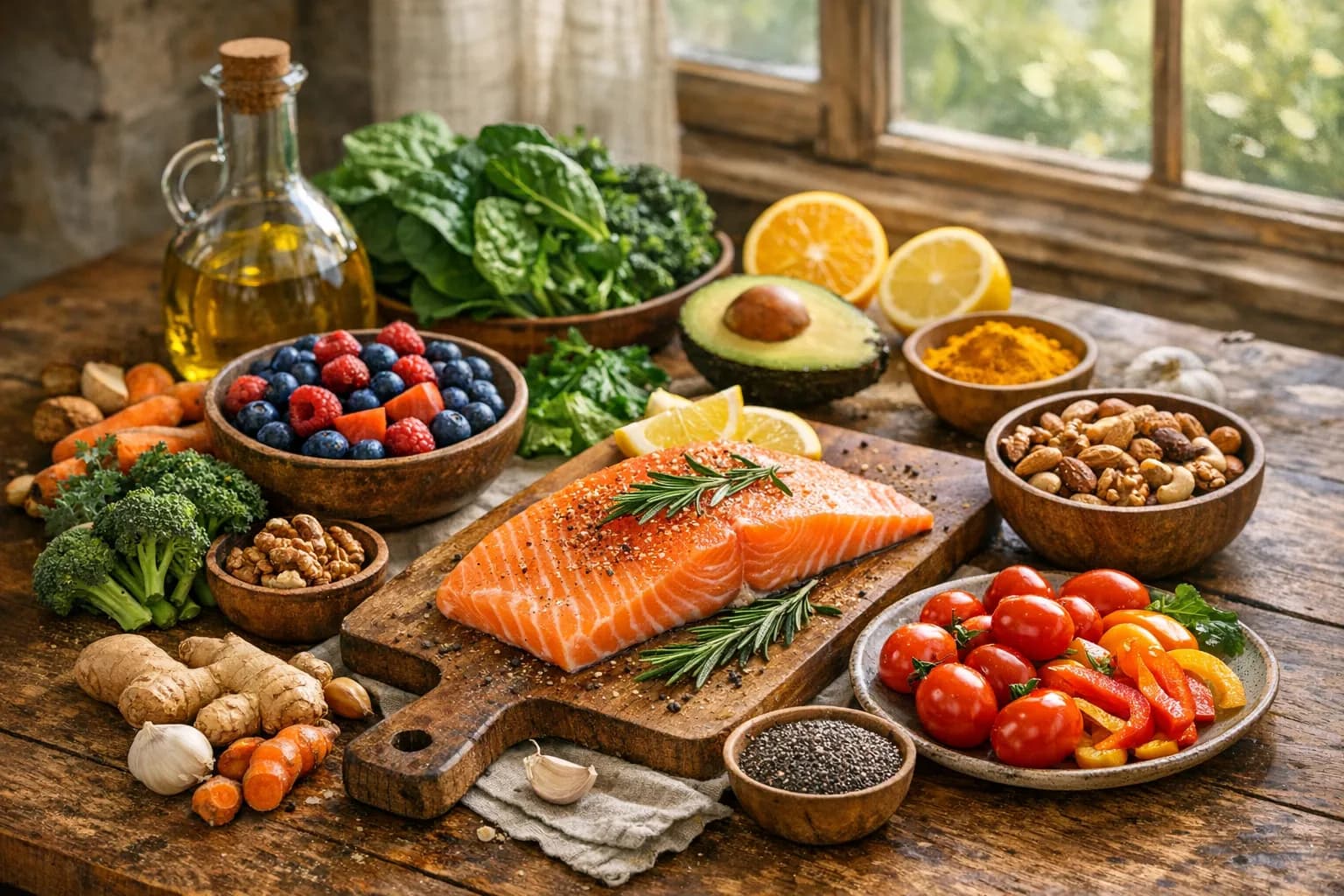
Anti-Inflammatory Foods for Tendonitis
If you are looking for anti-inflammatory foods for tendonitis, you are probably tired of that same stubborn pain showing up every time you try to work out, garden, golf, hike, lift, or even just keep up with normal life.
Tendon pain can be incredibly annoying because it tends to linger. It flares, settles, then comes right back when you think you are finally getting ahead of it. Food alone will not cure tendonitis, but it can absolutely support healing, lower the overall inflammatory load on your body, and make it easier to recover when paired with the right movement plan.
At Duluth Metabolic, we think tendon recovery works best when you look at the whole system. That includes tissue loading, sleep, blood sugar, protein intake, and the quality of your daily food. If tendon pain keeps interrupting exercise, it can also feed into bigger issues like musculoskeletal weakness, lower activity tolerance, and stalled progress with exercise therapy.
Why food matters when tendons are irritated
Tendons do not have the same blood supply as muscle.
That is one reason they often heal more slowly.
When a tendon is irritated from overuse, poor recovery, sudden training spikes, or long-standing tissue degeneration, your body needs raw materials and a lower-inflammatory environment to repair well. If your daily routine is heavy on ultra-processed food, high sugar intake, low protein, poor hydration, and inconsistent meals, recovery usually gets harder.
The goal with anti-inflammatory foods for tendonitis is not perfection. It is giving your body more of what helps and less of what keeps poking the fire.
Anti-inflammatory foods for tendonitis start with protein
This is the first place we would look for many adults.
Tendons are connective tissue, and healing connective tissue requires enough amino acids. If your protein intake is low, your body has less material to work with.
Good protein options include:
- eggs
- Greek yogurt or cottage cheese if tolerated
- chicken or turkey
- salmon, sardines, or tuna
- lean beef in reasonable portions
- tofu, tempeh, and edamame
- beans and lentils alongside other protein sources
This is especially important for adults over 40, who are already more likely to be under-eating protein. If that sounds familiar, protein requirements over 40, high-protein meal prep over 40, and post-workout meals for women over 40 can help.
Omega-3 foods can help calm the inflammatory load
When we talk about anti-inflammatory foods for tendonitis, omega-3 rich foods deserve a top spot.
They help support a healthier inflammatory response and can be useful for people dealing with tendon pain plus general stiffness or joint irritation.
Good options include:
- salmon
- sardines
- trout
- chia seeds
- flaxseeds
- walnuts
For people in Duluth who do not eat much fish, this is often an easy gap to spot. Even adding two fish meals per week can be a meaningful shift.
Vitamin C matters more than people think
Vitamin C helps support collagen production, and collagen is a major part of tendon tissue.
That does not mean you need an expensive powder before every walk. It does mean your body needs consistent access to foods like:
- berries
- citrus
- kiwi
- bell peppers
- broccoli
- Brussels sprouts
- tomatoes
A simple habit like adding berries to breakfast or peppers to lunch can do more good than another random supplement bottle.
Colorful produce helps with oxidative stress too
Inflamed or overworked tissues are dealing with oxidative stress, not just pain.
That is where colorful plant foods earn their keep. Foods rich in antioxidants can help support recovery and overall metabolic health.
Think:
- blueberries, raspberries, and cherries
- leafy greens
- beets
- red cabbage
- carrots
- herbs like parsley and cilantro
If you want a broader anti-inflammatory eating framework, anti-inflammatory diet in Duluth, MN, anti-inflammatory foods for joint pain, and budget anti-inflammatory meals are all useful next reads.
Spices and extras that can support tendon recovery
You do not have to eat bland food to eat for healing.
Spices and simple add-ons can help too.
Helpful choices include:
- turmeric
- ginger
- garlic
- cinnamon
- extra-virgin olive oil
- green tea
These are not magic ingredients, but they are easy ways to make your overall pattern more supportive.
The foods that often make tendon pain harder to calm down
There is no one tendonitis food blacklist that applies to everyone.
Still, some patterns show up again and again when recovery drags:
Too much added sugar
High-sugar eating can worsen blood sugar swings and increase inflammation. That matters because unstable glucose often goes hand in hand with worse recovery and more energy crashes.
Ultra-processed meals crowding out real food
You do not need to eat perfectly clean. But if packaged snack foods, drive-thru meals, and sugary drinks make up most of the week, your body is not getting much repair support.
Too little total food after activity
Some adults try to lose weight while staying active and end up under-fueling. That can slow healing too.
Too much alcohol
Alcohol can worsen sleep, hydration, and recovery, all of which matter when tendon pain is hanging around.
Anti-inflammatory foods for tendonitis work best when blood sugar is steadier
This part gets overlooked.
When your blood sugar is bouncing all day, you may feel more inflamed, more hungry, and less recovered. That matters for tendon pain because healing does not happen in a vacuum.
A steadier pattern usually looks like:
- protein at meals
- fiber-rich vegetables and fruit
- smarter carb portions
- fewer liquid calories
- fewer all-day snack spirals
If you want help there, anti-inflammatory foods for blood sugar control, meal prep for blood sugar control, and best fruits for blood sugar control are good places to start.
Do collagen supplements help?
Maybe, but context matters.
Some people do use collagen or gelatin as part of a tendon-support plan, especially alongside rehab loading. But it makes less sense to obsess over a supplement if the basics are missing.
Before worrying about specialty powders, ask:
- Am I eating enough protein overall?
- Am I getting vitamin C from food?
- Am I sleeping enough?
- Am I doing the right rehab instead of random painful workouts?
- Am I staying consistent long enough to see a change?
That checklist moves the needle more often than hype does.
What a tendon-friendly day of eating can look like
This does not need to be fancy.
A simple day might look like:
- breakfast with eggs or Greek yogurt, berries, and chia
- lunch with salmon or chicken, greens, olive oil, and a smart carb like potatoes or quinoa
- a snack with fruit and nuts or cottage cheese
- dinner with protein, roasted vegetables, beans or potatoes, and herbs or spices
- water through the day, plus less alcohol and fewer sugary drinks
That kind of pattern supports healing without feeling like a punishment diet.
Recovery is not just food
This is worth saying clearly.
Food matters, but tendons usually need the right loading too. Long rest with no plan can leave tissues weaker. Random hard workouts can keep re-irritating the area. Usually the sweet spot is gradual, guided strengthening.
That is where strength training with joint pain for beginners over 40, workout recovery over 40, and thermoregulation can fit into a bigger plan.
FAQ about anti-inflammatory foods for tendonitis
Can food alone heal tendonitis?
Usually no. Food supports healing, but most tendon problems also need smart activity modification and progressive strengthening.
What are the best anti-inflammatory foods for tendonitis?
Protein-rich foods, omega-3 rich fish, berries, leafy greens, colorful vegetables, olive oil, nuts, seeds, and vitamin C rich produce are all helpful places to start.
Should I avoid all carbs if I have tendon pain?
No. The goal is not zero carbs. The goal is steadier blood sugar and better food quality. Fruit, beans, potatoes, and higher-fiber carb choices can fit very well.
Is tendonitis different from tendon degeneration?
Yes. A lot of people use the word tendonitis for any tendon pain, but some chronic cases involve degeneration and poor tissue quality rather than simple short-term inflammation.
What if my tendon pain keeps coming back?
That usually means it is time to look deeper at training load, strength deficits, movement patterns, recovery, and daily habits instead of just waiting it out again.
Small food shifts can make rehab easier
When tendon pain is hanging around, most people want one fast fix.
Usually the better answer is stacking small wins.
More protein. Better recovery meals. More omega-3 foods. Less sugar chaos. Better hydration. A smarter loading plan. That is how the body gets a better chance to calm things down and rebuild.
If you want help building a realistic plan around anti-inflammatory foods for tendonitis, recovery, and movement that fits your actual life, Duluth Metabolic can help. Reach out through /contact.