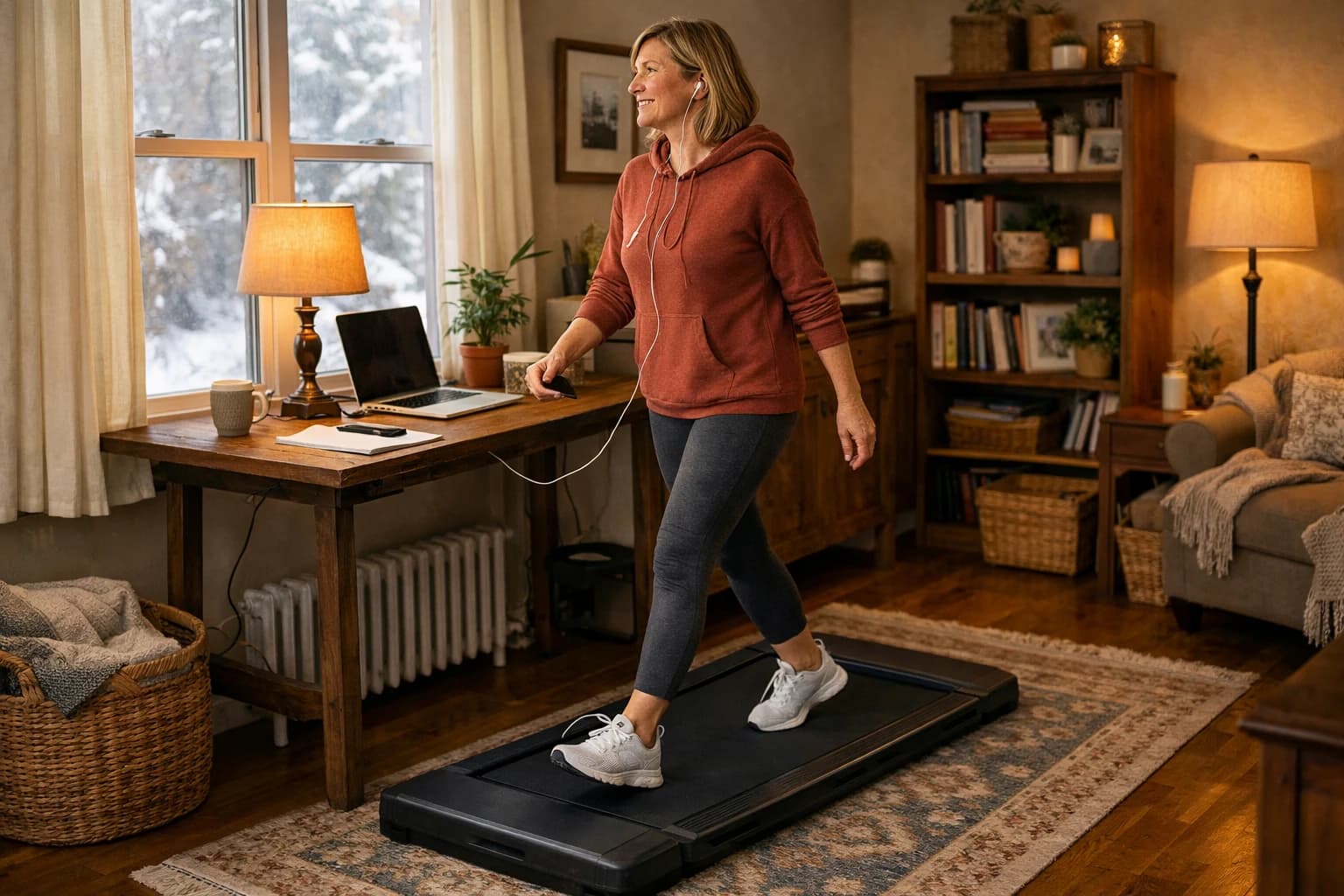
If you keep hearing about zone 2 training for beginners over 40 and secretly suspect it is just another fitness trend, that reaction makes sense. A lot of exercise advice online sounds either too extreme or too vague. One side tells you to destroy yourself with intervals. The other side tells you to just move more without explaining what that means.
Zone 2 sits in a much more useful middle ground.
It is steady, conversational cardio that helps build endurance, support blood sugar, improve recovery, and make everyday life feel easier. For a lot of adults over 40, it is also the first kind of cardio that feels sustainable enough to keep doing. If high-intensity workouts leave you wrecked, if your joints are cranky, or if you are trying to improve health without living in the gym, this is worth understanding.
At Duluth Metabolic, we care about this because exercise should help your metabolism, not constantly drain it. If you want the bigger picture, start with exercise as medicine, 20-minute workouts for busy adults over 40, and functional training for beginners over 40.
What zone 2 training actually means
Zone 2 training is moderate-intensity aerobic exercise.
In plain English, it is the pace where you are clearly working, but you can still talk in full sentences. You are not out for a lazy stroll, but you are also not gasping and staring at the clock.
This matters because your body responds differently at different effort levels. Zone 2 is often described as the range where you can improve aerobic fitness and fat oxidation without burying yourself in fatigue.
Common ways to do it include:
- brisk walking
- incline treadmill walking
- cycling
- rowing
- easy jogging
- hiking at a sustainable pace
For a lot of people in Duluth, it can also look like purposeful walks on hilly routes, indoor walking during winter, easy bike sessions, or steady efforts on a rower when the weather is ugly. If winter has been a barrier for you, indoor walking in Duluth and spring walking plan in Duluth, MN are useful companion reads.
Why zone 2 training matters more after 40
After 40, recovery tends to matter more. Sleep matters more. Joint irritation matters more. Muscle loss becomes a bigger deal. Blood sugar control can get less forgiving. A workout that was easy to bounce back from at 25 may not feel so easy now.
That does not mean you are old and broken. It means the right training dose matters.
Zone 2 helps because it gives you a way to build cardiovascular fitness without turning every session into a stress event. For many adults over 40, that leads to better consistency, and consistency is what actually changes health.
Potential benefits include:
- improved aerobic base
- better recovery between harder efforts
- better insulin sensitivity
- lower stress around exercise
- more total weekly movement
- easier weight management support
- better stamina for hiking, travel, yard work, and daily life
If energy has been a struggle, this is one reason lower-intensity cardio can surprise people. It can support mitochondria, circulation, and work capacity without the wiped-out feeling that makes you skip the next workout. That is especially relevant if you are dealing with chronic fatigue, high blood pressure, or weight management challenges.
The big mistake people make with cardio over 40
Most people accidentally spend too much time in the gray zone.
They go too hard for true recovery, but not hard enough to be a clearly structured interval session. Every workout becomes kind of medium hard. That can leave people tired, sore, discouraged, and weirdly stagnant.
Zone 2 works partly because it gives you a reason to slow down on purpose.
That sounds too simple, but it matters. Once you stop trying to prove something every workout, you can build a base. Then your walks get faster. Your hikes feel easier. Your heart rate comes down at the same pace. Your recovery from strength sessions improves.
How to know if you are actually in zone 2
You do not need a lab to get started.
The easiest method is the talk test. You should be able to speak in full sentences, but you would not want to sing. If talking feels easy and effortless, you may be too low. If conversation is broken or annoying, you are probably too high.
You can also use a heart rate monitor if you like data. Many people estimate zone 2 around roughly 60 to 70 percent of max heart rate, or sometimes a bit higher depending on the method. That can be a decent starting point, but it is still just an estimate.
The key point is this: zone 2 should feel sustainable.
If you finish every session drenched, smoked, and proud of your suffering, you are probably not doing zone 2.
What zone 2 training looks like for beginners over 40
A lot of beginners do best when they make this almost boring.
That means choosing a mode they do not hate and repeating it enough to learn the feel of the effort.
A good beginner setup might be:
- 20 to 30 minutes
- 3 times per week
- conversational pace
- gradual build over 4 to 8 weeks
Examples:
Option 1: Incline treadmill walk
This is one of the easiest ways to find zone 2 because you can control speed and incline. You are trying to hit steady breathing, not a death march.
Option 2: Outdoor brisk walking
This works especially well in Duluth when the weather cooperates. Hills can push effort up quickly, so pay attention. If you lose the ability to talk, back off a bit.
Option 3: Stationary bike
Great for people with joint irritation or for those who want something predictable. Keep resistance moderate and cadence steady.
Option 4: Rower
Useful if you already know how to row well. If your technique is rough, the rower can turn into a whole-body interval by accident, which is not ideal for learning zone 2.
A simple zone 2 plan for your first month
Week 1:
- 20 minutes, 3 days
Week 2:
- 25 minutes, 3 days
Week 3:
- 30 minutes, 3 days
Week 4:
- 30 to 35 minutes, 3 to 4 days
That is enough to get real momentum.
If you are already active, you may build toward 40 to 45 minutes a few times per week. But there is no prize for progressing faster than your schedule, sleep, or recovery can support.
Can zone 2 training help with blood sugar?
Yes, for a lot of people it can.
Aerobic work helps your body use glucose more effectively, and regular moderate-intensity movement can support insulin sensitivity over time. That does not mean zone 2 is a magic fix all by itself. Nutrition, sleep, stress, and muscle mass still matter a lot. But zone 2 is one of the more accessible ways to support better metabolic health without needing a complicated plan.
If blood sugar is a big concern for you, pair this with strength training for insulin resistance, CGM for prediabetes, and reverse insulin resistance naturally.
Some people also find that seeing their glucose response to different forms of exercise is incredibly motivating. That is where CGM monitoring can be useful. It helps you connect effort with what your body is doing instead of relying on guesses.
Does zone 2 help with weight loss?
It can help, but probably not in the way social media promises.
Zone 2 is not special because it melts fat overnight. It is useful because it is recoverable, repeatable, and easier to do often. That means you can accumulate more quality movement, improve work capacity, and support your metabolism without constant burnout.
For many adults over 40, that is a much better long game than chasing harder workouts they cannot sustain.
It also pairs well with strength work. If weight loss or body composition is your goal, the combination of resistance training, daily movement, better protein intake, and some zone 2 tends to work better than relying on cardio alone. See protein requirements over 40 and how to start working out when overweight.
What zone 2 is not
This part is important.
Zone 2 is not the only training you ever need.
It is not a replacement for resistance training, mobility, or normal daily movement. It is not supposed to be the most exciting thing you do. It is a base.
A good weekly plan for many adults over 40 might include:
- 2 to 3 strength sessions
- 2 to 4 zone 2 sessions
- regular walking and general movement
- some mobility or recovery work
That kind of structure usually feels better than trying to crush yourself with HIIT five days a week.
Why beginners often think zone 2 is not working
Because it feels too easy.
That is the trap.
People are used to judging workouts by how hard they felt in the moment. Zone 2 asks you to judge them by what they build over time. Better stamina. Lower heart rate at a given pace. Easier recovery. More stable energy. More confidence that you can move for 30 to 45 minutes without dreading it.
Those are real wins, especially if you have spent years bouncing between all-or-nothing plans.
A Duluth-friendly way to think about zone 2
You do not need perfect weather, perfect gear, or a fitness identity to do this well.
You can do zone 2 on the Lakewalk, on an incline treadmill, around your neighborhood, with a winter walking plan, on a bike, or while training for hiking season. The best version is the one you can keep doing through real life in northern Minnesota.
For some people, spring and summer are the easiest entry point. For others, starting indoors removes one more excuse. There is no wrong starting point.
FAQ about zone 2 training for beginners over 40
How many times per week should I do zone 2 training?
Most beginners do well with 3 sessions per week. Start there and build if recovery and schedule allow.
How long should a zone 2 session be?
Twenty to thirty minutes is enough to start. Over time, many people work toward 30 to 45 minutes.
Is walking enough for zone 2?
For many people, yes. Brisk walking or incline walking can absolutely count, especially if you are newer to exercise or coming back after time off.
Do I need a smartwatch or heart rate monitor?
No. The talk test works well enough for most beginners. Devices can help, but they are optional.
Should I do zone 2 or strength training first?
In most cases, strength training is still the priority for muscle, bone density, and metabolic health. Zone 2 works best as a complement, not a replacement.
The best cardio plan is the one you can recover from and repeat
A lot of adults over 40 do not need more punishment. They need a smarter training base.
That is why zone 2 training for beginners over 40 is worth paying attention to. It gives you a practical way to improve endurance, support blood sugar, build confidence, and move more consistently without feeling wrecked all the time.
If you want help building an exercise plan that actually fits your energy, schedule, and metabolic goals, Duluth Metabolic can help through exercise therapy, nutrition coaching, and a more personalized wellness plan. When you are ready, contact us.