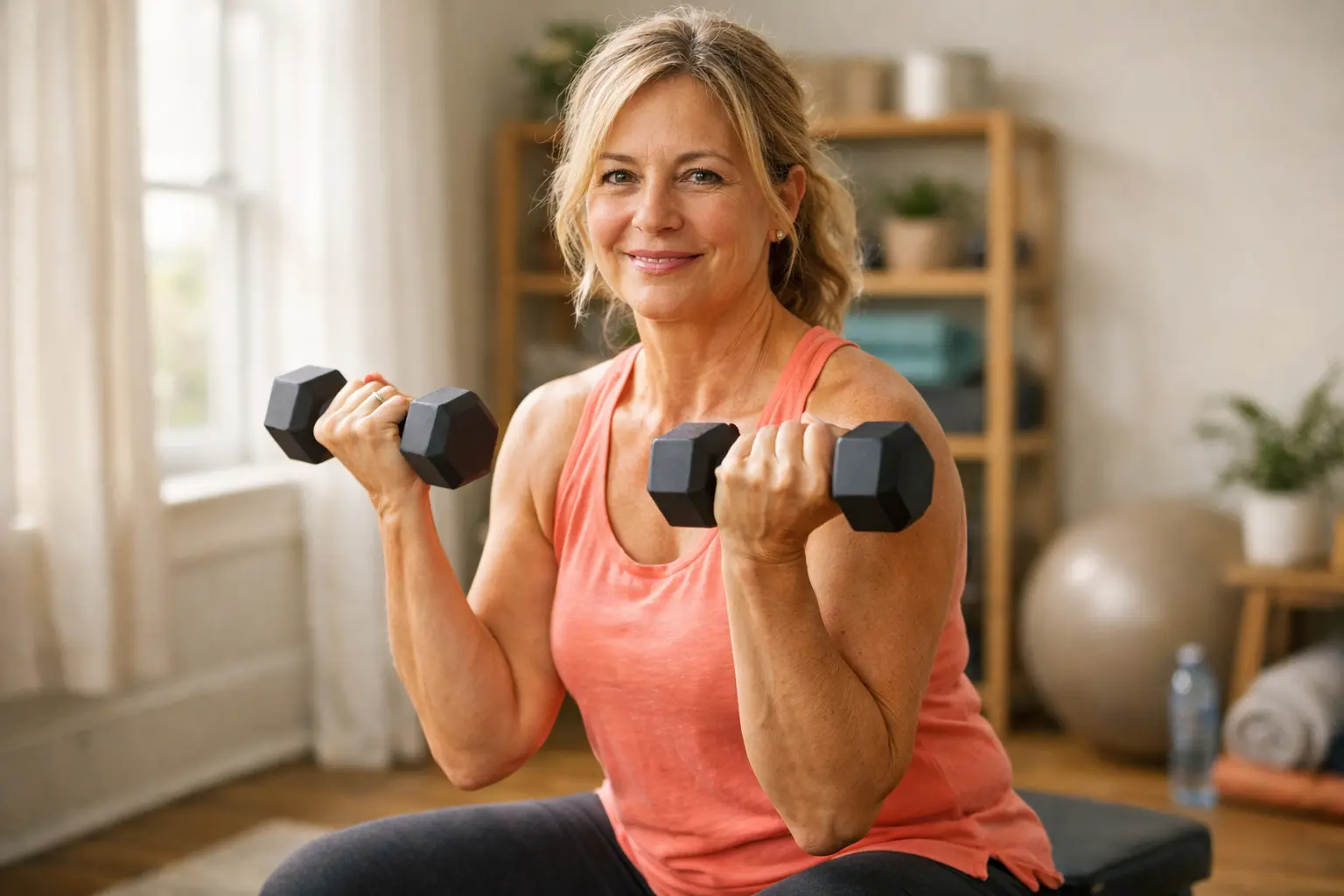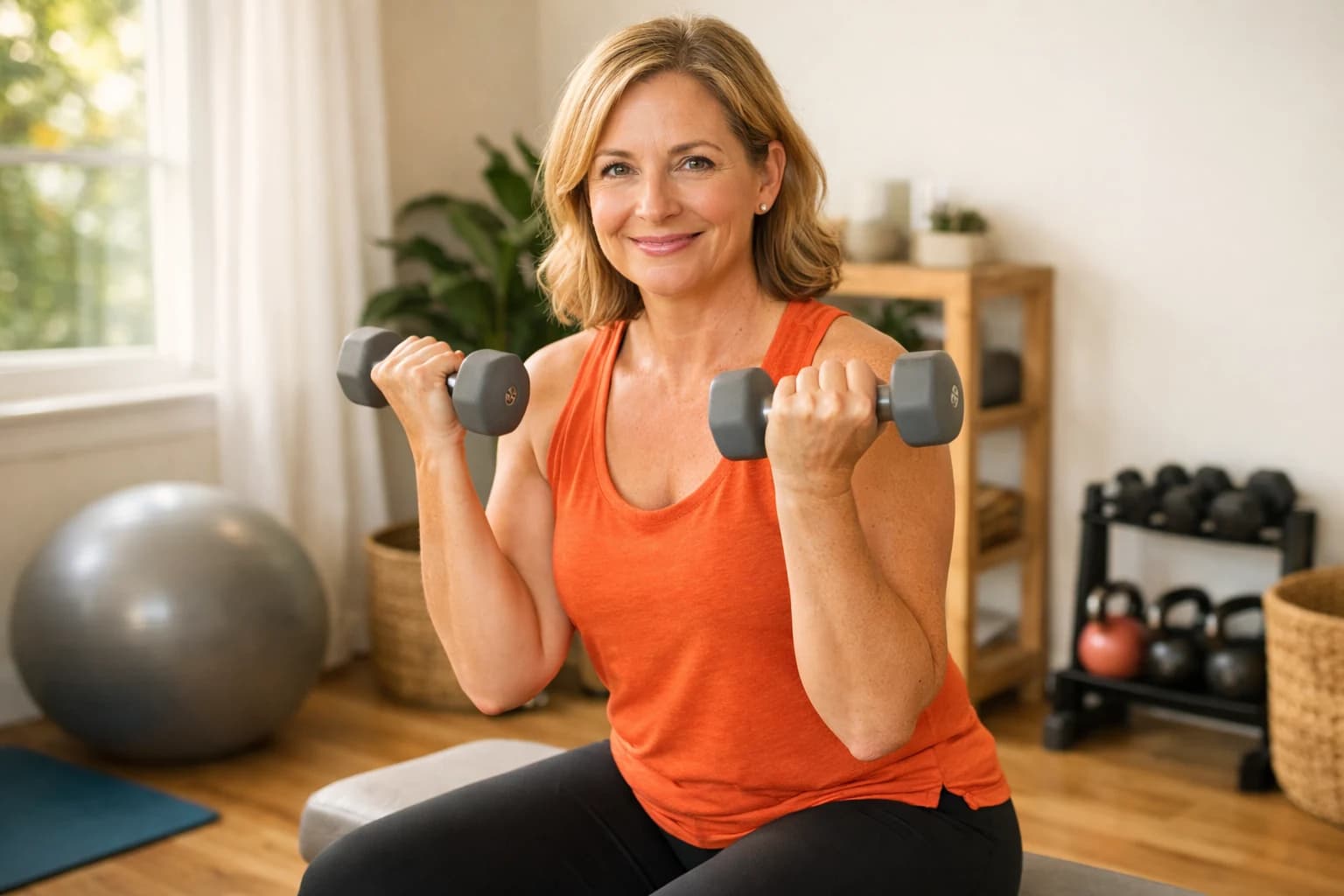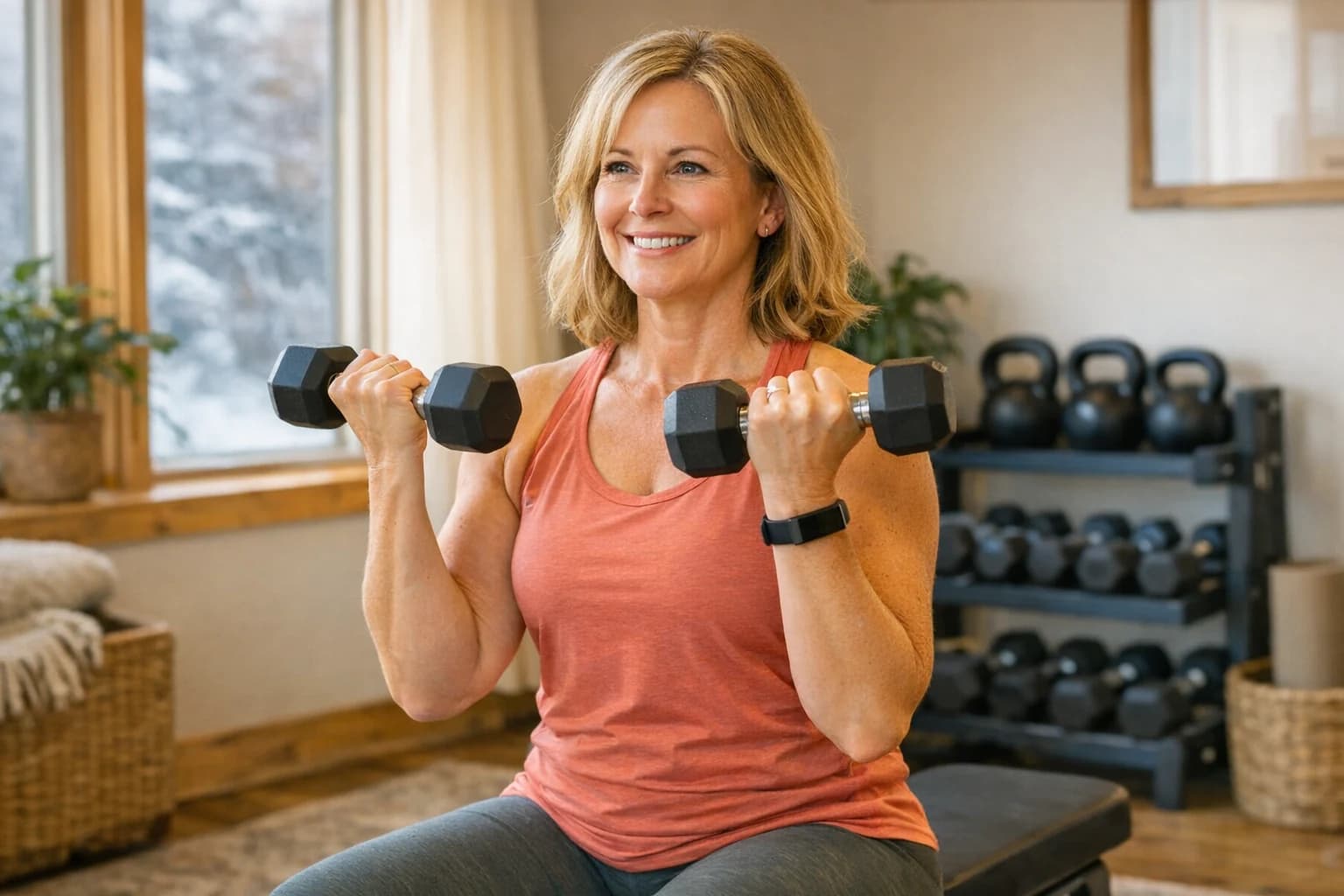
A lot of women hit their forties and start noticing that the old rules are not working anymore. The workouts that used to feel fine now leave them drained. Weight shifts faster than it used to. Recovery is slower. Energy feels less reliable. Strength feels easier to lose. That is usually when people start looking into strength training for women over 40 in Duluth, MN. They are not trying to become powerlifters. They want to feel stronger, steadier, and more at home in their own body again.
The good news is that strength training can help with a lot of that.
It can support muscle, bone density, metabolism, confidence, balance, posture, and blood sugar control. It can also be one of the best things you do for long-term health if you are dealing with weight management, hormone imbalance, or the slow creep of musculoskeletal weakness. If you want more context, read functional training for beginners over 40, beginner strength training over 50 in Duluth, MN, and strength training for insulin resistance.
Why strength training matters so much after 40
After 40, the body is still highly trainable. It just benefits from a smarter approach.
Many women notice a mix of changes that can make old routines feel less effective. Muscle mass can decline if strength work is missing. Recovery gets a little less forgiving. Hormonal changes can affect energy, sleep, appetite, and body composition. Bone density becomes more important. Stress load tends to be high because life in this season is rarely simple.
That is why strength training is so useful. It gives your body a reason to keep muscle, preserve function, support bone, and stay resilient.
It is also one of the few forms of exercise that directly helps with things people actually care about in daily life. Carrying groceries. Lifting kids or grandkids. Getting up off the floor. Handling stairs and hills. Feeling solid on icy sidewalks. Enjoying hikes, paddles, and outdoor time without feeling wrecked.
What women over 40 often get wrong about strength training
Most women do not struggle because they are incapable.
They struggle because the message around strength training is usually bad.
It often gets framed in extremes. Either it is marketed as punishment for weight loss, or it is sold as an intense, high-volume routine that assumes you already have time, energy, and zero joint issues. Neither of those works for many women.
The better approach is simpler.
You need enough strength work to challenge your body, enough recovery to adapt, and a plan that fits real life. That matters even more if you are juggling work, caregiving, sleep disruption, or symptoms that already make energy feel inconsistent.
Strength training for women over 40 in Duluth, MN should feel useful, not punishing
A strong program does not need to be flashy.
The best plans are built around movement patterns your body uses in real life.
Squat or sit-to-stand patterns
These help with leg strength, getting up from chairs, climbing stairs, and protecting confidence in daily movement.
Hinge patterns
Hinges train the glutes and hamstrings and help with picking things up safely, moving better, and building a stronger backside that supports the back.
Push patterns
Wall push-ups, incline push-ups, dumbbell presses, and overhead presses all help with upper-body strength and day-to-day function.
Pull patterns
Rows, pulldowns, and band pulls support posture, shoulder health, and upper-back strength, which matters a lot if most of your day happens at a desk or in the car.
Carry and core patterns
Farmer carries, suitcase carries, dead bugs, planks, and other stability work help you feel more solid and controlled.
This is why exercise therapy matters. Good strength training is not random sweat. It is organized around what your body actually needs.
A realistic weekly plan for women over 40
For many beginners, two or three strength sessions a week is enough.
A very good week might look like this:
- Monday: full-body strength training
- Tuesday: walk, mobility, or easy recovery
- Wednesday: full-body strength training
- Thursday: rest or gentle movement
- Friday: optional third session or short home workout
- Weekend: normal life, outdoor activity, or recovery
That kind of rhythm works well in Duluth because life is seasonal. Winter can make commuting harder. Summer gets packed with family schedules and outdoor plans. Shoulder seasons are messy. A plan that depends on six perfect gym days is not going to survive very long.
A sample beginner strength workout for women over 40
If you are new, start with one or two sets of each movement and use a weight that feels controlled.
- Chair squat or goblet squat, 8 to 10 reps
- Dumbbell row or band row, 8 to 12 reps
- Incline push-up or dumbbell press, 6 to 10 reps
- Romanian deadlift or glute bridge, 8 to 12 reps
- Farmer carry, 20 to 40 seconds
- Dead bug or side plank, 6 to 10 reps per side
That may not look dramatic. It does not need to. It just needs to be repeatable, challenging enough, and something you can recover from well.
How hard should workouts feel?
This is where a lot of people overshoot.
A good strength session should feel like work, but not like your body is under attack. You should finish feeling trained, not destroyed. Some soreness can happen, especially early on. Feeling wiped out for three days is not a badge of honor.
A useful rule is to stop sets with one to three good reps still left in the tank. That gives your body enough stimulus to adapt without wrecking recovery.
This matters even more if sleep is inconsistent, stress is high, protein is low, or you are already dealing with fatigue. More is not always better. Better is better.
Strength training, hormones, and midlife weight changes
Many women reach this stage of life feeling like their body turned on them.
What often changed was not effort. It was physiology.
Hormonal shifts can affect where weight gets stored, how hunger feels, how you recover, and how much muscle you keep when life gets busy. Strength training helps because it gives your body a reason to hold onto lean tissue and improve insulin sensitivity.
That is one reason it pairs so well with CGM monitoring, nutrition coaching, and a broader plan for perimenopause weight gain and insulin resistance. If you have been doing endless cardio and feeling stuck, strength work may be the missing piece.
Strength training for women over 40 in Duluth, MN and bone health
Bone health deserves more attention than it usually gets.
Strength training is one of the most useful ways to load the body in a way that supports bone. Walking is excellent, but resistance training and impact done appropriately tend to do more for preserving bone density over time.
That matters for women with family history, menopause-related bone concerns, or existing osteoporosis. It also matters if you want to stay active for decades, not just feel better for a month.
For a deeper look, building bone density after 50 is worth reading.
What if you have joint pain, old injuries, or feel intimidated?
That does not disqualify you.
It just means the plan should fit you.
Women with knee pain may do better with box squats, step-ups, split squats with support, or smaller ranges of motion at first. Women with shoulder pain may need more pulling work before pressing. Women with back pain often benefit from learning how to hinge, brace, and load well instead of avoiding all resistance forever.
And if the gym feels intimidating, you can still make real progress at home with dumbbells, bands, a bench, or even a sturdy chair. The right setup is the one that helps you stay consistent.
Recovery matters more after 40
One reason women start strength training and decide it is not for them is that recovery got ignored.
To adapt well, your body needs:
- enough protein
- enough food overall
- sleep that is decent when possible
- recovery days between harder sessions
- training volume that matches your current capacity
If recovery is always poor, it is worth asking why. Sometimes it is under-eating. Sometimes it is stress. Sometimes it is poor sleep or low iron, thyroid issues, or other problems that make training feel harder than it should. That is where biomarker testing can be useful.
What progress should look like in the first two months
Early progress is often quieter than people expect.
You may notice:
- movements feel less awkward
- you stand taller
- stairs feel easier
- you are carrying things with more confidence
- workouts do not drain you the same way
- your clothes fit differently through the shoulders, waist, or hips
- you trust your body more
Visible body-composition changes may come later. The first signs are often functional, and they still matter.
Strength training for women over 40 in Duluth, MN can support outdoor life too
This is one place local context really matters.
A lot of women in Duluth want to stay strong enough to enjoy the life they actually live. That means hiking, walking hills, carrying coolers, shoveling snow, paddling, traveling, gardening, hauling groceries, and handling winter without feeling fragile.
Strength training makes all of that easier. It is not separate from real life. It is part of being ready for it.
That is why movement plans can work well alongside outdoor fitness in Duluth, recovery guide in Duluth, and the broader idea of exercise as medicine.
FAQ: strength training for women over 40 in Duluth, MN
Is 40 too late to start strength training?
Not at all. Many women make excellent progress after 40. The key is to start at the right level and build from there.
How many days a week should women over 40 lift weights?
Two to three days per week is a strong starting point for most beginners. That is enough to build strength without overwhelming recovery.
Will lifting weights make me bulky?
For most women, no. Strength training usually leads to more tone, better posture, and improved body composition, not sudden bulk.
Is strength training better than cardio after 40?
They both matter, but strength training is often the missing piece. It helps preserve muscle, support bone health, and improve metabolic health in ways cardio alone does not.
What if I have never used weights before?
That is fine. You can start with bodyweight, resistance bands, or light dumbbells and build skill first. A beginner plan should feel approachable.
Getting stronger can change more than you think
The point of strength training for women over 40 in Duluth, MN is not to chase punishment or try to earn your food. It is to build a body that feels stronger, steadier, and more capable in everyday life.
If you want help figuring out how to train around fatigue, injuries, midlife changes, or stubborn metabolic symptoms, Duluth Metabolic can help. Learn more about exercise therapy, nutrition coaching, and our philosophy.
When you are ready for a more personal plan, reach out through our contact page.