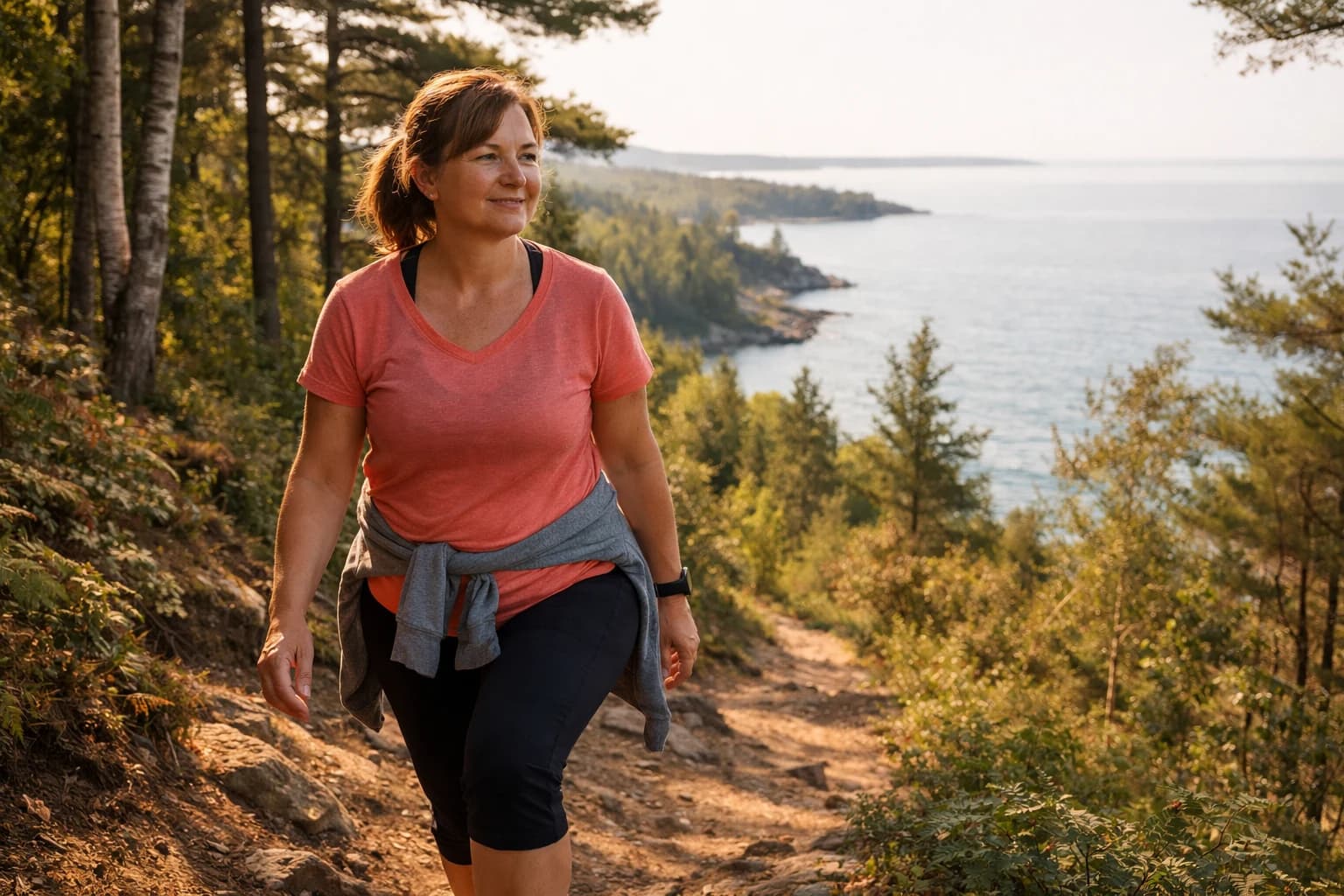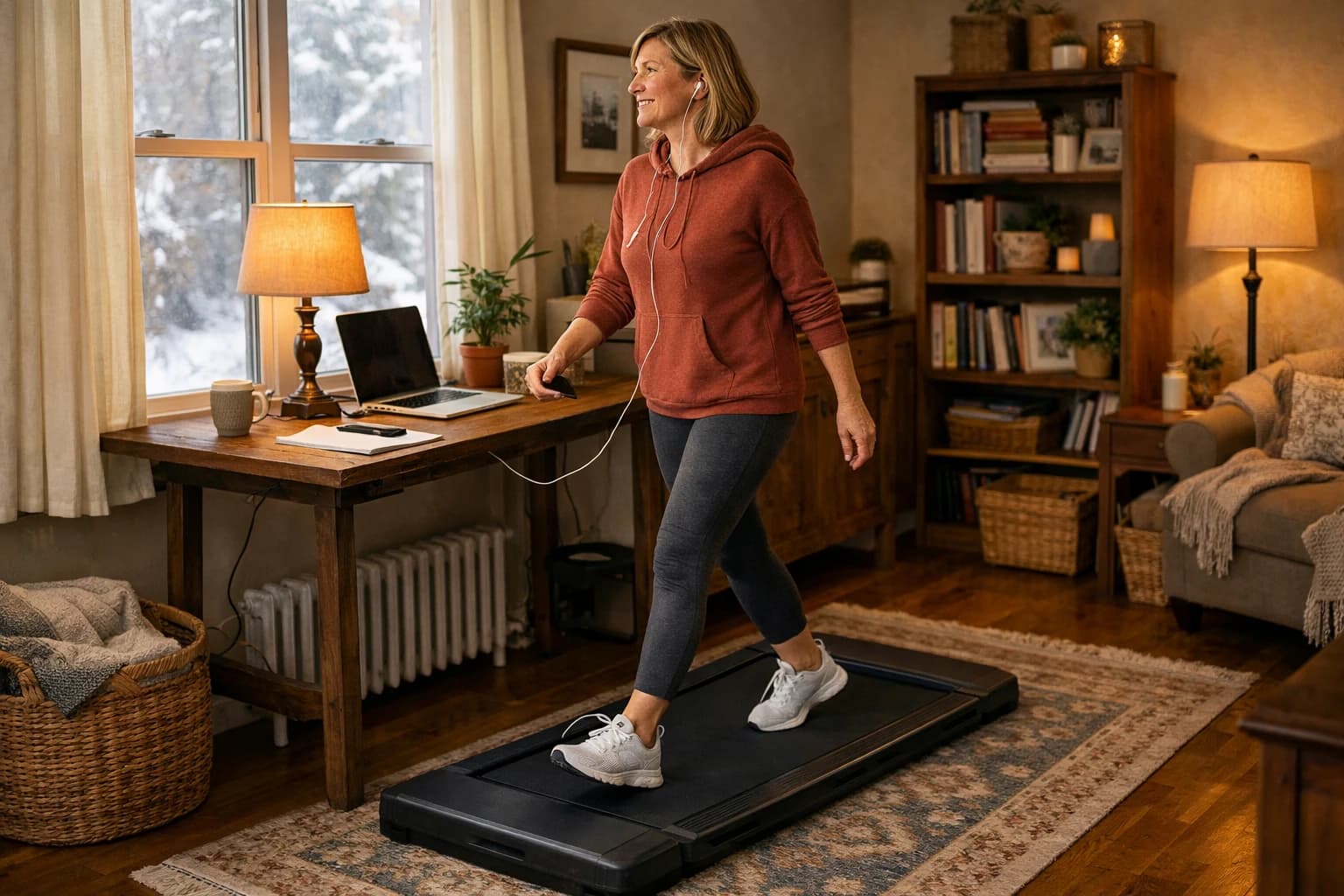
If you have been waiting all winter to move more, a summer walking plan in Duluth MN is one of the simplest ways to rebuild momentum.
Summer is short here. People want to get outside, feel better, and use the season instead of watching it fly by. Walking is perfect for that. It is easier on the joints than many workouts, it supports blood sugar and blood pressure, and it is much easier to stick with when the lake breeze feels good and the sidewalks are finally clear.
It also works for more people than they think. You do not need to be fit already. You do not need expensive gear. You do not need to commit to an all-or-nothing transformation. You just need a plan that fits your current body and your real schedule.
At Duluth Metabolic, we like walking because it is one of the most practical tools for weight management, diabetes, stress reduction, and getting energy back. If you want the broader context, start with walk after meals for blood sugar, walking routine for beginners over 50, and best walking trails in Duluth for beginners.
Why a summer walking plan in Duluth MN makes sense
Duluth gives you a natural reason to walk more in summer.
The days are longer. The lakefront is open. Trails dry out. Neighborhoods come back to life. People are more likely to walk after dinner, meet a friend outside, or park farther away and enjoy it instead of resenting it.
That seasonal boost matters because habits are easier to build when the environment helps you.
For many adults, summer is the best time to establish a walking routine that can carry into fall and make winter less brutal. It is easier to become someone who walks when walking actually feels appealing.
Walking does more for metabolic health than people give it credit for
Walking is sometimes treated like the backup plan for people who are not ready for real exercise.
That is a mistake.
Regular walking can improve insulin sensitivity, help lower stress, support blood pressure, improve mood, increase daily energy expenditure, and make recovery from harder workouts easier. It is also one of the most sustainable tools for people who feel intimidated by gyms or who are coming back after a long break.
For people using CGM monitoring, walking often produces one of the fastest visible wins. A short walk after meals can noticeably flatten blood sugar spikes. That kind of feedback helps people believe their effort is doing something.
Walking also pairs well with exercise therapy and nutrition coaching. You do not need a complicated plan to start feeling better.
The problem with vague advice like "just walk more"
Most people already know walking is good for them.
What they need is structure.
Without a real plan, walking turns into something you mean to do, but keep postponing until the day gets away from you. Or you go too hard the first few days, get sore feet or an angry back, and decide walking must not be for you.
A good summer walking plan in Duluth MN should feel manageable, specific, and flexible enough to survive normal life.
That means:
- a clear starting point
- a weekly rhythm you can repeat
- a simple way to progress
- permission to keep it modest at first
Start where your body actually is
If you have not been active for a while, do not build this plan around your best intentions. Build it around your current capacity.
That might be 10 minutes.
That might be 20.
That might be two shorter walks instead of one longer one. If you deal with chronic fatigue, joint pain, or deconditioning, shorter and more repeatable is usually better than one ambitious walk that wipes you out.
A helpful starting question is this: how much walking can you do right now and still feel like a normal person later the same day?
That is your baseline.
A 4-week summer walking plan in Duluth MN
This plan is built for beginners and busy adults. If the jumps feel too big, repeat a week before moving on.
Week 1
Walk 15 to 20 minutes, four days this week.
Keep the pace comfortable. You should be able to talk. The point this week is not fitness magic. It is getting out the door and building rhythm.
If 15 to 20 minutes feels like too much, split it into two 10-minute walks.
Week 2
Walk 20 to 25 minutes, four to five days this week.
On one or two of those walks, pick up the pace for a few minutes at a time. Nothing extreme. Just enough to breathe a little harder.
Week 3
Walk 25 to 30 minutes, five days this week.
Add a few gentle intervals on two walks. Try three minutes at a comfortable pace, then one minute a little faster. Repeat several times.
Week 4
Walk 30 to 40 minutes, five days this week.
Keep two walks easy, make two moderate, and use one walk as your longer scenic walk. This is a great week to try a route with hills if your joints tolerate it.
By the end of four weeks, you should feel more comfortable moving, and the habit should feel less like a project.
Good places to use this summer walking plan in Duluth MN
One reason walking works in Duluth is that it does not have to be boring.
You can rotate routes based on energy, weather, and time.
Some people like flatter, easier options near the lake. Others like neighborhood routes with small hills. Some like trails, others want paved paths with less guesswork. The best route is the one you will actually use on a Tuesday evening when motivation is average.
Our guide to best walking trails in Duluth for beginners is a good place to start. If you want something more structured outdoors, outdoor fitness in Duluth and spring walking plan in Duluth MN can help too.
Walking for weight loss works better when you stop treating it like punishment
Walking can absolutely support fat loss.
But it works best when you treat it like a habit that improves your whole system, not a way to "burn off" food.
When walking is consistent, it raises daily activity, improves insulin sensitivity, reduces stress, and often leads to better choices later in the day. Many people snack less at night, sleep better, and feel more capable once they are moving regularly.
That is a much more durable path than doing one long miserable walk because you feel guilty.
If you are focused on body composition, combine walking with functional fitness for weight loss over 40, high-protein snacks for weight loss over 40, and protein requirements over 40.
If blood sugar is part of the picture, timing matters
A lot of people get extra benefit from walking after meals.
A 10- to 15-minute walk after lunch or dinner can help move glucose into muscle and reduce the size of the spike that follows a meal. That does not replace longer walks, but it is one of the easiest strategies to layer in.
This is especially useful if you notice high numbers after dinner, morning sluggishness after late-night eating, or the kind of afternoon crash that makes you want caffeine and sugar. Our articles on meal timing for blood sugar control and late dinner blood sugar go deeper on that.
What to do on hot, windy, or smoky days
Duluth summers are great, but not every day is ideal.
Have a backup plan so one weird week does not kill the habit.
That might mean:
- walking earlier in the day
- using a shaded route
- splitting one longer walk into two shorter ones
- switching to an indoor track or mall on smoke or storm days
- doing a short mobility or bodyweight session at home
If weather shifts, consistency still counts. You are not training for perfection. You are training for follow-through.
Shoes, pace, and posture matter more than fancy gear
You do not need to overthink this, but a few basics help.
Wear shoes that feel stable and comfortable. Walk tall instead of slumping into your phone. Let your arms swing naturally. If you are always gasping, you are probably going harder than you need to for most walks.
A useful pace cue is this:
Easy walking means you can talk easily. Moderate walking means talking is still possible, but you are breathing more noticeably. Fast walking means you can still speak, though full sentences feel less comfortable.
Most of your walking should live in the easy to moderate range.
Walking alone is good. Walking plus strength is better.
Walking is one of the best starting points around, but eventually most adults benefit from adding some strength work.
That does not mean five hard gym sessions. Two brief strength sessions each week can go a long way toward protecting muscle, improving balance, and making hills and stairs feel easier. If you are ready for that next step, look at bodyweight workout for beginners over 40, 10-minute morning mobility routine over 40, and functional training for metabolic health.
FAQ about a summer walking plan in Duluth MN
How many days a week should I walk?
Four to five days per week is a strong target for most beginners. If that feels like too much, start with three and build from there.
Is walking enough for weight loss?
Walking can absolutely help with weight loss, especially when it becomes consistent and is paired with food habits that support your goals. It may not be the only tool you use, but it is a very good one.
What is the best time of day to walk?
The best time is the one you will actually repeat. For blood sugar, after meals is often especially helpful. For comfort in summer, mornings and evenings are usually easier.
What if I miss a few days?
Just restart. Missing a few days does not ruin anything. What matters is getting back into the pattern quickly instead of turning a short break into a lost month.
Can walking help blood pressure and stress too?
Yes. Regular walking can support healthier blood pressure, better mood, and lower stress, especially when done consistently.
The bottom line
A summer walking plan in Duluth MN is one of the easiest ways to use the season for something that actually helps your body.
It can improve energy, support blood sugar, help with weight loss, and make you feel more like yourself again. The key is keeping it realistic. Start where you are. Build slowly. Let summer help you get the habit going.
If you want help building a plan that fits your health goals, schedule, and current fitness level, contact Duluth Metabolic. We can help you combine movement, nutrition, and metabolic care in a way that feels doable.