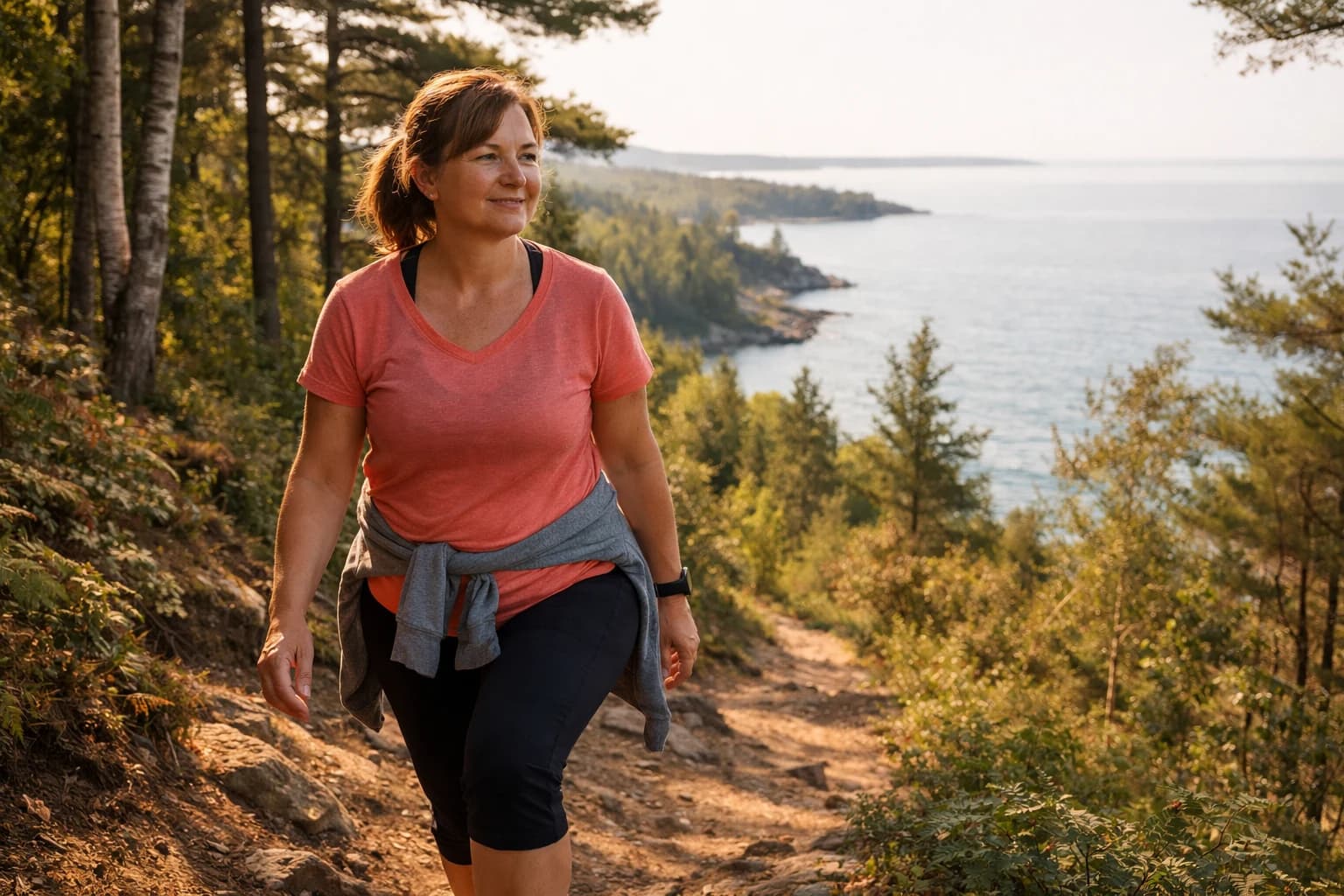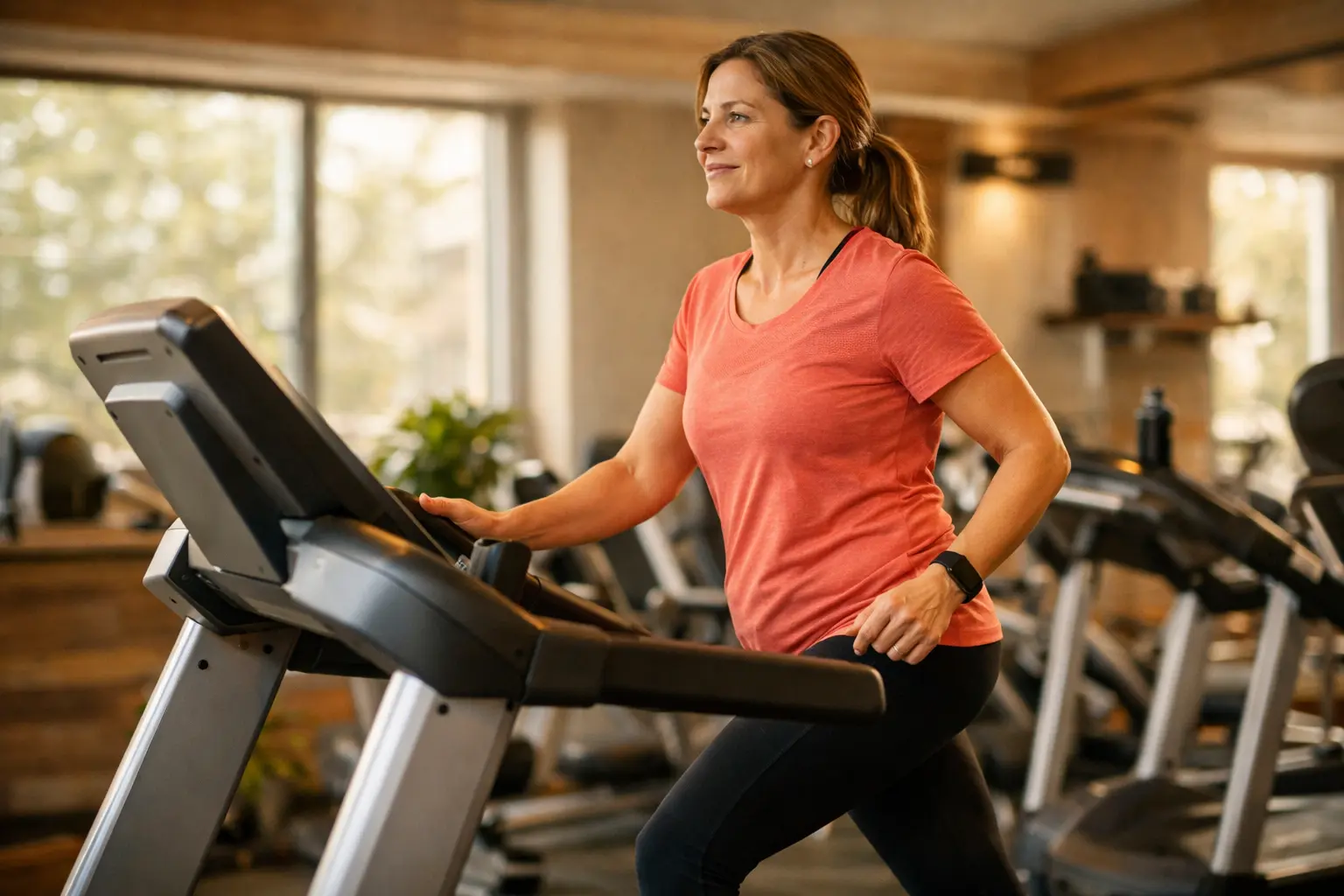
A lot of people assume better blood sugar control requires an intense workout program, a total diet overhaul, or far more time than they actually have. That is part of why exercise snacks for blood sugar have become such a useful idea. The concept is simple. Instead of relying only on one long workout, you use short bursts of movement during the day, especially around meals, to help your body handle glucose better.
That matters because the hours after you eat are where a lot of people feel the difference.
They get tired after lunch. Their brain gets foggy after dinner. Their cravings spike in the afternoon. They feel heavy, sleepy, or strangely hungry even after eating. Sometimes they already know they have insulin resistance or prediabetes. Sometimes they just know something feels off.
Short, well-timed movement can help.
At Duluth Metabolic, we care about this because it is realistic. Not everybody is ready for five gym days a week. But a lot of people can do a few minutes of brisk walking, stairs, squats, or simple resistance work between meetings or after meals. Those little pockets of movement add up, and in many cases they improve blood sugar faster than people expect.
If you want the bigger picture, read walk after meals for blood sugar, strength training for insulin resistance, and what is metabolic health.
What are exercise snacks?
Exercise snacks are short bouts of movement, usually lasting from about 30 seconds to 10 minutes, done once or several times across the day.
The name sounds trendy, but the idea is straightforward. You are breaking up long stretches of sitting and giving your muscles repeated chances to pull glucose out of the bloodstream.
That is one reason they can work so well for blood sugar. Muscles act like a major sink for glucose. When you move, they help use that fuel. When you sit for long periods, especially after eating, your body has less help managing the incoming glucose load.
Research has looked at a few different versions of this:
- brief intense intervals before meals
- short walks after meals
- mini bodyweight circuits throughout the day
- standing and movement breaks during long sitting periods
The exact format matters less than people think. The bigger win is consistency.
Why exercise snacks help blood sugar
There are two big reasons.
First, muscle contractions help move glucose into cells. That process can happen even without the same degree of insulin demand you would otherwise need at rest. Second, movement tends to improve insulin sensitivity over time, which means your body handles carbohydrates more efficiently.
This is why someone can do everything “pretty well” nutritionally and still feel better once they start moving around meals.
It is also why short movement can be surprisingly powerful for people dealing with diabetes, weight management, or the frustrating gray zone of high fasting insulin and “normal enough” labs.
If that last part sounds familiar, high fasting insulin with normal A1c is worth a read.
The best times to use exercise snacks for blood sugar
After meals
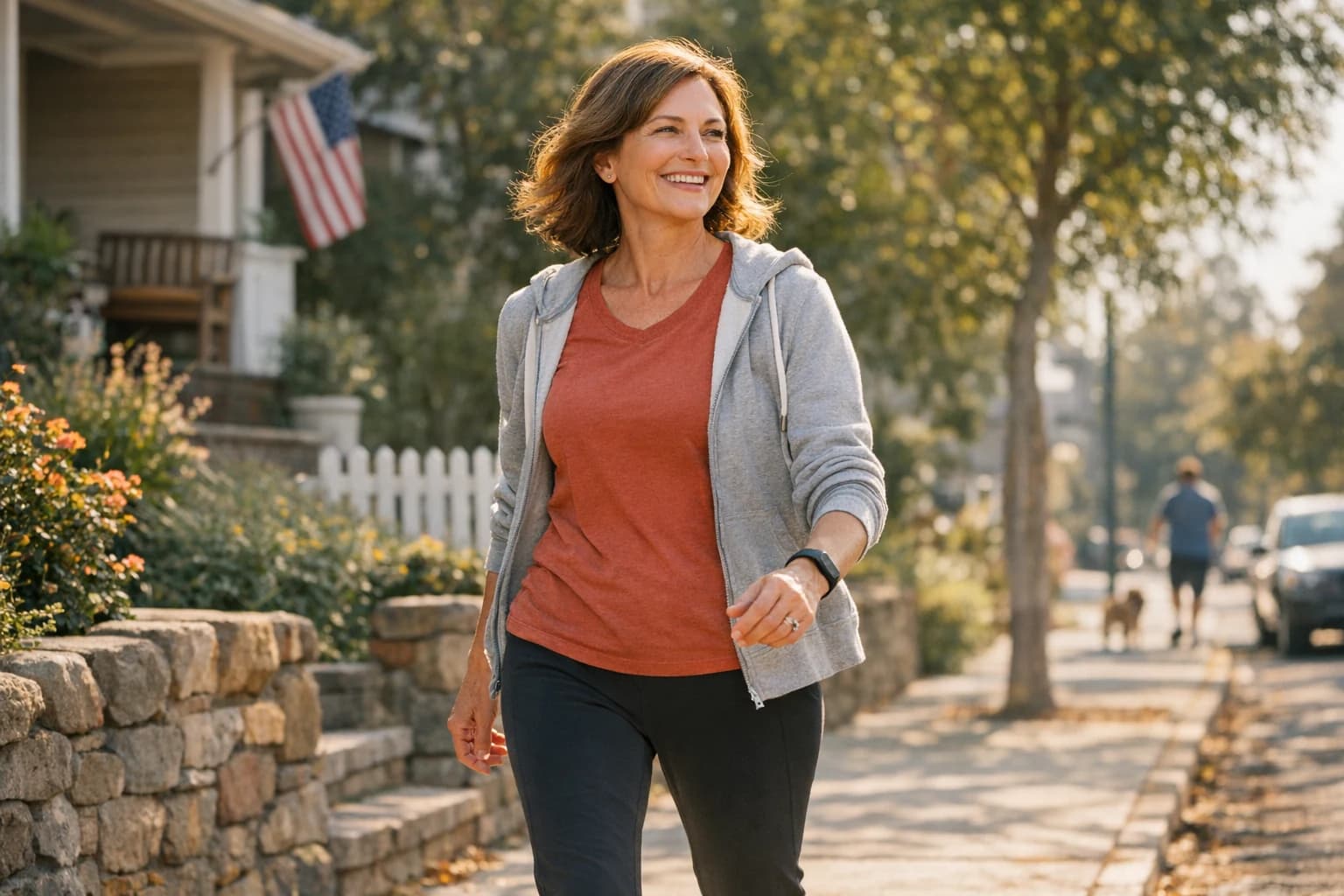
This is the easiest starting point for most people. Even a 10-minute walk after lunch or dinner can help blunt a glucose spike.
You do not need to power walk like you are late for a flight. A brisk, comfortable pace is enough for many people.
Before meals
Some research on exercise snacks has looked at brief intense bouts before meals. That can work too, especially for people who like a more structured, athletic approach. Think a few rounds of stair climbing, bike intervals, or bodyweight movements before breakfast, lunch, and dinner.
That said, you do not need to begin there. For many adults over 40, especially if they are deconditioned or already stressed, the better plan is the one they will actually keep doing.
During long sitting stretches
If you work at a desk or spend a lot of time driving, getting up every hour matters. Your body does not love six straight hours of chair time followed by one heroic workout. Small movement breaks can make the whole day more metabolically friendly.
Good exercise snack ideas that work in real life
The best exercise snacks are the ones you can do without drama.
A few good options:
- 10-minute walk after meals
- 2 to 5 minutes of stairs
- bodyweight squats to a chair
- marching in place during phone calls
- countertop push-ups
- band rows
- step-ups on a safe stair
- a few minutes on a bike or rower
- light kettlebell swings if you already know how to do them well
You do not need all of these. Pick two or three and make them automatic.
If you are brand new to exercise, a walk is plenty. If you already train, exercise snacks can be a smart add-on rather than a replacement.
What exercise snacks look like for busy adults
A realistic workday plan might be:
- 5 minutes of walking after breakfast
- 2 minutes of stairs or sit-to-stands midmorning
- 10 minutes of walking after lunch
- 2 minutes of movement in the late afternoon when energy drops
- 10 minutes of walking after dinner
That may not look impressive on paper, but it can change how the day feels.
Energy is often steadier. Afternoon brain fog eases up. Cravings settle down. Some people see clearer blood sugar improvements within days when using CGM monitoring.
That last part matters because feedback helps. Many adults are more consistent when they can actually see what helps.
Do exercise snacks replace regular workouts?
No, and they do not need to.
Exercise snacks are great, but they work best as part of a bigger movement picture. Strength training still matters for muscle mass, insulin sensitivity, bone density, and long-term metabolic health. Walking still matters. Recovery still matters.
Think of exercise snacks as a bridge.
They help between workouts. They help on busy days. They help people who are trying to build momentum without turning fitness into a second job.
If you are trying to move from scattered effort to a real plan, functional training for beginners over 40, 20-minute workouts for busy adults over 40, and how to start working out when overweight are good next steps.
Who benefits most from exercise snacks for blood sugar?
This strategy can help almost anyone, but it is especially useful for people who:
- sit for most of the day
- feel sleepy after meals
- have insulin resistance, prediabetes, or type 2 diabetes
- are trying to lose weight without relying only on dieting harder
- struggle to fit long workouts into real life
- feel intimidated by formal exercise
- want a lower-barrier place to start
It can also help people with chronic fatigue. That may sound surprising, but shorter movement bouts are often more tolerable than one long session. The key is matching the dose to your actual capacity.
Common mistakes with exercise snacks
Going too hard too soon
People hear about the research on short intense intervals and immediately think they need to sprint before every meal. Most do not.
If you are sedentary, stressed, sleep deprived, or carrying extra weight, start easier.
Treating them like punishment
Exercise snacks should feel doable. If every post-meal walk feels like a penalty for eating, you are not going to stay with it.
Expecting perfection
Missing one walk does not ruin the day. The goal is not perfect execution. The goal is more movement than you were doing before.
Ignoring food quality
Movement helps blood sugar, but it cannot fully offset a constant pattern of liquid sugar, ultra-processed snacks, and oversized restaurant meals. You will get better results if exercise snacks live alongside nutrition coaching, better meal structure, and more protein and fiber.
A simple starter plan
If you want to test this for a week, keep it boring.
For seven days:
- walk 10 minutes after lunch
- walk 10 minutes after dinner
- stand up and move for 2 minutes once each hour during long desk stretches
That is it.
If that goes well, you can build from there. Add a morning walk. Add a few sets of sit-to-stands before meals. Add one or two short strength sessions each week.
Simple plans beat ambitious plans that collapse by Wednesday.
Duluth reality check
This is northern Minnesota. Weather is not always cooperative.
That does not kill the idea.
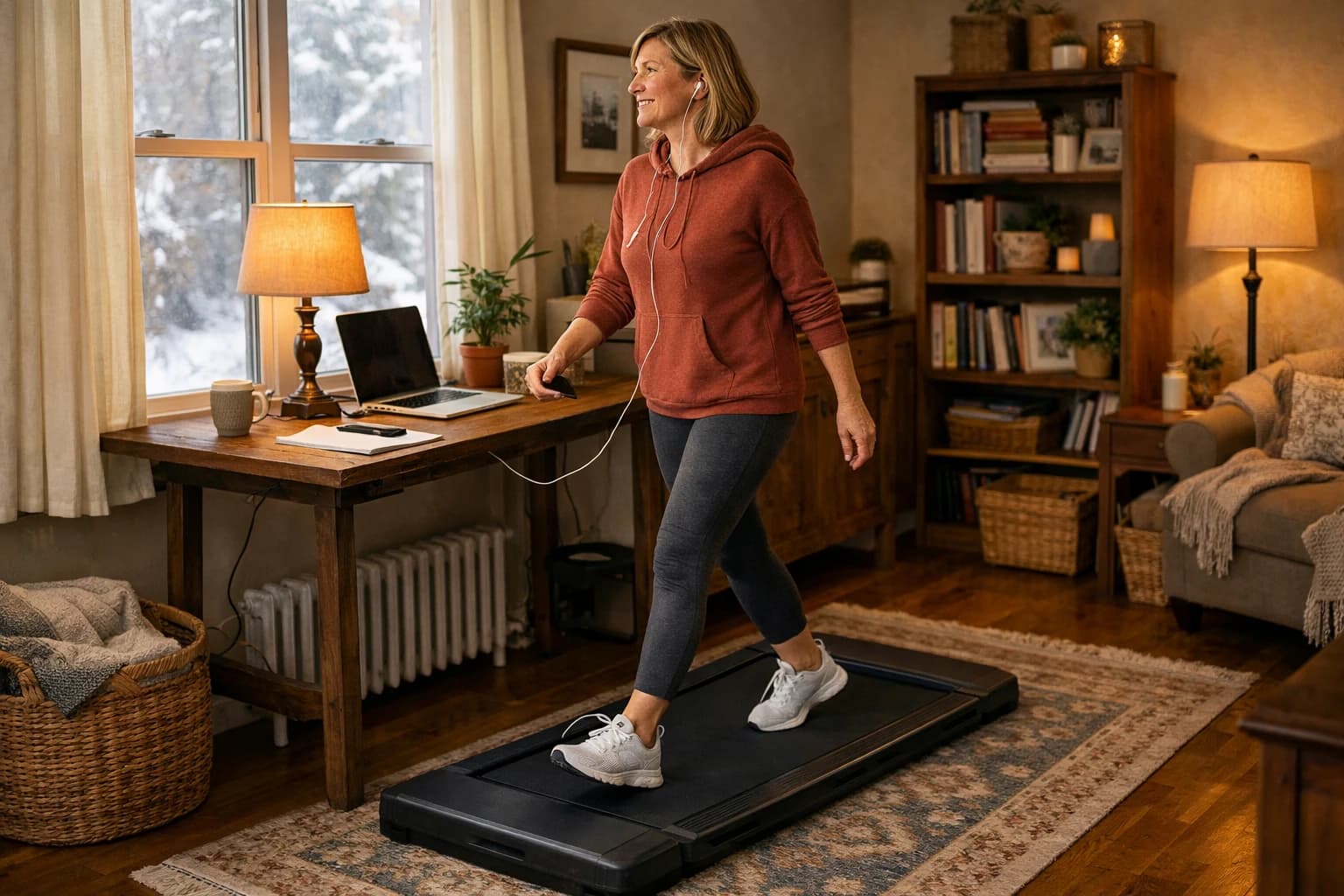
Exercise snacks can happen in a hallway, basement, garage, workplace stairwell, living room, or inside a grocery store before you head home. Winter is not a reason to stop moving. It is a reason to make movement more deliberate.
If you want indoor-friendly options, indoor walking in Duluth and mobility exercises over 40 in Duluth can help.
FAQ
How long should exercise snacks be for blood sugar?
Even 2 to 10 minutes can help. A 10-minute walk after meals is one of the easiest and most practical starting points.
Are exercise snacks better before or after meals?
Both can help. For most people, after-meal walks are simpler to stick with. Before-meal intervals may work well for people who already tolerate higher-intensity exercise.
Do I need a gym or equipment?
No. Walking, stairs, chair squats, step-ups, marching, and countertop push-ups are enough to get started.
Can exercise snacks help with insulin resistance?
Yes. They can improve glucose handling in the short term and support better insulin sensitivity over time, especially when paired with strength training and better nutrition.
What if I am exhausted and out of shape?
Start smaller. Two to five minutes still count. The right starting point is the one you can repeat without crashing afterward.
Small movement, real payoff
The best thing about exercise snacks for blood sugar is that they lower the barrier to doing something helpful today. You do not need the perfect workout window. You do not need elite motivation. You just need a body that moves a little more often, especially when it matters.
If you want help connecting movement, food, recovery, and blood sugar data into a plan that fits your real life, contact Duluth Metabolic. We can help you figure out what works for your body and turn it into something sustainable.