If you are interested in zone 2 training for blood sugar control, there is a decent chance you are tired of the usual exercise advice. One side of the internet acts like you need brutal interval workouts to get healthier. The other side just says “walk more” and leaves you to figure out what that means.
Zone 2 sits in a much more useful middle ground. Zone 2 training for blood sugar control gives you a way to improve insulin sensitivity, endurance, and metabolic health without turning every workout into a stress event. That makes it especially appealing for busy adults, beginners, people recovering from burnout, and anyone who knows they need more movement but cannot live on max-effort workouts.
Top-ranking articles for this keyword usually follow a few familiar patterns. Mastering Diabetes leans hard into the insulin-sensitivity payoff. Dexcom’s Stelo content explains zone 2 through a glucose-health lens. Diabetes Care Community makes it practical for people who want a beginner-friendly explanation. What those pages still tend to miss is everyday implementation for real adults with jobs, families, sore joints, changing hormones, and inconsistent energy. That is where this guide comes in. For more background, see zone 2 training for beginners over 40, walking for insulin resistance in Duluth MN, exercise snacks for blood sugar, and strength training for insulin resistance.
Why zone 2 training helps blood sugar in the first place
Your muscles are one of the biggest places your body can put glucose to use.
When you do steady aerobic work in zone 2, your body gets better at using both fat and glucose for fuel. Over time, that can improve insulin sensitivity, mitochondrial function, and the way your muscles handle energy. In simpler terms, your body becomes less sloppy with fuel.
That matters because blood sugar issues rarely exist in isolation. They tend to travel with poor sleep, high stress, low muscle mass, extra visceral fat, and inconsistent activity. Zone 2 training does not fix every part of that picture, but it supports a lot of it at once.
This is one reason people often notice that steady cardio helps more than they expected. It is not flashy, but it makes the whole system work better.
What zone 2 training actually is
Zone 2 is moderate-intensity cardio.
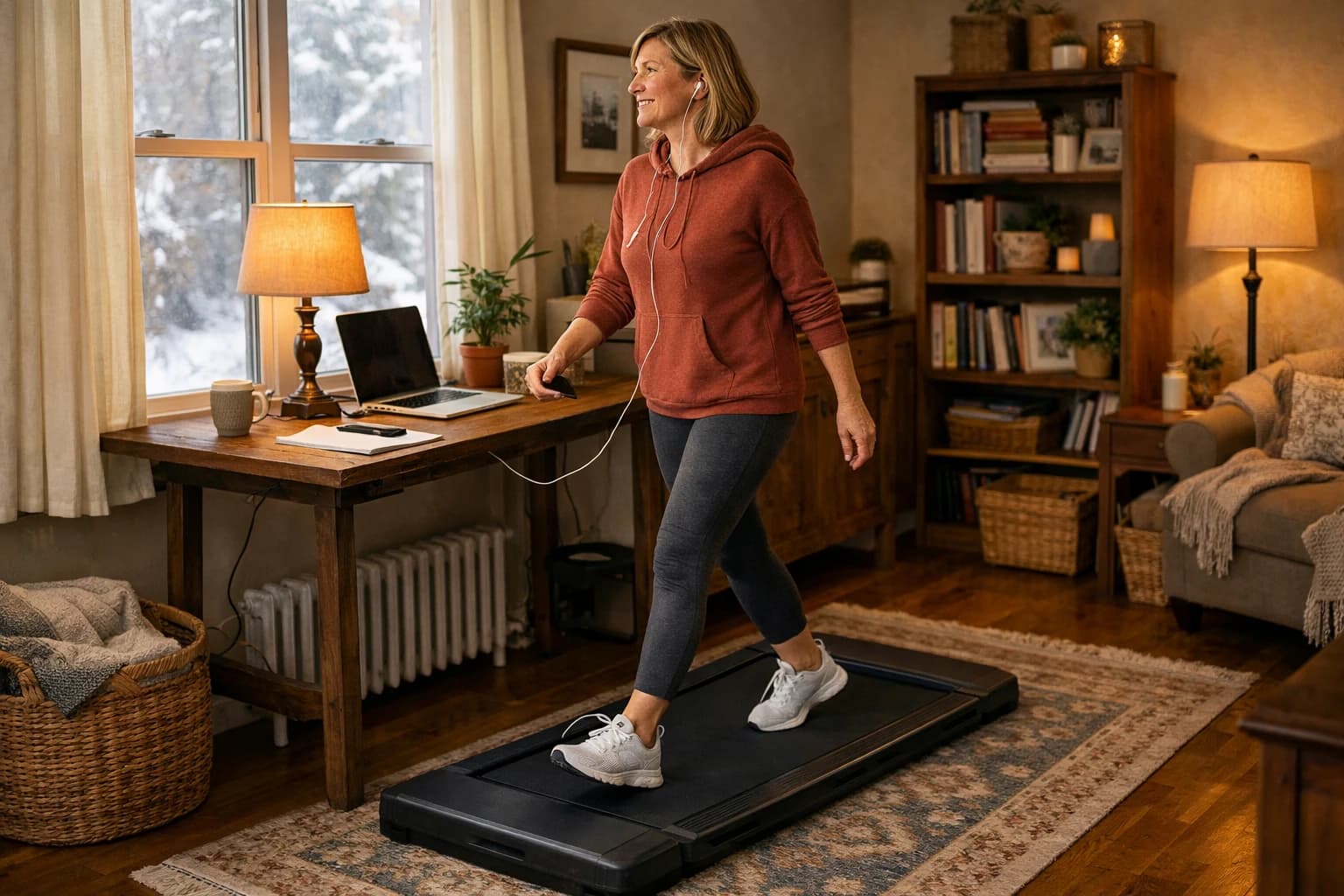
You are working, but not gasping. You can still talk in short sentences. You are not strolling, but you are also not grinding yourself into the floor. For many people, it lands somewhere around a brisk walk, incline walk, bike ride, row, easy jog, or steady hike.
That is part of why it works for so many different people. The exact pace changes, but the effort level stays personal.
Someone who is just getting started may hit zone 2 walking on a slight hill. Someone fitter may need to jog or cycle at a stronger pace. The point is the physiological zone, not the bragging rights.
Why zone 2 training for blood sugar control often works better than all-or-nothing cardio
A lot of adults accidentally live in a weird middle space.
They do random hard workouts when motivation shows up, feel wrecked after, skip the next few days, then tell themselves they need better discipline. That cycle does not build much fitness and it usually does not help blood sugar very consistently either.
Zone 2 works differently.
It is sustainable enough to repeat. You can recover from it. You can fit it into a normal week. You can do it while rebuilding confidence with exercise. That repeatability is a huge deal.
Blood sugar tends to respond best to regular movement, not heroic effort followed by long gaps.
How zone 2 training affects insulin sensitivity and glucose handling
This is where the top-ranking articles are onto something.
Steady moderate exercise increases the muscles’ demand for fuel. It also helps the body become better at moving glucose into muscle tissue and using it there. Over time, that can mean lower fasting glucose, improved post-meal responses, and better overall metabolic flexibility.
It can also support body composition. When people are more aerobically fit, more active through the week, and better able to recover, it often becomes easier to keep exercising, walk more, and stay consistent with food habits too.
That is a big reason zone 2 can be useful for people dealing with diabetes, high blood pressure, or the frustrating in-between stage where labs are starting to drift and energy feels off.
How to know if you are actually in zone 2
There are a few ways.
The talk test is the easiest. You should be able to speak in short sentences without sounding miserable. If you could sing, you are probably too easy. If conversation feels choppy and annoying, you are likely too hard.
A heart rate monitor can help too. Many people estimate zone 2 at roughly 60 to 70 percent of max heart rate, though formulas are imperfect and medications can affect the numbers.
Perceived effort matters a lot here. Most people should finish feeling worked, not wrecked.
That last part is important because many adults think a workout only counts if it hurts. For blood sugar support, that mindset can get in the way.
What zone 2 training for blood sugar control looks like in a real week
This does not need to be elaborate.
A very normal starting point is 20 to 30 minutes, three times per week. That might be brisk walking on the hill, an incline treadmill, a stationary bike, an easy row, or a route around Duluth that lets you keep a steady effort.
Once that feels manageable, many people do well building toward 30 to 45 minutes a few times per week. Some also add a short walk after meals on top of that. That combination can work especially well because you get both the long-term aerobic benefit and the short-term glucose benefit from moving after you eat.
If the weather is part of the problem, indoor walking in Duluth MN, winter walking in Duluth MN, and walk after meals for blood sugar are helpful reads.
The best kinds of zone 2 workouts for beginners
The best mode is usually the one you will repeat.
Walking is often the easiest entry point. It is familiar, accessible, and easy to scale. Incline treadmill walking can be especially useful because it gets the heart rate up without forcing impact.
Cycling works well for people with cranky knees or who prefer lower-impact movement. Rowing can be excellent if technique is solid and the pace stays controlled. Hiking is great too, especially around Duluth, as long as you keep the effort from turning into an all-out climb every time.
If you are newer to exercise or rebuilding after a long layoff, how to start working out when overweight and low-impact workouts for beginners over 40 can help you ease in.
Where people mess this up
Usually by going too hard.
They pick a pace that feels impressive for six minutes, then spend the rest of the workout flirting with zone 3 and wondering why they hate cardio. Or they assume a smartwatch number is gospel and stop paying attention to how their body feels.
Another common problem is doing zone 2 in a way that never becomes routine. A workout you do once every ten days will not teach your body much.
Consistency matters more than optimization here.
Zone 2 and CGM data can be a powerful combo
This is one place Duluth Metabolic sees a big opening that many competitor articles barely touch.
When someone uses CGM monitoring, they can often see how different forms of movement affect their glucose in real time. A steady walk after dinner may flatten a spike. A zone 2 bike ride in the afternoon may improve the rest of the day more than they expected. A brutal high-intensity session may sometimes bump glucose up temporarily because of stress hormones.
That does not make high intensity bad. It just means data can help you understand your own response instead of guessing.
Do you still need strength training if you are doing zone 2?
Yes.
Zone 2 is a strong tool, but it is not the whole plan. Muscle is one of your biggest metabolic assets. Strength training supports glucose disposal, bone health, confidence, daily function, and healthy aging.
The sweet spot for many adults is some zone 2, some strength training, and more regular movement through the day.
If you want help combining those pieces, exercise therapy, functional training for metabolic health, and walking and strength training plan for beginners over 40 are good next steps.
FAQ about zone 2 training for blood sugar control
How often should I do zone 2 for blood sugar control?
A good starting point is three sessions per week for 20 to 30 minutes. Many people build from there. More can help, but the bigger win is making it repeatable.
Is walking enough for zone 2?
For many people, yes. Especially if you are newer to exercise, walking briskly or using incline can absolutely get you into zone 2. The right pace depends on your current fitness.
Can zone 2 lower fasting blood sugar?
It can help over time, especially when done consistently. Better insulin sensitivity, improved aerobic fitness, and more weekly movement can all support fasting glucose and overall glucose control.
Is high-intensity exercise better for blood sugar?
Not always. High-intensity work can be useful, but it is not automatically better. Some people recover poorly from it or find that it raises glucose temporarily during the session. Zone 2 is often easier to sustain and easier to recover from.
What if I feel exhausted all the time?
Then the answer may not be to push harder. Fatigue can come from sleep issues, poor recovery, hormones, under-fueling, insulin resistance, or a bigger metabolic problem. Start with chronic fatigue doctor in Duluth MN, sleep and metabolic health, and labs normal but feel terrible.
Better blood sugar usually comes from steadier habits, not punishment workouts
That is one reason zone 2 is so useful.
It gives you a way to train that supports health without making exercise feel like a threat. It is practical. It is repeatable. It works with real life instead of demanding that your whole life revolve around recovery from hard workouts.
If you want help figuring out the right mix of movement, nutrition, testing, and accountability for your metabolism, Duluth Metabolic can help. You can contact us to start the conversation.