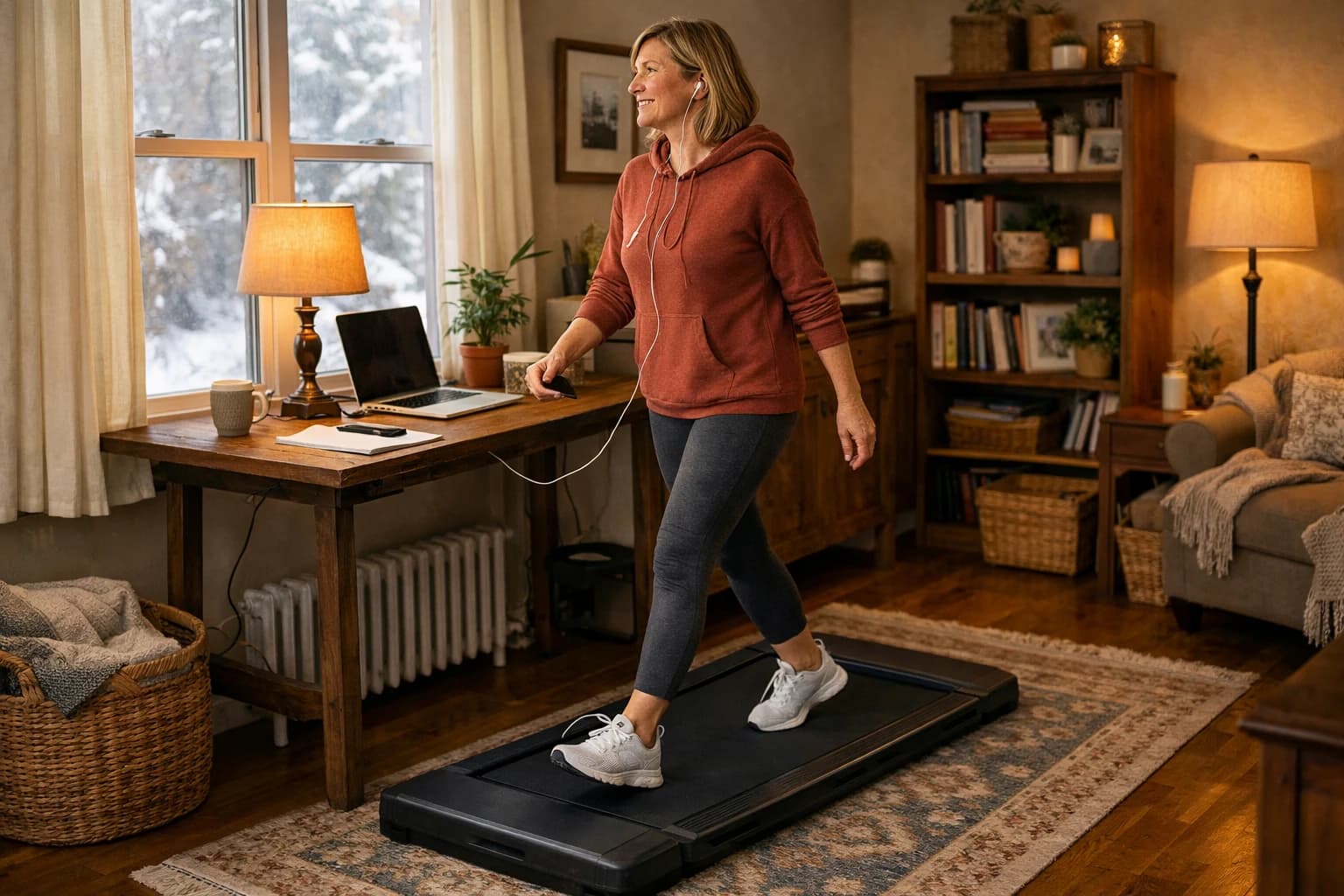
If you have been told you have a fatty liver, there is a good chance the advice felt vague. Lose weight. Eat better. Exercise more. That sounds simple until real life shows up.
The good news is that exercise for fatty liver can help more than many people realize, even before dramatic weight loss happens. Better movement habits can lower liver fat, improve insulin sensitivity, support blood pressure, and help you feel less stuck in your own body.
At Duluth Metabolic, we look at fatty liver through a metabolic lens. It is usually not an isolated liver problem. It is often part of a bigger pattern that includes diabetes risk, weight-management struggles, rising blood pressure, poor energy, and insulin resistance. If you want the broader picture, it helps to read fatty liver and insulin resistance, what is metabolic health, and high fasting insulin with normal A1C.
Why exercise for fatty liver matters even if the scale barely moves
A lot of people think exercise only counts if it leads to fast weight loss.
That is not how this works.
Research and clinical guidance consistently show that exercise can reduce liver fat and improve metabolic health even when the scale does not change much. That matters because people often quit too early when they assume the plan is failing.
Your liver responds to more than calories. It responds to how your body handles glucose, how sensitive you are to insulin, how much muscle you have, how active you are, and how inflamed the whole system is.
When movement improves those inputs, the liver usually benefits too.
That is one reason we do not frame exercise as punishment. We frame it as treatment. If that idea is new, exercise as medicine and exercise therapy in Duluth are good next reads.
What fatty liver usually has in common with the rest of the metabolic picture
Fatty liver often travels with a cluster of other issues:
- elevated fasting insulin
- higher triglycerides
- belly fat that feels hard to change
- energy crashes after meals
- higher blood pressure
- rising A1C or prediabetes
- poor exercise tolerance
That is why a random gym plan is not always enough.
If the real pattern is insulin resistance, low muscle mass, poor sleep, and an all-or-nothing approach to workouts, the right plan needs to address the whole picture. A person with fatty liver may also be dealing with high blood pressure, chronic fatigue, or musculoskeletal weakness, which changes how they should start.
What kind of exercise for fatty liver helps most
You do not need the perfect workout. You need a type of training you can repeat.
The best results usually come from a mix of aerobic work and strength training.
Aerobic exercise for fatty liver improves how your body uses fuel
Walking, cycling, rowing, swimming, and other steady movement can help reduce liver fat and improve insulin sensitivity.
This does not mean every workout has to be intense. In fact, many adults do better starting with moderate work they can recover from.
A useful target is building toward regular weekly movement that feels brisk but manageable. You should be able to talk, but not sing. That kind of pace is often enough to improve blood sugar handling and help the liver stop carrying so much of the burden.
If you are starting from scratch, read walking for insulin resistance in Duluth, zone 2 training for beginners over 40, and walk after meals for blood sugar.
Strength training for fatty liver protects muscle and improves insulin sensitivity
This part gets overlooked all the time.
Muscle is one of your best metabolic tools. It helps pull glucose out of the bloodstream and gives your body a better place to store fuel. More useful muscle usually means better insulin sensitivity and better long-term odds of keeping liver fat down.
You do not need bodybuilder workouts.
You need simple, repeatable patterns like squats to a chair, rows, carries, step-ups, presses, and hinges. That is why strength work often belongs in a fatty liver plan, especially for adults who have been under-muscled for years.
A few helpful starting points are strength training for insulin resistance, functional training for metabolic health, and bodyweight workout for beginners over 40.
A better goal than “burn calories”
For fatty liver, the goal is not simply to burn off food.
A better goal is to become more metabolically capable.
That means:
- handling carbs better
- lowering the need for high insulin output
- building or preserving lean muscle
- improving stamina
- lowering inflammation over time
- creating enough consistency that your labs start moving in the right direction
This is where CGM monitoring can sometimes help. A lot of people are surprised by how differently their body responds to a walk after dinner versus a totally sedentary evening. Better data can make the connection feel real.
How to start exercise for fatty liver if you feel deconditioned
You are not behind. You just need an entry point that is honest.
For many adults, the biggest mistake is starting too hard. A punishing workout can leave you sore, discouraged, and less likely to do the next one.
A better progression looks like this.
Week one, make movement small enough to repeat
Start with 10 to 20 minutes of walking most days.
If that feels easy, good. Easy is not failure. Easy is how habits become durable.
Add one or two short strength sessions each week using bodyweight, dumbbells, or resistance bands. The point is not to destroy yourself. The point is to show your body a reason to adapt.
Week two and beyond, build volume before intensity
Most people do better adding time and consistency before they add speed or complexity.
That might mean:
- longer walks
- a few hills
- an extra strength session
- a simple interval block once or twice a week
- a walk after your highest-carb meal
This is especially true if you are also trying to improve blood sugar after meals, meal timing for blood sugar control, or prediabetes.
What exercise for fatty liver should not look like
It should not feel like a six-week punishment phase.
It should not depend on motivation being high every day.
It should not be built entirely around sweating as proof that it worked.
And it definitely should not leave you so wiped out that your sleep worsens, your cravings go up, and you skip the next four days.
People with metabolic dysfunction often do better with a plan that is steady, practical, and boring in a good way.
The flashy plan usually loses to the repeatable plan.
Nutrition and exercise work better together for fatty liver
Exercise helps on its own, but it works even better when food stops fighting against it.
That usually means building meals around protein, fiber, and minimally processed foods more often. For some people, it also means reducing liquid sugar, cutting back on ultra-processed snacks, and being more intentional with late-night eating.
You do not need perfection. You need better defaults.
That is where nutrition coaching, meal prep for blood sugar control, Mediterranean diet for insulin resistance, and low-carb meal plan for insulin resistance can all help.
When biomarker testing matters
A lot of people with fatty liver are told the liver is the problem when the deeper issue is poor metabolic health.
That is why biomarker testing matters.
Looking at fasting insulin, A1C, triglycerides, HDL, inflammatory markers, liver enzymes, and other data points can tell a much better story than body weight alone. Sometimes the person who feels frustrated by slow weight loss is actually making meaningful progress in insulin sensitivity and liver health.
That kind of feedback helps people stay with the plan.
FAQ about exercise for fatty liver
How much exercise do I need for fatty liver?
A consistent weekly routine matters more than one heroic workout. Many adults benefit from working toward regular moderate aerobic exercise plus two or more strength sessions per week. If you are far from that right now, start smaller and build.
Is walking enough for fatty liver?
Walking is a strong place to start. It can improve blood sugar handling, stamina, and liver health, especially if you do it consistently. Adding strength training usually improves the overall metabolic effect.
Does exercise help fatty liver even without major weight loss?
Yes. That is one of the most important things to understand. The liver can improve before the mirror or scale catches up.
Should I do cardio or weights for fatty liver?
Usually both. Cardio helps with energy use, stamina, and insulin sensitivity. Strength training helps preserve muscle and improve how your body handles glucose over time.
What if I am tired all the time?
That is common. Start with what you can recover from. If fatigue is severe, it may be worth looking deeper at why am I always tired, labs normal but feel terrible, and chronic fatigue.
The real win is becoming the kind of person whose body is easier to help
Fatty liver can be scary, but it is also a chance to catch the broader metabolic story early.
You do not have to wait until diabetes is obvious or your labs get worse.
A smart exercise plan can help your liver, your blood sugar, your energy, and your confidence all at once. It does not need to be extreme. It does need to be consistent.
If you want help building a plan that fits your current energy, labs, and goals, Duluth Metabolic can help. Contact us to talk about nutrition coaching, exercise therapy, biomarker testing, and a more personalized metabolic approach.